U.S. health authorities said Thursday that 16- and 17-year-olds should get a booster dose of Pfizer's COVID-19 vaccine once they're six months past their last shot.
The U.S. and many other nations already were urging adults to get booster shots to pump up immunity that can wane months after vaccination, calls that intensified with the discovery of the worrisome new omicron variant.
On Thursday, the Food and Drug Administration gave emergency authorization for 16- and 17-year-olds to get a third dose of the vaccine made by Pfizer and its partner BioNTech. And hours later, the Centers for Disease Control and Prevention lifted the last barrier — saying those teens should get their booster as soon as it's time.
CDC Director Rochelle Walensky told The Associated Press the boosters are important considering that protection against infection wanes over time and “we’re facing a variant that has the potential to require more immunity to be protected.”
“Vaccination and getting a booster when eligible, along with other preventive measures like masking and avoiding large crowds and poorly ventilated spaces, remain our most effective methods for fighting COVID-19,” Dr. Janet Woodcock, acting FDA commissioner, said in a statement.
The Pfizer vaccine is the only option in the U.S. for anyone younger than 18, either for initial vaccination or for use as a booster. It’s not yet clear if or when teens younger than 16 might need a third Pfizer dose.
Vaccinations for children as young as 5 just began last month, using special low-dose Pfizer shots. By this week, about 5 million 5- to 11-year-olds had gotten a first dose.
The extra-contagious delta variant is causing nearly all COVID-19 infections in the U.S., and in much of the world. It’s not yet clear how vaccines will hold up against the new and markedly different omicron mutant. But there’s strong evidence that boosters offer a jump in protection against delta-caused infections, currently the biggest threat.
Complicating the decision to extend boosters to 16- and 17-year-olds is that the Pfizer shot -- and a similar vaccine made by Moderna -- have been linked to a rare side effect. Called myocarditis, it’s a type of heart inflammation seen mostly in younger men and teen boys.
The FDA said rising COVID-19 cases in the U.S. mean the benefits of boosters greatly outweighed the potential risk from the rare side effect, especially as the coronavirus itself can cause more serious heart inflammation.
Health officials in Israel, which already gives boosters to teens, have said the side effect continues to be rare with third doses.
A U.S. study this week offered additional reassurance. Researchers from children’s hospitals around the country checked medical records and found the rare side effect usually is mild and people recover quickly. The research was published Monday in the journal Circulation.
___
Associated Press reporter Matthew Perrone contributed to this report.
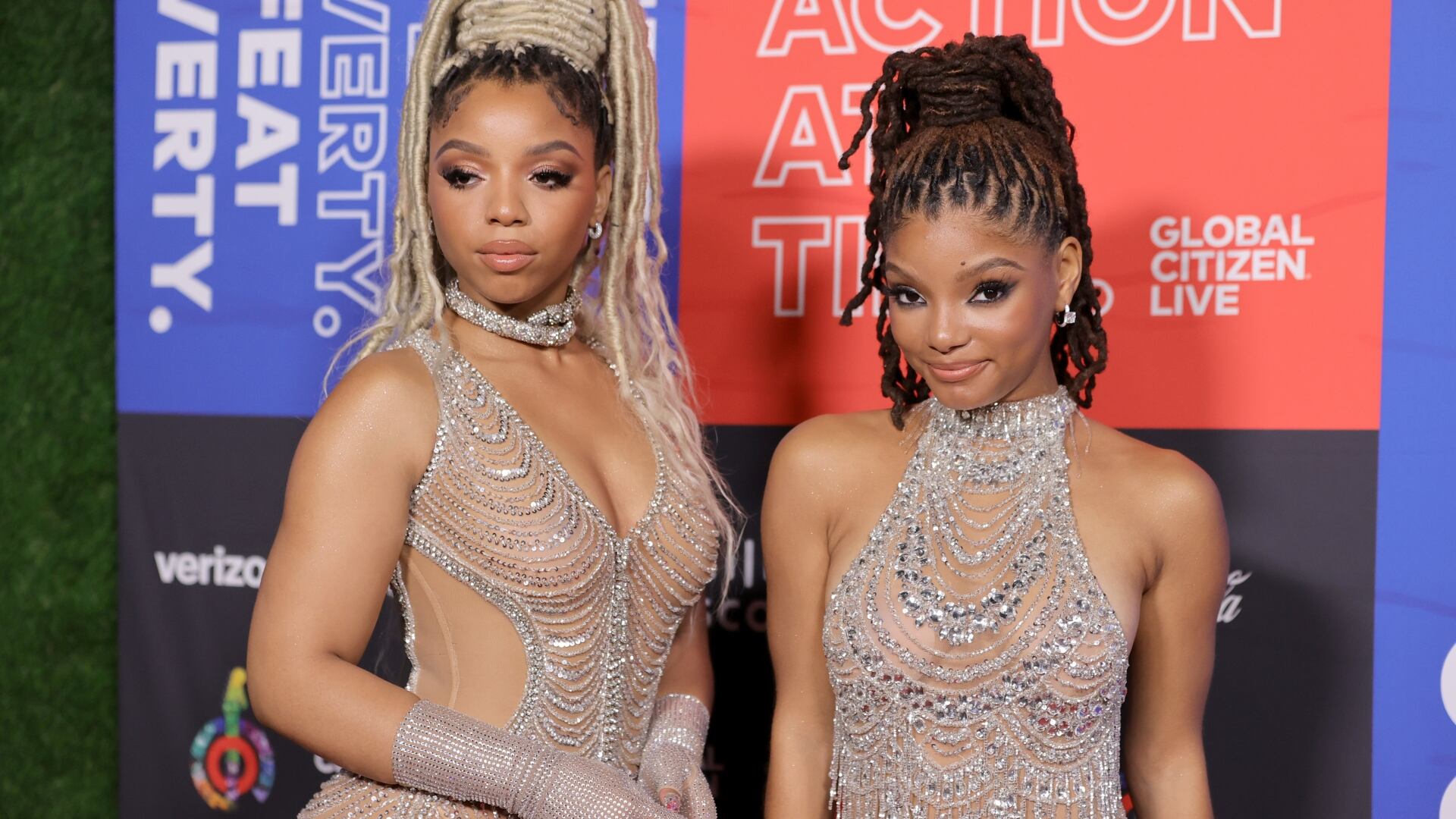
Chloe and Halle Bailey are no strangers to hard work. The sisters got their start performing covers on YouTube and have become a force in the music industry. Since then, the two have spread their wings beyond their duo group to individual projects. Now they're coming together to face off in the LG OLED Ultimate Gaming Showdown. Chloe and Halle join Cheddar News to discuss.
Carlo and Baker wrap up another week discussing the latest explosion in new Covid cases in the Northeast, President Biden's stalled agenda and more. Plus, Love, Hate, Ate featuring the question: why did movie dialogue get so hard to understand?
From extreme cold in Texas to devastating wildfires in California to the recent tornadoes in the Midwest, the U.S. experienced a string of severe weather events in 2021. Cheddar News speaks with climate expert Sweta Chakraborty on how these disasters are linked to climate change.
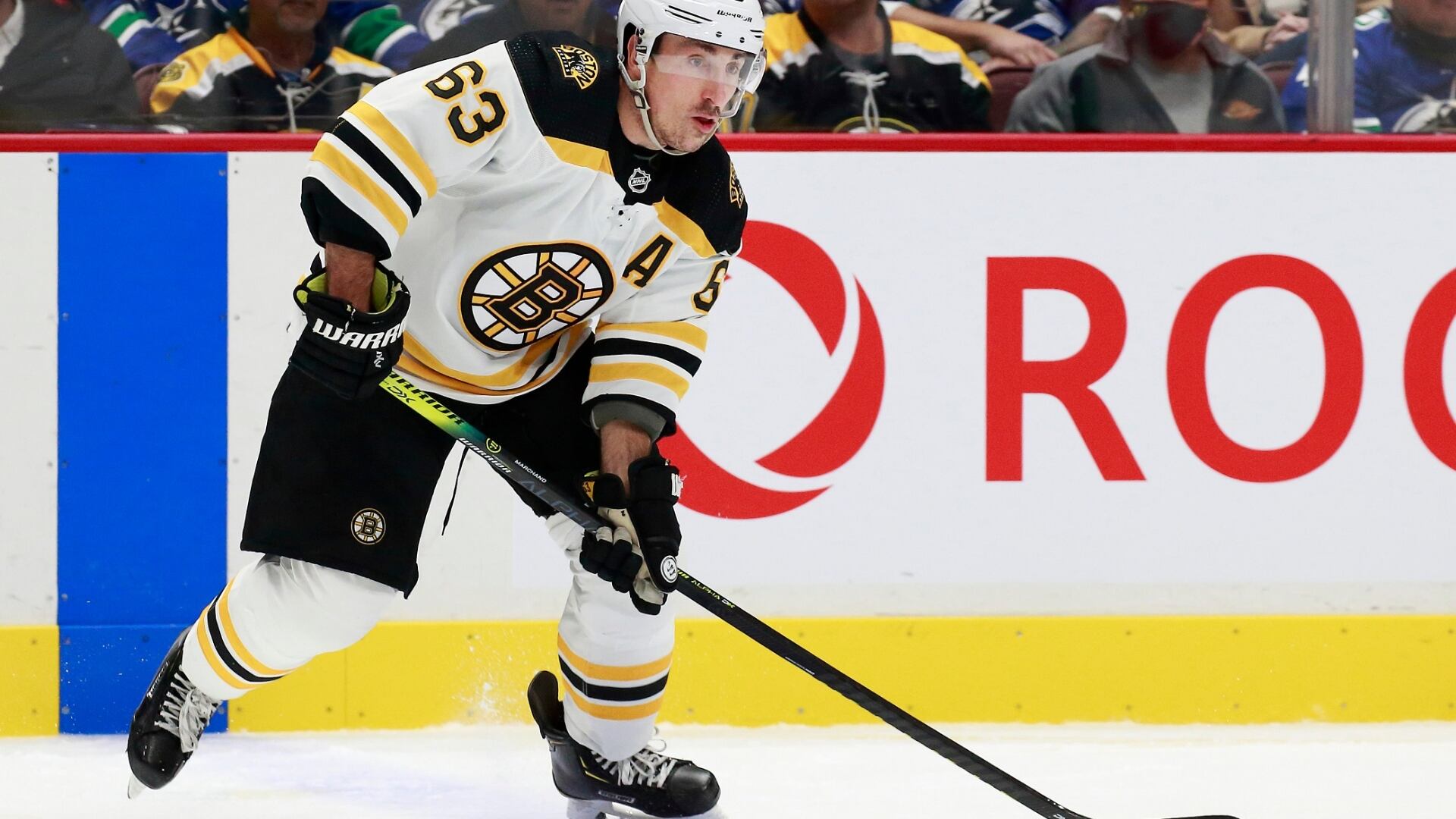
The sports world has been at the forefront of dealing with the pandemic ever since the NBA temporarily halted operations in March 2020 and opted to play in their Florida bubble. As the omicron variant and current COVID surge forces game postponements and player quarantines, how leagues manage to continue operations through the outbreaks could be a sign of what is to come for the general public. Dr. Robby Sikka, chair of the COVID Sports Society Workgroup and a former VP with the Minnesota Timberwolves, joined Cheddar's "Closing Bell" to talk about the ways in which the NBA, NHL, and NFL are innovating amid the disruptions.
According to the CDC, Black women are three to four times more likely to die from pregnancy-related causes than white women. The grim statistic is one of the main reasons why two organizations came together to do something. The Bump and the National Medical Association are partnering to launch The Black Maternal Health hub. The online resource will help expecting mothers feel supported, informed, and empowered throughout pregnancy and the early days of parenting. Jennifer Lee at The Bump and Dr. Rachel Villanueva, a clinical assistant professor of OB/GYN and member of the National Medical Association join Cheddar News to talk about the initiative.
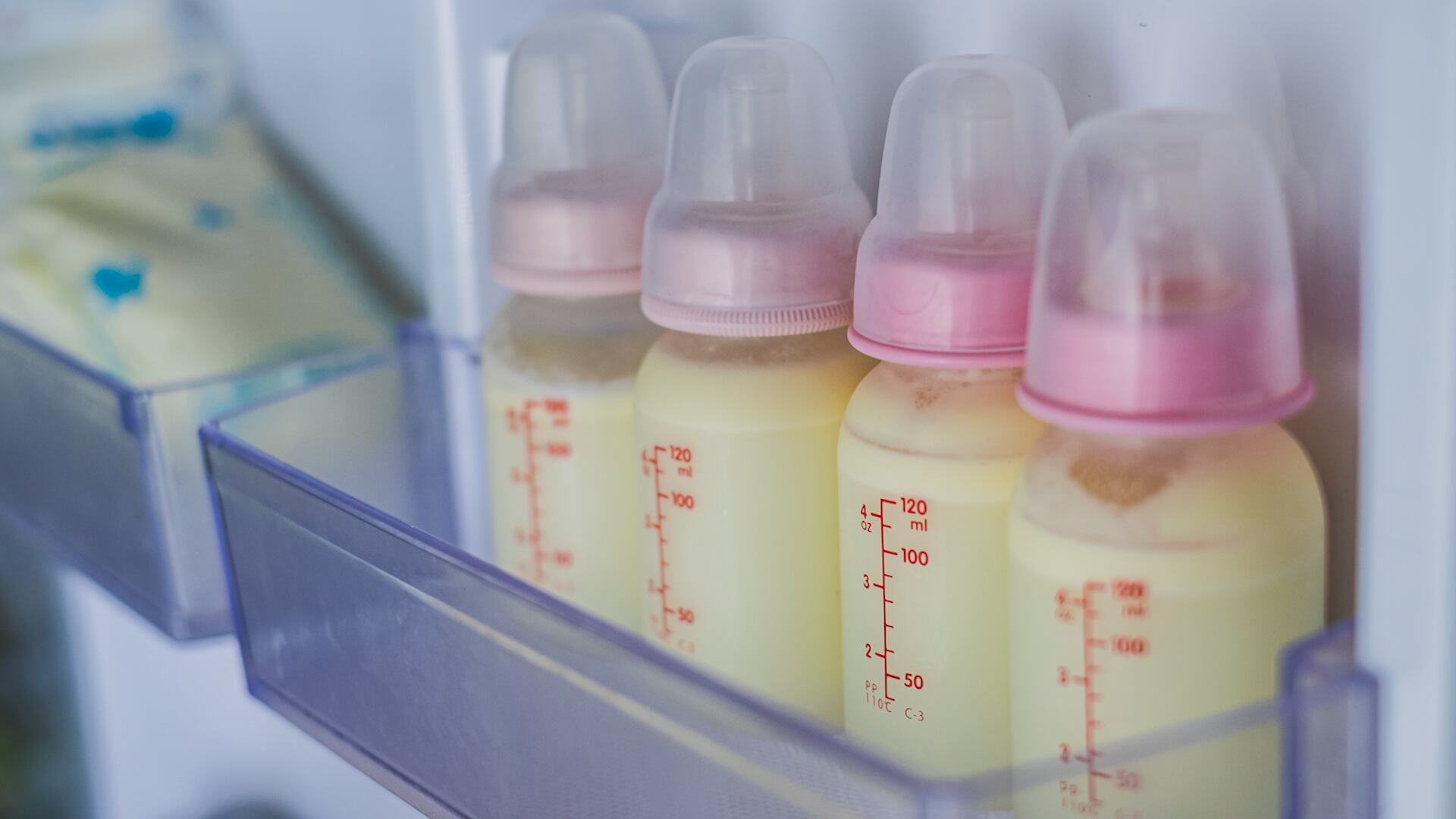
Michelle Egger and Leila Strickland, Co-Founders of Biomilq, join Cheddar Innovates to discuss how their women-led team is recreating the process of milk production outside the body to combine both nutrition and practicality for new moms.
On this episode of Cheddar Innovates: Nucleus CEO breaks down what the future of the genomics industry looks like; Biomilq Co-Founders explains how they are is recreating the process of milk production outside the body to combine both nutrition and practicality for new moms; A look at Curiosity Stream's 'Top Science Stories 2021.'
Kian Sadeghi, Founder and CEO of Nucleus, joins Cheddar Innovates to discuss how he's making genetic analysis more accessible, what our genetic code can teach us about ourselves, and what the future of the genomics industry looks like.
On this episode of Cheddar Innovates: Omorpho Co-Founder explains the innovation driving gravity sportswear; Cool Beans CEO breaks down the science behind 'good mood food;' A look at Curiosity Stream's 'Building The James Webb Telescope.'