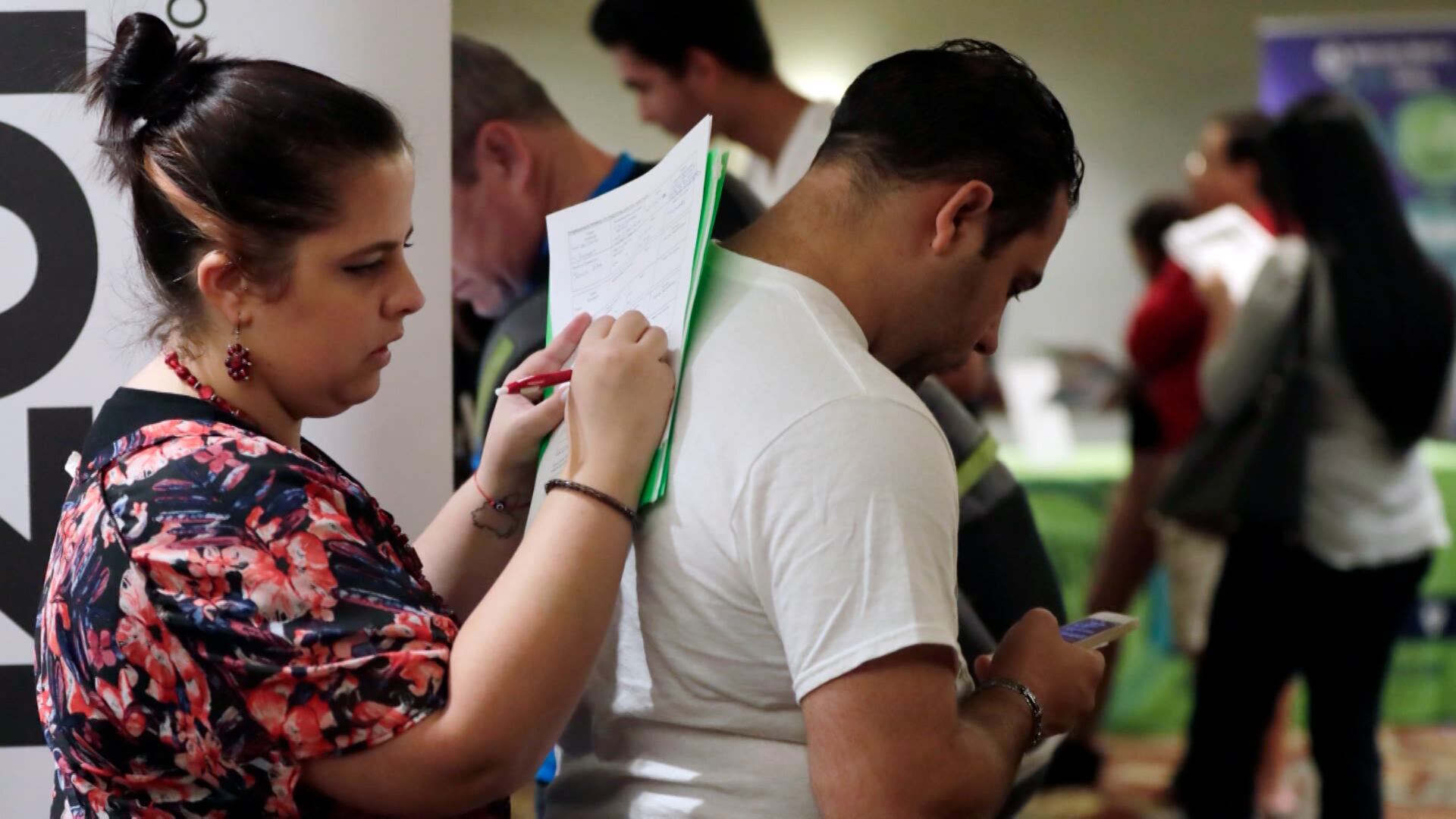
The Biden administration announced Thursday it will automatically erase student loan debt for more than 300,000 Americans with severe disabilities that leave them unable to earn significant incomes.
The move will wipe out more than $5.8 billion in debt, according to the Education Department, and it marks the start of a broader overhaul of a program that has been criticized for having overly burdensome rules.
“We’ve heard loud and clear from borrowers with disabilities and advocates about the need for this change and we are excited to follow through on it,” Education Secretary Miguel Cardona said in a statement.
The federal government offers student debt relief for people who are “totally and permanently disabled” and have limited incomes. But the current rules require them to submit documentation of their disability and undergo a three-year monitoring period to prove they’re earning little pay.
Tens of thousands of people have been dropped from the program and had their loans reinstated simply because they failed to submit proof of their earnings, however, and critics say the complex rules deter some from applying.
Advocates have pressed the Education Department to eliminate the monitoring period entirely and to provide automatic debt relief to people who the Social Security Administration already identifies as permanently disabled.
Under the new action, both demands will be met. Starting in September, the Education Department will start erasing student debt for 323,000 Americans identified in Social Security records as being permanently disabled.
Borrowers will be notified once they have been approved for relief. All of the loans are expected to be discharged by the end of the year.
The department also plans to eliminate the program’s three-year monitoring period, which was previously suspended during the pandemic. That change is expected to be cemented during a federal rulemaking process set to start in October, the agency said.
“This is going to be a smooth process for our borrowers,” Cardona said in a call with reporters. “They’re not going to have to be applying for it or getting bogged down by paperwork.”
Advocates celebrated the change as a victory. Aaron Ament, president of the National Student Legal Defense Network, called it a “life-changing” step.
“This is a huge moment for hundreds of thousands of borrowers with disabilities who can now move on with their lives and won’t be trapped in a cycle of debt,” he said.
Democrats in Congress said it was the right move. Rep. Bobby Scott, D-Va., chairman of the House Education and Labor Committee, said borrowers shouldn't face paperwork and other administrative hurdles if the federal government already knows they're eligible for loan forgiveness.
“With this simple and sensible change, more than 320,000 borrowers and their families are being freed from the burden of student loans that they should not have to repay,” Scott said in a statement.
The program has faced scrutiny since 2016, when a federal watchdog agency found that the income reporting process posed an obstacle for borrowers. In 98% of cases in which loans were restored, it was because borrowers did not submit paperwork, not because their earnings were too high, the U.S. Government Accountability Office reported.
The Trump administration started granting automatic loan cancellations to eligible military veterans in 2019, but the move did not apply to hundreds of thousands of other Americans with disabilities.
In March, the Education Department canceled debt for more than 40,000 borrowers whose debt had been restored because of paperwork issues, but it indicated further changes would need to come through a federal rulemaking process.
Cardona announced the change as the White House faces mounting pressure to pursue wider debt forgiveness.
Democrats including Senate Majority Leader Chuck Schumer, N.Y., and Sen. Elizabeth Warren, Mass., have called on Biden to erase $50,000 in student debt for all borrowers as a way to jumpstart the economy.
Biden has asked the Education and Justice departments to assess the legality of mass debt cancellation. Cardona said Thursday that those conversations are “still underway.” Meanwhile, he said, his agency is working to improve other debt forgiveness programs that target specific groups of borrowers.
“It’s an effort to show that we are working to improve targeted loan relief and help our borrowers,” he said.
Dr. Nasia Safdar, Doctor at UW Madison, joined Wake Up With Cheddar to discuss the implications of Merck sharing its antiviral pill, which has been shown in early trials to cut hospitalizations and deaths by half, with poorer nations around the globe.
The Federal Reserve finally announced its taper plan on Wednesday saying that it planned to scale back on bond purchases as growth slows, and would not rush to raise interest rates. Ross Mayfield, Investment Strategy Analyst at Baird spoke on whether or not a decrease in inflation could be in the country’s future amidst comments made by Fed chairman Jerome Powell. Baird also broke down ADP jobs numbers ahead of the Labor Department's October jobs report.
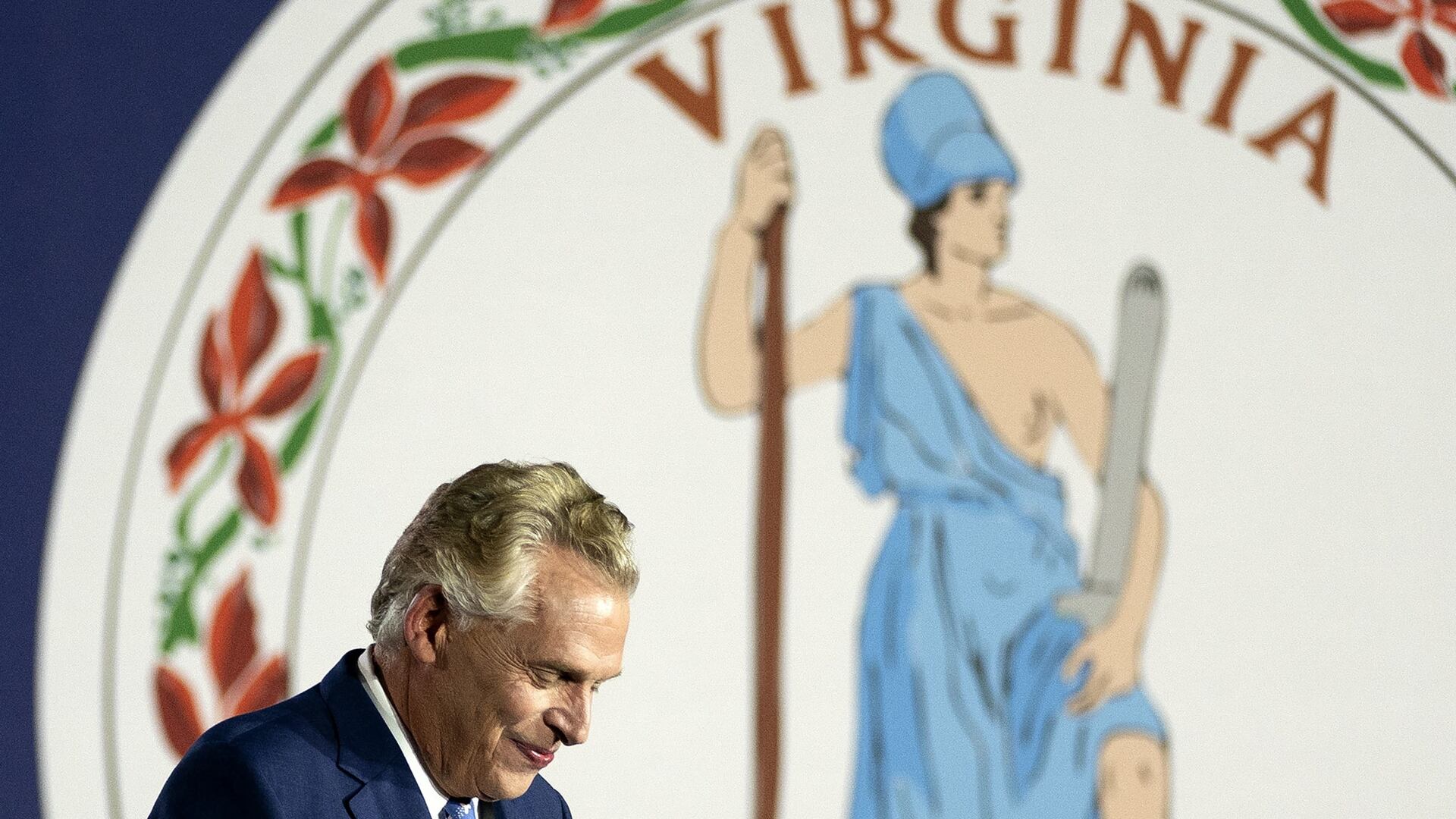
Going into election day on Tuesday, many of us had an inkling it might not be a great day for Democrats. History tells us the president's party tends to lose congressional seats, governorships and state legislature seats in off-year and midterm elections. Tuesday turned out to be a big wake-up call for democrats. Not only did Terry McAuliffe lose in the Virginia governor's race, Gov. Phil Murphy won re-election by an incredibly slim margin. Both races saw continued Democratic losses in rural areas and a shift of suburban voters back to the GOP. Liz Landers, chief political correspondent at Vice News, joins Cheddar Politics to discuss.
Week one of UN climate summit is coming to an end, world leaders made a number of promises to save the planet. President Biden attended the first two days of the meeting.
Alan Neuhauser, vice president of Silverline Communications, joined Cheddar Politics to talk more about the pledges that came out from the summit and their significance.
It's been a busy week for the Supreme Court. It heard arguments on three of the most watched cases in the docket for this term. The court heard arguments in two cases challenging the Texas abortion law on Monday - one filed by abortion providers and the other by the justice department. Instead of weighing in on the constitutionality of the matter itself, justices focused on the unusual structure of the law that enables citizens to enforce the law, not the state government.
On Wednesday, the court heard arguments in the biggest Second Amendment case in more than a decade. The dispute is over a New York gun law that requires people seeking a license to carry a handgun in public to show a "proper cause." The challengers in this case claim the law inhibits their constitutional Second Amendment rights.
Amy Howe, co-founder of SCOTUSBlog, joined Cheddar Politics to break the cases down.
This is the first installment of Cheddar Changemakers, where we spotlight young activists making a difference in the world and speaking up on issues regarding mental health, voting, and climate change.
Republicans are considered, and often act like, the party opposed to action on climate change. They've made a point of fighting even modest regulations on businesses related to stemming the worst effects of climate change. But Republicans aren't a monolith on climate change, and our next guest reminds us that "conservation" and "conservative" have the same word root.
Quill Robinson, VP of government affairs at the American Conservation Coalition, joins Cheddar Politics to discuss.
The mayor of Portland, Oregon, Ted Wheeler joined Cheddar News Wrap to discuss his plans to get an increase in the city's police budget for more personnel, changes to public safety response, and more body cameras. The Democratic mayor addressed the growth in violent crimes amid the pandemic, but noted the need for officers who take their roles seriously. We want officers who understand that policing is an important responsibility, it's a high calling," he said. "We also want a police bureau that is accountable and responsible to the public it serves."
More American tech companies continue to pull their businesses out of China as the Communist Party cracks down on firms — both foreign and domestic. Yahoo and Fortnite have become the latest companies to withdraw from the country, and the withdrawals come just days after Microsoft announced it would take LinkedIn offline. Shehzad Qazi, managing director at China Beige Book International, joined Cheddar to provide some insight into how the crackdowns in China would also impact the tech companies at home in the United States.