Number 2023, cash dollar banknotes and stock market indicators (money, economy, business, finance, inflation, crisis)
The U.S. economy grew at a lackluster 1.3% annual rate from January through March as businesses wary of an economic slowdown trimmed their inventories, the government said Thursday, a slight upgrade from its initial estimate.
The government had previously estimated that the economy grew at a 1.1% annual rate last quarter.
The Commerce Department's revised measure of growth in the nation's gross domestic product — the economy’s total output of goods and services — marked a deceleration from the second half of 2022.
Despite the first-quarter slowdown, consumer spending, which accounts for around 70% of America's economic output, rose at a healthy pace.
With mortgage rates having doubled over the past year, the real estate market has already taken a beating: Investment in housing fell from January through March. In April, sales of existing homes were 23% below their level a year earlier.
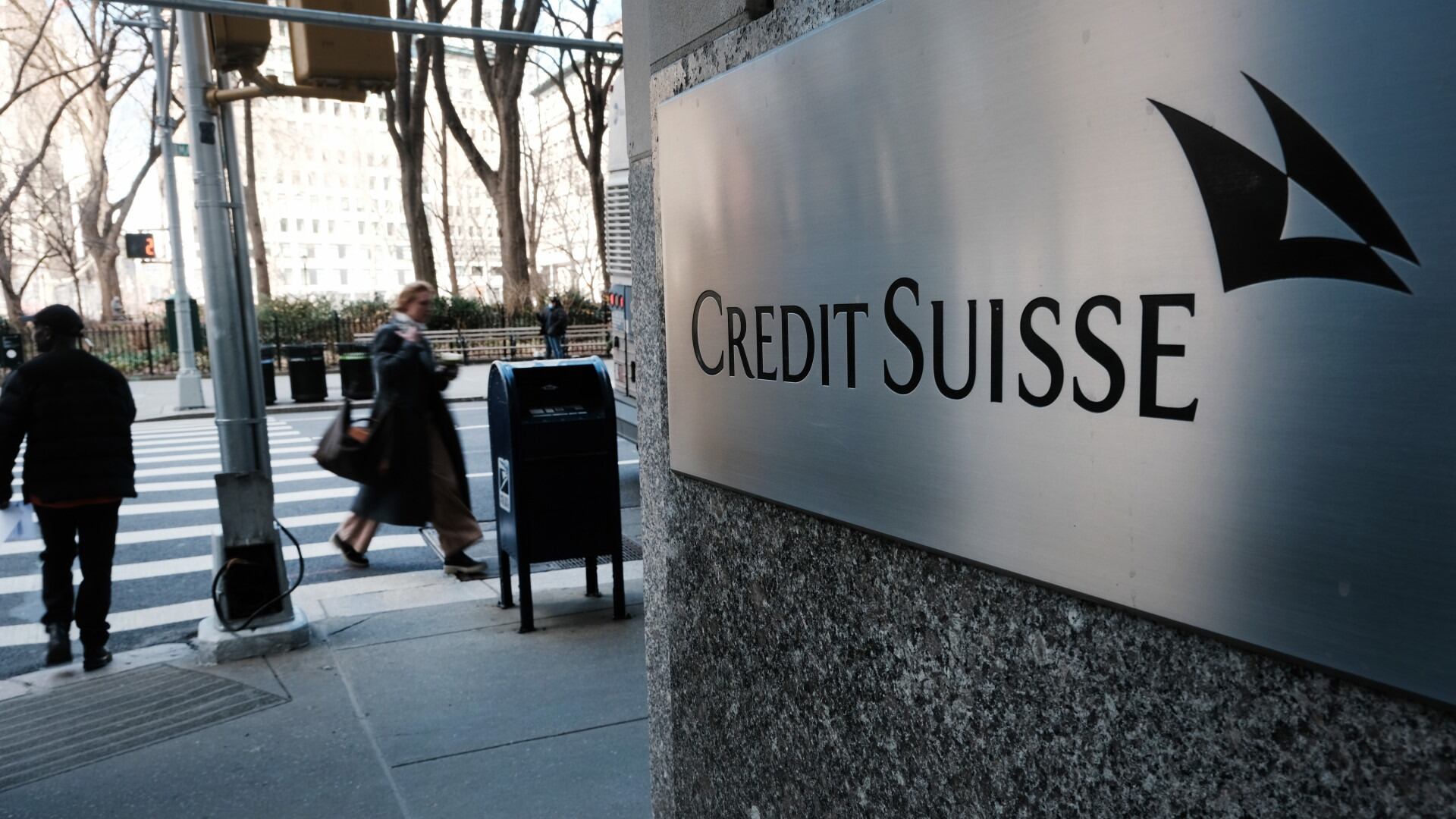
Credit Suisse saw its shares stabilize after the Swiss National Bank approved a loan of nearly $54 million for the company. A top investor notified Credit Suisse on Wednesday that it wouldn't be able to provide further assistance to the lender.
Cheddar News breaks down what surge pricing is and how it works as a variety of businesses are taking notes from models long used by airlines and ridesharing companies to boost profits.
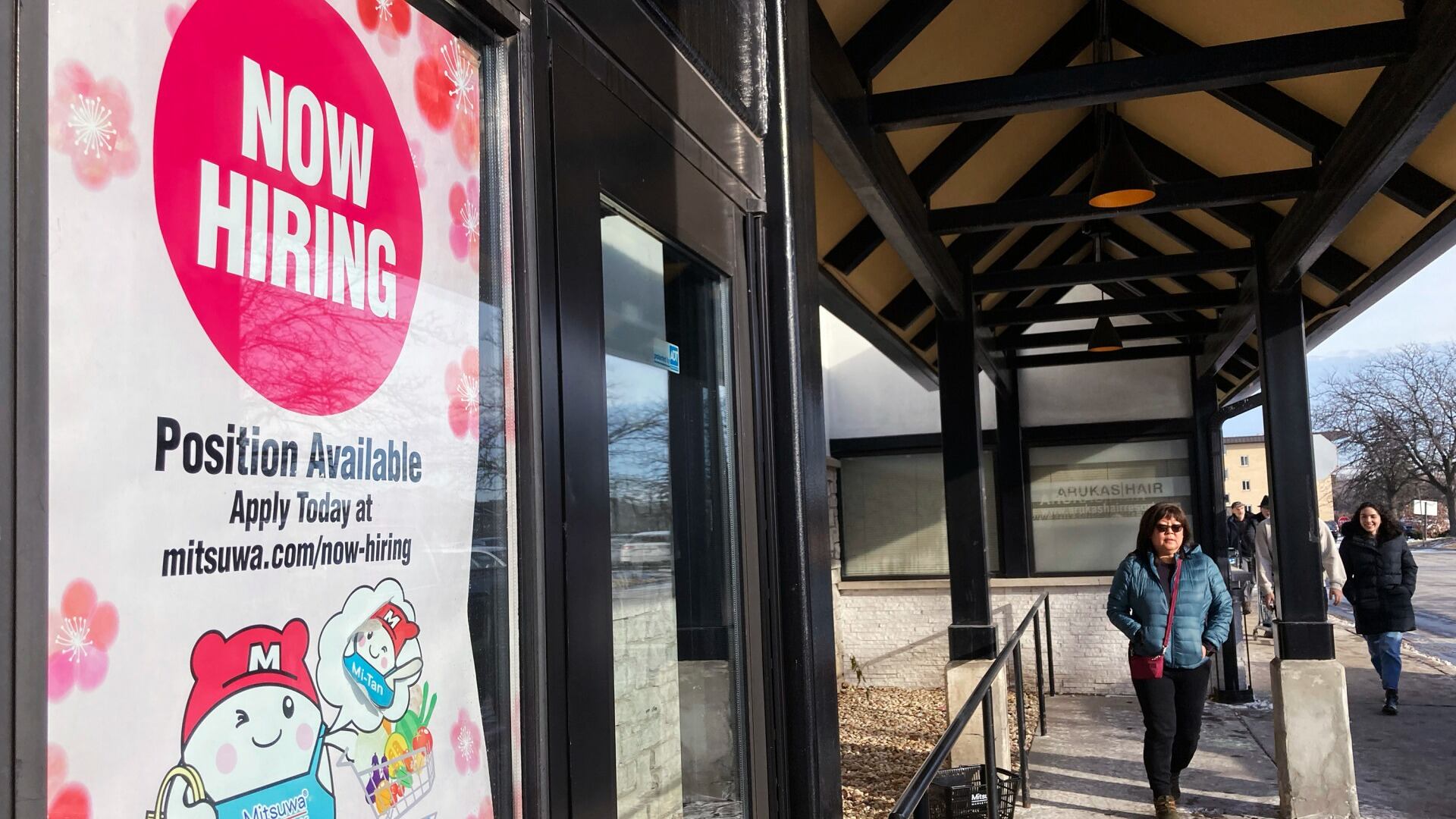
Fewer Americans applied for jobless claims last week as the labor market continues to thrive despite the Federal Reserve's efforts to cool the economy and tamp down inflation.
Stocks rallied after a group of big banks offered a lifeline to the bank Wall Street had zeroed in on in its hunt for the next victim in the industry’s struggles.
The Federal Reserve on Wednesday evening said its long-awaited digital payment system, the FedNow Service, will start operating in July. The service is designed to provide a national platform for financial institutions to settle payments in real-time and at lower cost. That could include large banks, payment processors, and the U.S. Treasury.
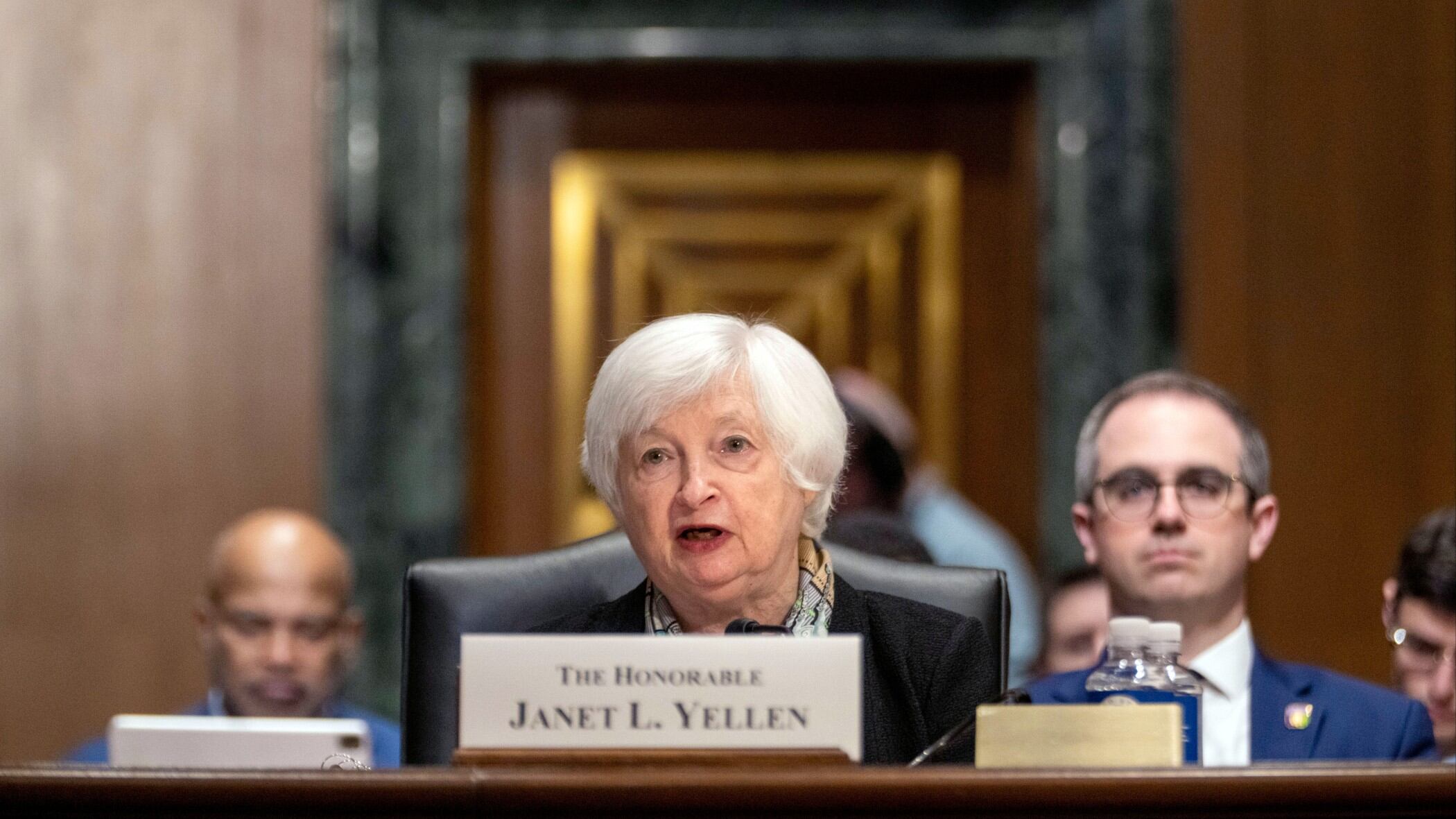
A week after the second-largest bank collapse in U.S. history, Treasury Secretary Janet Yellen is set to tell the Senate Finance Committee that the nation's banking system “remains sound” and Americans "can feel confident” about their deposits.