Number 2023, cash dollar banknotes and stock market indicators (money, economy, business, finance, inflation, crisis)
The U.S. economy grew at a lackluster 1.3% annual rate from January through March as businesses wary of an economic slowdown trimmed their inventories, the government said Thursday, a slight upgrade from its initial estimate.
The government had previously estimated that the economy grew at a 1.1% annual rate last quarter.
The Commerce Department's revised measure of growth in the nation's gross domestic product — the economy’s total output of goods and services — marked a deceleration from the second half of 2022.
Despite the first-quarter slowdown, consumer spending, which accounts for around 70% of America's economic output, rose at a healthy pace.
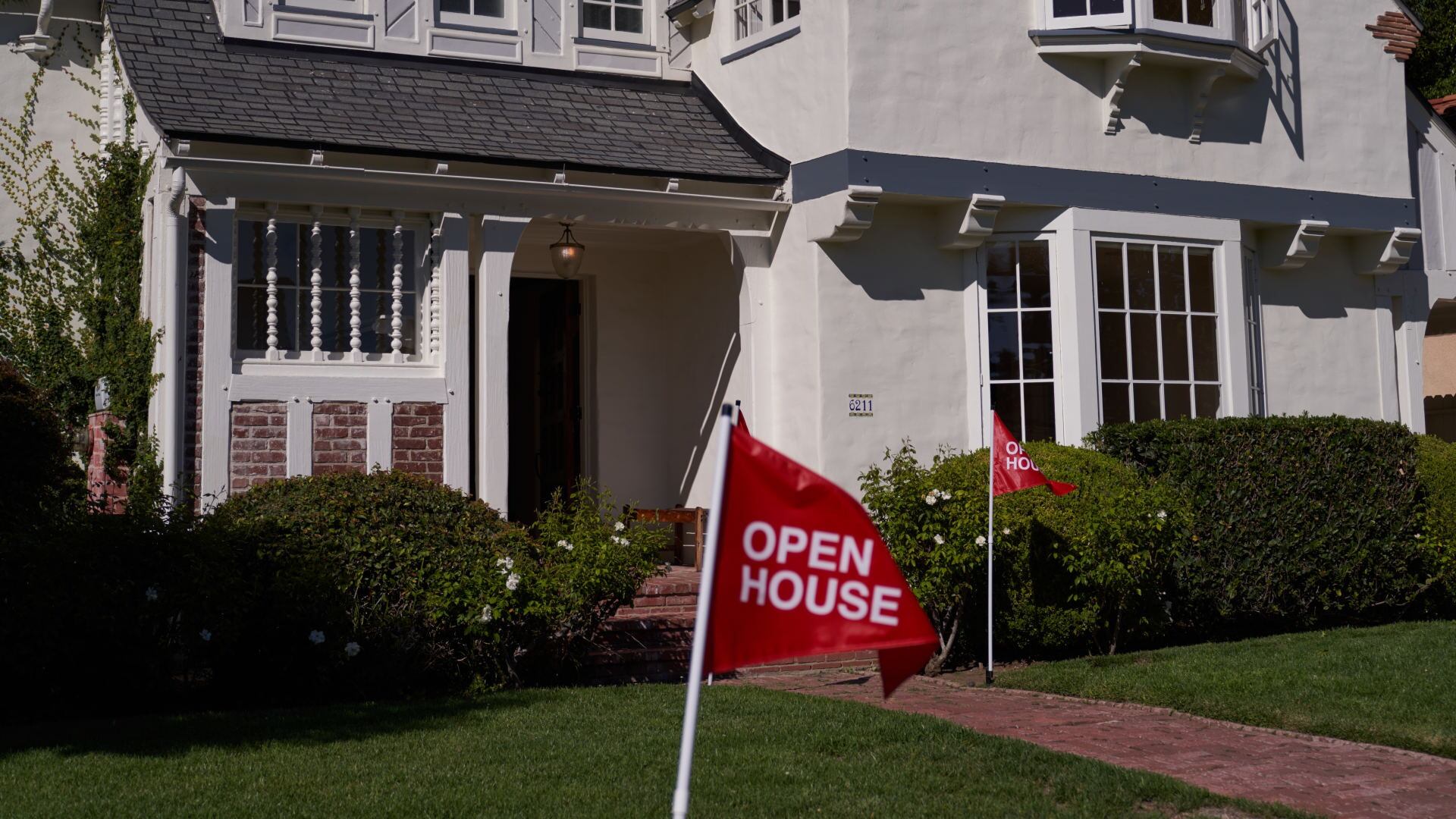
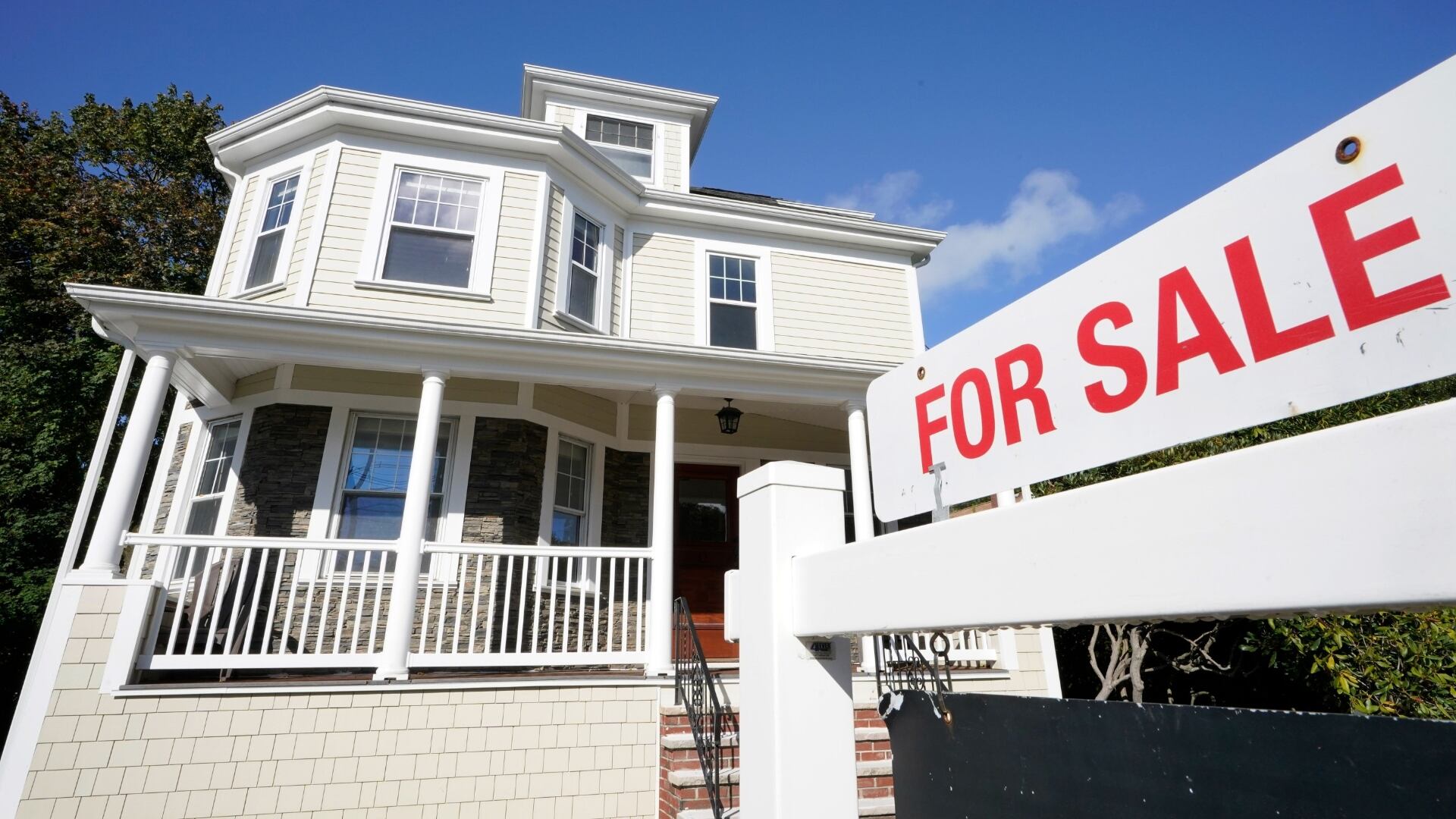
With mortgage rates having doubled over the past year, the real estate market has already taken a beating: Investment in housing fell from January through March. In April, sales of existing homes were 23% below their level a year earlier.
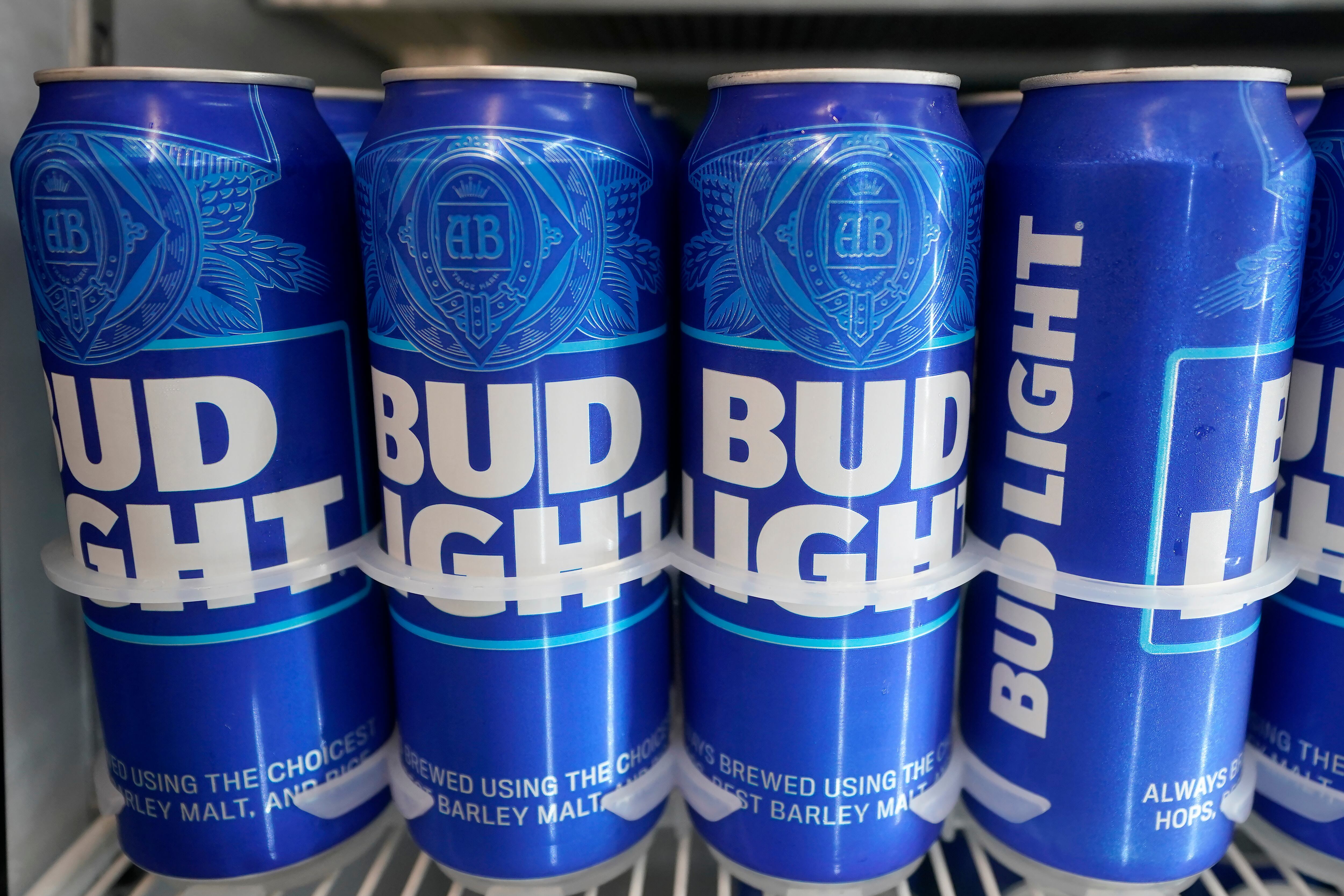
Bud Light's parent company expressed confidence Thursday that its U.S. market share has stabilized after a promotion with a transgender influencer cost it sales.
Earnings kicked off into high gear as Anheuser-Busch posted results on Thursday as Apple and Amazon are set to announce their financials later in the day.
Investors weren't jolted by the downgrade because they already know the fractured state of U.S. politics, the size of the country's public debt, and the challenges it faces to pay for Social Security, Medicare and other expenses.
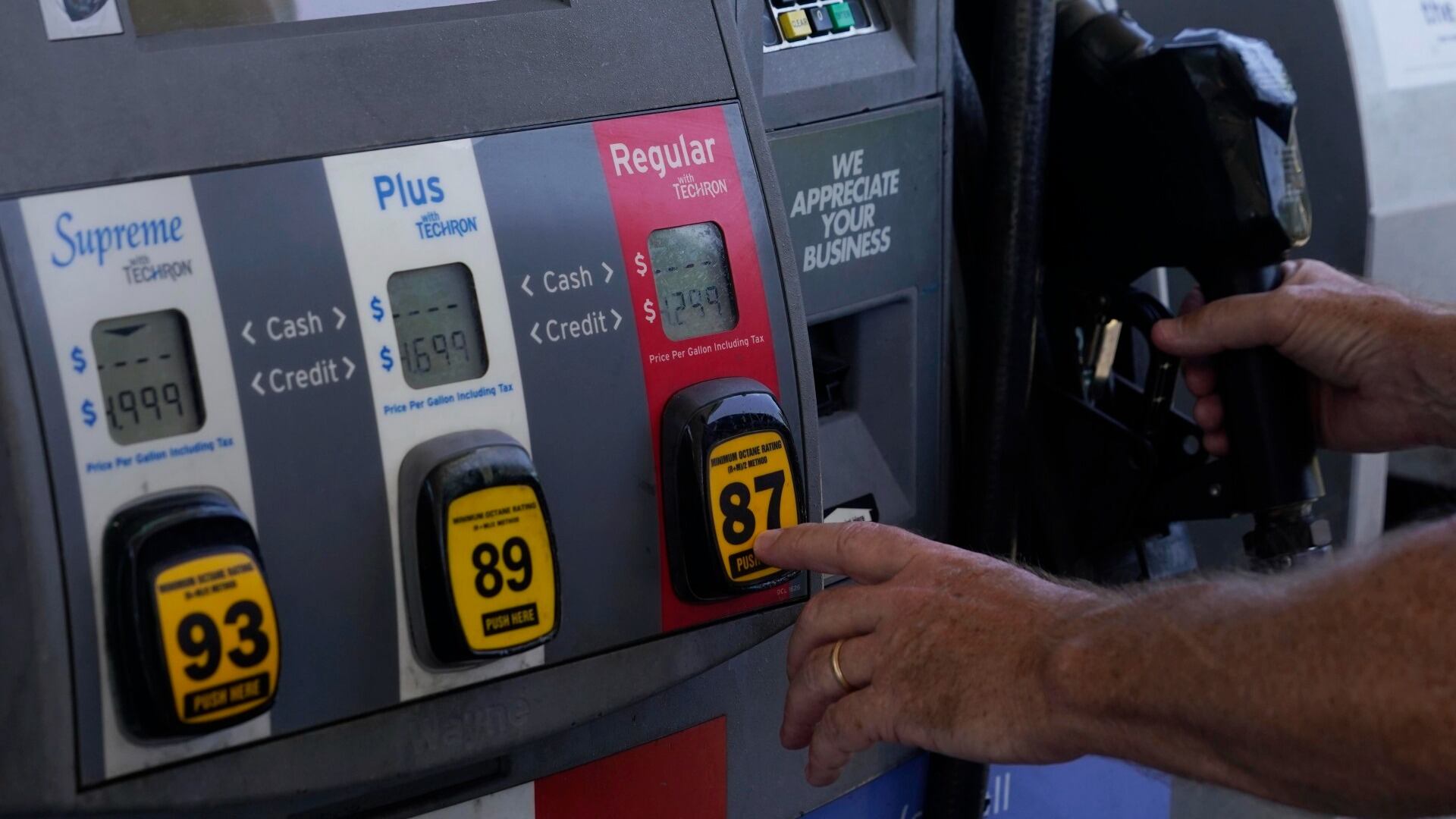
The national average for gas prices stood at about $3.78 a gallon on Tuesday — about 25 cents higher than that seen one month ago, according to motor club AAA. While today's prices at the pump remain far lower than they were last year, when energy costs soared worldwide in the months following Russia's invasion of Ukraine, experts say such a jump is unusual.