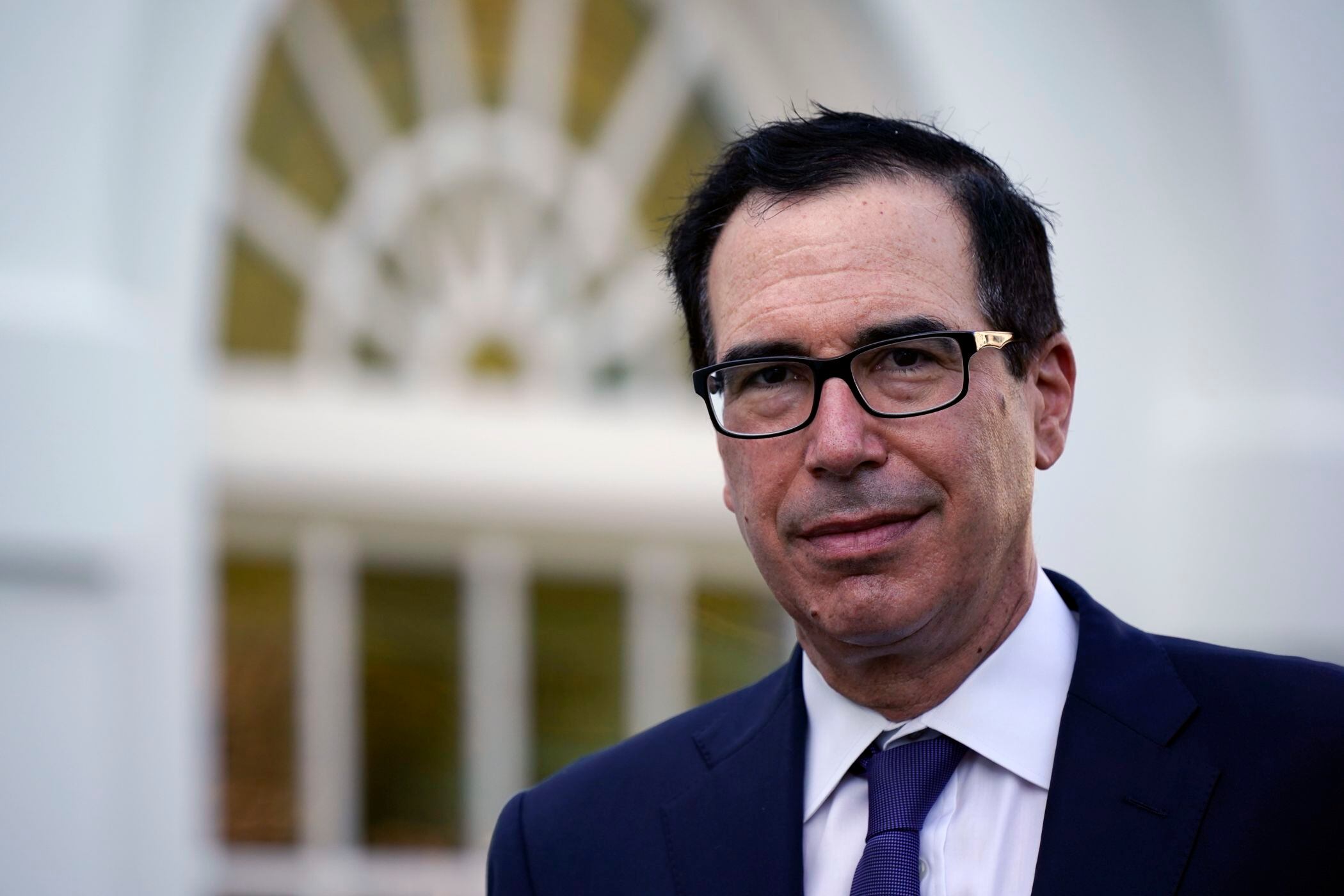
This Aug. 24, 2020 file photo shows Treasury Secretary Stephen Mnuchin at the White House in Washington. The U.S. government’s deficit in the first three months of the budget year was a record-breaking $572.9 billion. The Treasury Department reported Wednesday, Jan. 13, 2021 that with three months gone in the budget year, the deficit was $216.3 billion higher than the same October-December period a year ago. (AP Photo/J. Scott Applewhite, File)
By Martin Crutsinger
The U.S. government's deficit in the first three months of the budget year was a record-breaking $572.9 billion, 60.7% higher than the same period a year ago, as spending to deal with the COVID-19 pandemic surged while revenue declined.
The Treasury Department reported Wednesday that three months into the budget year, the deficit was $216.3 billion higher than the same October-December period a year ago.
The deficit reflects an 18.3% jump in outlays to $1.38 trillion, a record for the period, while revenues fell 0.4% to $803.37 billion. The red ink results from the difference between revenue collections and outlays.
For just the month of December, the deficit totaled a record $143.6 billion.
The shortfall for the 2020 budget year, which ended Sept. 30, climbed to an all-time high of $3.1 trillion. Beginning in the spring, Congress passed trillion-dollar-plus spending measures to combat the harm being done to the economy from a pandemic-induced downturn.
The recession, which has seen millions of Americans lose their jobs, has also meant a drop in tax revenues at a time when the demand on government support programs such as unemployment benefits and food stamps has risen.
The report showed that outlays in December were a record $489.7 billion, while receipts were $346.1 billion.
The spending figure did not include the $900 billion relief package Congress finally passed after months of wrangling because it was not signed into law until the end of the month. President Donald Trump delayed signing the bill, which he called a “disgrace,” because it included only $600 in direct payments to individuals.
President-elect Joe Biden has endorsed boosting the direct payments by another $1,400. He has said that higher amount will be included in another round of relief payments he will ask Congress to approve once he takes office on Jan. 20.
In addition to direct payments, the December relief bill extended two special unemployment benefit programs aimed at cushioning the pandemic’s blow. The unemployment benefits have totaled $80 billion from October through December, up from $5 billion during the same period in the last budget year.
The Congressional Budget Office has forecast that this year's deficit will total $1.8 trillion and the deficit will remain above $1 trillion each year though 2030. The CBO forecast for this year was made before the December relief package was passed and also does not take into account any extra spending that Congress may pass after Biden takes office.
Updated on January 13, 2021, at 3:28 p.m. ET with the latest information.
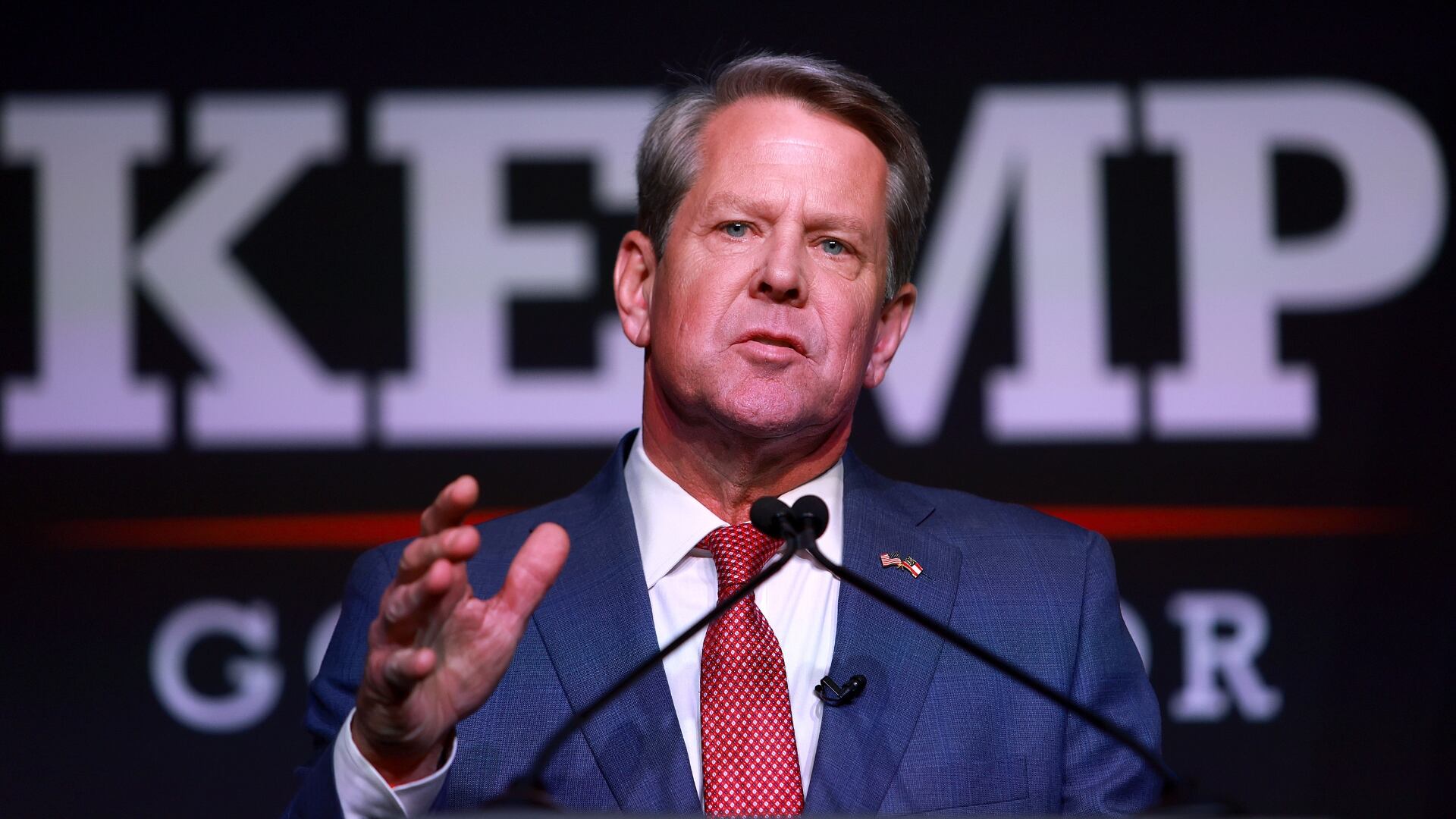
Cheddar Politics takes a deeper look at the takeaways from the Georgia primary elections on Tuesday. Georgia Public Broadcasting's local and state politics reporter, Stephen Fowler, joins us to discuss the limits of Trump endorsements and break down what the outcome in each race means.
After learning that the suspect in the Uvalde school shooting posted about his intentions on Facebook, activists are urging social networks to make changes. Lena Derhally, a licensed psychotherapist and author of "The Facebook Narcissist," joined Cheddar News to discuss the role social media plays in school shootings. "They're not really invested in taking down hateful content," she said about social platforms."In regards to the shooting, it was 15 minutes before that actual threat. It would be pretty hard for a social media company to trace that threat that quickly. But what they can do better is take down threats and hateful content much faster and more than they're doing now."
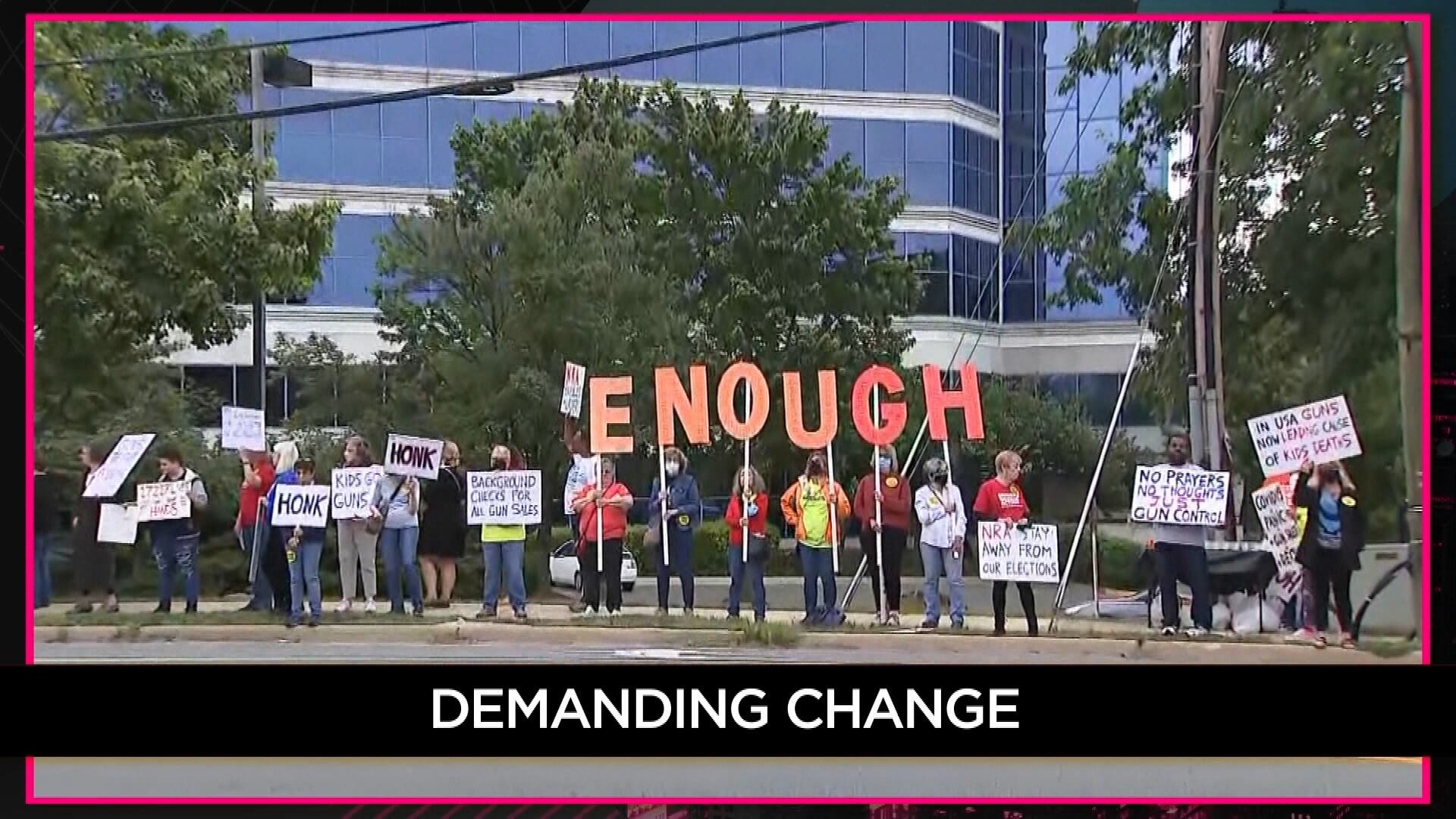
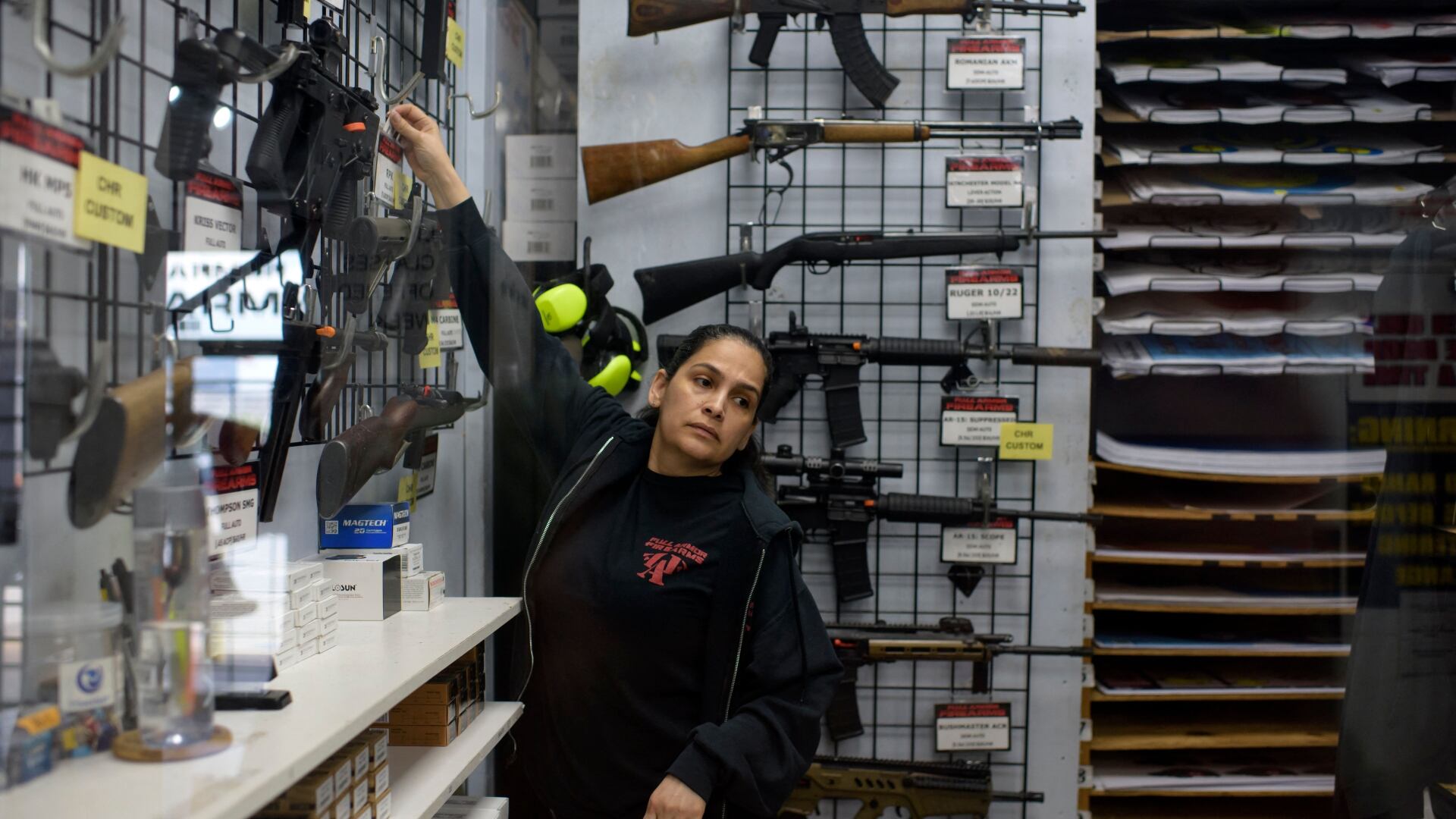
Following the mass shooting at the Robb Elementary School in Uvalde, Texas, that left 19 children and two adults dead, the debate over gun control has been reignited. While studies have shows most Americans agree on some additional regulations, there hasn't been much legislative traction even as gun violence worsens in the country. Brian Lemek, the executive director of Defend The Vote and the former executive director at Brady PAC for gun control, joined Cheddar to discuss reform efforts. "The lawmakers that we have aren't passing these at the federal level," he said. "That's the problem. We have the wrong people in charge."
The crypto industry is still reeling from Terra's recent crash. The company's blockchain was temporarily halted earlier this month after the collapse of its cryptocurrency Luna (LUNA) and its stablecoin TerraUSD (UST), which led to almost $45 billion being wiped from the tokens' market caps within a week. Now, many are left wondering what Terra's struggles mean for the broader crypto market. Reeve Collins, CEO of the NFT platform BLOCKv, joins Cheddar News' Closing Bell from Davos 2022 to discuss.
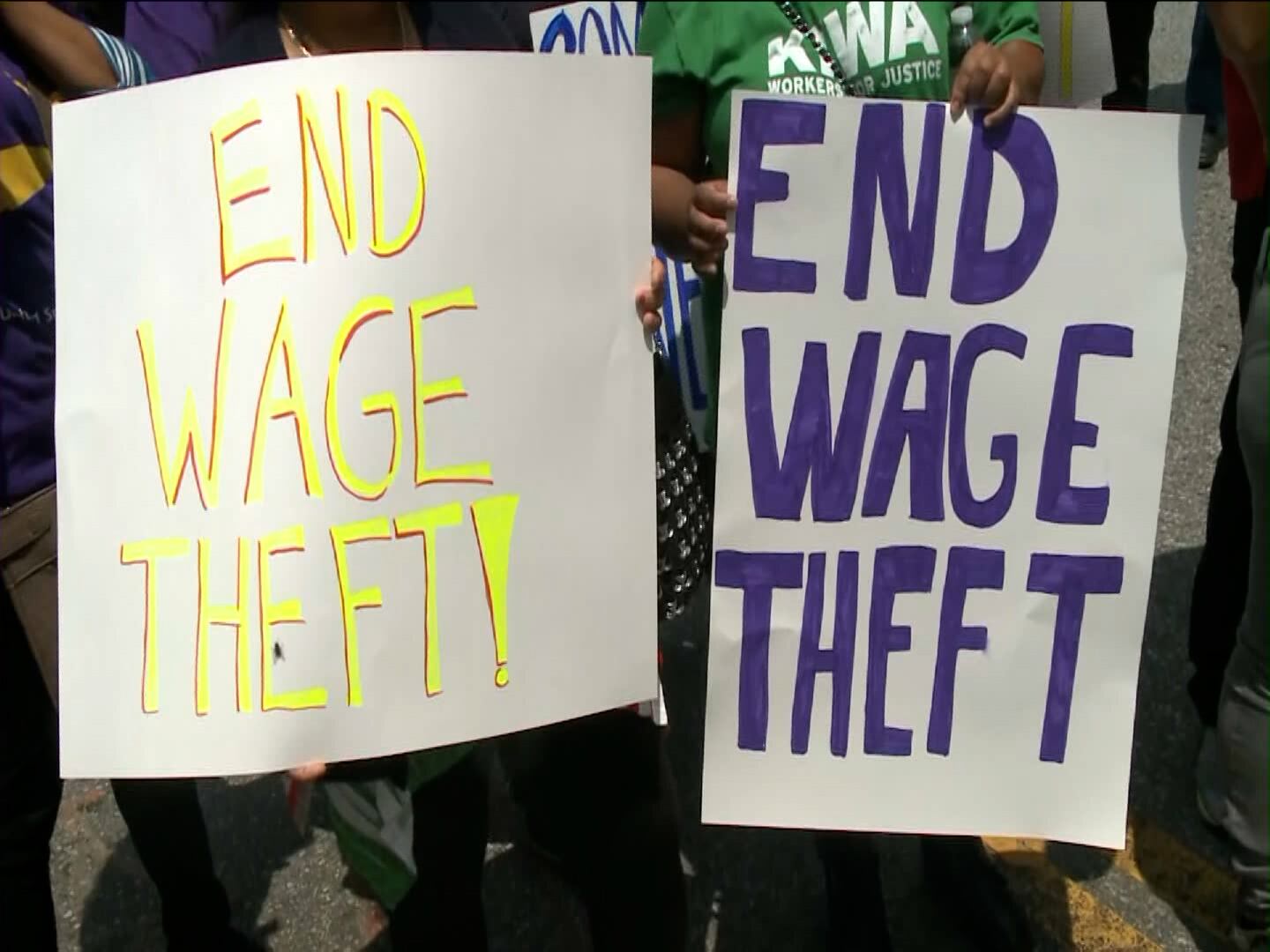
The average city in California has a 38% higher cost of living than the average American city, according to a cost of living index. For many, the general minimum wage of $15/hour just doesn't cut it. Anti-poverty activist Joe Sanberg wants to get the minimum wage changed to $18/hour. He joins Cheddar News to discuss the Living Wage Act of 2022.