President Joe Biden said Monday that the U.S. will share an additional 20 million doses of COVID-19 vaccines with the world in the coming six weeks as domestic demand for shots drops and global disparities in distribution have grown more evident.
The doses will come from existing production of Pfizer, Moderna or Johnson & Johnson vaccine stocks, marking the first time that U.S.-controlled doses of vaccines authorized for use in the country will be shared overseas. It will boost the global vaccine sharing commitment from the U.S. to 80 million.
“We know America will never be fully safe until the pandemic that’s raging globally is under control," Biden said at the White House.
The announcement comes on top of the Biden's administration’s prior commitment to share about 60 million doses of the AstraZeneca vaccine, which is not yet authorized for use in the U.S., by the end of June. The AstraZeneca doses will be available to ship once they clear a safety review by the Food and Drug Administration.
Biden also tapped COVID-19 coordinator Jeff Zients to lead the administration's efforts to share doses with the world.
“Our nation’s going to be the arsenal of vaccines for the rest of the world," Biden said. He added that, compared to other countries like Russia and China that have sought to leverage their domestically produced doses, “we will not use our vaccines to secure favors from other countries.”
The Biden administration hasn't yet said how the new commitment of vaccines will be shared or which countries will receive them.
To date, the U.S. has shared about 4.5 million doses of AstraZeneca vaccine with Canada and Mexico. Additional doses of the Pfizer vaccine manufactured in the U.S. have begun to be exported as the company has met its initial contract commitments to the federal government.
The U.S. has faced growing pressure to share more of its vaccine stockpile with the world as interest in vaccines has waned domestically.
“While wealthy countries continue ramping up vaccinations, less than 1 percent of COVID-19 vaccine doses globally have been administered to people in low-income countries," said Tom Hart the acting CEO of the ONE Campaign. “The sooner the US and other wealthy countries develop a coordinated strategy for sharing vaccine doses with the world’s most vulnerable, the faster we will end the global pandemic for all.”
More than 157 million Americans have received at least one dose of a COVID-19 vaccine, and 123 million are full vaccinated against the virus. Biden hopes the U.S. will have 160 million people fully vaccinated by July Fourth.
Globally, more than 3.3 million people are confirmed to have died from the coronavirus. The U.S. has seen the largest confirmed loss of life from COVID-19, at more than 586,000 people.
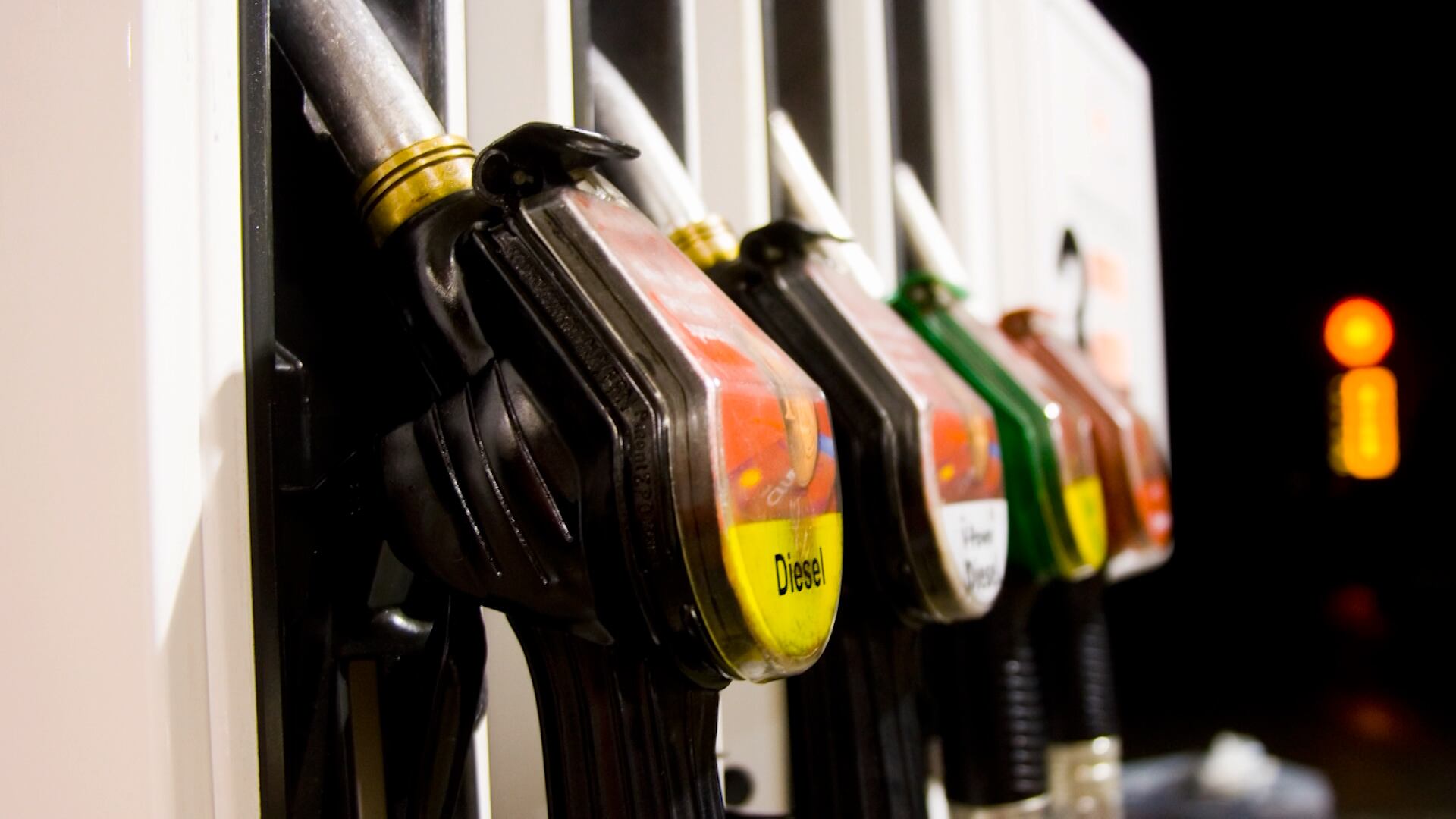
Americans continue to feel the pain at the pump as a result of Russia’s invasion of Ukraine. Patrick DeHaan, head of petroleum analysis at GasBuddy, joined Cheddar News to discuss how prices are being affected by the war and how much worse it could potentially get for drivers. "It's obviously a fluid situation. In one field today, I might feel differently in a half hour. But for now, I think we could see the national average realistically go somewhere into the mid $4 range, maybe $4.40 to $4.65 based on what we're seeing," he said.
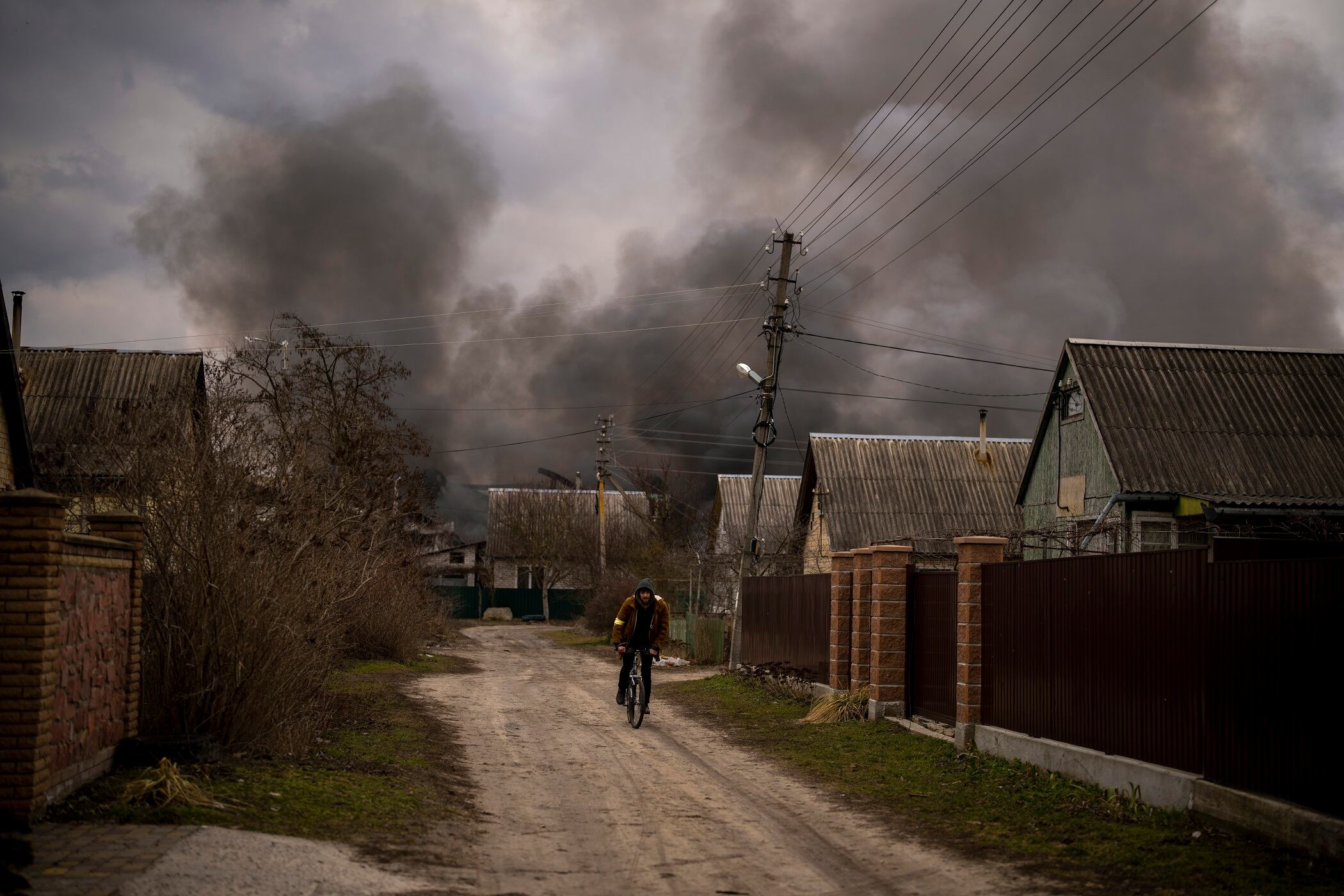
Russia’s invasion of Ukraine has entered its 12th day following what Ukrainian authorities described as increased shelling of encircled cities and another failed attempt to evacuate civilians from the port city of Mariupol.
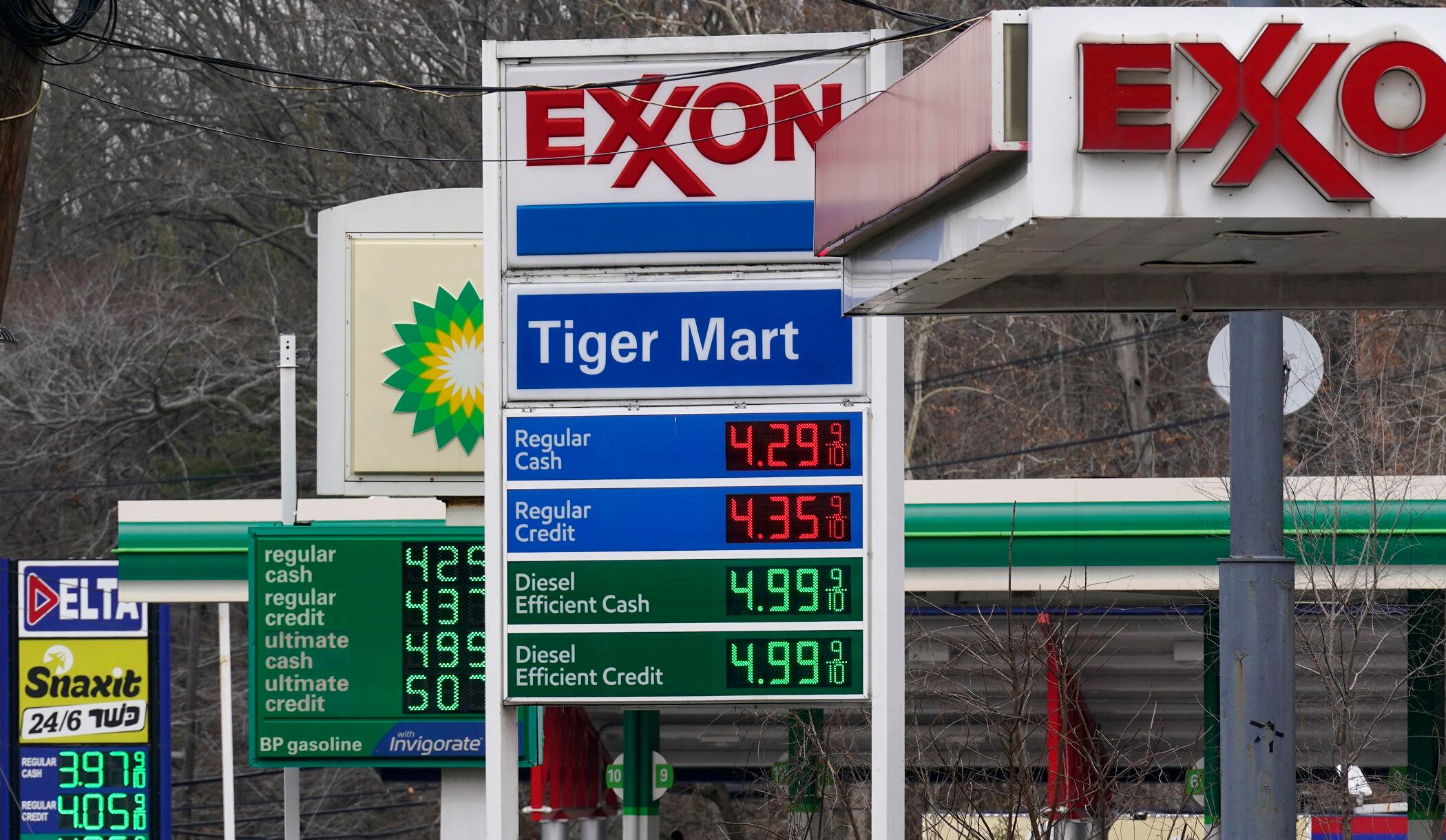
Gasoline prices are pushing even farther above $4 a gallon, the highest price that American motorists have faced since July 2008, as calls grow to ban imports of Russian oil.
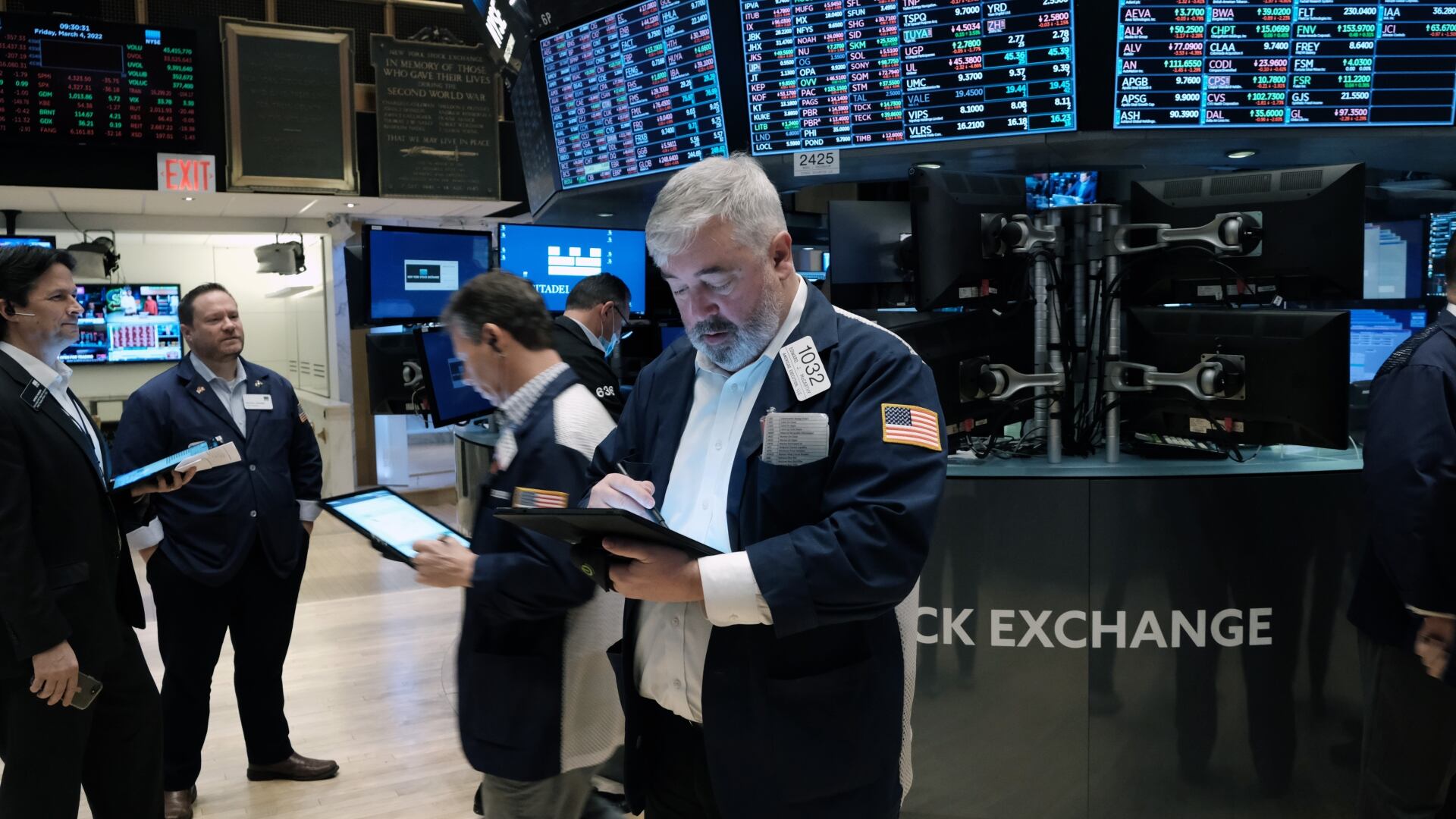
Jay Hatfield, Chief Investment Officer at ICAP, believes a lot of the bad news regarding the fighting in Ukraine and Fed is already priced into the market and looming uncertainty factored into Friday's movement. However, he also believes the upcoming Fed decision will be good news for Wall Street.
News of Russian forces taking control of a Ukrainian after artillery bombardment of a nuclear power plant raised concerns this week. Nuclear policy expert and Quincy Institute Distinguished Fellow Joe Cirincione joined Cheddar News to discuss the implications for a potential disaster. “I’m with the director general of the IAEA, the International Atomic Energy Agency. He says that he is extremely concerned, and that this Russian attack is a severe risk and that Russia clearly violated the fundamental principle of preserving the integrity of nuclear power plants," Cirincione said.
Amid Russia's attack on Ukraine, major businesses from BP to Big Tech like Apple have been pausing their business dealings with the invading nation. Brian Walker, chief strategy officer at commerce software company Bloomreach, joined Cheddar News to discuss how some companies are showing support for Ukraine and what this could mean for consumers. "Whether it be impacts on energy or operational costs, shipping and logistics, or frankly impacts on the financial services industry, these will have long term implications on retail prices," he said.
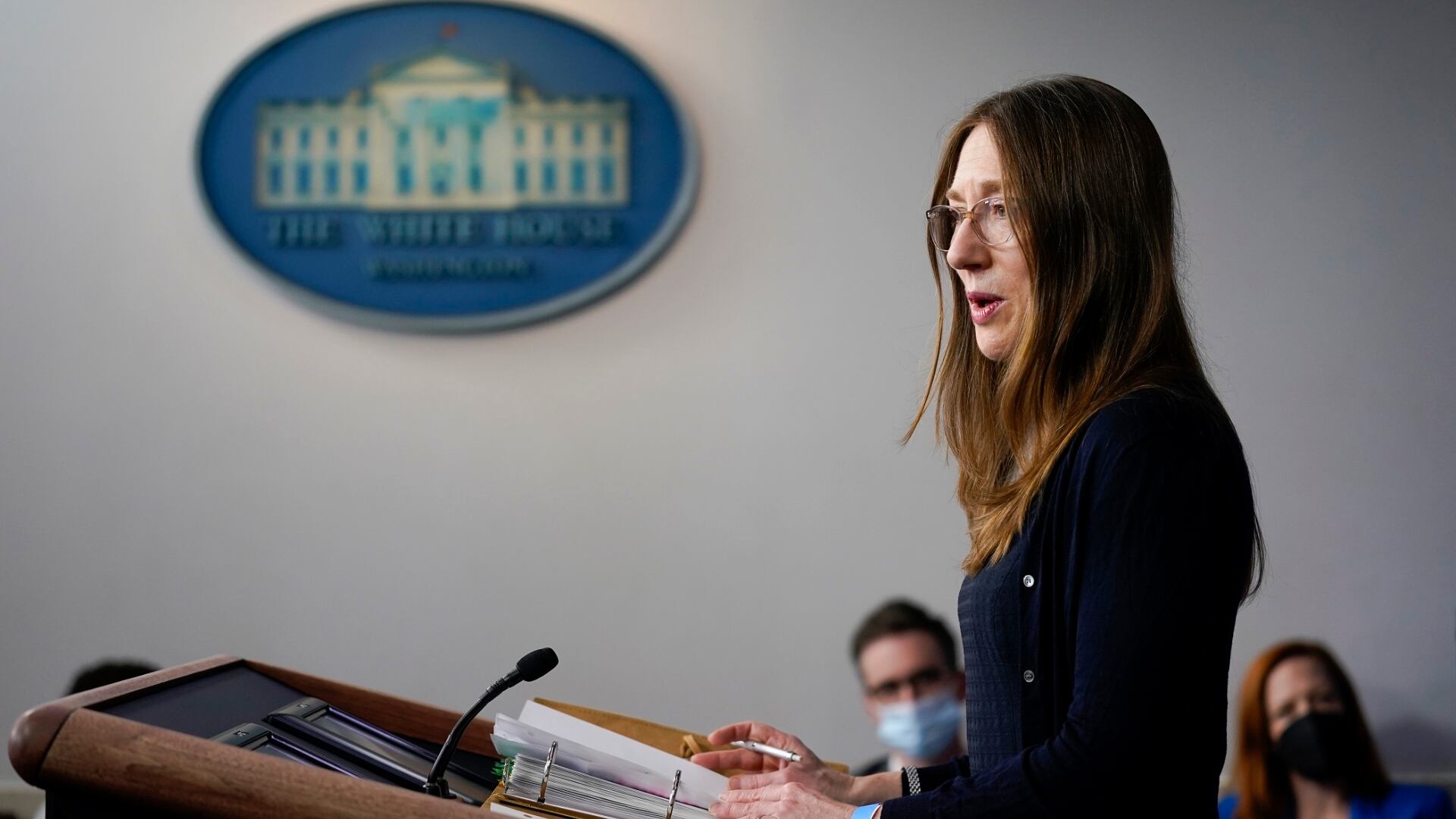
About 678,000 jobs were created in February, hundreds of thousands more than predicted, according to the latest Labor Department report, showing a broad economic recovery despite inflation woes. Heather Boushey, member of the Council of Economic Advisers for President Biden, joined Cheddar News to talk about the employment figures. "This really shows that the economy is now more resilient because of the tools that we have in place," Boushey said. "So I'm optimistic that we'll be able to weather future storms."
Ramit Varma, Independent candidate for Mayor of Los Angeles, joins Cheddar News to discuss the race and how he plans to tackle critical issues in the California city.