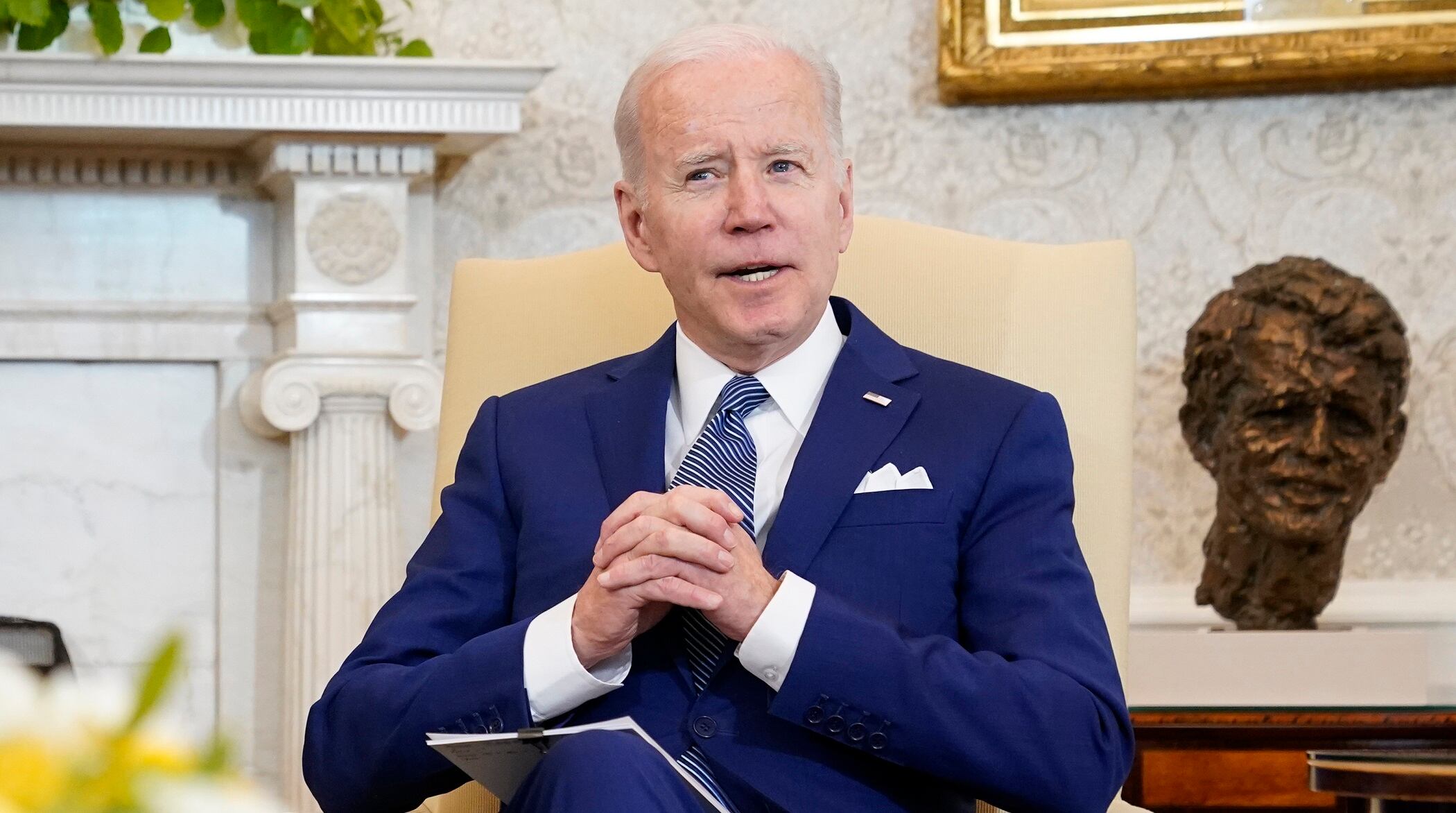
President Joe Biden said Monday that the U.S. will share an additional 20 million doses of COVID-19 vaccines with the world in the coming six weeks as domestic demand for shots drops and global disparities in distribution have grown more evident.
The doses will come from existing production of Pfizer, Moderna or Johnson & Johnson vaccine stocks, marking the first time that U.S.-controlled doses of vaccines authorized for use in the country will be shared overseas. It will boost the global vaccine sharing commitment from the U.S. to 80 million.
“We know America will never be fully safe until the pandemic that’s raging globally is under control," Biden said at the White House.
The announcement comes on top of the Biden's administration’s prior commitment to share about 60 million doses of the AstraZeneca vaccine, which is not yet authorized for use in the U.S., by the end of June. The AstraZeneca doses will be available to ship once they clear a safety review by the Food and Drug Administration.
Biden also tapped COVID-19 coordinator Jeff Zients to lead the administration's efforts to share doses with the world.
“Our nation’s going to be the arsenal of vaccines for the rest of the world," Biden said. He added that, compared to other countries like Russia and China that have sought to leverage their domestically produced doses, “we will not use our vaccines to secure favors from other countries.”
The Biden administration hasn't yet said how the new commitment of vaccines will be shared or which countries will receive them.
To date, the U.S. has shared about 4.5 million doses of AstraZeneca vaccine with Canada and Mexico. Additional doses of the Pfizer vaccine manufactured in the U.S. have begun to be exported as the company has met its initial contract commitments to the federal government.
The U.S. has faced growing pressure to share more of its vaccine stockpile with the world as interest in vaccines has waned domestically.
“While wealthy countries continue ramping up vaccinations, less than 1 percent of COVID-19 vaccine doses globally have been administered to people in low-income countries," said Tom Hart the acting CEO of the ONE Campaign. “The sooner the US and other wealthy countries develop a coordinated strategy for sharing vaccine doses with the world’s most vulnerable, the faster we will end the global pandemic for all.”
More than 157 million Americans have received at least one dose of a COVID-19 vaccine, and 123 million are full vaccinated against the virus. Biden hopes the U.S. will have 160 million people fully vaccinated by July Fourth.
Globally, more than 3.3 million people are confirmed to have died from the coronavirus. The U.S. has seen the largest confirmed loss of life from COVID-19, at more than 586,000 people.
President Joe Biden on Wednesday signed a long-awaited executive order on cryptocurrencies, striking a careful balance between highlighting the risks of digital assets and touting their potential benefits.
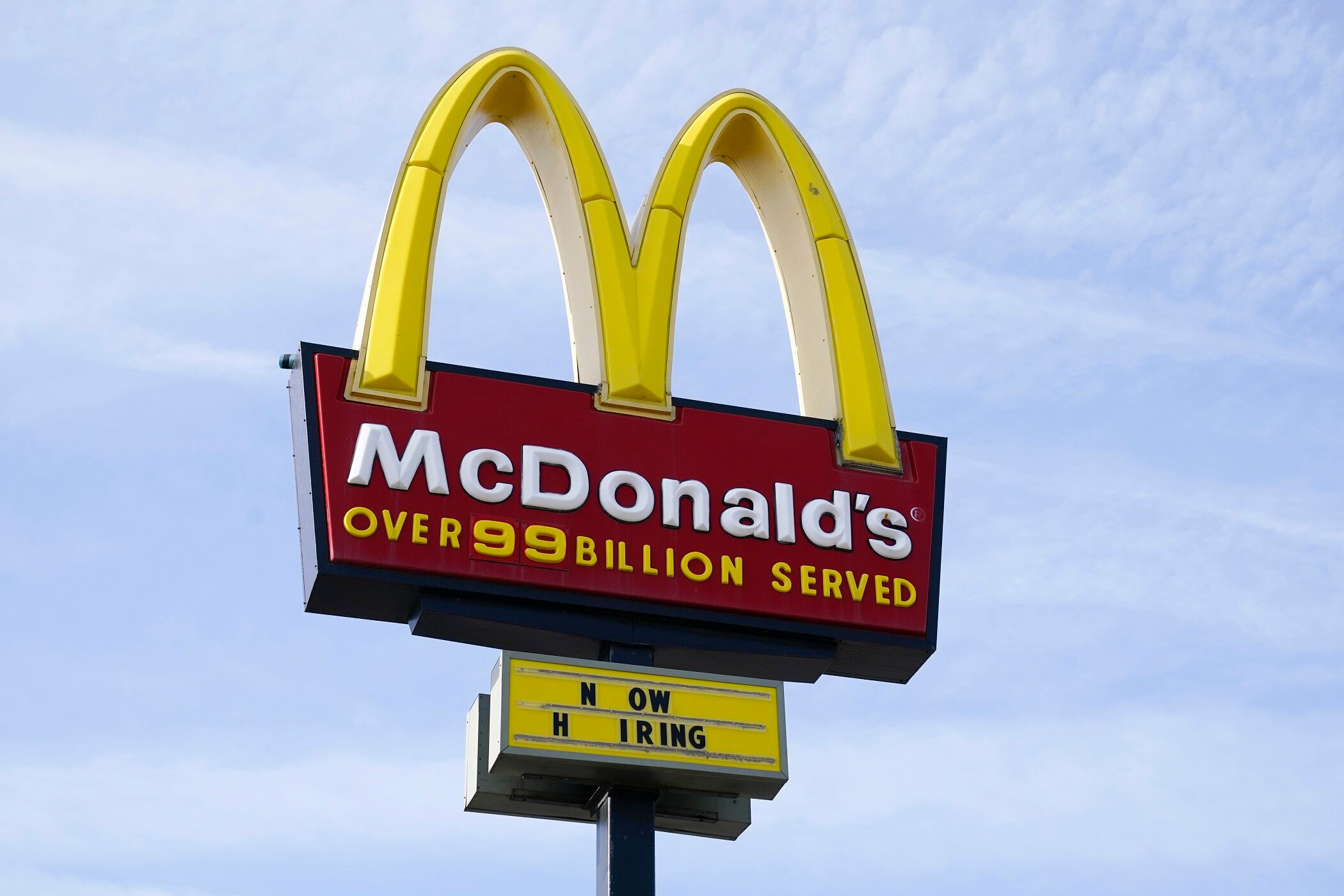
McDonald’s said Tuesday it is temporarily closing all of its 850 restaurants in Russia in response to the country's invasion of Ukraine. The burger giant said it will continue paying its 62,000 employees in Russia.
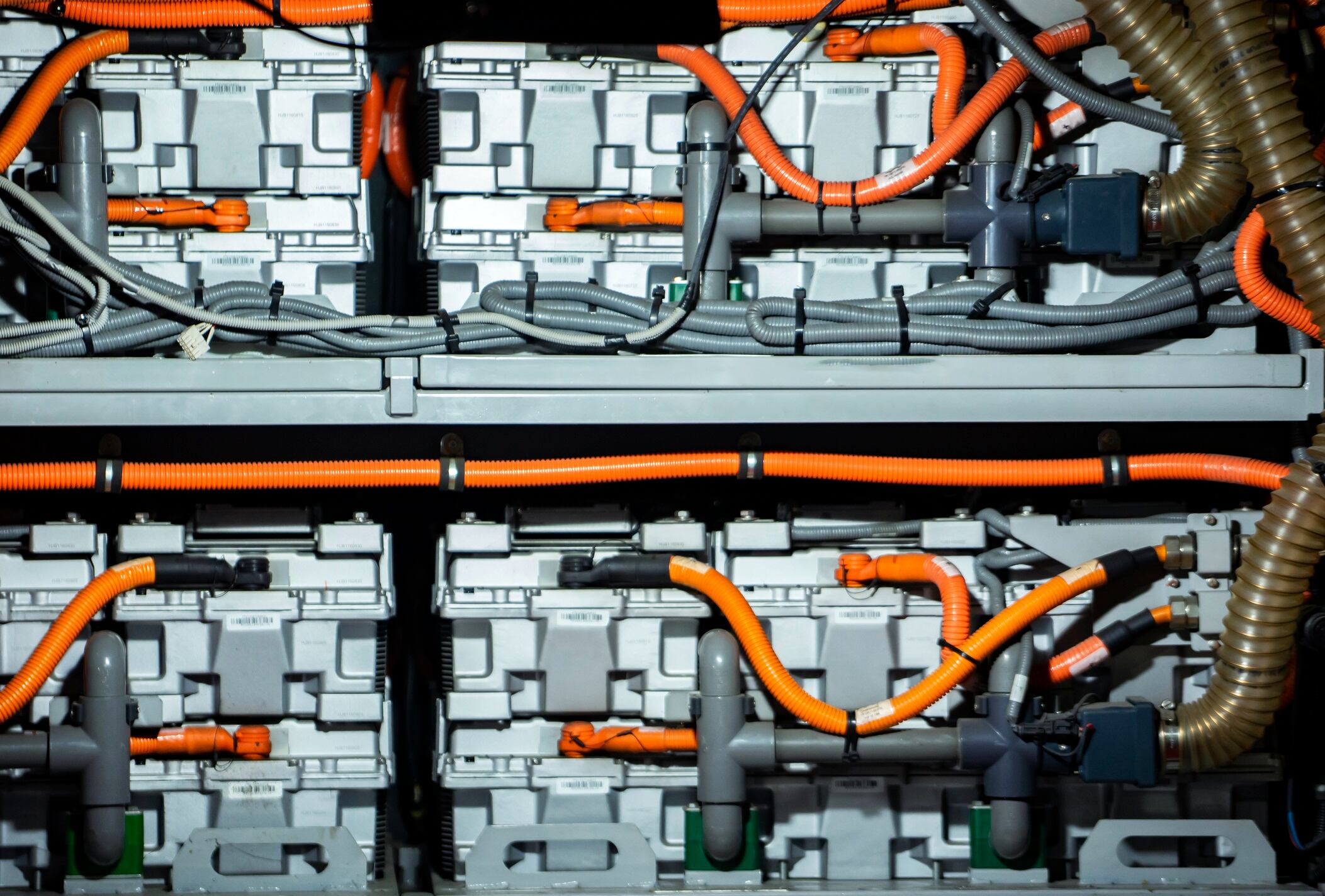
The price of nickel, one of the key minerals needed to produce stainless steel and lithium-ion batteries, saw an unprecedented surge Tuesday amid fears that Western sanctions could cut off Russian supplies of the crucial commodity.
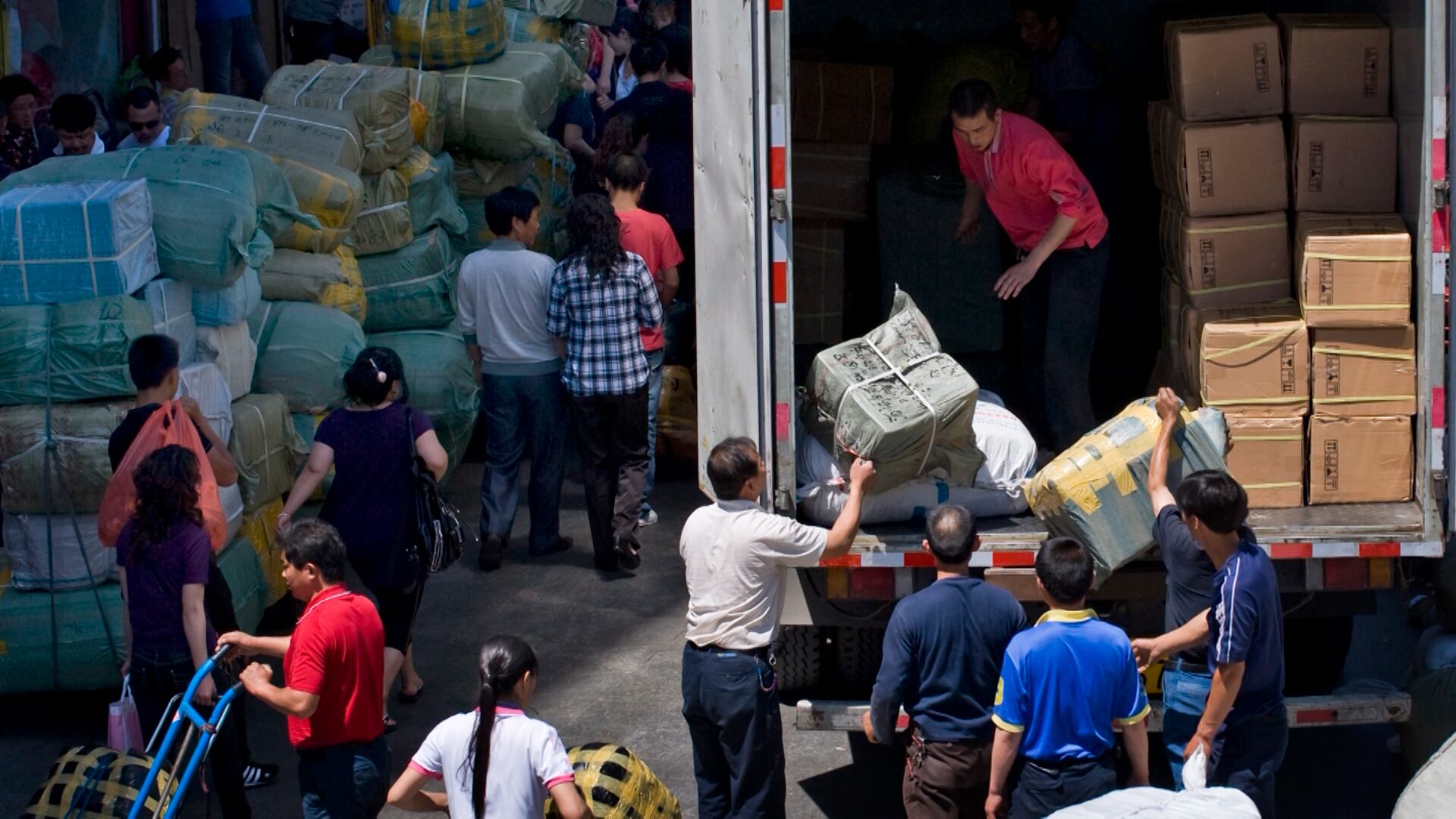
As Western companies cut ties with Russia over its invasion of Ukraine, there's a possibility their Chinese rivals could move in and fill the void. Major corporations such as Apple, Samsung, Dell, and more have halted sales in Russia in hopes of encouraging Putin to back down, but now it seems those sanctions could be presenting a unique opportunity for China. Michael Friedson, Co-founder and Executive Editor of The Media Line News Agency, joined Cheddar's Opening Bell to discuss how these Western boycotts are reshaping geopolitical alignments, the global economy, and international trade.
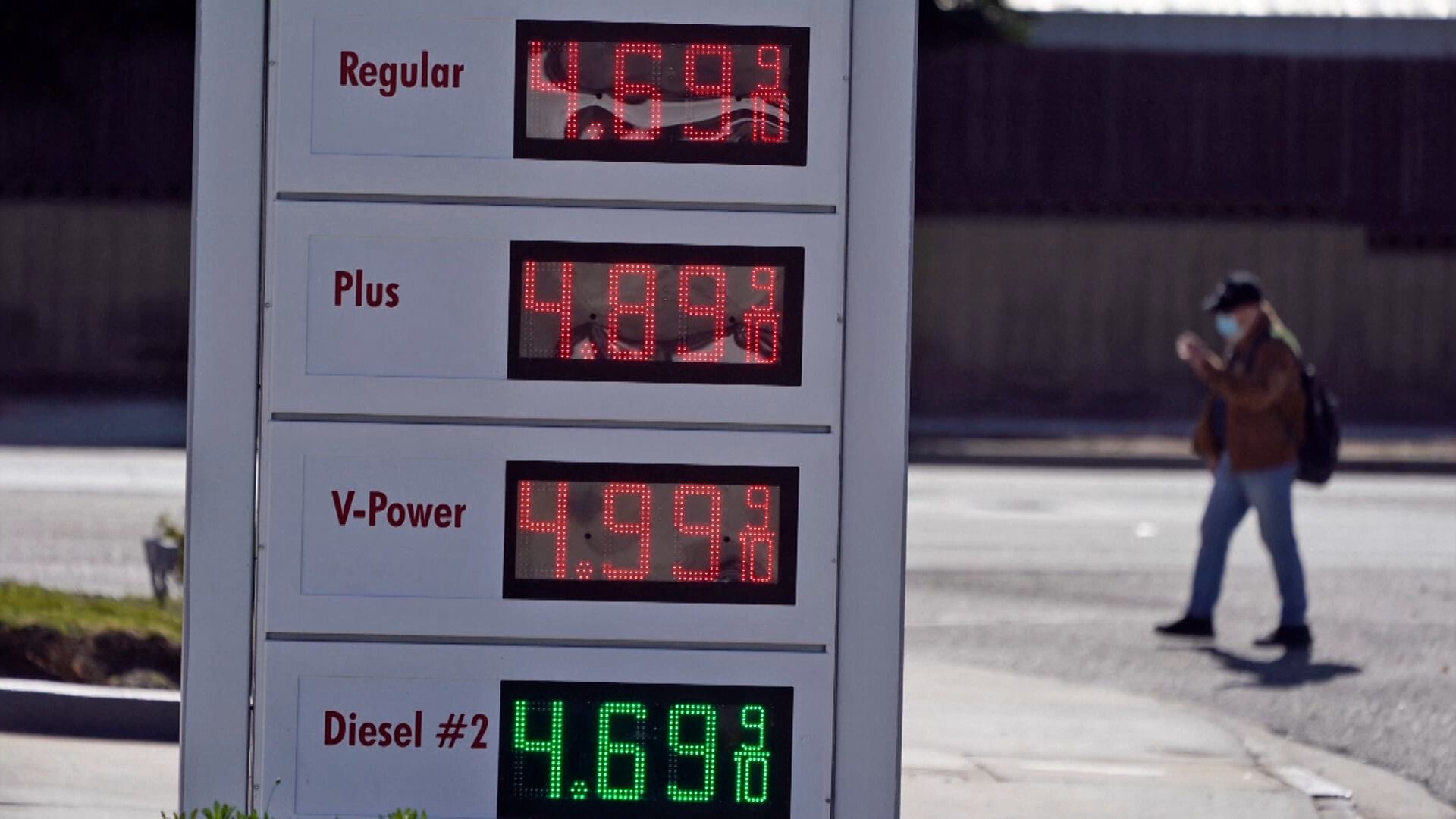
Gas prices have reached their highest level since 2008, topping an average of $4 across the country. The surge comes as Russia's invasion of Ukraine triggers supply concerns in what was already an extremely tight oil market. Jay Hatfield, Chief Investment Officer at ICAP, breaks down why costs at the pump are so high right now, and just how high they could go.
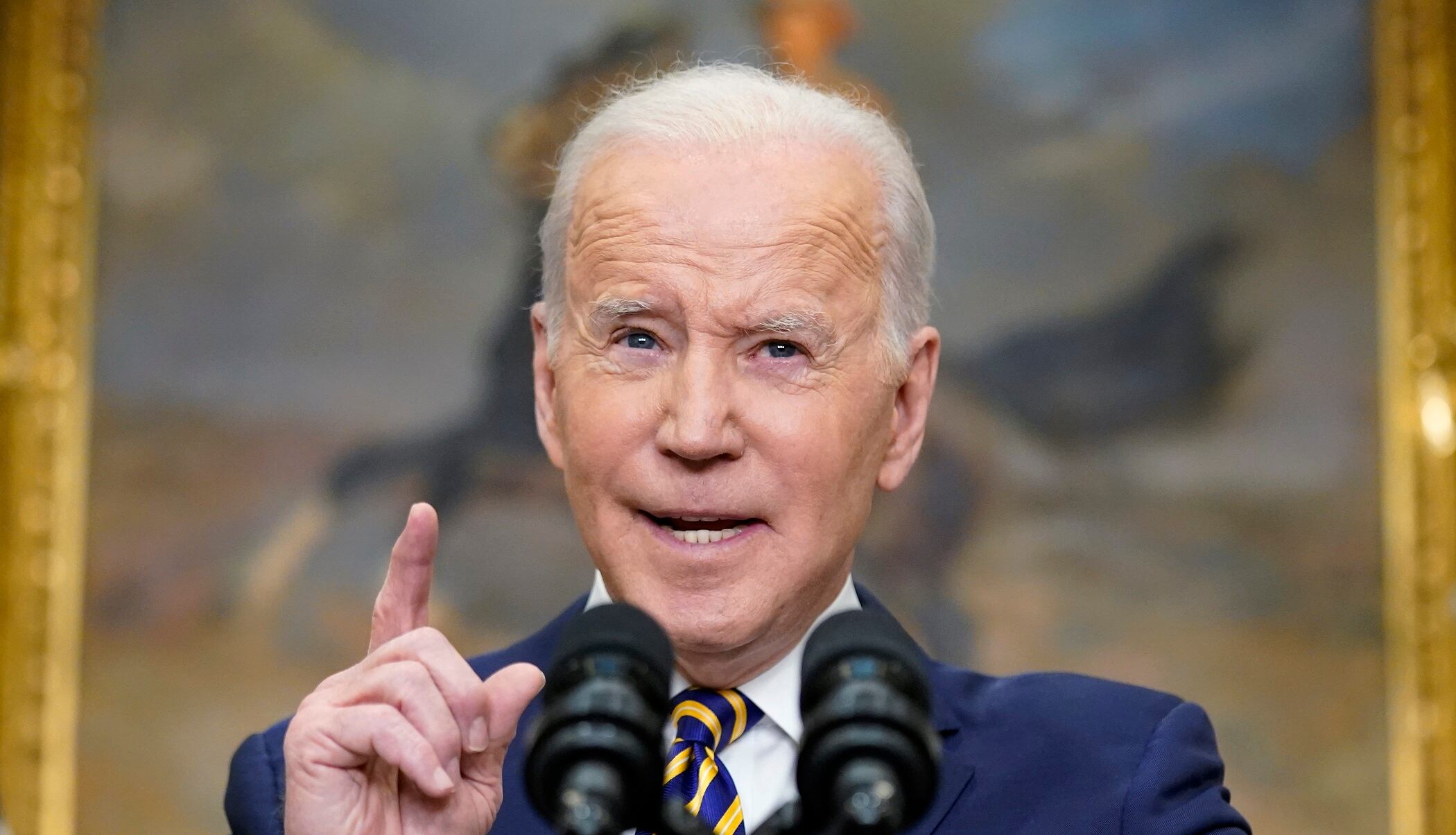
President Joe Biden has announced that the U.S. will ban all Russian oil imports, toughening the toll on Russia’s economy in retaliation for its invasion of Ukraine.
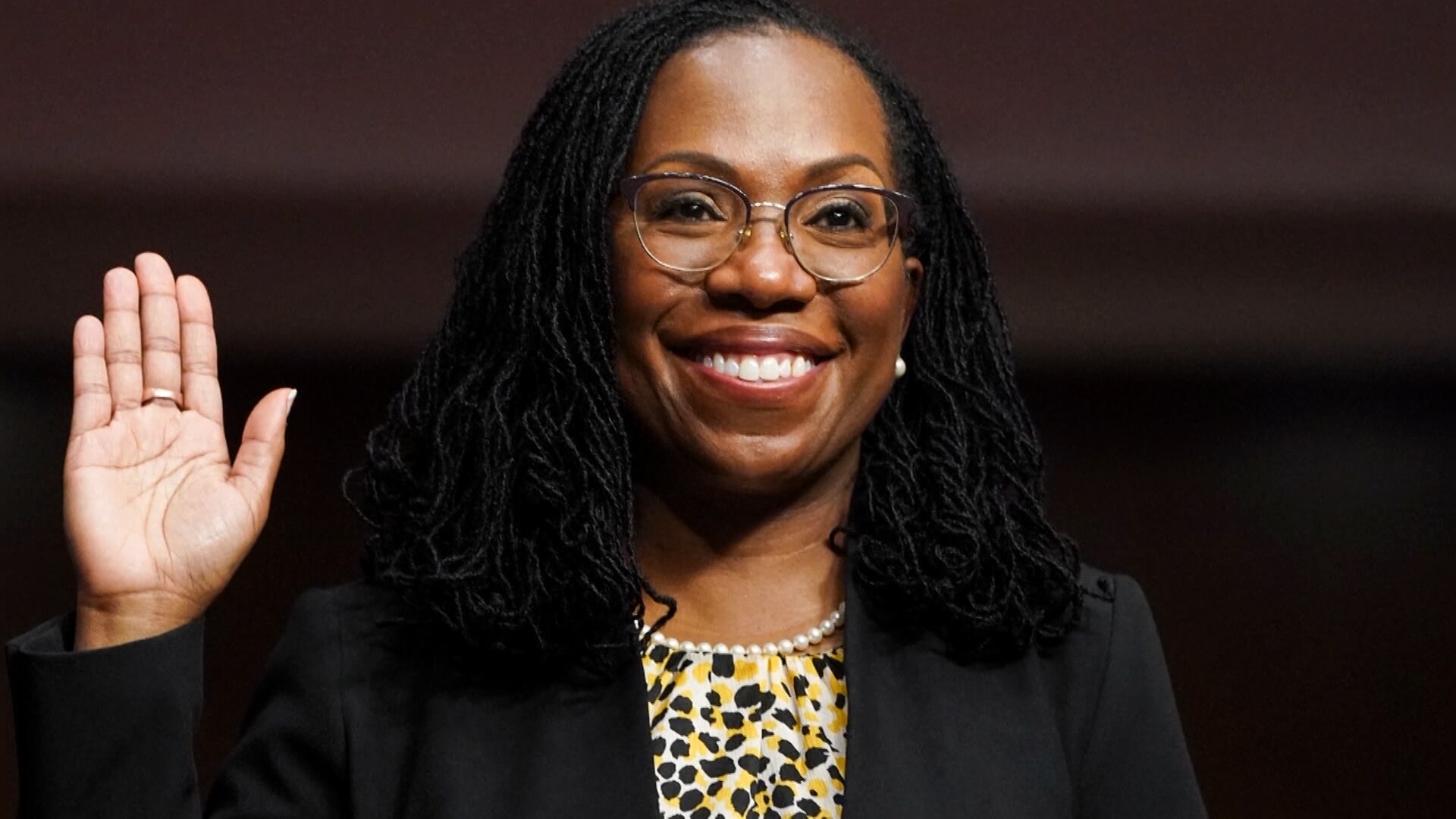
If confirmed, judge Ketanji Brown Jackson could become the first black woman on the bench of the U.S. Supreme Court. Cheddar News speaks with Katie Barlow, Chief Legal Correspondent at Fox 5 to discuss the significance of the nomination.
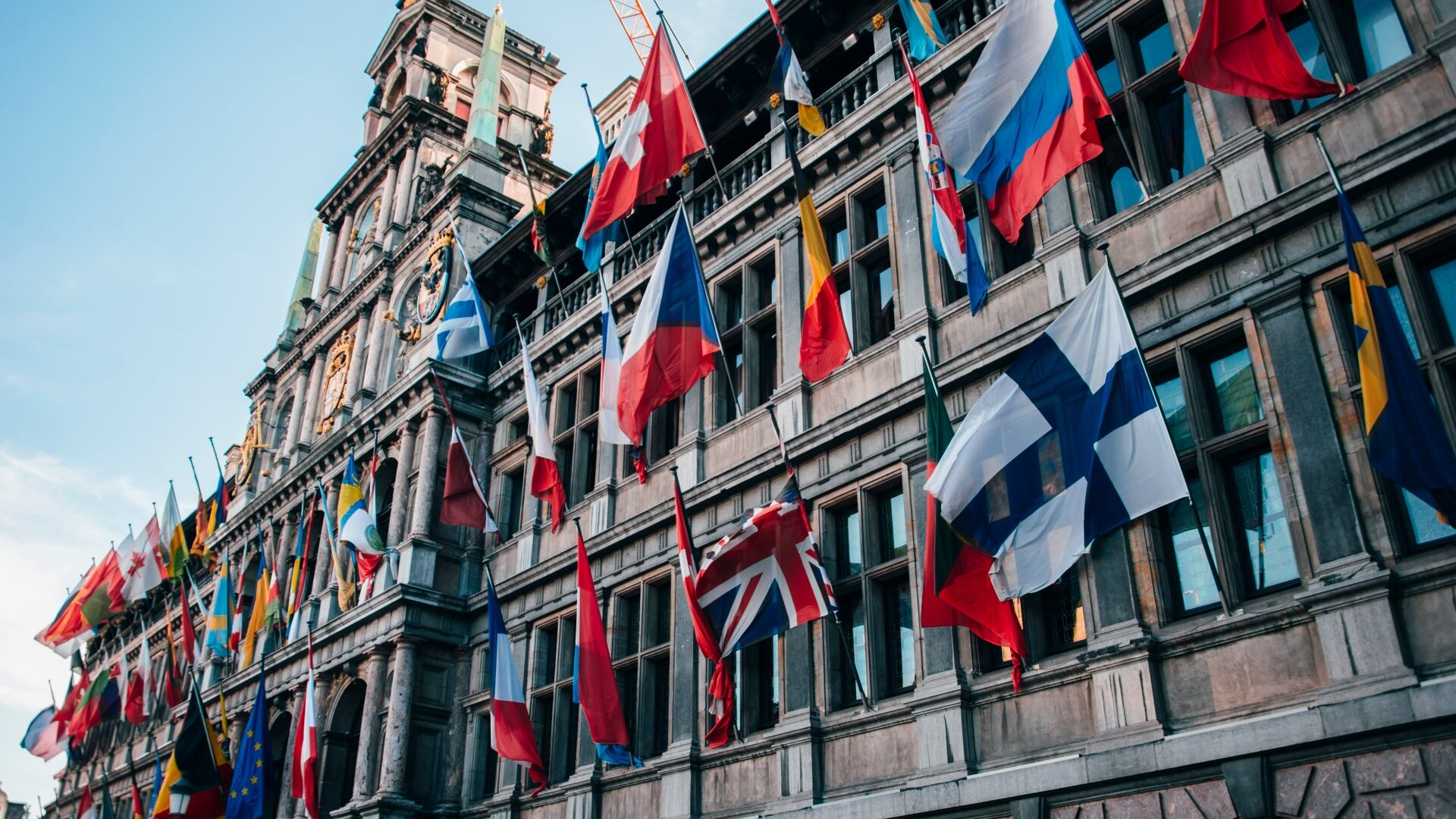
The European Union is historically divided and slow when it comes to decision-making, but in the recent weeks, the 27 members have agreed upon several sanctions and decisions regarding foreign policy and defense. The EU has cut off Russian banks from the swift payment system, blocked Russian propaganda channels, and closed European skies for air travel to and from Russia. Germany, for example, who has refused to send any deadly weapons to conflict zones, has now agreed to send lethal weapons to Ukraine. Rupert Steiner, London Bureau Chief at Barron's, joins cheddar news to discuss.
Sam Stovall, Chief Investment Strategist at CFRA Research, joins Cheddar News' Closing Bell where he dives into the factors contributing to Monday's market plunge and what could be in store when February's CPI data comes out on Tuesday.
Derek Shearer, former U.S. Ambassador to Finland and contributing writer for Washington Monthly, joins Cheddar News to discuss the latest developments in the Russia-Ukraine conflict.