President Joe Biden said Monday that the U.S. will share an additional 20 million doses of COVID-19 vaccines with the world in the coming six weeks as domestic demand for shots drops and global disparities in distribution have grown more evident.
The doses will come from existing production of Pfizer, Moderna or Johnson & Johnson vaccine stocks, marking the first time that U.S.-controlled doses of vaccines authorized for use in the country will be shared overseas. It will boost the global vaccine sharing commitment from the U.S. to 80 million.
“We know America will never be fully safe until the pandemic that’s raging globally is under control," Biden said at the White House.
The announcement comes on top of the Biden's administration’s prior commitment to share about 60 million doses of the AstraZeneca vaccine, which is not yet authorized for use in the U.S., by the end of June. The AstraZeneca doses will be available to ship once they clear a safety review by the Food and Drug Administration.
Biden also tapped COVID-19 coordinator Jeff Zients to lead the administration's efforts to share doses with the world.
“Our nation’s going to be the arsenal of vaccines for the rest of the world," Biden said. He added that, compared to other countries like Russia and China that have sought to leverage their domestically produced doses, “we will not use our vaccines to secure favors from other countries.”
The Biden administration hasn't yet said how the new commitment of vaccines will be shared or which countries will receive them.
To date, the U.S. has shared about 4.5 million doses of AstraZeneca vaccine with Canada and Mexico. Additional doses of the Pfizer vaccine manufactured in the U.S. have begun to be exported as the company has met its initial contract commitments to the federal government.
The U.S. has faced growing pressure to share more of its vaccine stockpile with the world as interest in vaccines has waned domestically.
“While wealthy countries continue ramping up vaccinations, less than 1 percent of COVID-19 vaccine doses globally have been administered to people in low-income countries," said Tom Hart the acting CEO of the ONE Campaign. “The sooner the US and other wealthy countries develop a coordinated strategy for sharing vaccine doses with the world’s most vulnerable, the faster we will end the global pandemic for all.”
More than 157 million Americans have received at least one dose of a COVID-19 vaccine, and 123 million are full vaccinated against the virus. Biden hopes the U.S. will have 160 million people fully vaccinated by July Fourth.
Globally, more than 3.3 million people are confirmed to have died from the coronavirus. The U.S. has seen the largest confirmed loss of life from COVID-19, at more than 586,000 people.
Catching you up on what you Need to Know on Mar 21, 2022, with updates on the Russian invasion in Ukraine, a Boeing 737-800 plane carrying 132 people crashed in China, Canadian Pacific rail workers on strike, another possible COVID surge, and the SEC's new climate rules for businesses.
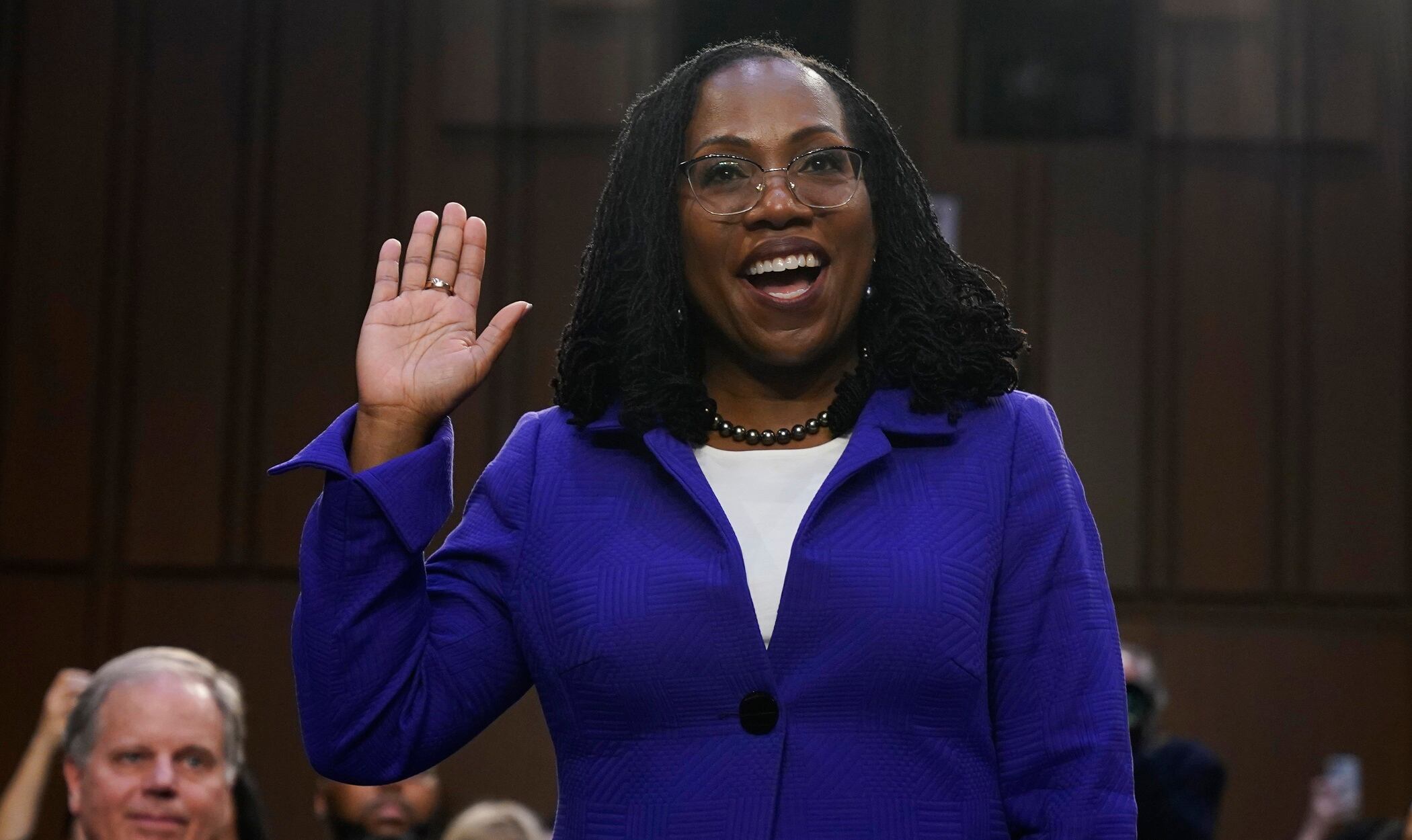
Judge Ketanji Brown Jackson has told senators that she will defend the Constitution and decide cases “without fear or favor” if she is confirmed to the Supreme Court.
David Stryzewski, CEO of Sound Planning Group, joins Cheddar News' Closing Bell, where he says he believes pent-up demand is driving stocks higher and explains how Wednesday's Fed decision continues to impact investor sentiment.
Rachel Thomas, the co-founder and CEO of the non-profit Lean In, joined Cheddar amid Women's History Month, to discuss how the organization is taking on issues that continue to impact the workplace through its Circles program. "These are a program that brings women together in small groups, usually 8 to 12, for support, camaraderie, and to learn together," she said. "We also we have a lot of curriculum so women can learn how to navigate workplace biases, how to negotiate with women." Thomas also applauded President Biden's recent call to action on equal pay for women, noting that businesses must do more to be cognizant of inherent gender and racial biases.
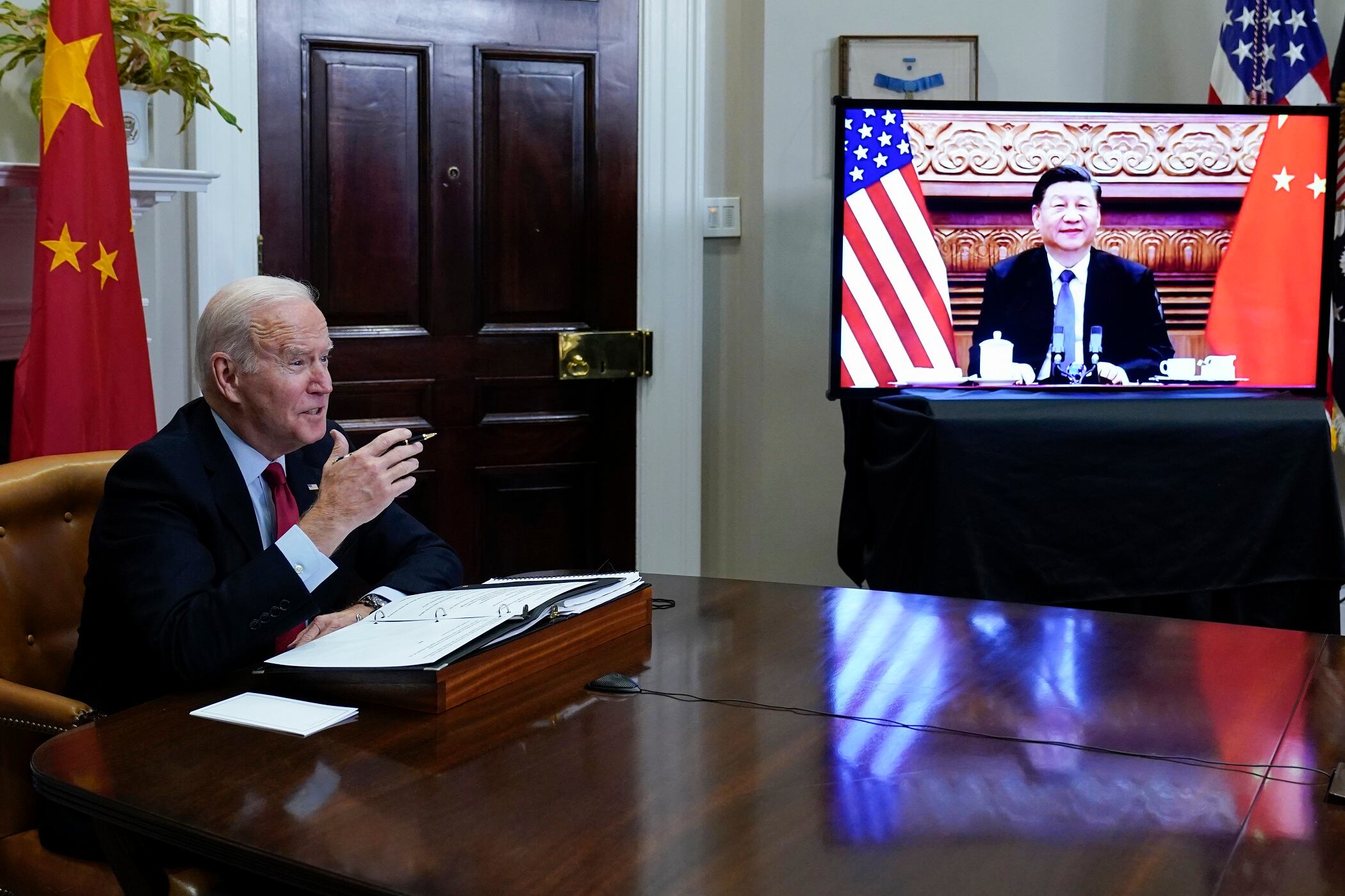
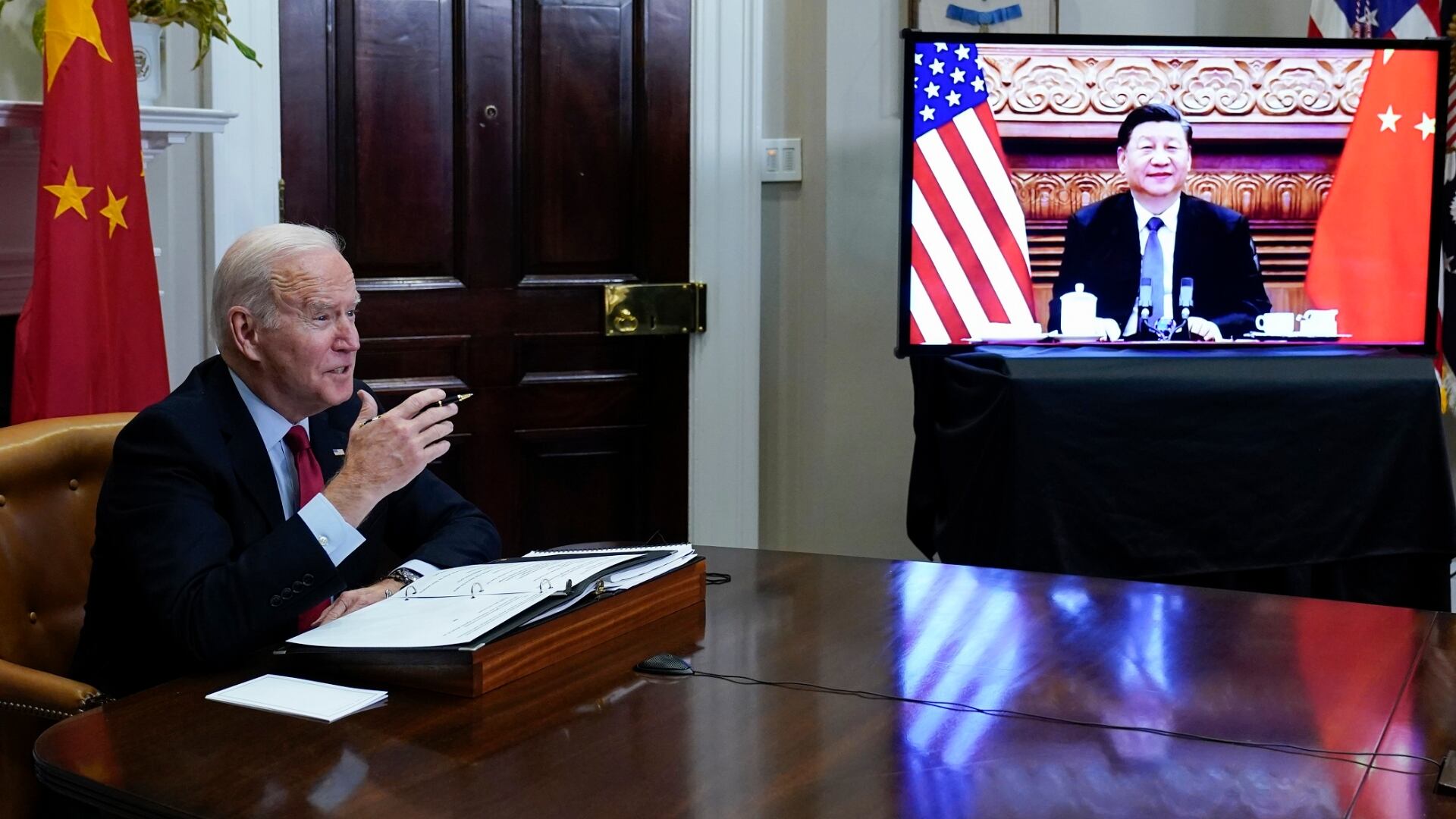
President Joe Biden and China’s Xi Jinping spoke Friday for nearly two hours via a video call as the White House looks to deter Beijing from providing military or economic assistance for Russia’s invasion of Ukraine.
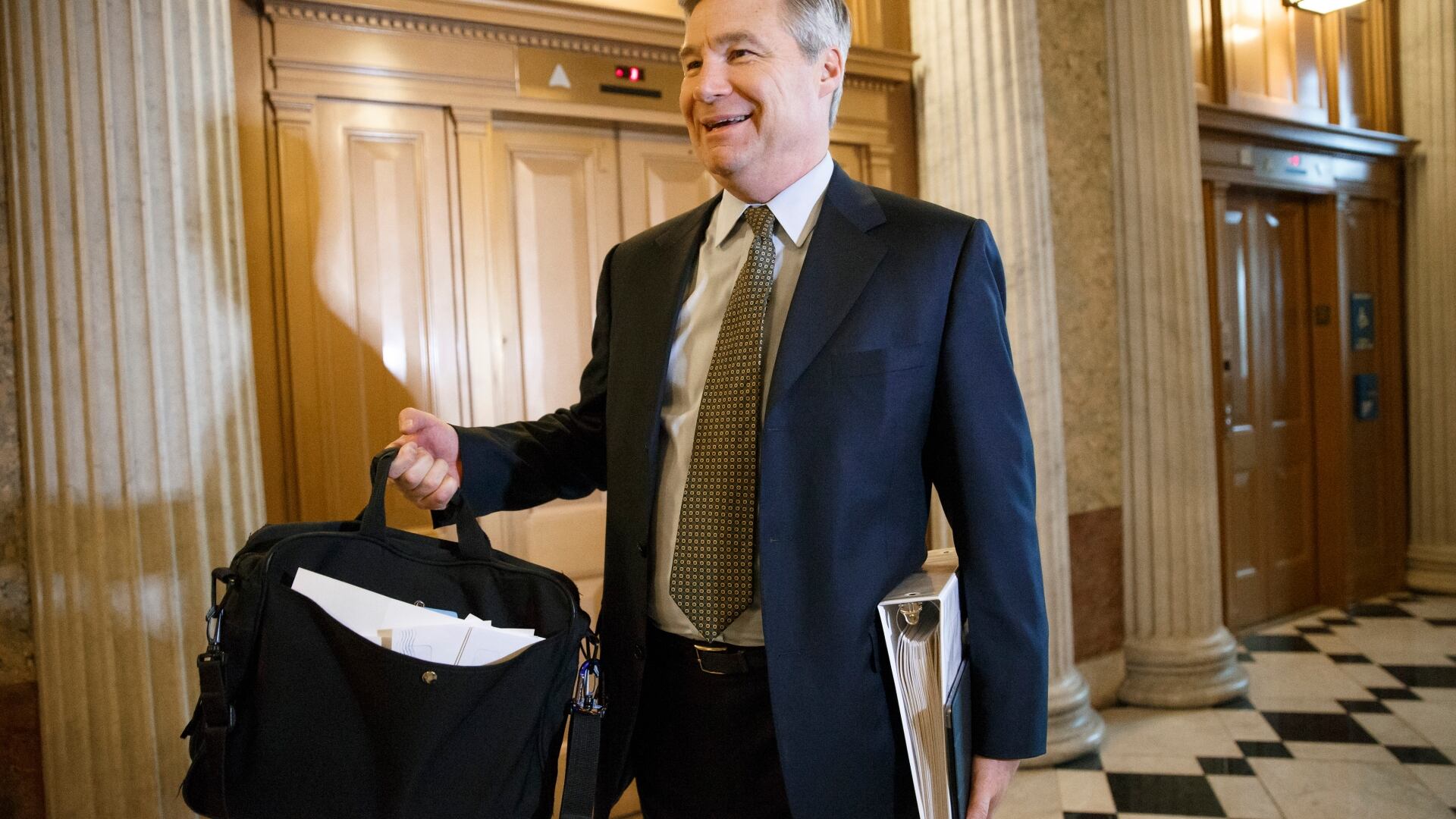
The Senate has passed the Sunshine Protection Act to permanently set U.S. clocks to daylight saving time — meaning you won't need to change them twice a year. Senator Sheldon Whitehouse (D-R.I.) joined Cheddar News to talk about something that hasn't been changed in almost half a century. “Well, I think if you were to start from scratch and have somebody come in and say here's my idea, we're going to have two different times during the year and you're going to shift back and forth between different times and have to reset all your clocks twice a year, you'd probably throw that person out as like having a screw loose," he said regarding the status quo.
Catching you up on what you Need to Know on Mar 18, 2022, with updates on the war in Ukraine, President Biden’s meeting with Xi Jinping, Meta removing a deepfake video of Volodymyr Zelenskyy, Britney Griner, vaccine updates, and tech news.
As the Russia's invasion of Ukraine continues, medical experts are worried conditions in active warzones will exacerbate the current pandemic — or even give rise to other contagions. Dr. Daniel Fagbuyi, a war veteran and former Obama administration biodefense appointee, joined Cheddar News to discuss the ongoing danger of COVID-19 on top of the war, as well as the potential for new variants to emerge. "I mean just large volumes of people definitely is a breeding ground. That's the worst case," he said. "Two things don't mix: war-conflict and a virus, a potential pandemic virus."