President Joe Biden said Monday that the U.S. will share an additional 20 million doses of COVID-19 vaccines with the world in the coming six weeks as domestic demand for shots drops and global disparities in distribution have grown more evident.
The doses will come from existing production of Pfizer, Moderna or Johnson & Johnson vaccine stocks, marking the first time that U.S.-controlled doses of vaccines authorized for use in the country will be shared overseas. It will boost the global vaccine sharing commitment from the U.S. to 80 million.
“We know America will never be fully safe until the pandemic that’s raging globally is under control," Biden said at the White House.
The announcement comes on top of the Biden's administration’s prior commitment to share about 60 million doses of the AstraZeneca vaccine, which is not yet authorized for use in the U.S., by the end of June. The AstraZeneca doses will be available to ship once they clear a safety review by the Food and Drug Administration.
Biden also tapped COVID-19 coordinator Jeff Zients to lead the administration's efforts to share doses with the world.
“Our nation’s going to be the arsenal of vaccines for the rest of the world," Biden said. He added that, compared to other countries like Russia and China that have sought to leverage their domestically produced doses, “we will not use our vaccines to secure favors from other countries.”
The Biden administration hasn't yet said how the new commitment of vaccines will be shared or which countries will receive them.
To date, the U.S. has shared about 4.5 million doses of AstraZeneca vaccine with Canada and Mexico. Additional doses of the Pfizer vaccine manufactured in the U.S. have begun to be exported as the company has met its initial contract commitments to the federal government.
The U.S. has faced growing pressure to share more of its vaccine stockpile with the world as interest in vaccines has waned domestically.
“While wealthy countries continue ramping up vaccinations, less than 1 percent of COVID-19 vaccine doses globally have been administered to people in low-income countries," said Tom Hart the acting CEO of the ONE Campaign. “The sooner the US and other wealthy countries develop a coordinated strategy for sharing vaccine doses with the world’s most vulnerable, the faster we will end the global pandemic for all.”
More than 157 million Americans have received at least one dose of a COVID-19 vaccine, and 123 million are full vaccinated against the virus. Biden hopes the U.S. will have 160 million people fully vaccinated by July Fourth.
Globally, more than 3.3 million people are confirmed to have died from the coronavirus. The U.S. has seen the largest confirmed loss of life from COVID-19, at more than 586,000 people.
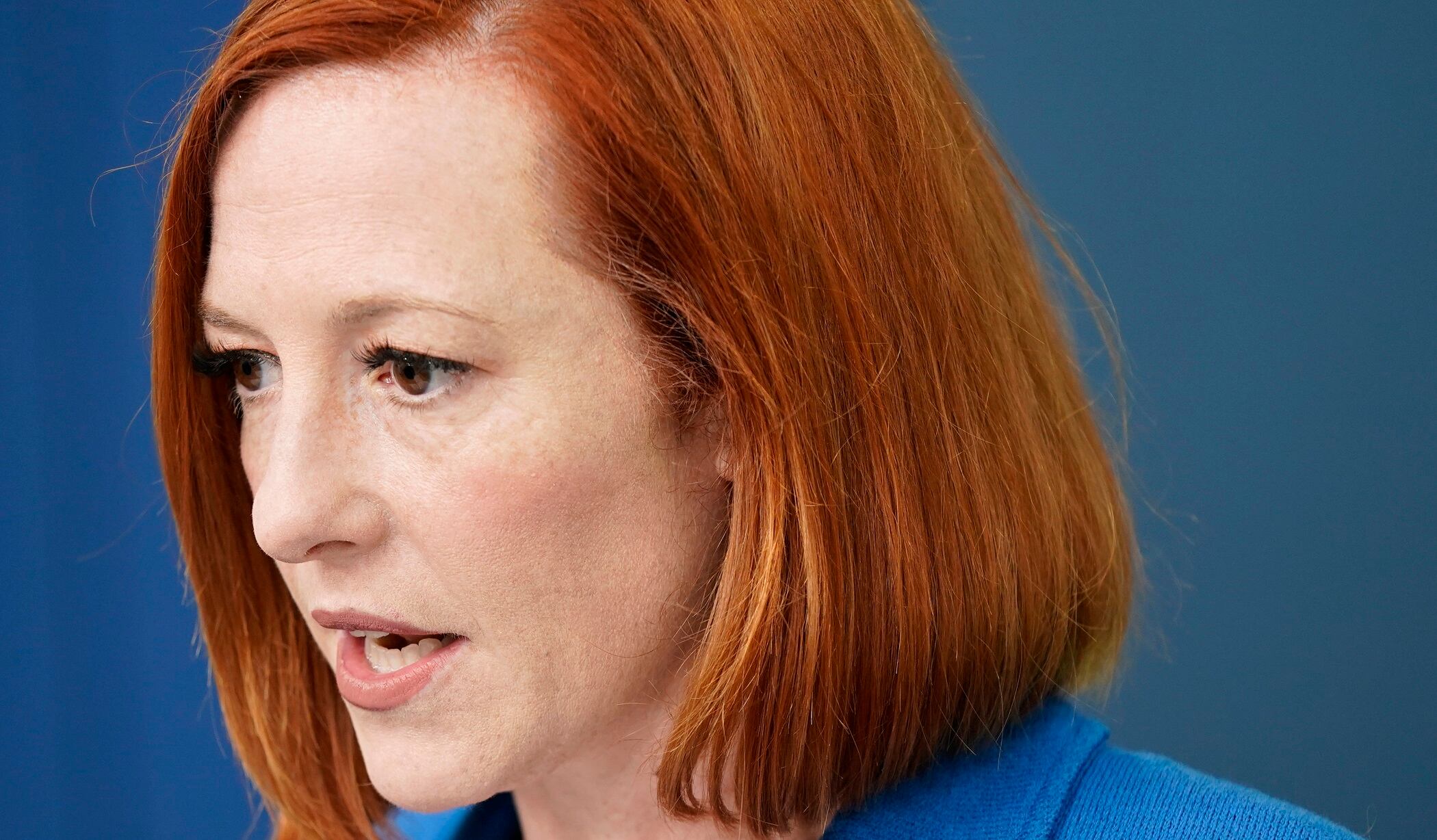
White House press secretary Jen Psaki said Tuesday that she has tested positive again for COVID-19 and will not accompany President Joe Biden to Europe for meetings on Russia’s invasion of Ukraine.
Reshma Saujani, the founder of the nonprofit Girls Who Code, discusses the workplace inequities further exposed by the pandemic and her latest book, "Pay Up: The Future of Women and Work (and Why It's Different Than You Think).
Since Russia invaded Ukraine, the United States, along with much of the Western world, has imposed economic sanctions on Russia’s economy and its oligarchs. And these measures are costing these oligarchs — billions. So what exactly is an oligarch and what are their ties to Putin and the ongoing invasion? And will sanctioning them work?
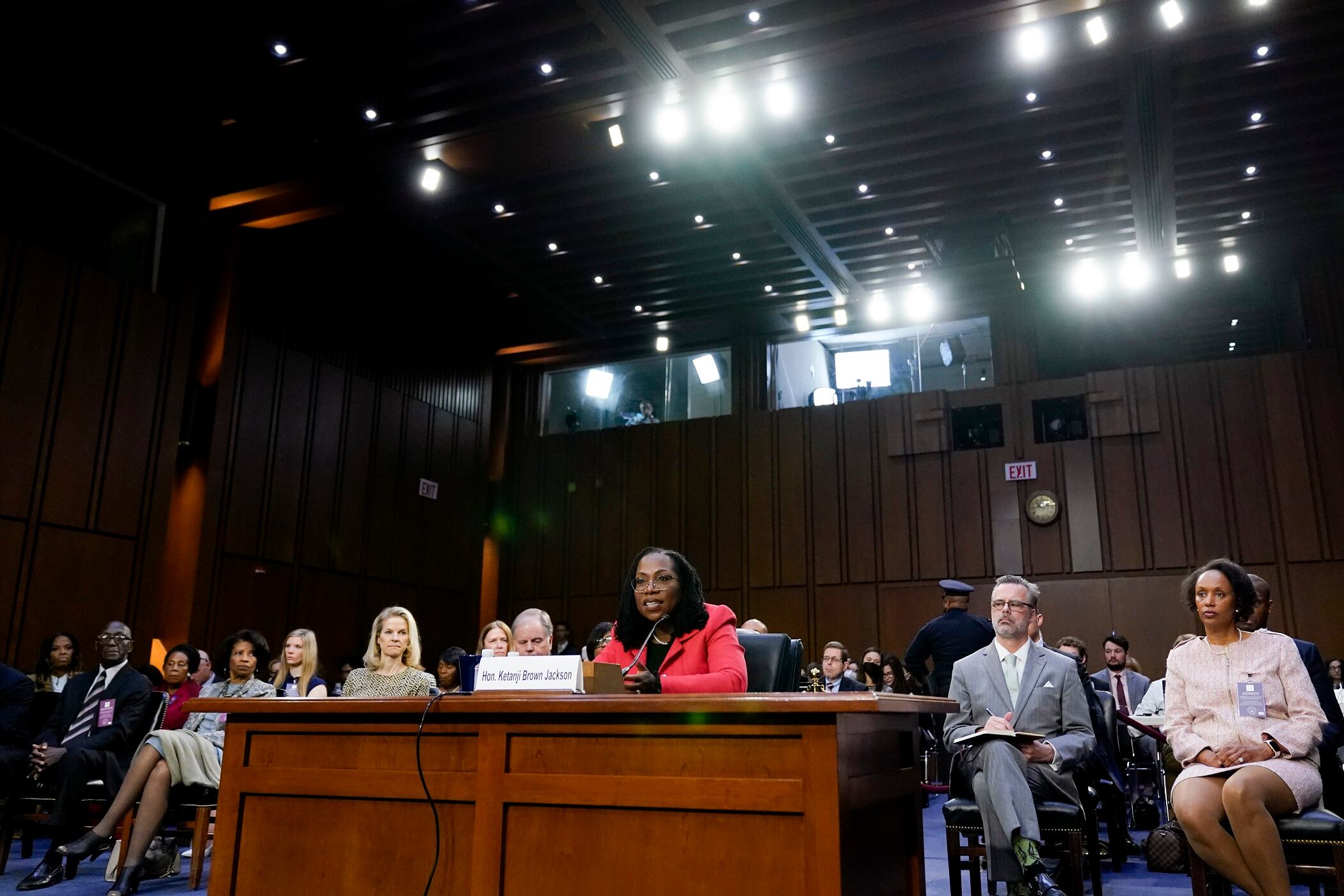
Ketanji Brown Jackson is forcefully defending her record as a federal judge, telling senators she will rule “from a position of neutrality” if she is confirmed as the first Black woman on the high court.
Ukraine remains defiant as the Russian invasion is approaching its fourth week. Cheddar News speaks with Former Obama Campaign Foreign Policy Advisor David Tafuri, on Russia’s war efforts so far and how it might shift tactics moving forward.
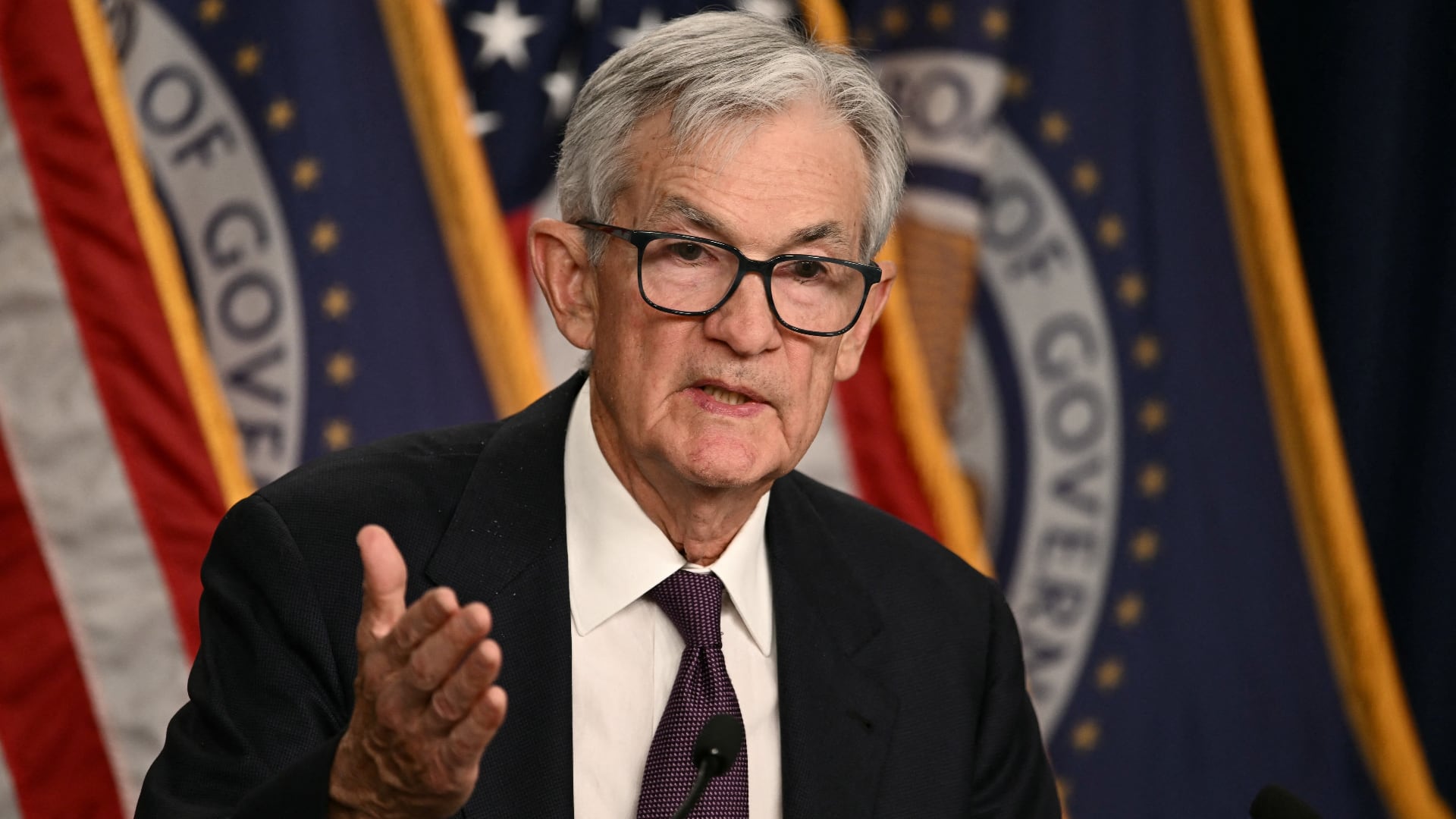
While investors soured on Fed Chair Jerome Powell's remarks on interest rates Monday, Anthony Saccaro, Founder and President at Providence Financial explains why he is supportive of the Fed's approach on Cheddar News' Closing Bell.
As Russia continues to wage war in Ukraine, 10 million of its citizens have fled their homes according to the UN, with more and more refugees flooding into other European countries. Nancy Dent, senior global communications officer for Europe and Asia at the aid group International Rescue Committee, joined Cheddar News to discuss the deteriorating conditions. “What's really clear from my time at the border today, in particular, is that people really are fleeing for their lives now," she said. "Two million people, 60 percent of the refugee population from Ukraine is now in Poland, and people are arriving with smaller bags really unprepared."
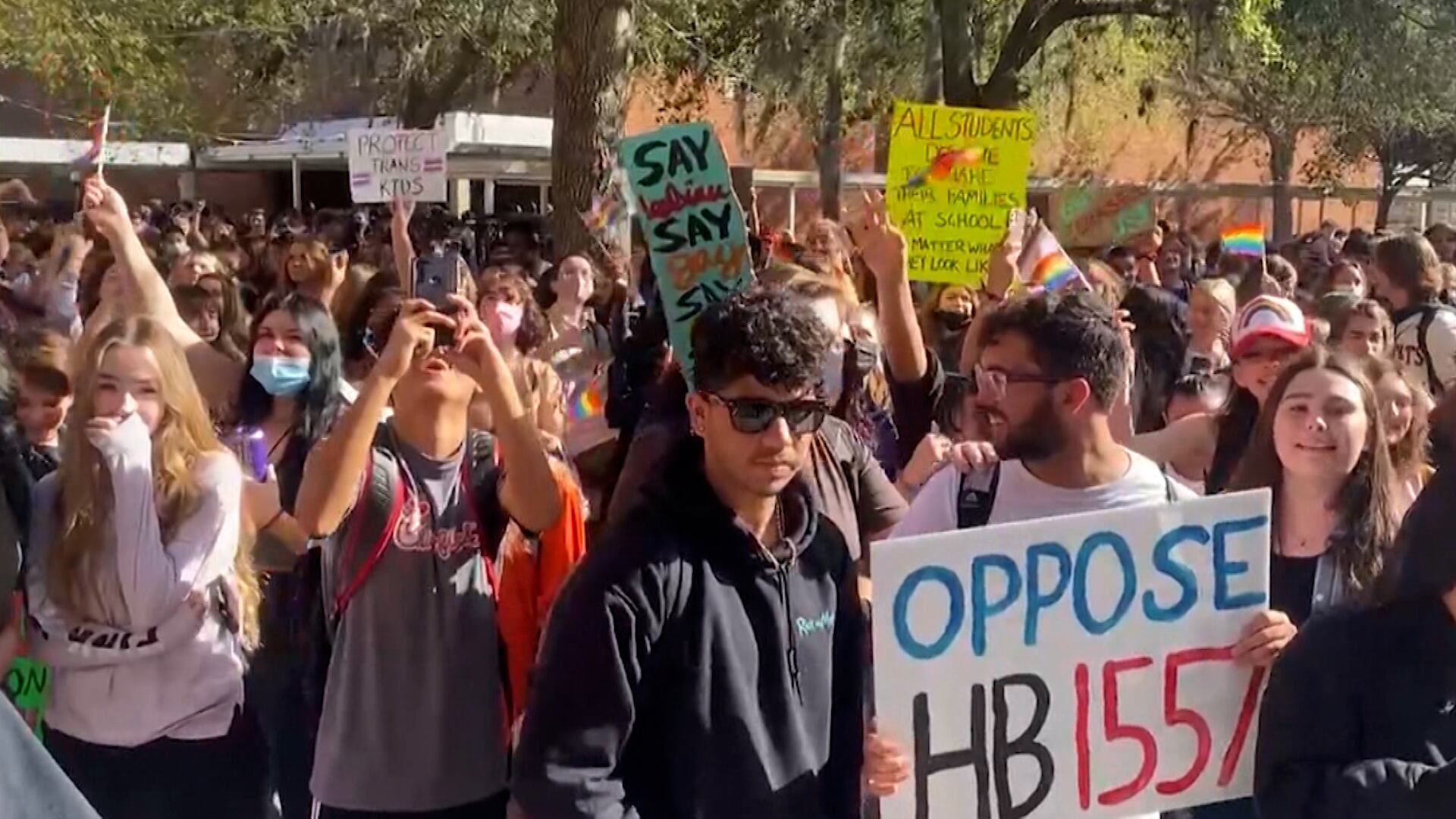
Will Larkins, president and co-founder of Winter Park High School's Queer Student Union and one of the organizers of its
'Say Gay Anyway' walkout, joined Cheddar News to discuss their recent opinion piece for The New York Times titled "Florida's 'Don't Say Gay' Bill Will Hurt Teens Like Me."
Russia's military advances in Ukraine appear to have stalled, as heavy casualties, equipment losses, and a lack of progress on the ground take a toll. Despite the horrific damage caused by the attack, Ukraine's military has held up better than many experts predicted. Elliot Ackerman, author and Marine Corps Veteran, joined Cheddar's Opening Bell to discuss why Ukraine's defense response been such a surprise, and what a stalemate in the war might look like.