President Joe Biden said Monday that the U.S. will share an additional 20 million doses of COVID-19 vaccines with the world in the coming six weeks as domestic demand for shots drops and global disparities in distribution have grown more evident.
The doses will come from existing production of Pfizer, Moderna or Johnson & Johnson vaccine stocks, marking the first time that U.S.-controlled doses of vaccines authorized for use in the country will be shared overseas. It will boost the global vaccine sharing commitment from the U.S. to 80 million.
“We know America will never be fully safe until the pandemic that’s raging globally is under control," Biden said at the White House.
The announcement comes on top of the Biden's administration’s prior commitment to share about 60 million doses of the AstraZeneca vaccine, which is not yet authorized for use in the U.S., by the end of June. The AstraZeneca doses will be available to ship once they clear a safety review by the Food and Drug Administration.
Biden also tapped COVID-19 coordinator Jeff Zients to lead the administration's efforts to share doses with the world.
“Our nation’s going to be the arsenal of vaccines for the rest of the world," Biden said. He added that, compared to other countries like Russia and China that have sought to leverage their domestically produced doses, “we will not use our vaccines to secure favors from other countries.”
The Biden administration hasn't yet said how the new commitment of vaccines will be shared or which countries will receive them.
To date, the U.S. has shared about 4.5 million doses of AstraZeneca vaccine with Canada and Mexico. Additional doses of the Pfizer vaccine manufactured in the U.S. have begun to be exported as the company has met its initial contract commitments to the federal government.
The U.S. has faced growing pressure to share more of its vaccine stockpile with the world as interest in vaccines has waned domestically.
“While wealthy countries continue ramping up vaccinations, less than 1 percent of COVID-19 vaccine doses globally have been administered to people in low-income countries," said Tom Hart the acting CEO of the ONE Campaign. “The sooner the US and other wealthy countries develop a coordinated strategy for sharing vaccine doses with the world’s most vulnerable, the faster we will end the global pandemic for all.”
More than 157 million Americans have received at least one dose of a COVID-19 vaccine, and 123 million are full vaccinated against the virus. Biden hopes the U.S. will have 160 million people fully vaccinated by July Fourth.
Globally, more than 3.3 million people are confirmed to have died from the coronavirus. The U.S. has seen the largest confirmed loss of life from COVID-19, at more than 586,000 people.
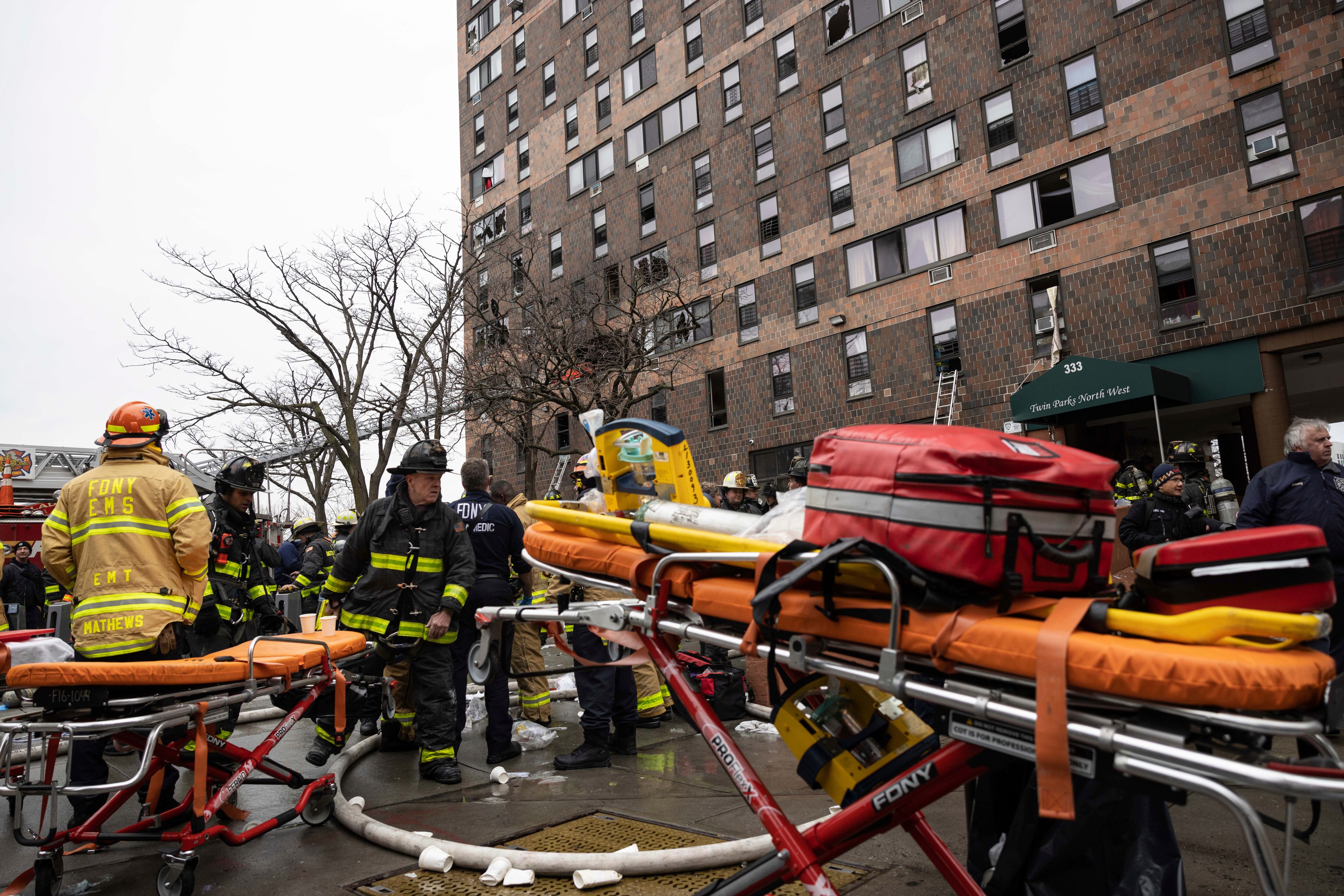
Earlier this month, New York City experienced one of the deadliest fires it has seen in decades. 17 people lost their lives in the Fordham section of the Bronx. This was due to a faulty space heater which reportedly began on the lower floor of the 120 unit building. Thanks to the F. D. N. Y. And heroic neighbors, many were able to get out in time. Unfortunately, the toxic smoke surged upwards through a safety door. Now, many advocates say negligence by policymakers and landlords has led to the deaths in black and brown communities from fires that honestly could have been preventable. Legislative Director of Citizen Action of New York, Rebecca Garrard, and the Chair of Journalism and New Media Studies at St. Joseph's College Theodore Hamm, joined Cheddar to discuss more.
The Supreme Court has declined to order the Texas Abortion case back to the original trial judge for further proceedings. Essentially if Texas abortion providers were able to get their case back to the lower court., It would have greatly helped the group move against the law. However, this decision is likely to prolong the case legal battle. Professor and Author of "The Turnaway Study: Ten Years, a Thousand Women, and the Consequences of Having — Or Being Denied — An Abortion", Diane Foster, joined Cheddar to discuss more.
The Supreme Court rejected yet another bid by abortion providers to block Texas's law - which bans most abortions after six weeks of pregnancy. This is the fourth time that advocates have tried and failed to block the most restrictive abortion ban in the country. Leah Litman, assistant professor of law at The University of Michigan and co-host of the "Strict Scrutiny" podcast, joins Cheddar News to discuss.
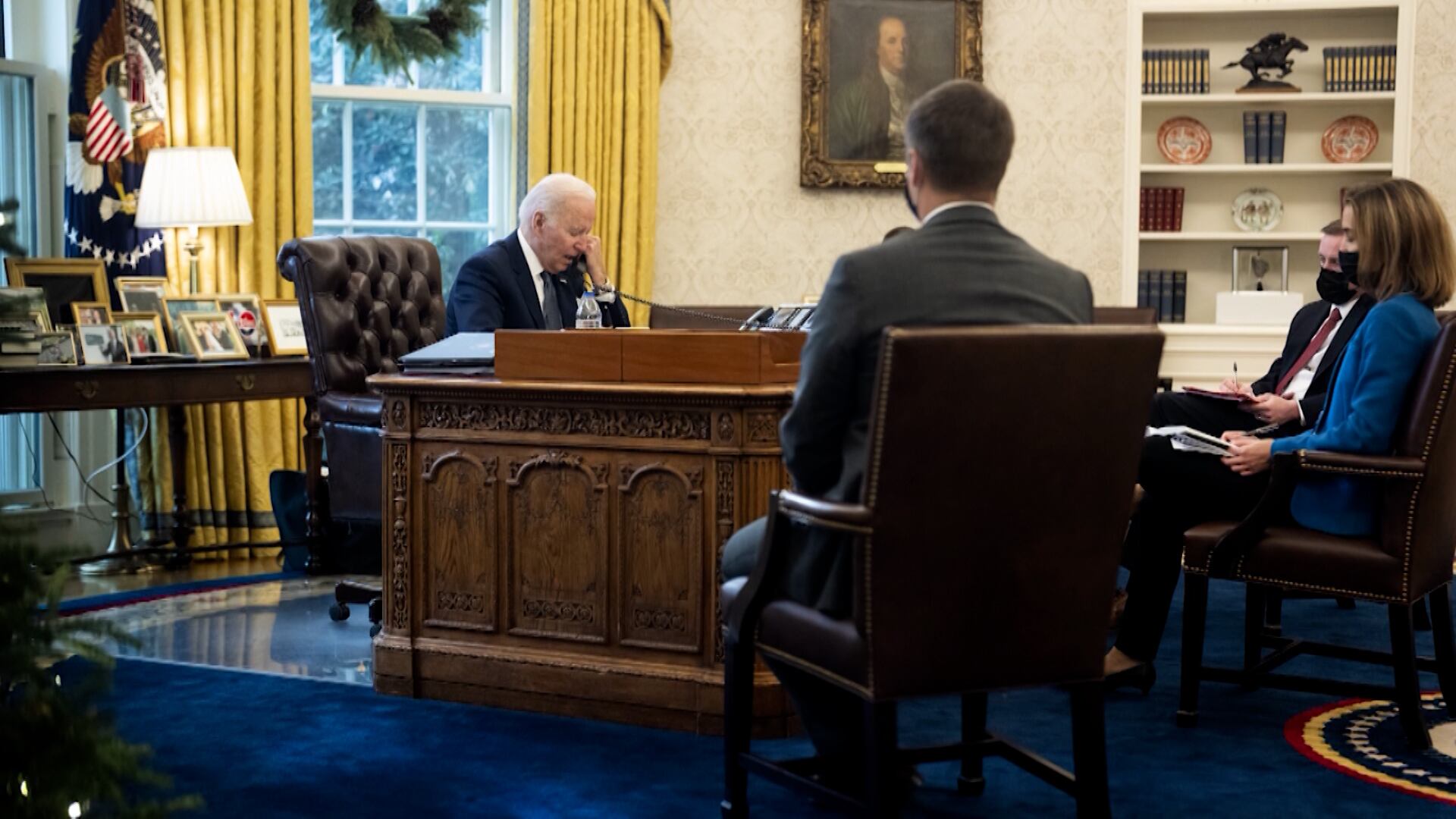
As the standoff between the U.S. and its allies continues with Russia over its possible designs to invade Ukraine, President Biden held a video conference call with European leadership and had 8,500 American troops put on high alert. Jamil Jaffer, a former associate White House counsel for the Bush Administration, joined Cheddar to discuss his views on the escalating crisis in Eastern Europe.
As controversy dogs the run-up to the 2022 Beijing Winter Olympics, China is hiring TikTokers and other social media influencers to promote the nation's history, culture, diplomatic efforts, and current trends.
The Supreme Court has rejected another request to block Texas' strict abortion law. This marks the third time the high court has declined to intervene in challenges to the law that bans abortions after six weeks, well before many women even know they're pregnant. Aziza Ahmed, professor of law at the University of California, Irvine, joined Cheddar News to discuss the impact of the law so far on women seeking abortion services in Texas.
Mayors in cities like Miami and New York City are considering introducing cryptocurrencies as a way to reduce economic inequality. Miami Mayor Francis X. Suarez has even pushed for distributing Bitcoin dividends to the city's inhabitants.
The U.S. will be implementing a vaccine mandate for all people entering through its land borders, removing exemptions for "essential" travelers such as truckers, students, and business people. While the Canadian Trucking Alliance argues that the new, stricter rule might exacerbate ongoing auto supply chain issues, some health experts see the potential for helping curb the ongoing pandemic. Anthony Santella, a professor of health administration at the University of New Haven, joined Cheddar to give his take on the updated border crossing restriction. "We can't just focus on one type of travel. We need to ensure that it's clear and consistent across all types of travel," Santella said.