The U.S. Department of Agriculture said Wednesday it hopes to weed out false or misleading animal-welfare claims on meat and poultry packaging with new guidance and testing.
The claims __ such as “pasture-raised,” “humanely raised,” and “raised without antibiotics” __ are increasingly popular with consumers and allow producers to charge a premium. Perdue “free range” chicken breasts with no antibiotics sell for $5.78 per pound at Walmart, for example; store brand chicken breasts without those claims sell for $2.79 per pound.
Both meat producers and animal welfare advocates say the USDA isn’t adequately substantiating the claims or ensuring they meet consumer expectations. The USDA lets producers define some terms, including “humane,” which can lead to widely varying conditions for animals. Other claims like “free range” are clearly defined by the USDA, but some producers are skirting requirements.
The USDA must approve all animal welfare claims on meat and poultry labels before products can be sold. But unlike “organic” claims, which are verified in person by government regulators, animal welfare claims are substantiated with paperwork submitted to the USDA.
The USDA doesn’t have the regulatory authority to check animal welfare claims on farms, said Sandra Eskin, the USDA’s deputy undersecretary for food safety.
“There are plenty of companies out there that are following the law and many that are not, and that’s just not fair,” Eskin said.
Eskin said the USDA plans to update its guidelines to require more documentation from companies making animal welfare claims. It will also strongly encourage companies to hire third-party verification groups, such as Human Farm Animal Care, a non-profit organization in Virginia that certifies animal welfare claims.
To substantiate “no antibiotics” claims, the USDA also plans to explore new testing that can find traces of antibiotics in animals once they arrive at processing plants.
Eskin said the agency may also update definitions of certain claims, a change some producers have been pressing for. Perdue Foods, a major poultry and pork producer, recently asked the USDA to clarify the difference between “free range” and “pasture raised.” The agency uses the terms interchangeably, Perdue said, even though “free range” chickens may roam in dirt or shrubs and not necessarily pasture.
The nonprofit Animal Welfare Institute, which monitors animal welfare claim submissions to the USDA, found that 85% of the 97 claims it reviewed had inadequate documents substantiating the claims.
“A lot of the substantiation is a sentence or two: ‘I raise my animals humanely,’” said Dena Jones, director of the Animal Welfare Institute’s farmed animal program. “It is wholly inadequate.”
Jones said the USDA has been overwhelmed with new claims as producers try to meet consumer demand for higher animal welfare standards. Last year, Eskin said the government received more than 120 label applications each week.
But Jones praised the steps the USDA is taking, especially its move toward promoting third-party verification.
“It benefits the animals, the earth, the farmers who are spending more money to improve their practices and it benefits the USDA because it makes their process easier,” Jones said.
Big Apple workers who deliver for food apps like Doordash and Grubhub will now receive a number of legal protections provided through a package of new regulations that have started going into effect. These updated rules include more control over their deliveries, pay and tip transparency, a higher minimum pay rate, and access to restaurant bathrooms during the workday. New York City Comptroller Brad Lander joined Cheddar to elaborate on the regulations and how the platform holders reacted. "I have to say it's a mixed bag," he said. "Grubhub actually welcomed the legislation and said they recognize they need to do better by their deliveristas, but DoorDash, unfortunately, has actually been pushing back against the legislation."
Thomas Hoenig, Former CEO of Federal Reserve Bank of Kansas City and currently Distinguished Senior Fellow with the Mercatus Center, joined Cheddar News' Closing Bell, where he says the Fed's decision was no surprise, but believes the Fed is behind the curve on raising rates.
Legal cannabis businesses are having a hard time surviving in California with the high cost of doing business and a still-thriving illicit market. In response, nonprofit Supernova Women, founded by women of color, is advocating on behalf of Black and brown shareholders in the cannabis industry. Amber Senter, co-founder, executive director, and chairman of the organization, spoke with Cheddar News about calling for changes in the Golden State's taxation system for legal marijuana. "We're really leaning on the legislators now to support the industry and make sure that this industry, in particular craft cannabis, can survive," said Senter.
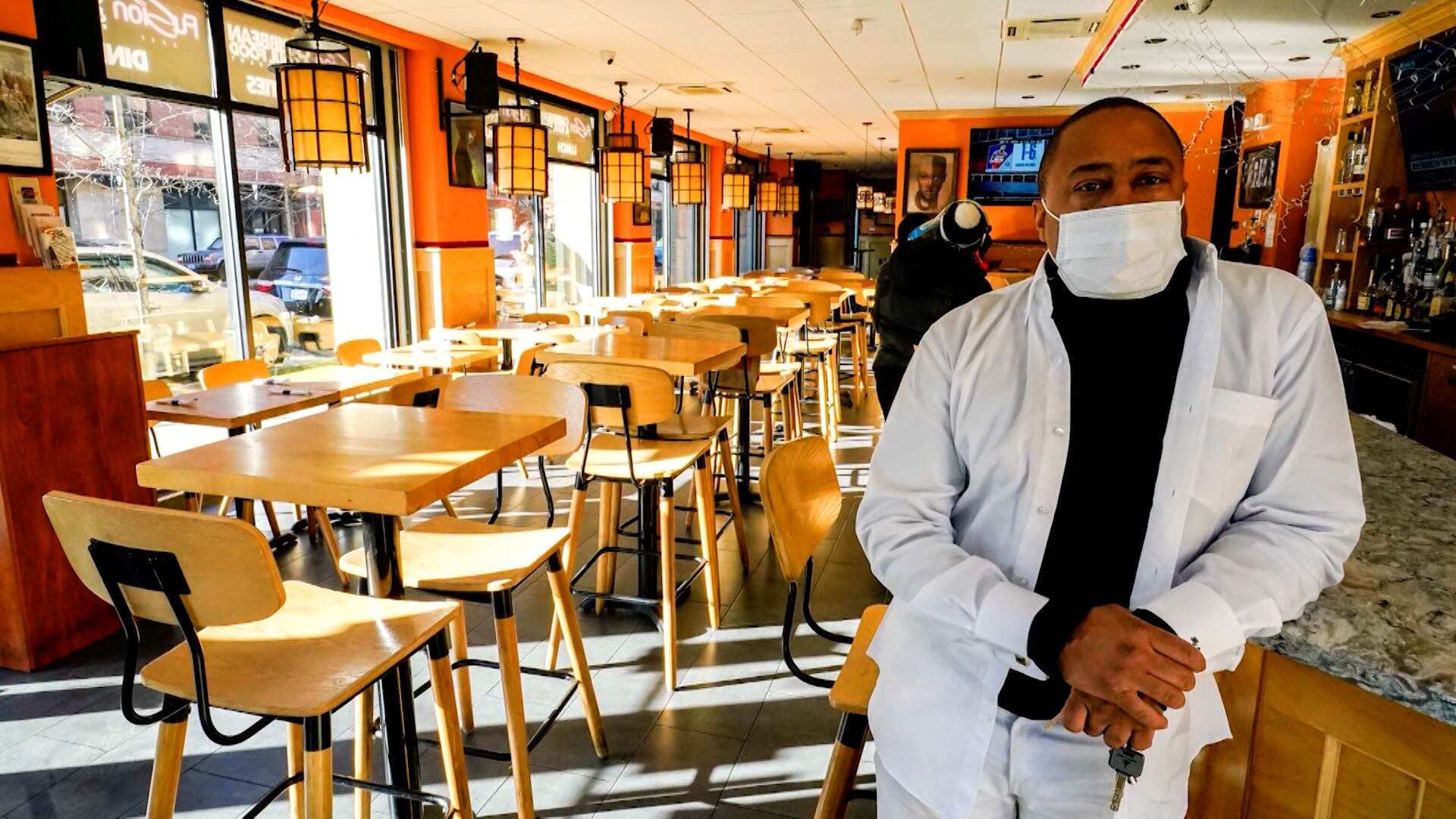
After being among the hardest-hit industries by the pandemic, restaurants are still having a hard time staying afloat, with owners claiming that business is worse now due to closures from staff shortages and customer decline than it was three months ago. Mike Whatley, vice president of state affairs and grassroots advocacy for the National Restaurant Association, spoke to Cheddar News about how the sector is reaching out to lawmakers for help. "Working with Senators Wicker, Sinema, and a whole host of bipartisan leaders, we're trying to get the Restaurant Revitalization Fund replenished," Whatley said.
Communities of color are disproportionately affected by climate change and continuously feel the impacts. Mark Magaña, founding president and CEO of Green Latinos joined All Hands to discuss.
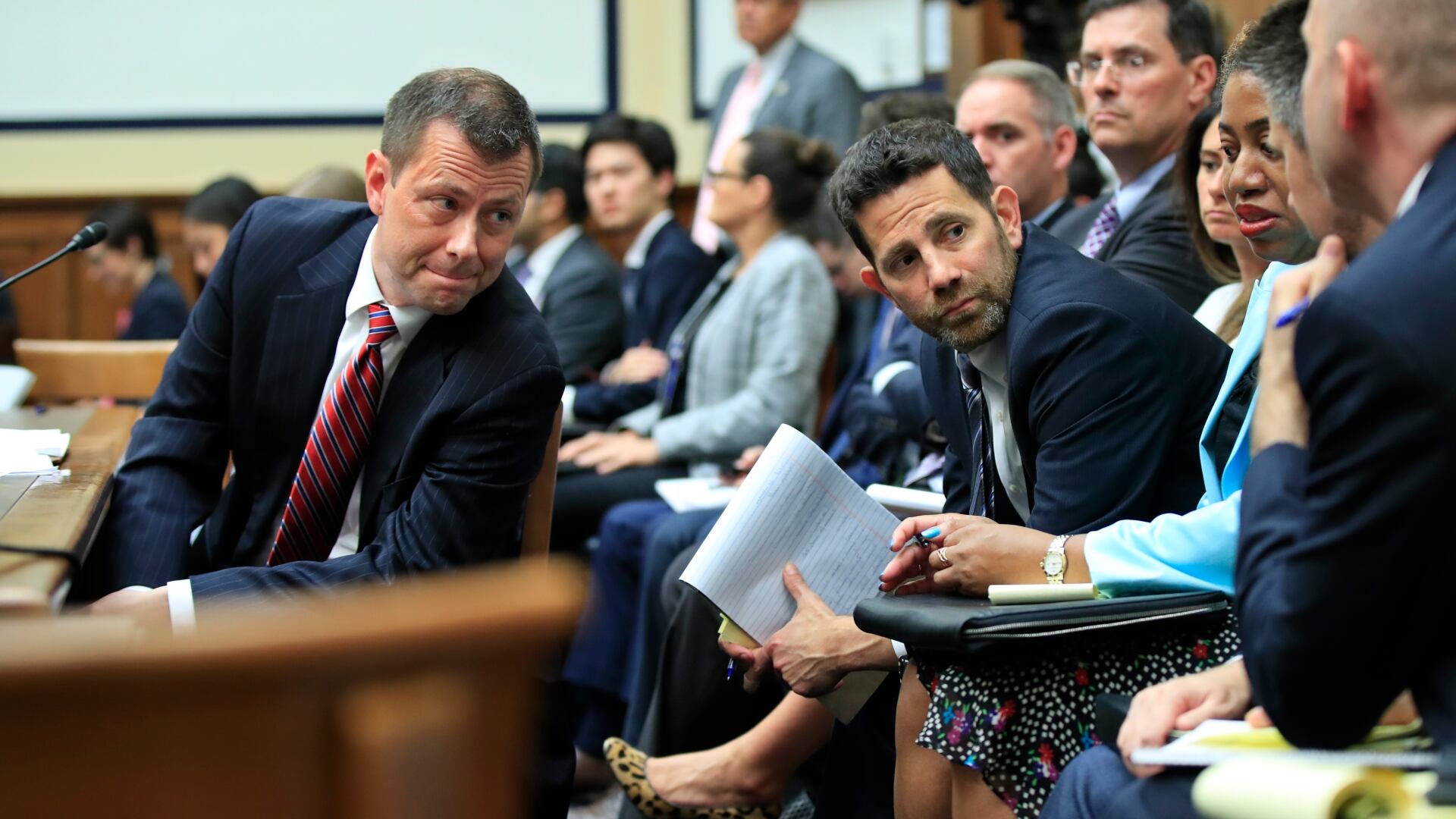
The memoir, "COMPROMISED: Counterintelligence and the Threat of Donald J. Trump", tells a familiar story from a bit of a different source: Peter Strzok himself, former FBI Counterintelligence Agents and Agency Veteran who spent most of his very long career investigating some of the most controversial inquiries, most notably in recent American history. Those inquiries were Hillary Clinton's email to even Trump Russia investigations. Former FBI Agent and Author of "Compromised" Peter Strzok, joined Cheddar to discuss more.
President Biden's first year did not come to the close that he had hoped after last night's Senate vote blocked the voting rights bill, a priority that Biden has promoted since his inauguration. Joining us to discuss the voting rights bill, and many others passing through congress is congresswoman Lori Trahan, representing Massachusett's 3rd district.