The U.S. Department of Agriculture said Wednesday it hopes to weed out false or misleading animal-welfare claims on meat and poultry packaging with new guidance and testing.
The claims __ such as “pasture-raised,” “humanely raised,” and “raised without antibiotics” __ are increasingly popular with consumers and allow producers to charge a premium. Perdue “free range” chicken breasts with no antibiotics sell for $5.78 per pound at Walmart, for example; store brand chicken breasts without those claims sell for $2.79 per pound.
Both meat producers and animal welfare advocates say the USDA isn’t adequately substantiating the claims or ensuring they meet consumer expectations. The USDA lets producers define some terms, including “humane,” which can lead to widely varying conditions for animals. Other claims like “free range” are clearly defined by the USDA, but some producers are skirting requirements.
The USDA must approve all animal welfare claims on meat and poultry labels before products can be sold. But unlike “organic” claims, which are verified in person by government regulators, animal welfare claims are substantiated with paperwork submitted to the USDA.
The USDA doesn’t have the regulatory authority to check animal welfare claims on farms, said Sandra Eskin, the USDA’s deputy undersecretary for food safety.
“There are plenty of companies out there that are following the law and many that are not, and that’s just not fair,” Eskin said.
Eskin said the USDA plans to update its guidelines to require more documentation from companies making animal welfare claims. It will also strongly encourage companies to hire third-party verification groups, such as Human Farm Animal Care, a non-profit organization in Virginia that certifies animal welfare claims.
To substantiate “no antibiotics” claims, the USDA also plans to explore new testing that can find traces of antibiotics in animals once they arrive at processing plants.
Eskin said the agency may also update definitions of certain claims, a change some producers have been pressing for. Perdue Foods, a major poultry and pork producer, recently asked the USDA to clarify the difference between “free range” and “pasture raised.” The agency uses the terms interchangeably, Perdue said, even though “free range” chickens may roam in dirt or shrubs and not necessarily pasture.
The nonprofit Animal Welfare Institute, which monitors animal welfare claim submissions to the USDA, found that 85% of the 97 claims it reviewed had inadequate documents substantiating the claims.
“A lot of the substantiation is a sentence or two: ‘I raise my animals humanely,’” said Dena Jones, director of the Animal Welfare Institute’s farmed animal program. “It is wholly inadequate.”
Jones said the USDA has been overwhelmed with new claims as producers try to meet consumer demand for higher animal welfare standards. Last year, Eskin said the government received more than 120 label applications each week.
But Jones praised the steps the USDA is taking, especially its move toward promoting third-party verification.
“It benefits the animals, the earth, the farmers who are spending more money to improve their practices and it benefits the USDA because it makes their process easier,” Jones said.
Inflation remains hot as the January PPI has increased by 1 percent, twice what analysts had been expecting with a jump of 9.7 over the year. Beth Ann Bovino, the U.S. chief economist, for S&P Global Ratings, joined Cheddar News to discuss the rapid pace of inflation alongside higher wages, predicting the Federal Reserve will act quickly and forcefully this year. "They haven't changed their forecast, yet, that's gonna come out soon. But we expect that a March rate hike is basically pretty much baked in the cake," she said. "We think six rate hikes in total for 2022."
For black history month, Cheddar is highlighting black business leaders who are driving the need for representation forward. On February 10, the U.S. Chamber of Commerce hosted an event called 'Developing the Black-Owned Business Ecosystem.' The virtual event was organized under the lobbying group's two initiatives -- the Equality of Opportunity Initiative, and the Coalition to Back Black Businesses. The event highlighted the developments needed to develop more black-owned businesses in the U.S. Dr. Anthony Wilbon, Dean of the School of Business at Howard University, joined Cheddar News' Closing Bell to discuss his experience as a speaker at the event.
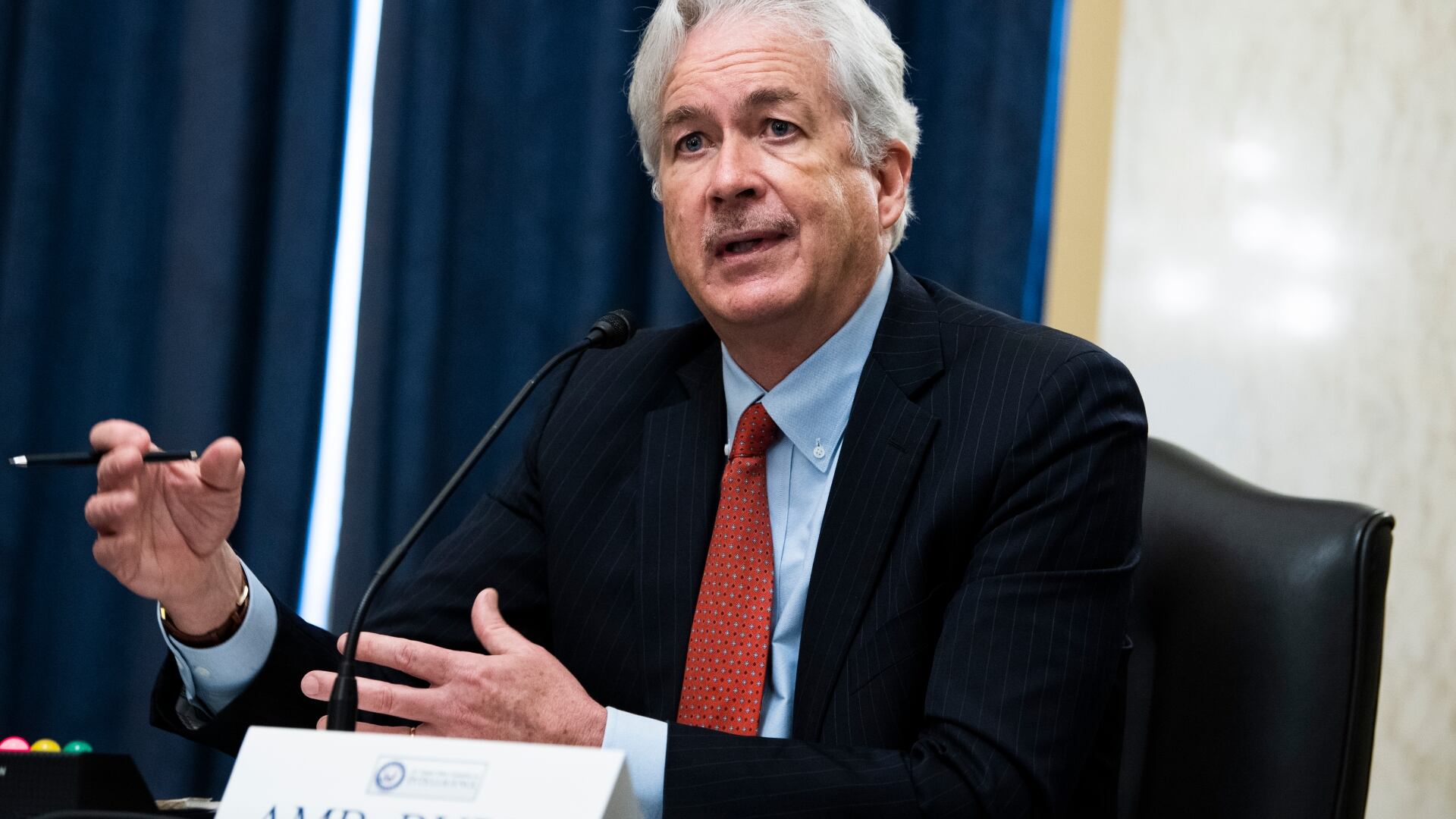
A newly declassified letter by senators Ron Wyden and Martin Heinrich claimed the CIA. has been conducting a Secret Surveillance Program which has been collecting a bulk of data from American citizens. The letter which was written in April of 2021 urges the CIA to come clean about the kind of data it collects and how many Americans have been impacted. According to these two senators, the program did not have the safeguards of congressional oversight.
Art Hogan, Chief Market Strategist at National Securities, joined Cheddar News' Closing Bell, where he says investors are taking a wait-and-see approach when it comes to the situation between Russia and the Ukraine and elaborates on the impact higher oil prices stemming from the conflict would have on the market.
Last week, Senators Ron Wyden of Oregon and Martin Heinrich of New Mexico, Democrats on the Senate Intelligence Committee, wrote a a letter airing concerns that the CIA is collecting the data of American citizens without their consent. The lawmakers fear that the program might be exploiting private data. Morgan Wright, the chief security advisor at cybersecurity firm SentinelOne, joined Cheddar News to discuss the ramifications of the letter. "We don't have all the dots in one place to connect them," said Wright, cautioning against jumping to conclusions.
Russian President Vladimir Putin and his Foreign Minister Sergey Lavrov said that diplomacy is still possible, while U.S. officials warn that an attack on Ukraine is imminent. Cheddar News speaks with James Astill, Washington bureau chief of The Economist on the latest developments in Eastern Europe.
As the number of Russian troops rose to 130,000 along its Ukrainian border, hopes for a diplomatic solution remain among world leaders. Jason McMann, head of geopolitical risk analysis at Morning Consult, joined Cheddar News to break down the fluid situation. "We saw signs pointing towards an increase in tensions between Ukraine and Russia, whereas today we're seeing some signs that the Russian government may be willing to continue down a path of diplomatic negotiations to try and find some sort of non-military solution," he said.
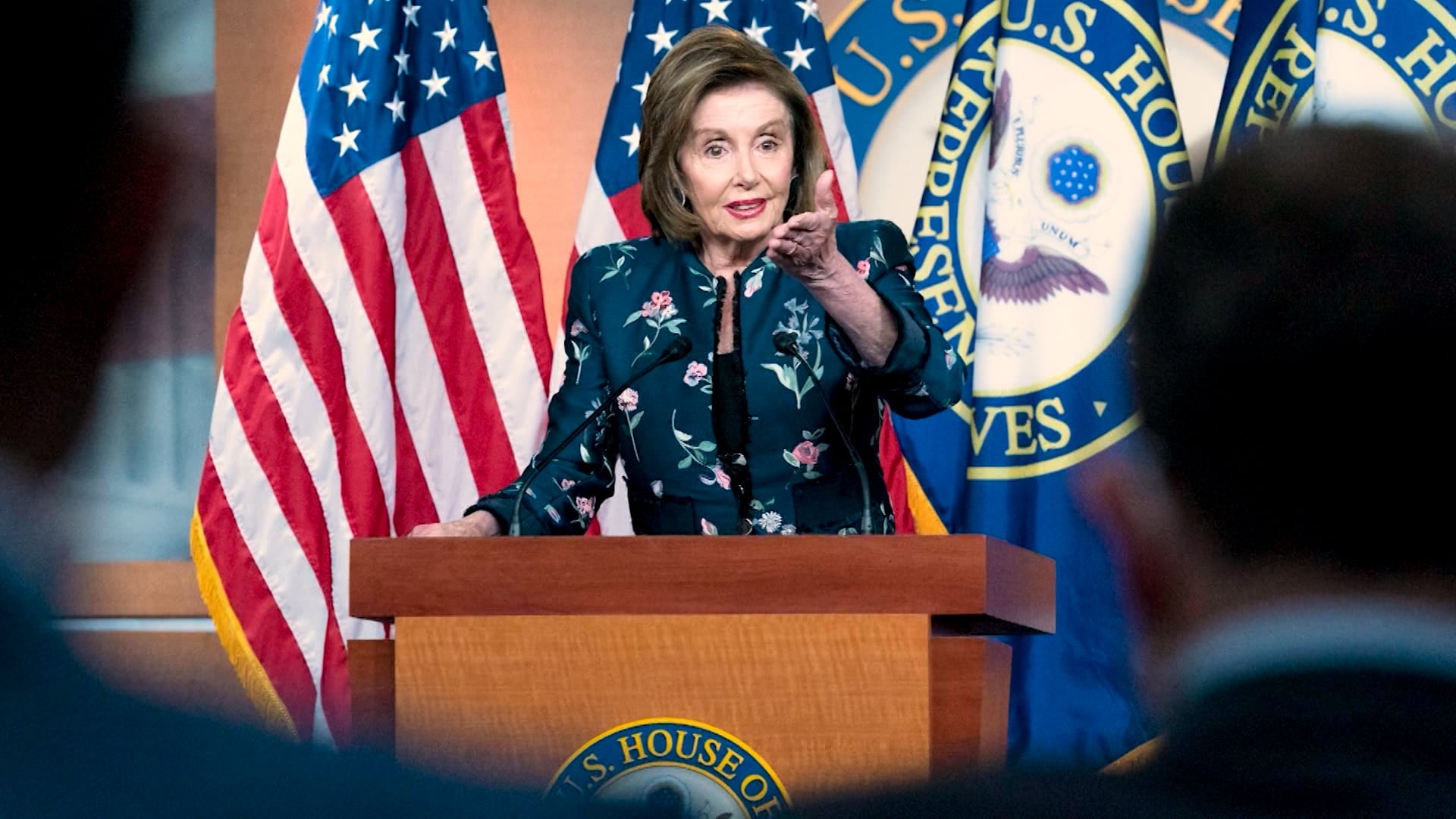
Nancy Pelosi and House Democratic leaders are now planning to amend the stop trading on congressional knowledge act, otherwise known as the 'Stock' Act. This 2012 law governs how members disclose the purchase or sale of stocks and amending it would close a loophole, eliminating the trading of individual stocks by members of congress. Pelosi has consistently opposed a ban on stock trading by lawmakers and congressional staff...so what's changed? Kedric Payne, Vice President of Campaign Legal Center, joins Cheddar News to discuss.
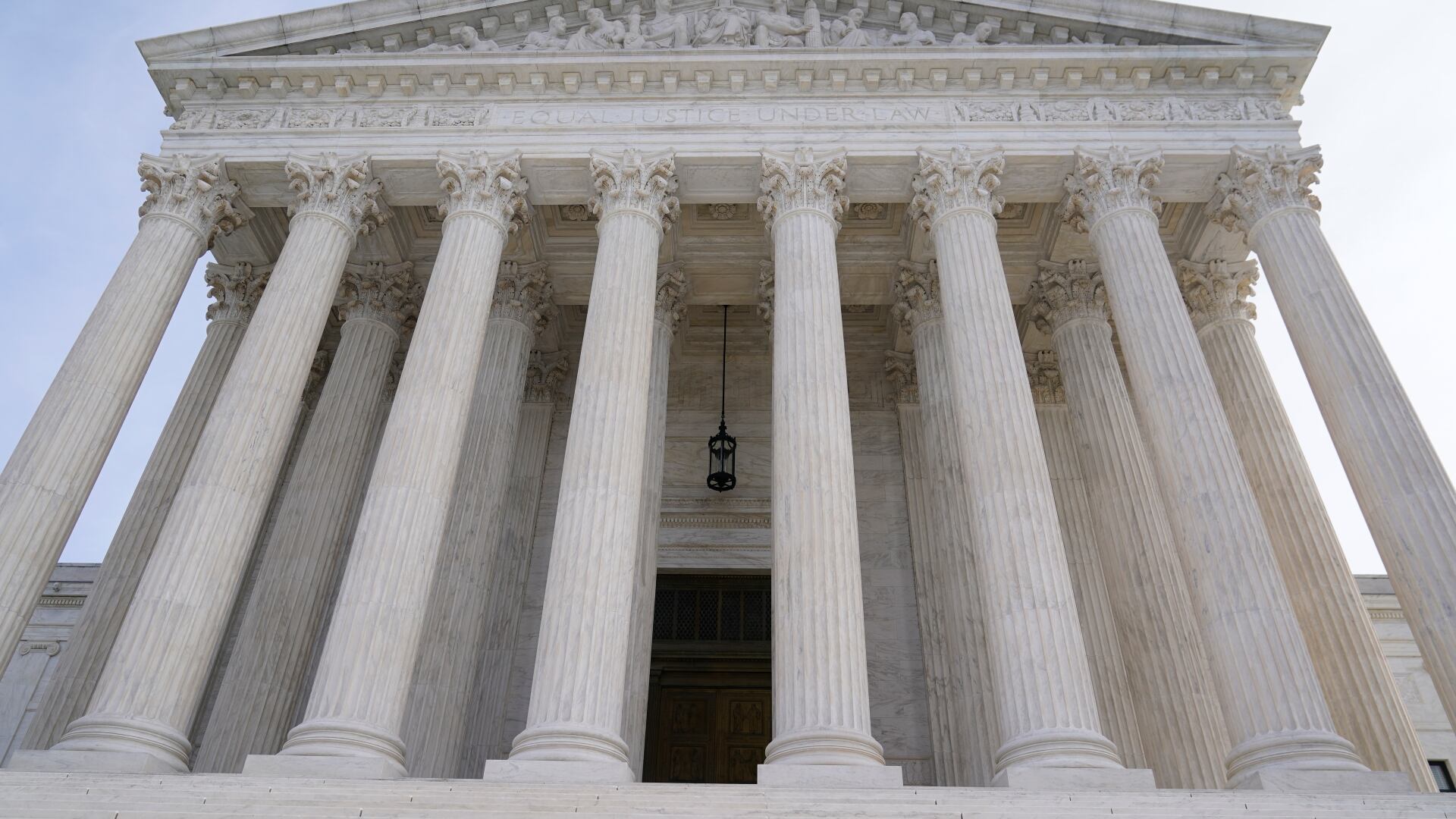
In a 5-4 vote, the U.S. Supreme Court allowed for a controversial new version of the Alabama congressional map to remain in place. The lower court had previously ordered that the state must redraw that congressional map because it violates the Voting Rights Act by diluting the political power of Black voters. Redistricting expert Yurij Rudensky joins Cheddar News to weigh in.