The U.S. Department of Agriculture said Wednesday it hopes to weed out false or misleading animal-welfare claims on meat and poultry packaging with new guidance and testing.
The claims __ such as “pasture-raised,” “humanely raised,” and “raised without antibiotics” __ are increasingly popular with consumers and allow producers to charge a premium. Perdue “free range” chicken breasts with no antibiotics sell for $5.78 per pound at Walmart, for example; store brand chicken breasts without those claims sell for $2.79 per pound.
Both meat producers and animal welfare advocates say the USDA isn’t adequately substantiating the claims or ensuring they meet consumer expectations. The USDA lets producers define some terms, including “humane,” which can lead to widely varying conditions for animals. Other claims like “free range” are clearly defined by the USDA, but some producers are skirting requirements.
The USDA must approve all animal welfare claims on meat and poultry labels before products can be sold. But unlike “organic” claims, which are verified in person by government regulators, animal welfare claims are substantiated with paperwork submitted to the USDA.
The USDA doesn’t have the regulatory authority to check animal welfare claims on farms, said Sandra Eskin, the USDA’s deputy undersecretary for food safety.
“There are plenty of companies out there that are following the law and many that are not, and that’s just not fair,” Eskin said.
Eskin said the USDA plans to update its guidelines to require more documentation from companies making animal welfare claims. It will also strongly encourage companies to hire third-party verification groups, such as Human Farm Animal Care, a non-profit organization in Virginia that certifies animal welfare claims.
To substantiate “no antibiotics” claims, the USDA also plans to explore new testing that can find traces of antibiotics in animals once they arrive at processing plants.
Eskin said the agency may also update definitions of certain claims, a change some producers have been pressing for. Perdue Foods, a major poultry and pork producer, recently asked the USDA to clarify the difference between “free range” and “pasture raised.” The agency uses the terms interchangeably, Perdue said, even though “free range” chickens may roam in dirt or shrubs and not necessarily pasture.
The nonprofit Animal Welfare Institute, which monitors animal welfare claim submissions to the USDA, found that 85% of the 97 claims it reviewed had inadequate documents substantiating the claims.
“A lot of the substantiation is a sentence or two: ‘I raise my animals humanely,’” said Dena Jones, director of the Animal Welfare Institute’s farmed animal program. “It is wholly inadequate.”
Jones said the USDA has been overwhelmed with new claims as producers try to meet consumer demand for higher animal welfare standards. Last year, Eskin said the government received more than 120 label applications each week.
But Jones praised the steps the USDA is taking, especially its move toward promoting third-party verification.
“It benefits the animals, the earth, the farmers who are spending more money to improve their practices and it benefits the USDA because it makes their process easier,” Jones said.
Tensions in Ukraine continue to rise. According to NATO and U.S. officials, Russian troops are still being built up despite Moscow's claims of de-escalation. However, Ukraine does not believe the troops are enough to mount an invasion. The government in Kyiv has also reported several cyber attacks against its defense agencies and banks which is the largest attack in the country's history. Foreign Affairs Reporter based in Ukrain, Terrell Starr, joined Cheddar to discuss more
A Senate bill unveiled on Wednesday looks to tackleonline safety for children by regulating Big Tech and social media platforms to deter users from content that can harm their mental health. Irene Ly, a policy counsel for the age-based ratings and review organization Common Sense Media, joined Cheddar News to break down the potential of the Kids Online Safety Act. "We can't be imposing such a big burden on parents to be doing it all on theirselves," Ly said. "I think you also have to keep in mind that parents often didn't grow up with social media, so they don't understand what it's like to be addicted to social media or really understand how they work."
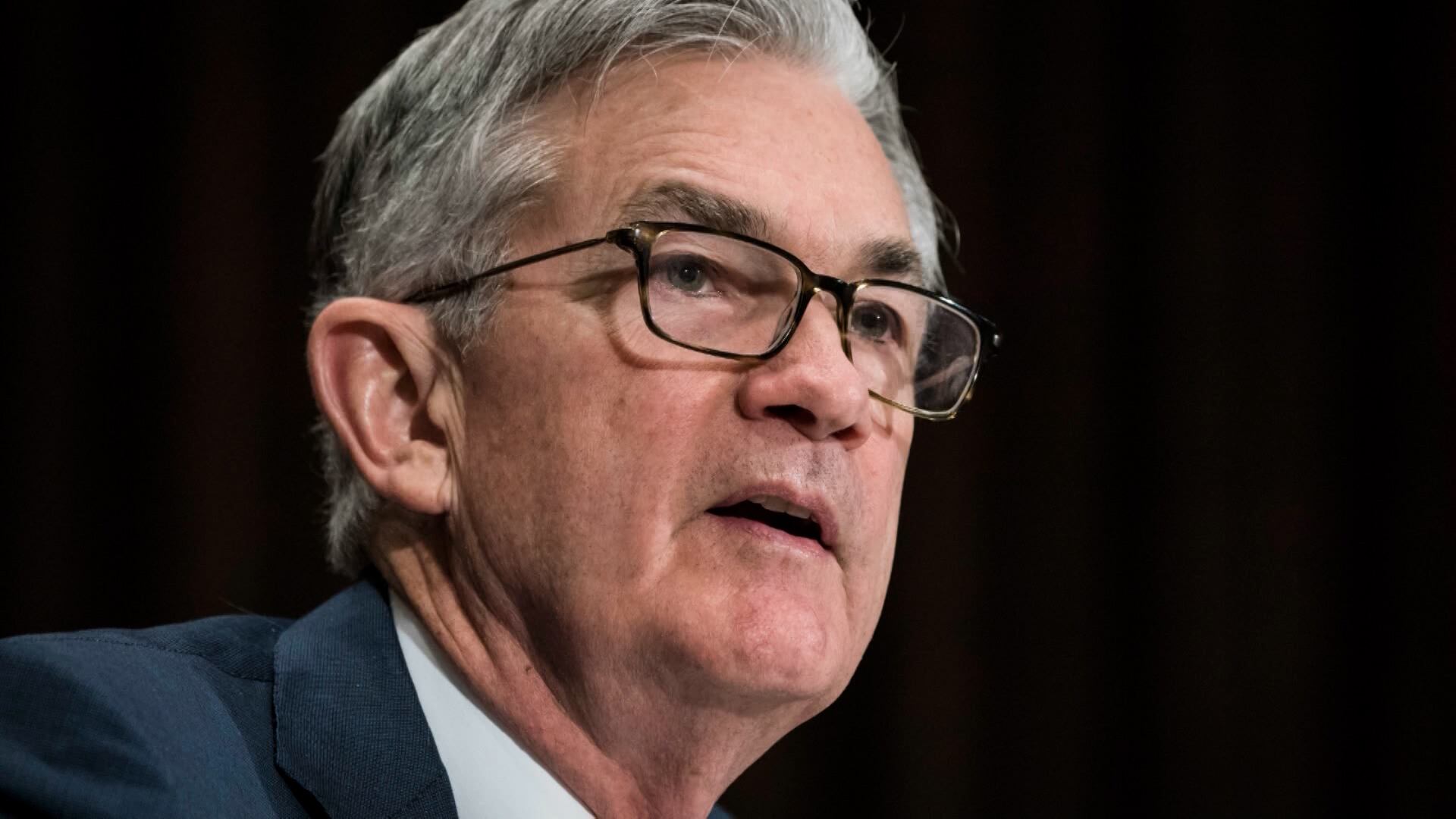
The Federal Reserve minutes from its January meeting are indicating it's sticking to an interest rate hike in March, but what does the report coupled with ongoing inflation mean for investors going forward? Scott Brown, a market strategist at LPL Financial, joined Cheddar News to break down the minutes and talk about how investors might navigate the rest of the year. "it seems like the market is kind of inclined to trade off these headlines, really, through the first half of the year," he said. "And then, oh, don't forget, we've got midterm elections, which always tend to add a little bit of volatility in the second half of the year." Brown noted that the path forward for stock investors in 2022 would be "rockier" than last year.
Senators Richard Blumenthal (D-Conn.) and Marsha Blackburn (R-Tenn.) have introduced a new bill to afford greater protection to minors on social media. The genesis of the Kids Online Safety Act came from a Facebook whistleblower case exposing the harm apps can have on the mental health of young girls.
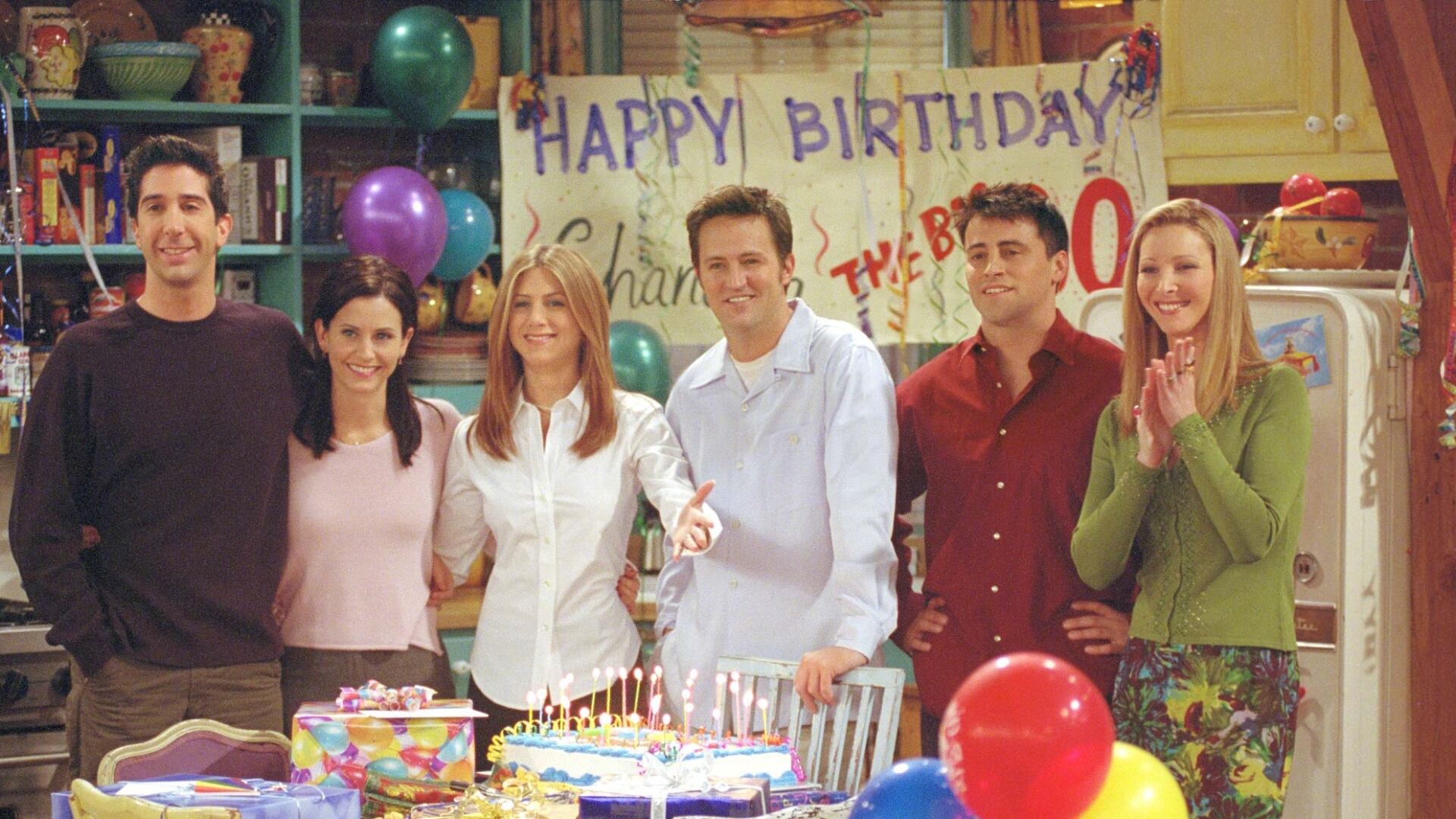
The Chinese government brought the sitcom "Friends" back to its streaming services. However, it had instances of LGBTQ+ references left out, after the series had been banned on Chinese streaming platforms for years.
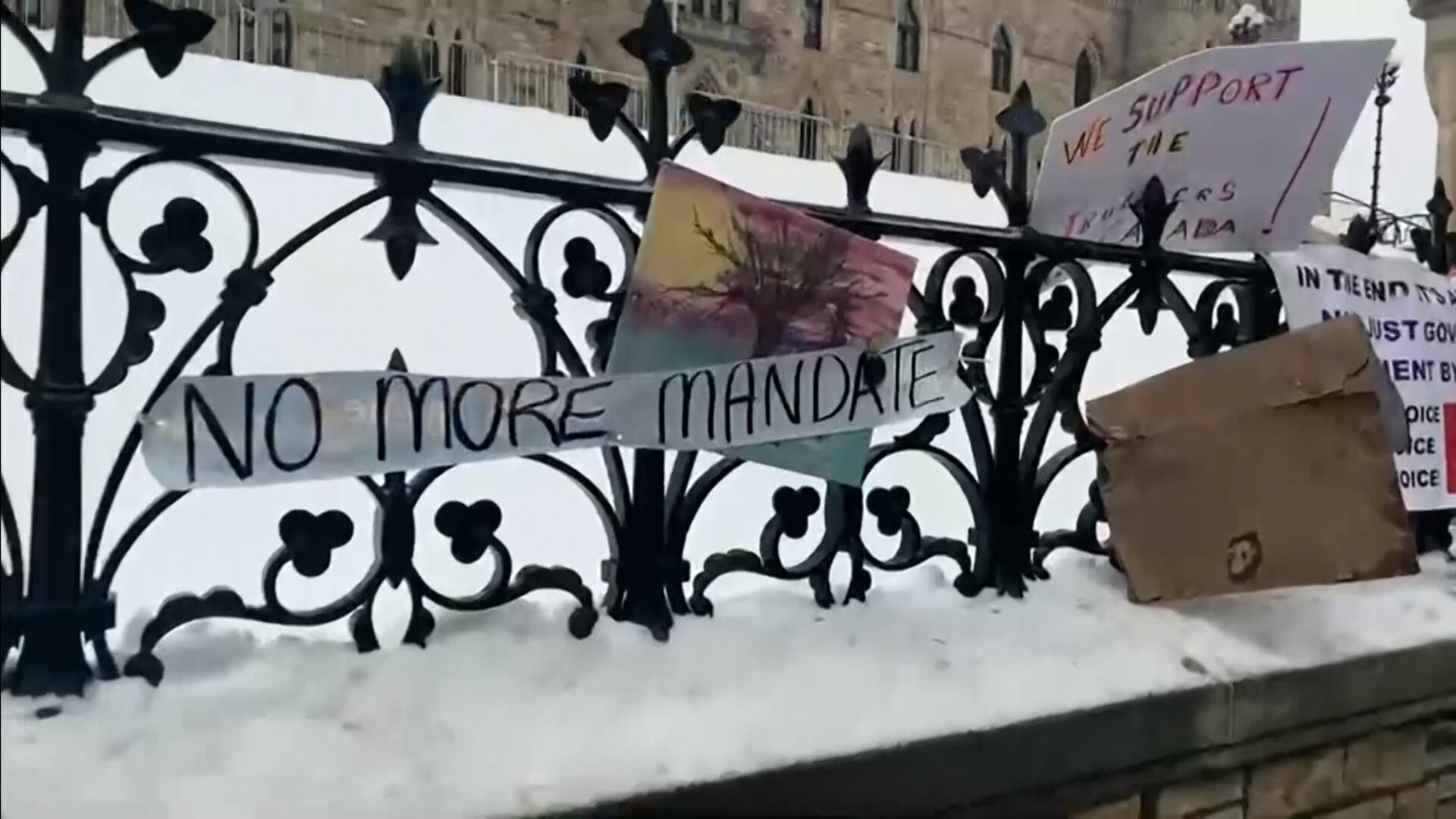
Prime Minister Justin Trudeau declared a national public order emergency as a 'last resort' to restore order after protests have significantly disrupted daily life and impacted the local economy since the protests began. It is the first time in 50 years a Canadian government has taken this type of action. Myah Ward, breaking news reporter at Politico, joins Cheddar News to discuss.
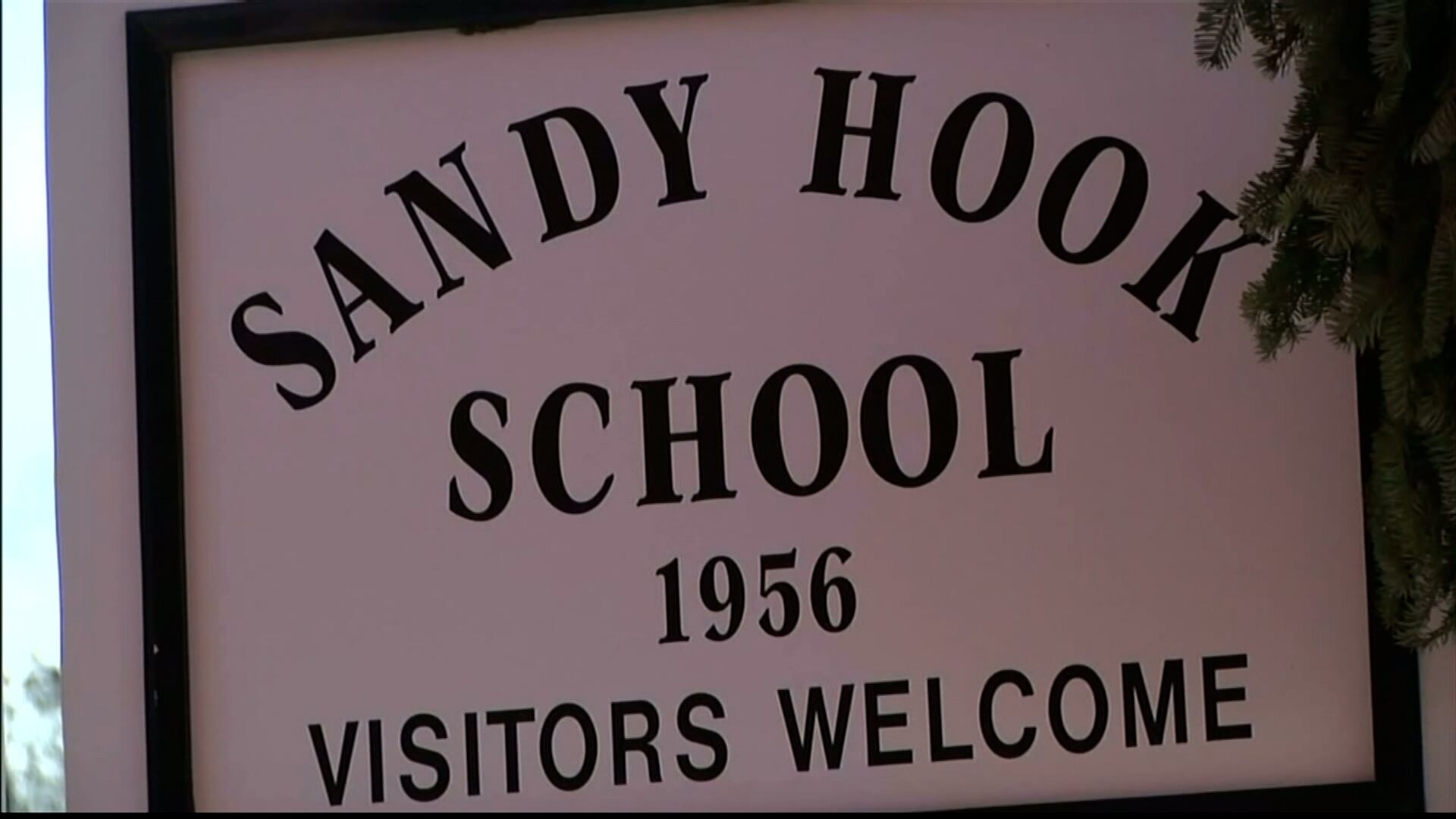
Almost a decade after facing a parent's worst nightmare, the families of the young students killed in the Sandy Hook School shooting reached a settlement with gun manufacturer Remington, makers of the Bushmaster AR-15 used in the crime. David Pucino, deputy chief counsel, Giffords Law Center to Prevent Gun Violence joined Cheddar News to discuss the families' case and how its strategy brought about the legal settlement. "They built a really great case showing the way that Bushmaster developed its advertising to drive sales using those toxic messages.
A new analysis reveals that for more than two decades, the West has been the driest it has ever been since 800 A.D. The drought which began in 2000 has brought more devastating wildfires and draining water reserves well below healthy levels. Climate Scientists and Adjunct Associate Research Scientist at Lamont Doherty Earth Observatory at Columbia University,Benjamin Cook, joined Cheddar to discuss more.