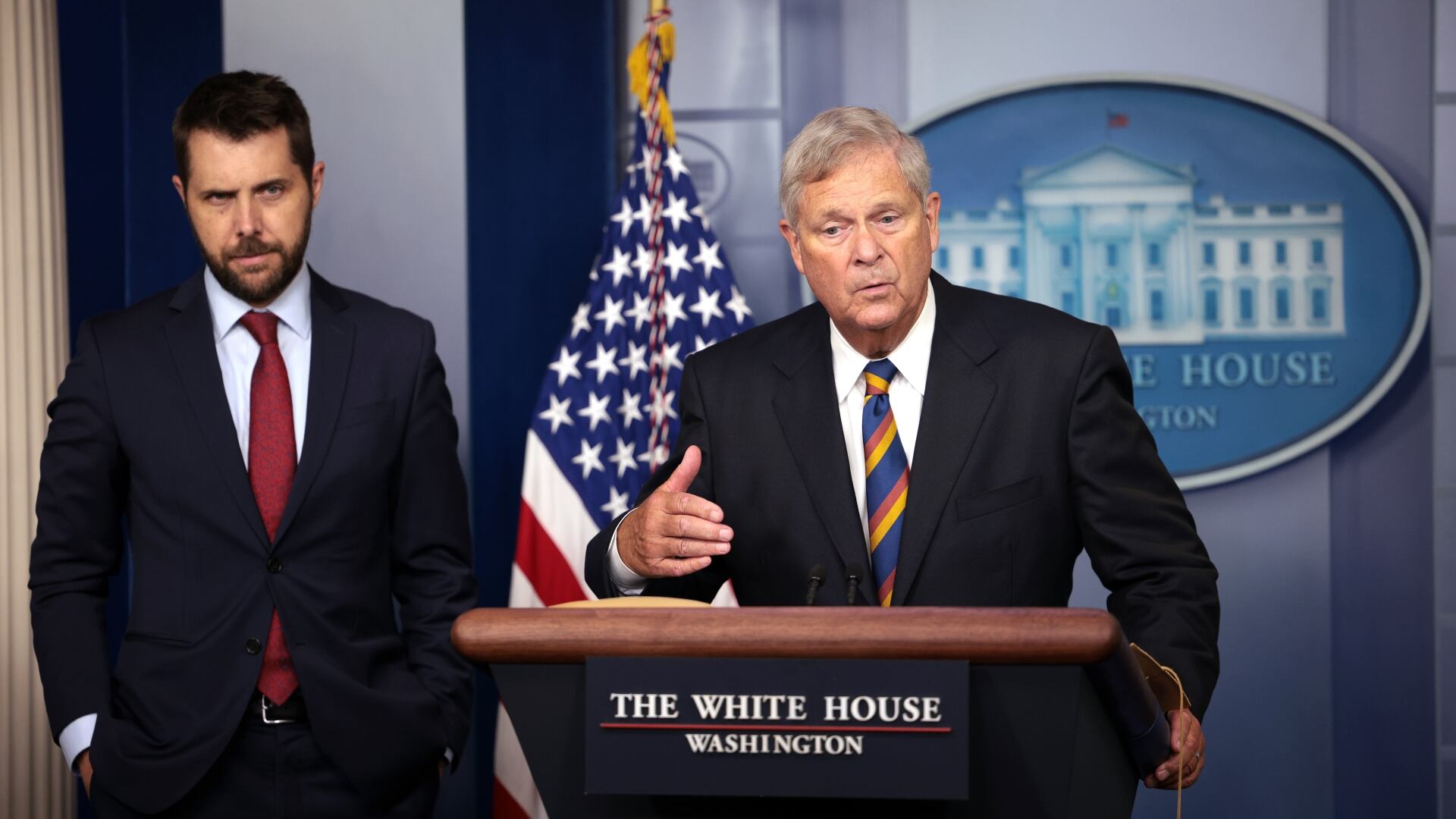
The U.S. Department of Agriculture said Wednesday it hopes to weed out false or misleading animal-welfare claims on meat and poultry packaging with new guidance and testing.
The claims __ such as “pasture-raised,” “humanely raised,” and “raised without antibiotics” __ are increasingly popular with consumers and allow producers to charge a premium. Perdue “free range” chicken breasts with no antibiotics sell for $5.78 per pound at Walmart, for example; store brand chicken breasts without those claims sell for $2.79 per pound.
Both meat producers and animal welfare advocates say the USDA isn’t adequately substantiating the claims or ensuring they meet consumer expectations. The USDA lets producers define some terms, including “humane,” which can lead to widely varying conditions for animals. Other claims like “free range” are clearly defined by the USDA, but some producers are skirting requirements.
The USDA must approve all animal welfare claims on meat and poultry labels before products can be sold. But unlike “organic” claims, which are verified in person by government regulators, animal welfare claims are substantiated with paperwork submitted to the USDA.
The USDA doesn’t have the regulatory authority to check animal welfare claims on farms, said Sandra Eskin, the USDA’s deputy undersecretary for food safety.
“There are plenty of companies out there that are following the law and many that are not, and that’s just not fair,” Eskin said.
Eskin said the USDA plans to update its guidelines to require more documentation from companies making animal welfare claims. It will also strongly encourage companies to hire third-party verification groups, such as Human Farm Animal Care, a non-profit organization in Virginia that certifies animal welfare claims.
To substantiate “no antibiotics” claims, the USDA also plans to explore new testing that can find traces of antibiotics in animals once they arrive at processing plants.
Eskin said the agency may also update definitions of certain claims, a change some producers have been pressing for. Perdue Foods, a major poultry and pork producer, recently asked the USDA to clarify the difference between “free range” and “pasture raised.” The agency uses the terms interchangeably, Perdue said, even though “free range” chickens may roam in dirt or shrubs and not necessarily pasture.
The nonprofit Animal Welfare Institute, which monitors animal welfare claim submissions to the USDA, found that 85% of the 97 claims it reviewed had inadequate documents substantiating the claims.
“A lot of the substantiation is a sentence or two: ‘I raise my animals humanely,’” said Dena Jones, director of the Animal Welfare Institute’s farmed animal program. “It is wholly inadequate.”
Jones said the USDA has been overwhelmed with new claims as producers try to meet consumer demand for higher animal welfare standards. Last year, Eskin said the government received more than 120 label applications each week.
But Jones praised the steps the USDA is taking, especially its move toward promoting third-party verification.
“It benefits the animals, the earth, the farmers who are spending more money to improve their practices and it benefits the USDA because it makes their process easier,” Jones said.
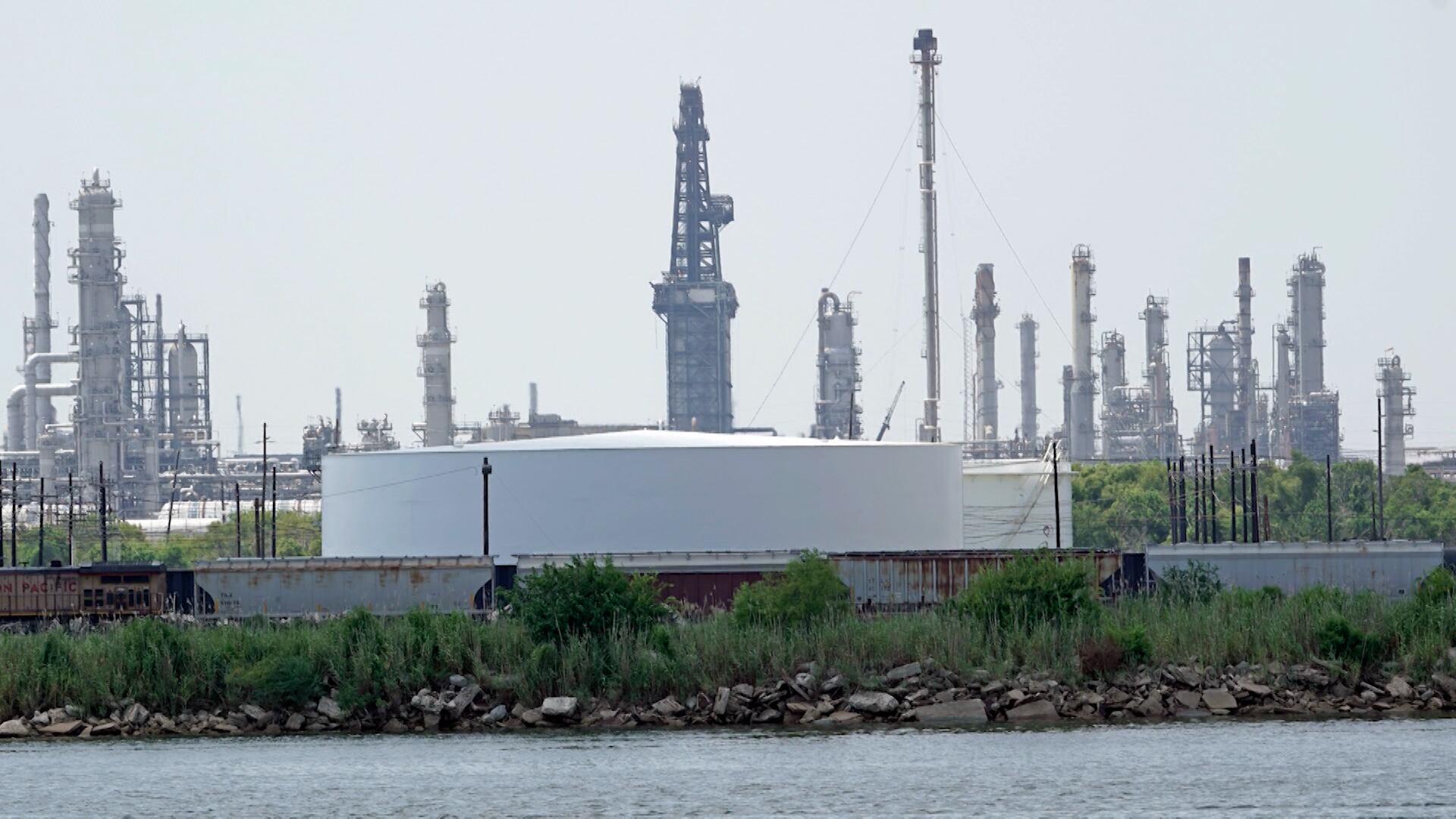
President Biden announced a ban on Russian oil and natural gas imports to the U.S. in response to its invasion of Ukraine, a move he warned could lead to an even greater surge in gas prices. The ban is prompting a conversation about the current oil production levels in the U.S. and whether or not the industry can ramp up production to soften the blow to American families at the gas pump. Clark Williams-Derry, Energy Finance Analyst with the Institute for Energy Economics and Financial Analysis, breaks down the state of the U.S. oil industry and how the ban might impact production levels here at home.
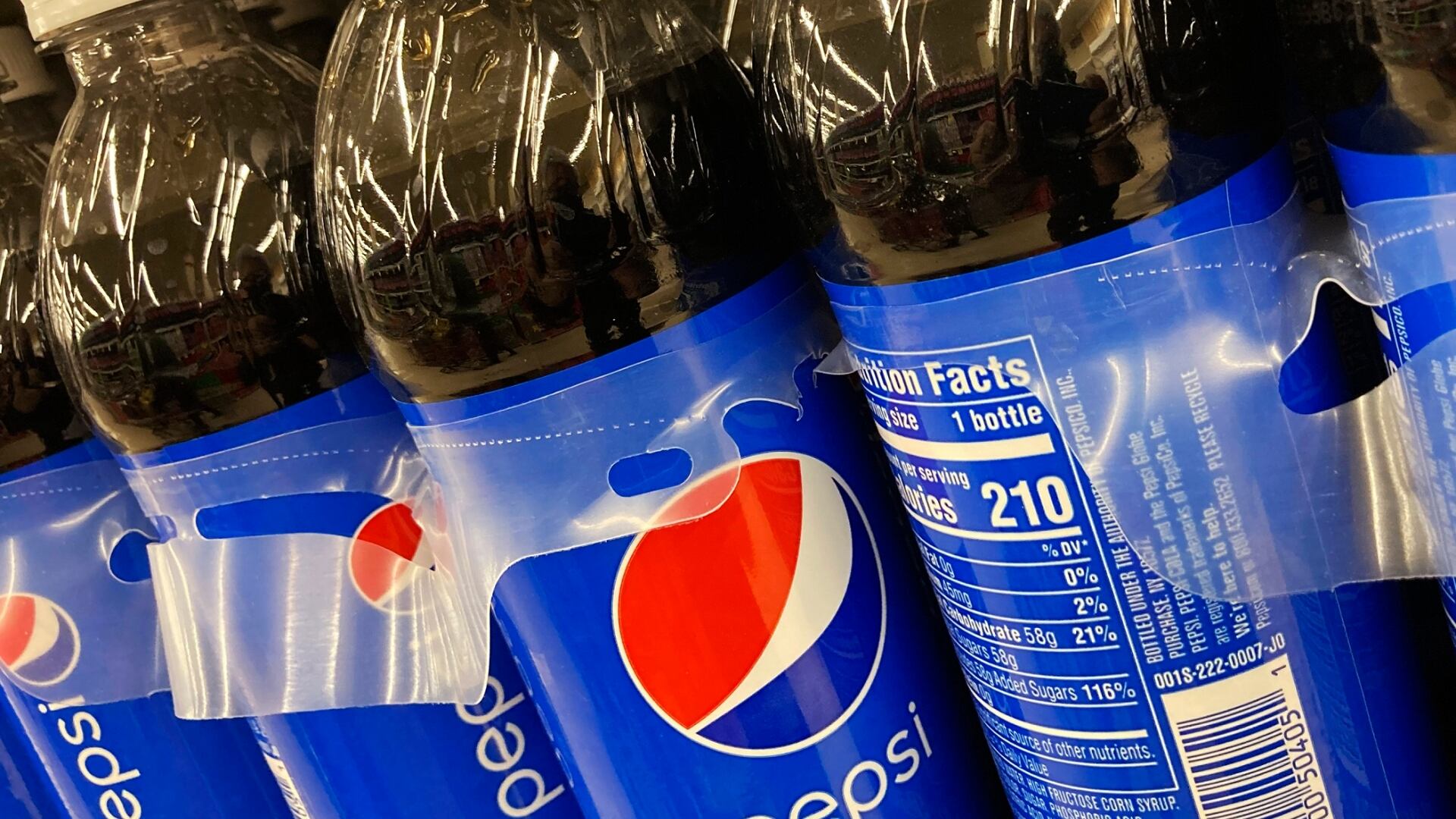
PepsiCo, Coca-Cola, McDonald’s, and Starbucks are the latest American food brands to have halted business operations in Russia after having faced scrutiny and criticism for originally failing to do so amid the country's invasion of Ukraine.
As Russia intensifies its war on Ukraine, President Biden announced a ban on oil imported from the aggressor nation. Critics of Russia have said this would be the best way to force Putin to pull back, but curbs on Russian oil exports are expected to send already skyrocketing oil and gas prices even higher, further impacting consumers, businesses, financial markets, and the global economy. Leslie Beyer, CEO of the Energy Workforce and Technology Council, joined Cheddar News' Closing Bell to discuss. "It's certainly going to increase pricing, but it is the right thing to do," she said. "The industry itself has already pulled out of the significant portion of its operations in Russia."
Sports Betting in the U.S. is booming. According to industry experts, we could see another boom this year as more states move towards statewide legalization of sports wagering. While this comes as huge news for fans, there are some very real concerns as to whether or not sports betting potentially poses a threat to public health. Senior Clinician at the Caron Treatment Centers, Eric Webber, joined Cheddar to discuss more.
The Biden administration has made gender policy a core part of how it governs. The president established the first Gender Policy Council. It's on the same level as the National Security Council, Domestic Policy Council and National Economic Council, putting the interests of women and other underserved groups at the table for the most important policy discussions.
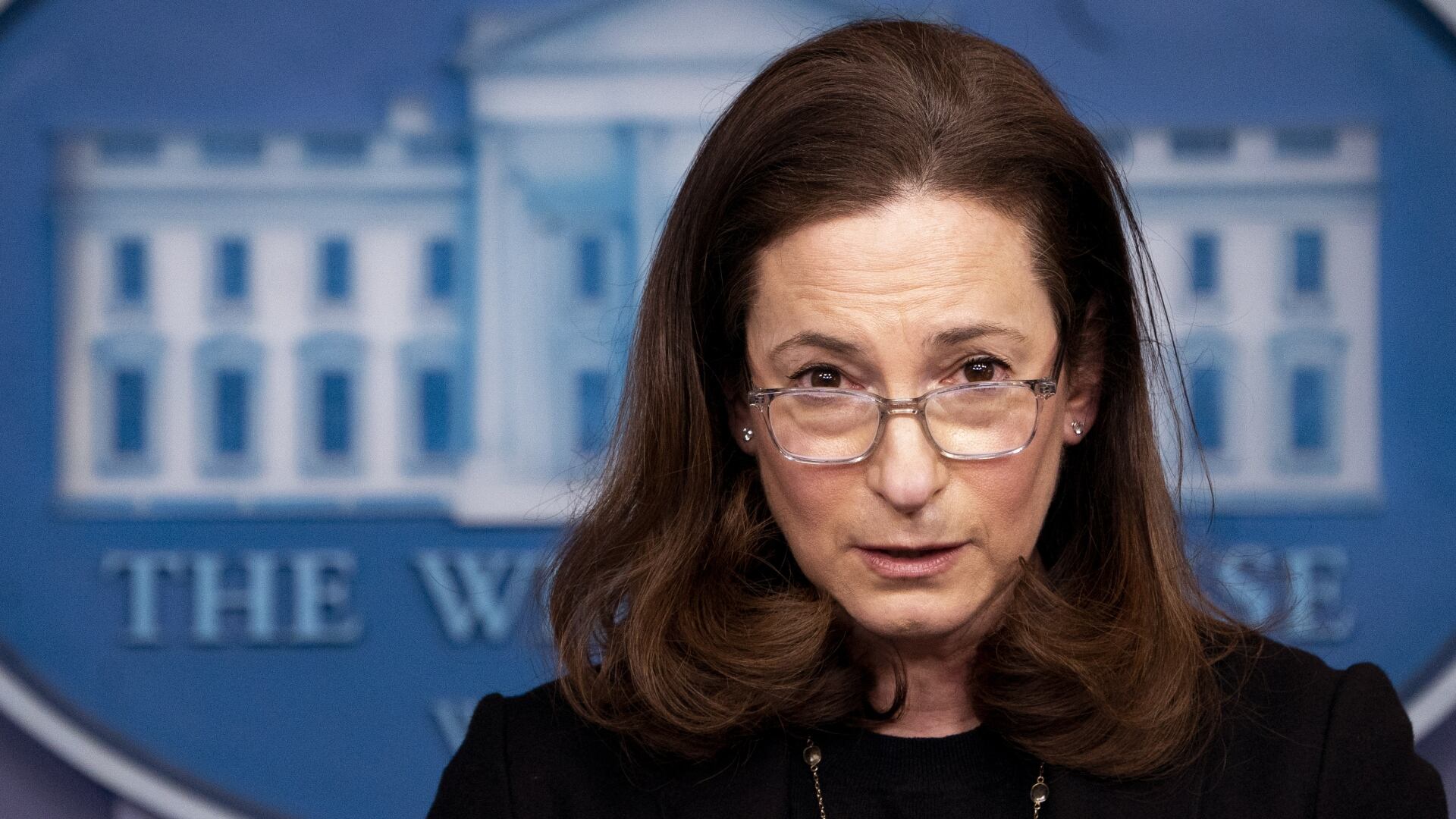
Cheddar News sat down with Jennifer Klein, executive director and co-chair of the White House Gender Policy Council, to discuss the council's work and its significance during Women's History Month.
State Representative Jessica González, Vice Chair of the Texas House LGBTQ Caucus, joins Cheddar News to discuss the latest Texas anti-transgender directive.
The United States Secretary of Agriculture, Tom Vilsack joins None of the Above to discuss the newly emerging conflict in Europe, what it means for agriculture in the states, dairy and meat consumption, and how the department is planning to promote climate-smart agriculture.
Tens of thousands of people have fled Ukraine in attempts to escape the Russian Invasion. According to the U.N. neighboring countries like Poland, Hungary, and even Romania have seen half a million refugees. While the hospitality is being welcomed by many, it also highlights the mistreatment of migrants and refugees from the Middle East and Africa. Professor of Philosophy and Director of Politics at Northeastern University Serena Parekh, joined Cheddar, to discuss more.
As Russia unleashed war in the country of Ukraine, global leaders have started inflicting punishment on Vladimir Putin's regime via commercial and financial penalties. According to President Joe Biden Putin's aggression is "a flagrant violation of international law and it demands a firm response from the international community".However, the main question is will these sanctions actually work. Partner at Jenner & Block LLP, Rachel Alpert, joined Cheddar to discuss more.