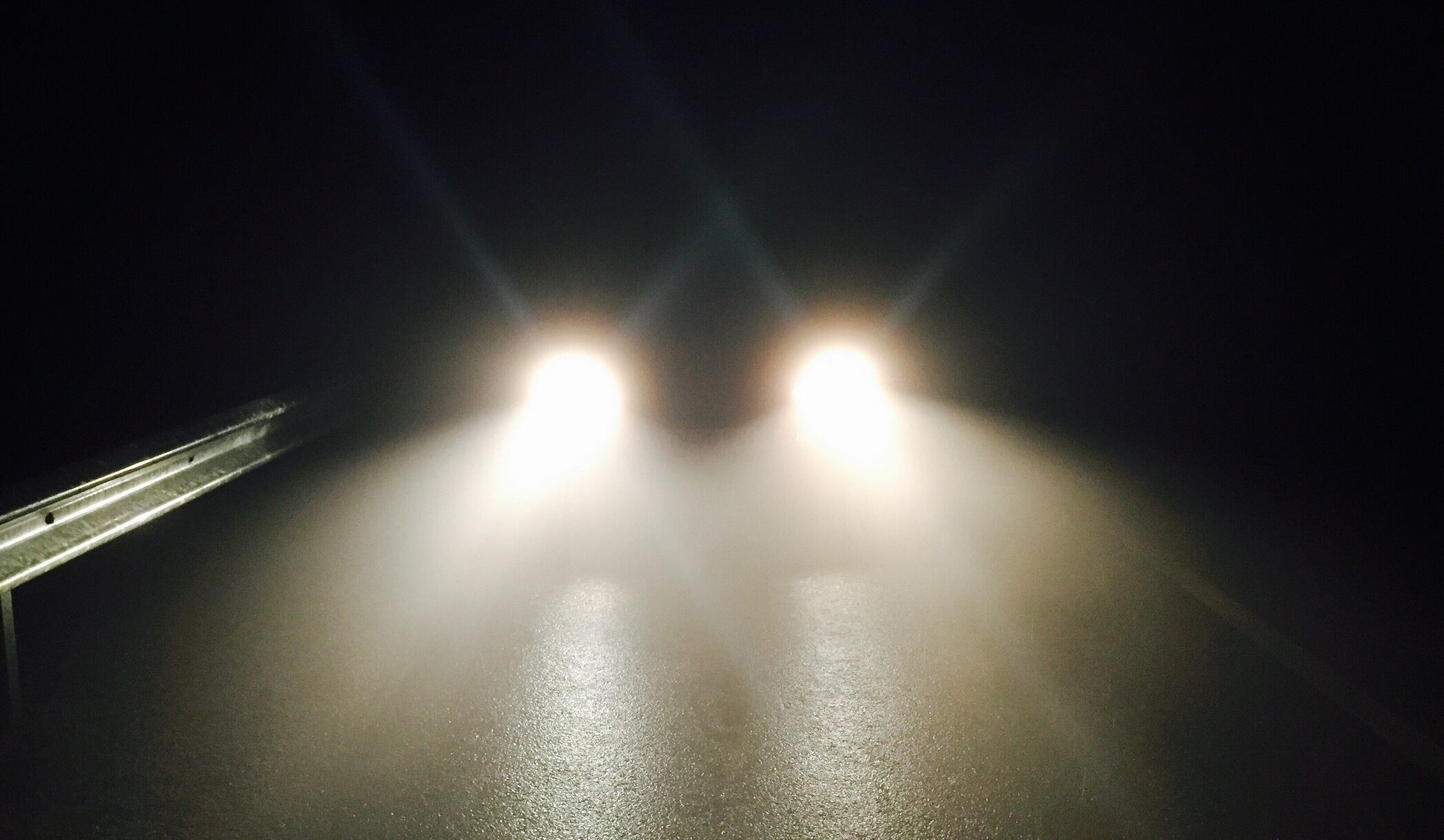
Anyone who has ever been temporarily blinded by high-beam headlights from an oncoming car will be happy to hear this.
U.S. highway safety regulators are about to allow new high-tech headlights that can automatically tailor beams so they focus on dark areas of the road and don't create glare for oncoming drivers.
The National Highway Traffic Safety Administration says it issued a final rule allowing what's called “adaptive driving beam headlights” on new vehicles. It will go into effect when published in the Federal Register in the next few days.
The headlights, commonly used in Europe, have LED lamps that can focus beams on darkness such as the driver's lane and areas along the roadside. They also lower the intensity of the light beams if there's oncoming traffic. Camera sensors and computers help determine where the light should go.
“This final rule will improve safety for pedestrians and bicyclists by making them more visible at night, and will help prevent crashes by better illuminating animals and objects in and along the road,” the agency said in a news release on Tuesday.
The new rule, which was supported by the auto industry, comes as the safety agency grapples with a dramatic rise in traffic deaths nationwide.
The estimated figure of people dying in motor vehicle crashes from January to September 2021 was 12% higher than the same period in 2020. That represents the highest percentage increase over a nine-month period since the Transportation Department began recording fatal crash data in 1975.
The tally of 31,720 deaths was the highest nine-month figure since 2006.
Sam Abuelsamid, principal mobility analyst for Guidehouse Research, said the new lights will show up in higher-cost luxury vehicles at first, but will spread to more mainstram vehicles as the price of the technology falls.
Currently Audi charges $3,000 for the top version of the lights in the U.S. on its e-tron Sportback electric vehicle. The adaptive beam lights are offered on most Audi models in the U.S., but until now, could not be used. An Audi spokesman says the company is evaluating whether the lights meet NHTSA standards and whether they can be activated in the future.
The technology uses an array of light emitting diodes that can change where light beams are sent, rather than the current technology of high beams hitting everywhere. “You have the ability to basically create a light pattern on the fly that is optimized for real-time conditions,” Abuelsamid said. “You can cast the light where it's most useful.”
The new lights also will help partially automated driver assist systems keep cars in their lanes and avoid objects in front of the vehicles at night, Abuelsamid said.
The new lighting regulation also comes more than 1 1/2 years ahead of a requirement in the bipartisan infrastructure law passed by Congress last year, NHTSA said.
In the past the agency has moved slowly on safety measures mandated by Congress. An Associated Press review last year of NHTSA’s rule-making activities under the last three presidents found at least 13 auto safety rules that are years overdue based on deadlines set in laws passed by Congress.
The agency has been without a Senate-confirmed administrator since early 2017. President Joe Biden has nominated former California air quality regulator Steven Cliff for the post. Cliff is awaiting confirmation by the full Senate.
____
Hope Yen contributed to this report from Washington.
Inflation remains hot as the January PPI has increased by 1 percent, twice what analysts had been expecting with a jump of 9.7 over the year. Beth Ann Bovino, the U.S. chief economist, for S&P Global Ratings, joined Cheddar News to discuss the rapid pace of inflation alongside higher wages, predicting the Federal Reserve will act quickly and forcefully this year. "They haven't changed their forecast, yet, that's gonna come out soon. But we expect that a March rate hike is basically pretty much baked in the cake," she said. "We think six rate hikes in total for 2022."
For black history month, Cheddar is highlighting black business leaders who are driving the need for representation forward. On February 10, the U.S. Chamber of Commerce hosted an event called 'Developing the Black-Owned Business Ecosystem.' The virtual event was organized under the lobbying group's two initiatives -- the Equality of Opportunity Initiative, and the Coalition to Back Black Businesses. The event highlighted the developments needed to develop more black-owned businesses in the U.S. Dr. Anthony Wilbon, Dean of the School of Business at Howard University, joined Cheddar News' Closing Bell to discuss his experience as a speaker at the event.
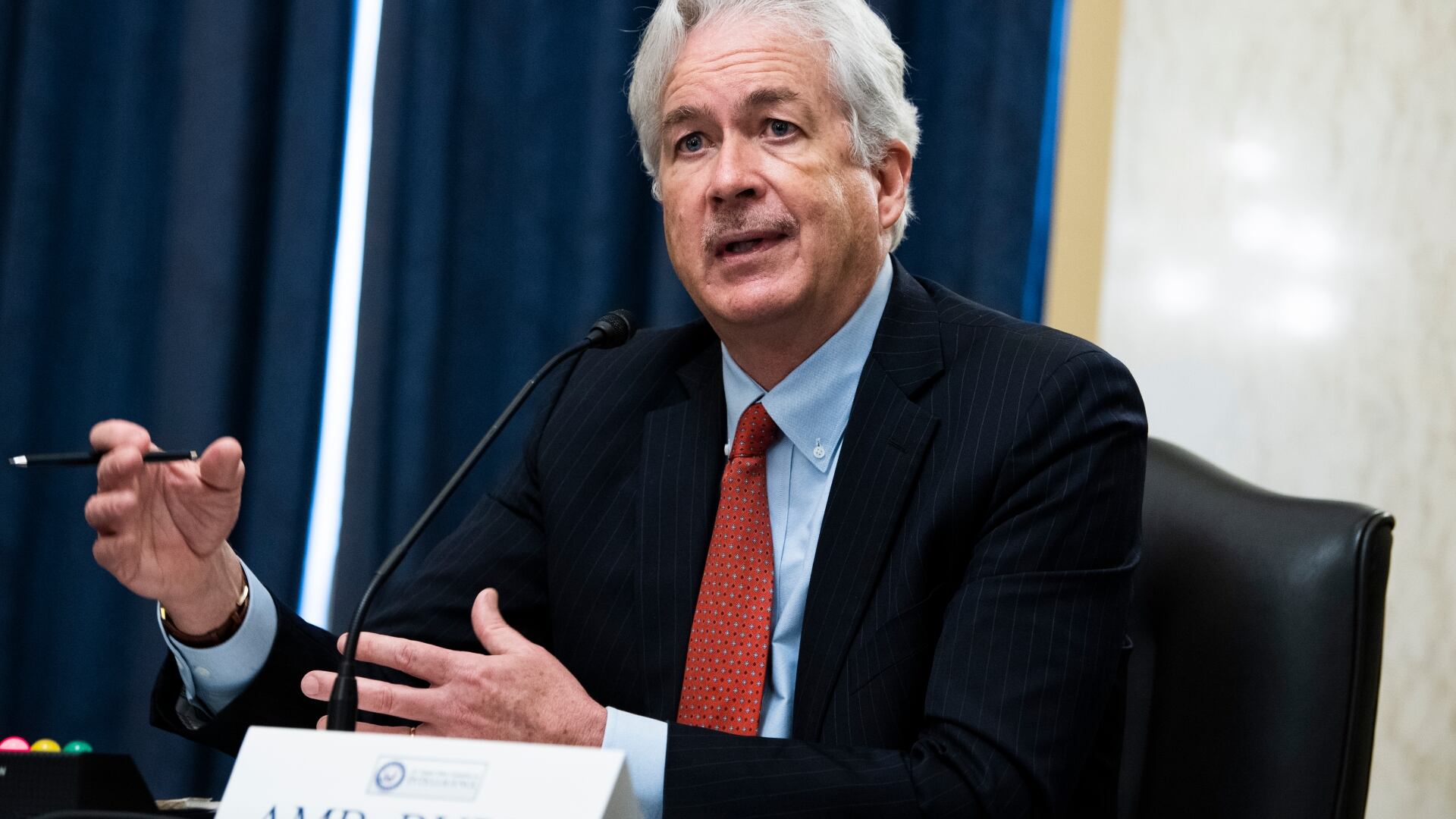
A newly declassified letter by senators Ron Wyden and Martin Heinrich claimed the CIA. has been conducting a Secret Surveillance Program which has been collecting a bulk of data from American citizens. The letter which was written in April of 2021 urges the CIA to come clean about the kind of data it collects and how many Americans have been impacted. According to these two senators, the program did not have the safeguards of congressional oversight.
Art Hogan, Chief Market Strategist at National Securities, joined Cheddar News' Closing Bell, where he says investors are taking a wait-and-see approach when it comes to the situation between Russia and the Ukraine and elaborates on the impact higher oil prices stemming from the conflict would have on the market.
Last week, Senators Ron Wyden of Oregon and Martin Heinrich of New Mexico, Democrats on the Senate Intelligence Committee, wrote a a letter airing concerns that the CIA is collecting the data of American citizens without their consent. The lawmakers fear that the program might be exploiting private data. Morgan Wright, the chief security advisor at cybersecurity firm SentinelOne, joined Cheddar News to discuss the ramifications of the letter. "We don't have all the dots in one place to connect them," said Wright, cautioning against jumping to conclusions.
Russian President Vladimir Putin and his Foreign Minister Sergey Lavrov said that diplomacy is still possible, while U.S. officials warn that an attack on Ukraine is imminent. Cheddar News speaks with James Astill, Washington bureau chief of The Economist on the latest developments in Eastern Europe.
As the number of Russian troops rose to 130,000 along its Ukrainian border, hopes for a diplomatic solution remain among world leaders. Jason McMann, head of geopolitical risk analysis at Morning Consult, joined Cheddar News to break down the fluid situation. "We saw signs pointing towards an increase in tensions between Ukraine and Russia, whereas today we're seeing some signs that the Russian government may be willing to continue down a path of diplomatic negotiations to try and find some sort of non-military solution," he said.
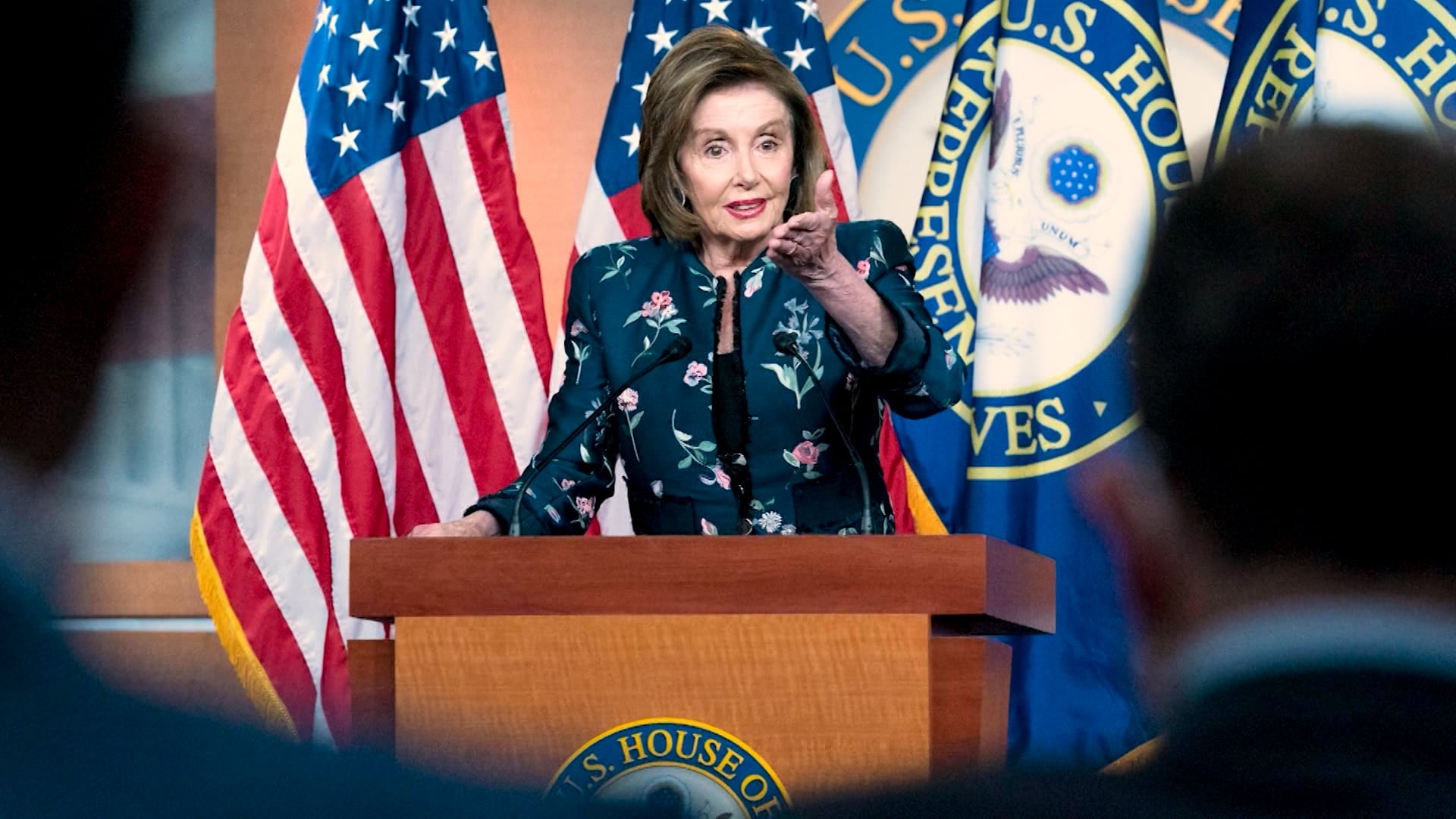
Nancy Pelosi and House Democratic leaders are now planning to amend the stop trading on congressional knowledge act, otherwise known as the 'Stock' Act. This 2012 law governs how members disclose the purchase or sale of stocks and amending it would close a loophole, eliminating the trading of individual stocks by members of congress. Pelosi has consistently opposed a ban on stock trading by lawmakers and congressional staff...so what's changed? Kedric Payne, Vice President of Campaign Legal Center, joins Cheddar News to discuss.
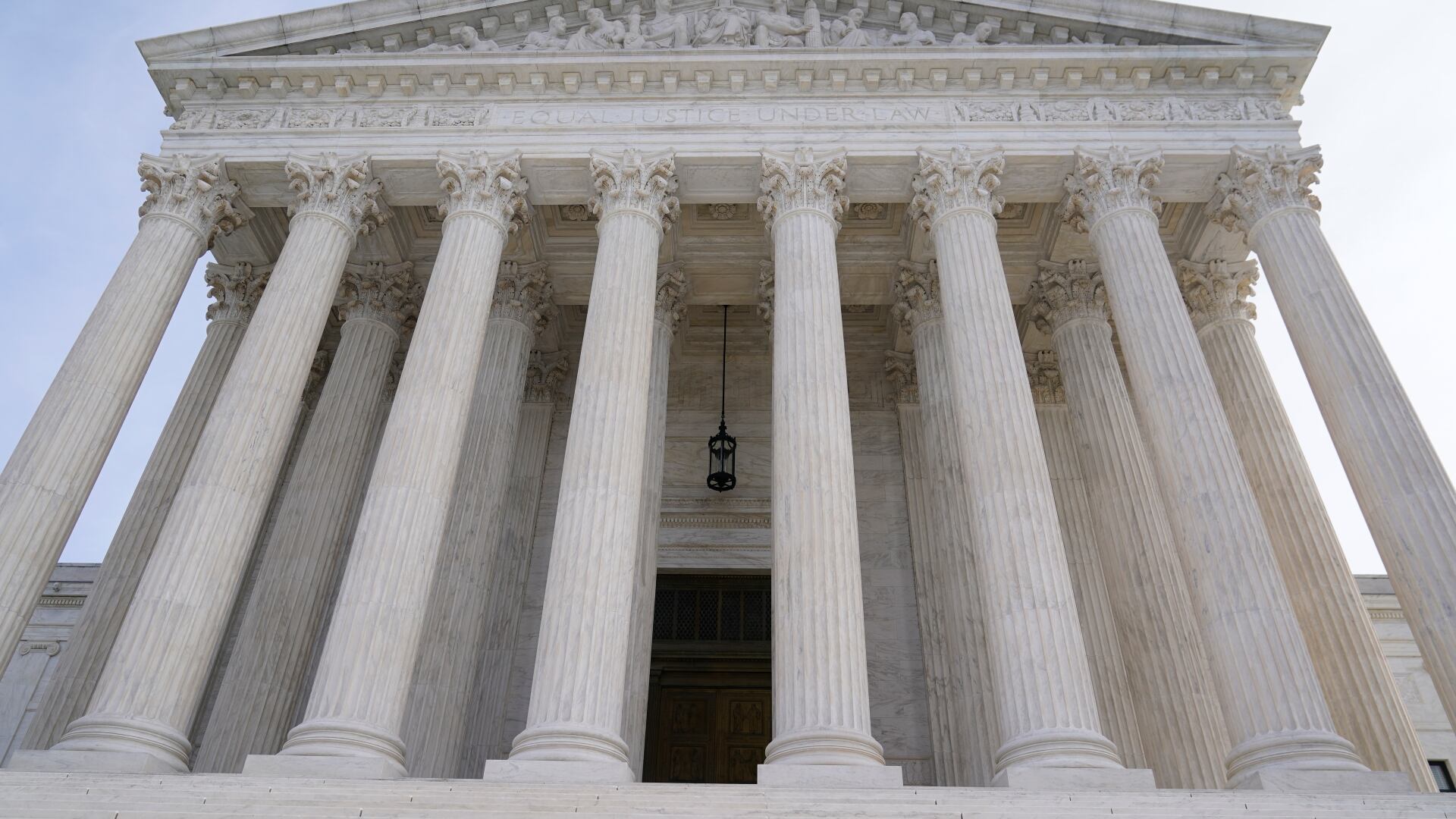
In a 5-4 vote, the U.S. Supreme Court allowed for a controversial new version of the Alabama congressional map to remain in place. The lower court had previously ordered that the state must redraw that congressional map because it violates the Voting Rights Act by diluting the political power of Black voters. Redistricting expert Yurij Rudensky joins Cheddar News to weigh in.