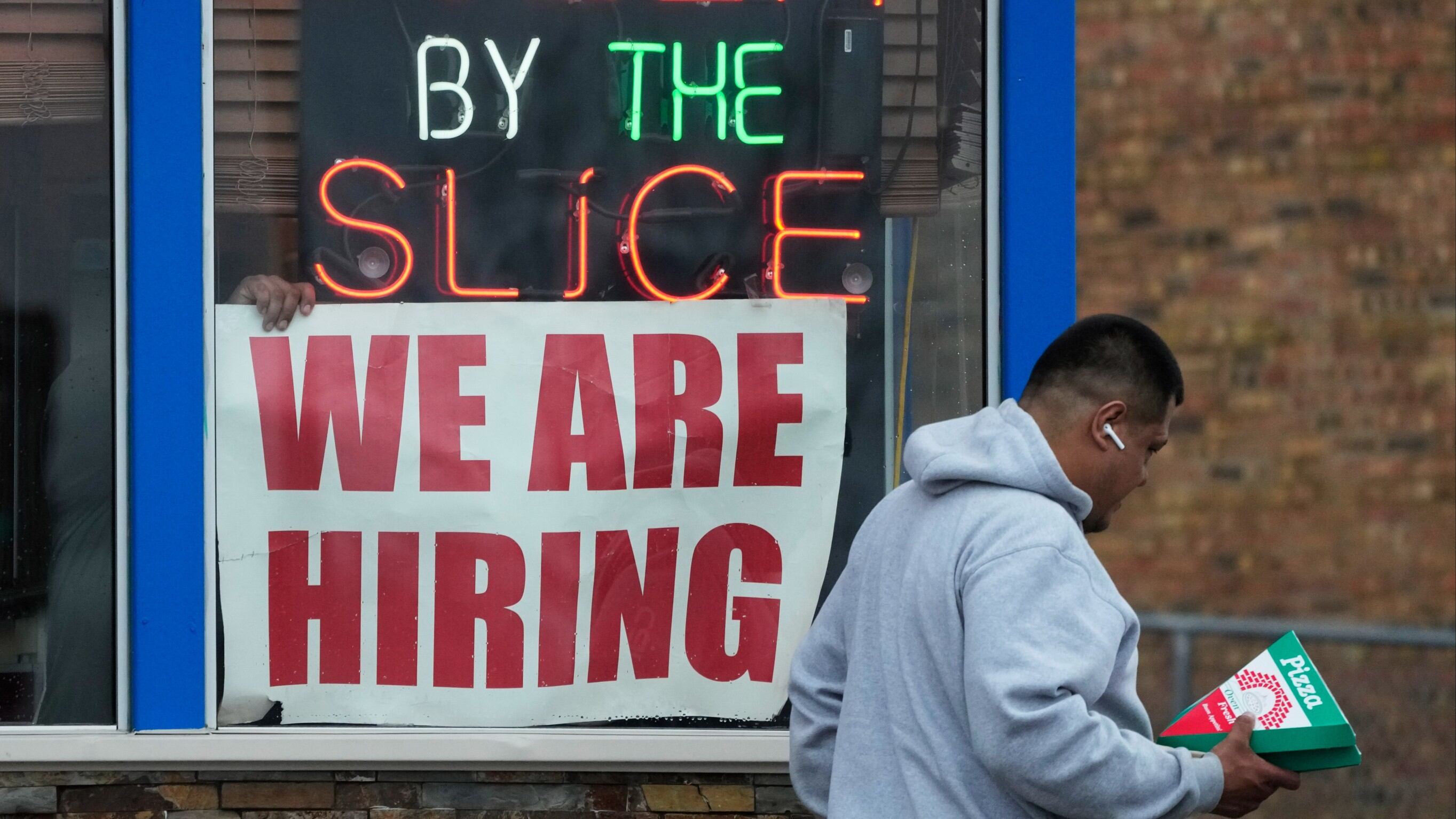
A hiring sign is displayed at a restaurant in Prospect Heights, Ill., on April 4, 2023. The hot jobs market has been defying a weakening economy and confounding the Federal Reserve for months, but now shows signs of cooling. The latest set of employment data from the government shows that job openings fell in March to their lowest level since April 2021. Layoffs rose to 1.8 million, their highest level since December 2020. (AP Photo/Nam Y. Huh, File)
By Matt Ott
The number of Americans applying for unemployment benefits last week rose to its highest level since October 2021, but the labor market remains one of the healthiest parts of the U.S. economy.
The Labor Department reported Thursday that U.S. applications for jobless claims were 261,000 for the week ending June 3, an increase of 28,000 from the previous week's 233,000. Weekly jobless claims are considered representative of U.S. layoffs.
The four-week moving average of claims, which evens out some of the weekly variations, rose by 7,500 to 237,250.
Despite last week’s sharp increase in filings for unemployment aid, some analysts cautioned against concluding that layoffs are picking up across the economy. They noted that the weekly figures are prone to revision and that last week’s numbers might have been distorted by the three-day Memorial Day weekend.
“The latest reading reflects a holiday-shortened week (Memorial Day), which ought to raise suspicions that the big move was more noise than signal,” said Stephen Stanley, chief U.S. economist for Santander. “I am eager to see next week’s reading before I draw any conclusions.”
The U.S. economy has added jobs at a furious rate since the pandemic purge of more than 20 million jobs in the spring of 2020. Americans have enjoyed unusual job security, despite the Federal Reserve's aggressive campaign to cool the economy and labor market in its bid to stifle persistent, decades-high inflation.
In early May, the Fed raised its benchmark lending rate for the 10th time in a row. There have been scattered signs that the Fed’s actions are working, but broadly, the job market continues to favor workers.
U.S. employers added a robust 339,000 jobs last month, well above expectations. Last week’s report painted a mostly encouraging picture of the job market but there were some mixed messages. Notably, the unemployment rate rose to 3.7%, from a five-decade low of 3.4% in April, the highest unemployment rate since October.
In April, employers posted 10.1 million job openings, up from 9.7 million in March and the most since January. Economists had expected vacancies to slip below 9.5 million.
Those reports, along with the jobless claims numbers, could help sway Fed officials one way or the other with regard to its next rate hike move. Most economists are predicting that the Fed will pause its rate hikes at its meeting next week, though the strong labor market could convince the central bank to stay the course with another small quarter-point increase.
The U.S. economy grew at a lackluster 1.3% annual rate from January through March as businesses wary of an economic slowdown trimmed their inventories. That’s a slight upgrade from its initial growth estimate of 1.1%.
Though the labor market remains strong, there have been notable high-profile layoffs recently, mostly in the technology sector, where many companies now acknowledge overhiring during the pandemic. IBM, Microsoft, Salesforce, Twitter, Lyft, LinkedIn, Spotify and DoorDash have all announced layoffs in recent months. Amazon and Facebook parent Meta have each announced two sets of job cuts since November.
Outside the tech sector, McDonald’s, Morgan Stanley and 3M also recently announced layoffs.
Overall, 1.76 million people were collecting unemployment benefits the week that ended May 27, about 37,000 fewer than the previous week.
Rich Weiss, Multi-Asset Strategies CIO at American Century Investments, talks about economic growth amid COVID-19 concerns and how retail spending is being impacted by inflation.
Markets opened higher as investors shrugged off weaker-than-expected job growth and Omicron fears. George Seay, CEO, Annandale Capital joined Cheddar's Opening Bell to discuss.
Michele Schneider, Partner and Director of Trading Research & Education for MarketGauge, breaks down the major risks to the markets and discusses why tech and Agriculture are the best sectors to hedge inflation concerns.
Bitcoin took a nosedive over the weekend, falling to its lowest price level in nearly two months. According to data from Coindesk, the crypto dropped more than 20% to $42,000 on Saturday before rebounding some. Prices of Ether, Dogecoin and Shiba Inu dropped as well, with Ether tumbling by more than 15%at one point. Lance Ippolito, head trader at the Future of Wealth, joined Cheddar to discuss why crypto plummeted and what to expect next.
Less than six months after making its public debut on the NYSE, Chinese ride-hailing giant Didi says it will delist in the U.S. and pivot to Hong Kong instead. Chinese regulators are citing cybersecurity and data concerns. Shehzad Qazi, Managing Director, China Beige Book International joined Cheddar's Opening Bell to discuss.
As offices shifted to remote schedules, and people were forced into a new way of work, many began to re-think their career path and their purpose in the workforce, leading to what many are calling 'The Great Resignation.' During the last year, Americans quit their jobs in unprecedented numbers, seeking more flexibility, better benefits, a higher salary, and ultimately greater independence. Danielle Neal, CEO of Digital with Danielle, is just one of the millions who quit their job during the pandemic, and she joined Cheddar's Opening Bell to tell her story.
As Americans quit their jobs in record numbers this year, companies have been scrambling to try and fill those gaps. Gad Levanon, head of the labor market institute at The Conference Board, says companies need to focus more on salary if they want to better retain their employees. Levanon joined Cheddar to discuss the labor shortage, the "Great Resignation," and what companies can learn from it going into 2022.
The U.S. has seen several retailers across the country forced to close their brick-and-mortar stores amid the rise of e-commerce over the past few years. However, we are in the midst of a brick-and-mortar boom, with retailers expected to open more stores this year than they close, for the first time since 2017, according to an analysis of more than 900 chains by IHL Group, a research and advisory company. At the same time, the e-commerce businesses of retailers have become more dependent on physical stores to fulfill orders, especially during the holiday shopping season. Lionesque Group CEO Melissa Gonzalez joins Cheddar News' Closing Bell to discuss.
Stocks closed higher Tuesday with the S&P 500 and Nasdaq marking their best day since March. Tech stocks and chipmakers were on the move, lifting the Nasdaq higher as investors shake off recent COVID-19 omicron variant fears. Chris Konstantinos, Chief Investment Strategist at RiverFront Investment Group, joins Cheddar News' Closing Bell to discuss today's close, investor sentiment around COVID-19, inflation's impact on markets, and more.
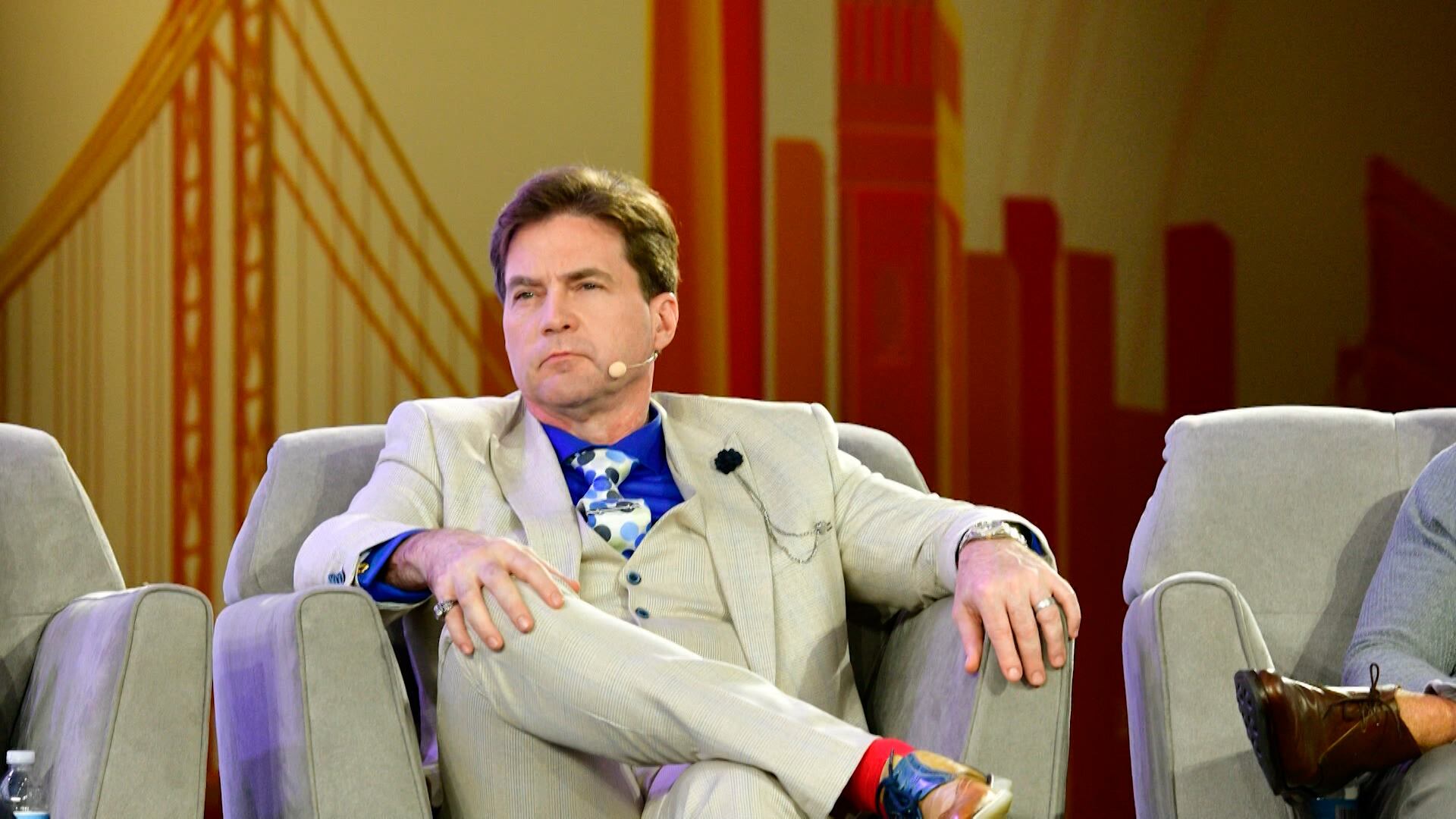
Alyse Killeen, Founder & Managing Partner at Stillmark VC, joins Cheddar News' Closing Bell to discuss what the jury had to evaluate in the Craig Wright trial and if uncovering the identity of Bitcoin inventor Satoshi Nakamoto will actually impact crypto investors.