By Matt Ott
The number of Americans applying for unemployment benefits last week rose to its highest level since October 2021, but the labor market remains one of the healthiest parts of the U.S. economy.
The Labor Department reported Thursday that U.S. applications for jobless claims were 261,000 for the week ending June 3, an increase of 28,000 from the previous week's 233,000. Weekly jobless claims are considered representative of U.S. layoffs.
The four-week moving average of claims, which evens out some of the weekly variations, rose by 7,500 to 237,250.
Despite last week’s sharp increase in filings for unemployment aid, some analysts cautioned against concluding that layoffs are picking up across the economy. They noted that the weekly figures are prone to revision and that last week’s numbers might have been distorted by the three-day Memorial Day weekend.
“The latest reading reflects a holiday-shortened week (Memorial Day), which ought to raise suspicions that the big move was more noise than signal,” said Stephen Stanley, chief U.S. economist for Santander. “I am eager to see next week’s reading before I draw any conclusions.”
The U.S. economy has added jobs at a furious rate since the pandemic purge of more than 20 million jobs in the spring of 2020. Americans have enjoyed unusual job security, despite the Federal Reserve's aggressive campaign to cool the economy and labor market in its bid to stifle persistent, decades-high inflation.
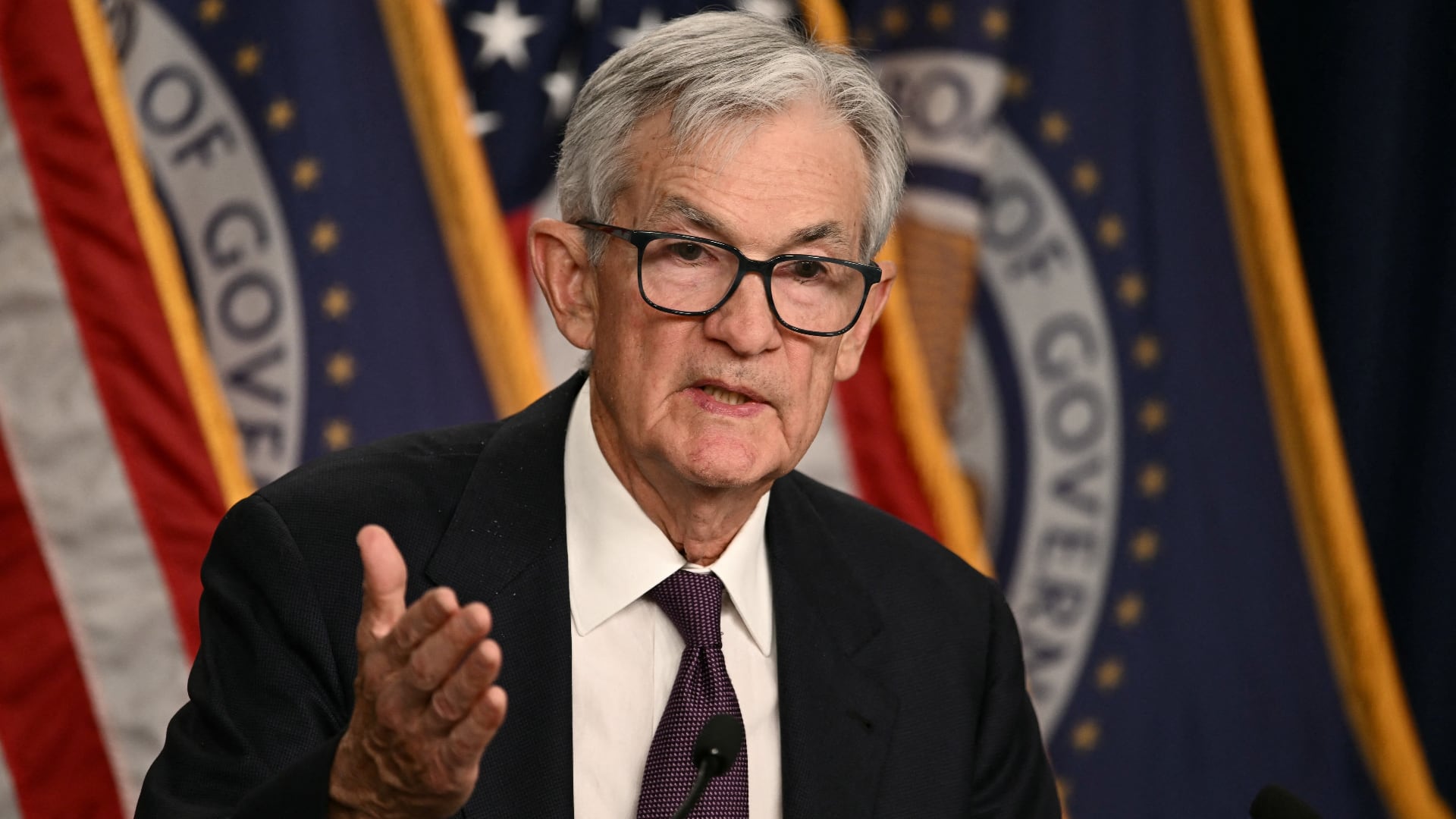
In early May, the Fed raised its benchmark lending rate for the 10th time in a row. There have been scattered signs that the Fed’s actions are working, but broadly, the job market continues to favor workers.
U.S. employers added a robust 339,000 jobs last month, well above expectations. Last week’s report painted a mostly encouraging picture of the job market but there were some mixed messages. Notably, the unemployment rate rose to 3.7%, from a five-decade low of 3.4% in April, the highest unemployment rate since October.
In April, employers posted 10.1 million job openings, up from 9.7 million in March and the most since January. Economists had expected vacancies to slip below 9.5 million.
Those reports, along with the jobless claims numbers, could help sway Fed officials one way or the other with regard to its next rate hike move. Most economists are predicting that the Fed will pause its rate hikes at its meeting next week, though the strong labor market could convince the central bank to stay the course with another small quarter-point increase.
The U.S. economy grew at a lackluster 1.3% annual rate from January through March as businesses wary of an economic slowdown trimmed their inventories. That’s a slight upgrade from its initial growth estimate of 1.1%.
Though the labor market remains strong, there have been notable high-profile layoffs recently, mostly in the technology sector, where many companies now acknowledge overhiring during the pandemic. IBM, Microsoft, Salesforce, Twitter, Lyft, LinkedIn, Spotify and DoorDash have all announced layoffs in recent months. Amazon and Facebook parent Meta have each announced two sets of job cuts since November.
Outside the tech sector, McDonald’s, Morgan Stanley and 3M also recently announced layoffs.
Overall, 1.76 million people were collecting unemployment benefits the week that ended May 27, about 37,000 fewer than the previous week.