UPS is spending $450 million to expand its fleet of natural gas vehicles making deliveries.
"We've been at this for decades, so this additional 6,000 vehicles rose our existing fleet of 10,000 vehicles to be one of the largest in the transportation industry," Mike Whitlatch, vice president of global energy and procurement at UPS, told Cheddar Wednesday.
Whitlatch says this investment could lead to a much cleaner future for the company.
"I think the real story here is that natural gas provides us a bridge or a pathway to use renewable natural gas (RNG) or biomethane, which offers significant emissions benefits over conventional fossil fuels."
Biomethane is created from organic matter found in landfills or wastewater treatment plants.
"This is a seamless integration," Whitlatch said. "We can take RNG from these sources throughout the United States, or wherever it's at in the world, we can integrate it within existing pipeline systems, we can move it from point A to point B, and seamlessly compress it and place it into our existing fleet today."
Whitlatch says UPS continues to look for ways to strive for a clean future, including its fleet of hybrid and electric vehicles.
"It's an all-in approach to figure out how we can lessen our impact on the planet."
Imagine a world with just a handful of mediocre beer options. Terrible, right? That was the U.S. before the explosion of craft breweries, the Samuel Adams founder says.
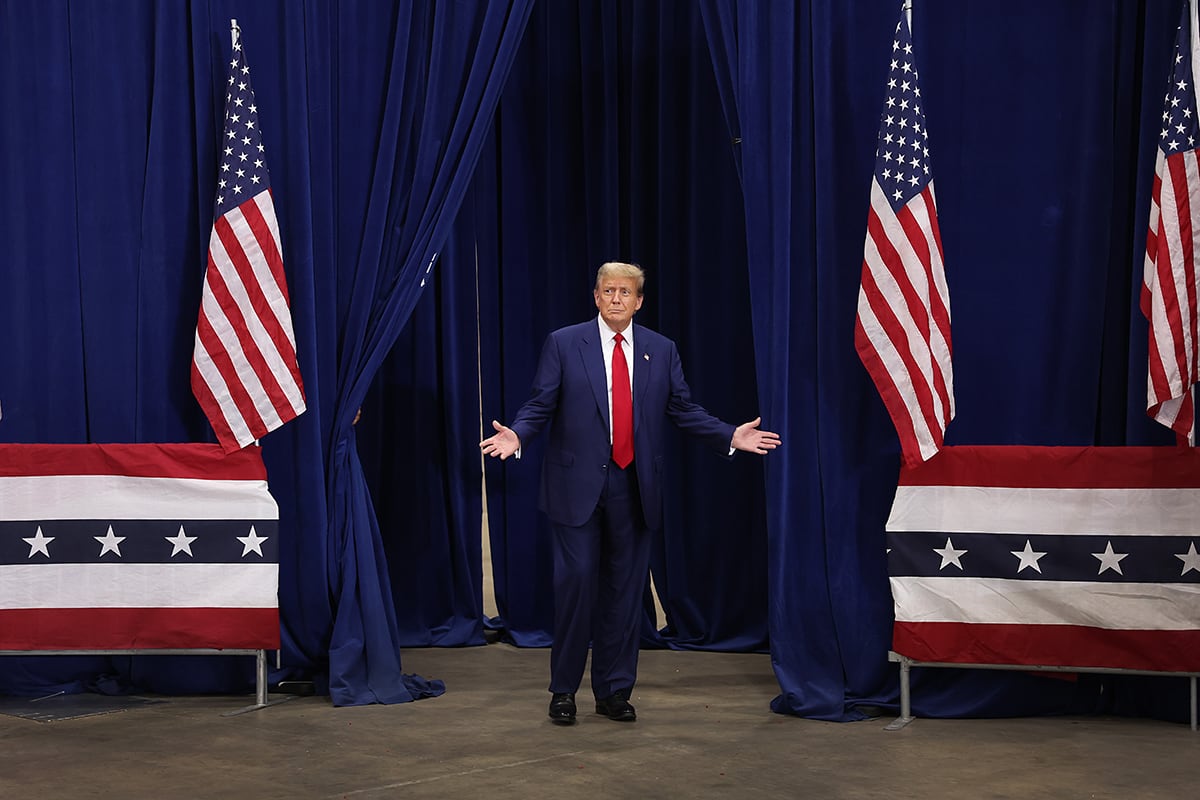
March was a blockbuster month for jobs, with 303,000 new positions – and paired with slower wage growth, an economist and a portfolio manager agree this could be the ‘best of both worlds.’
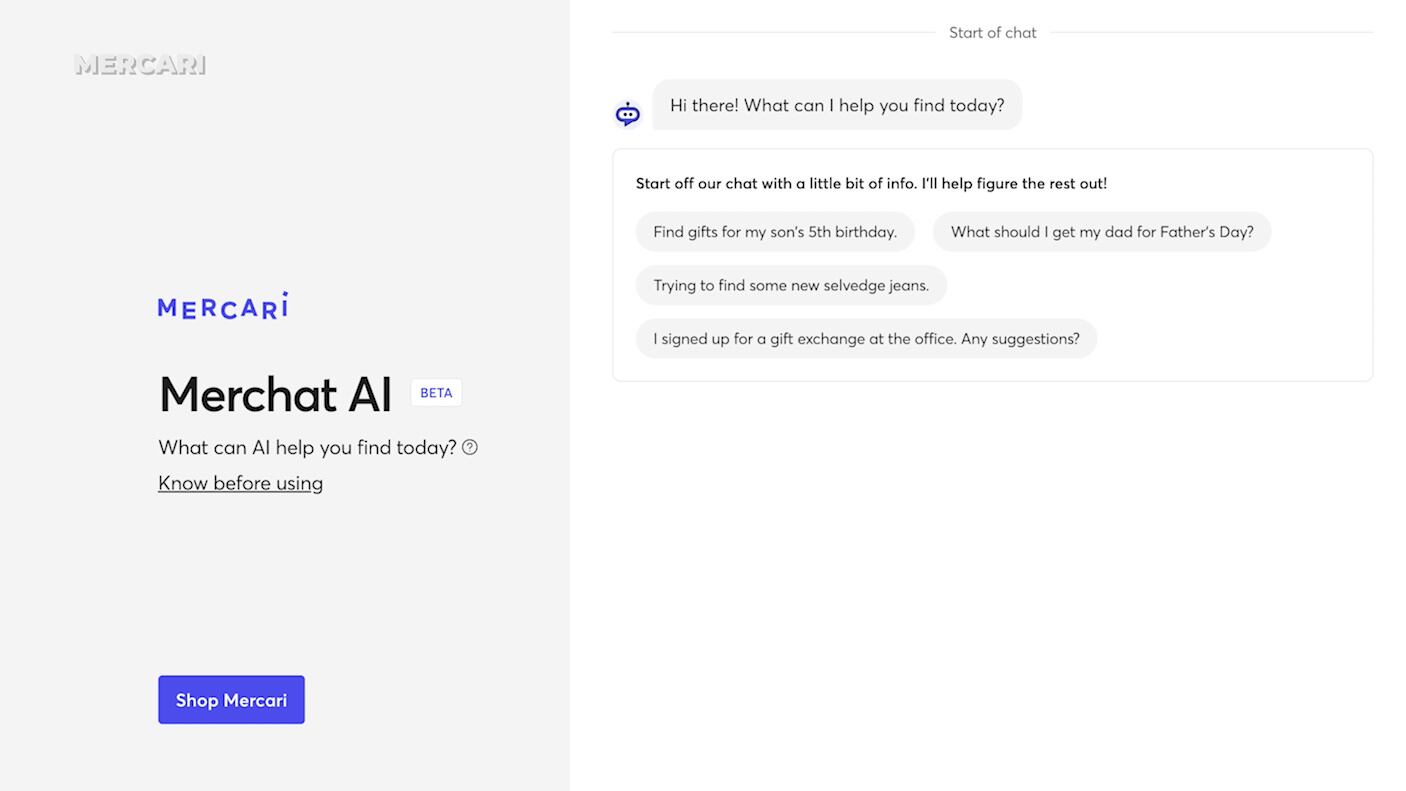
Resale platforms do big business – and Mercari just became the first in the U.S. to eliminate all fees for sellers and completely changed how returns work on its platform.
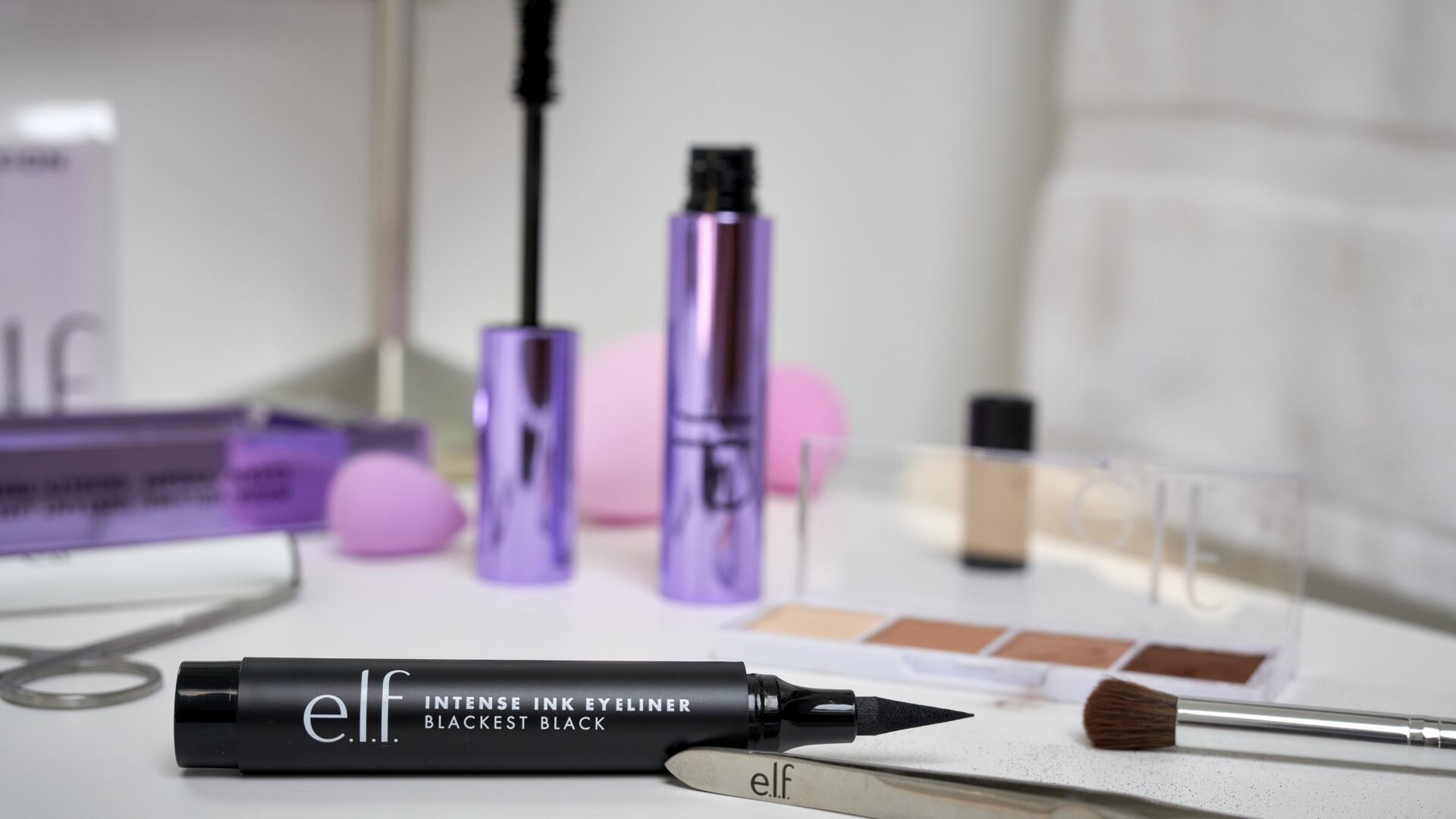
e.l.f.’s affordable price point and makeup and skincare options made it a social media darling – and the company’s CEO says the company even gets product ideas from its audience.