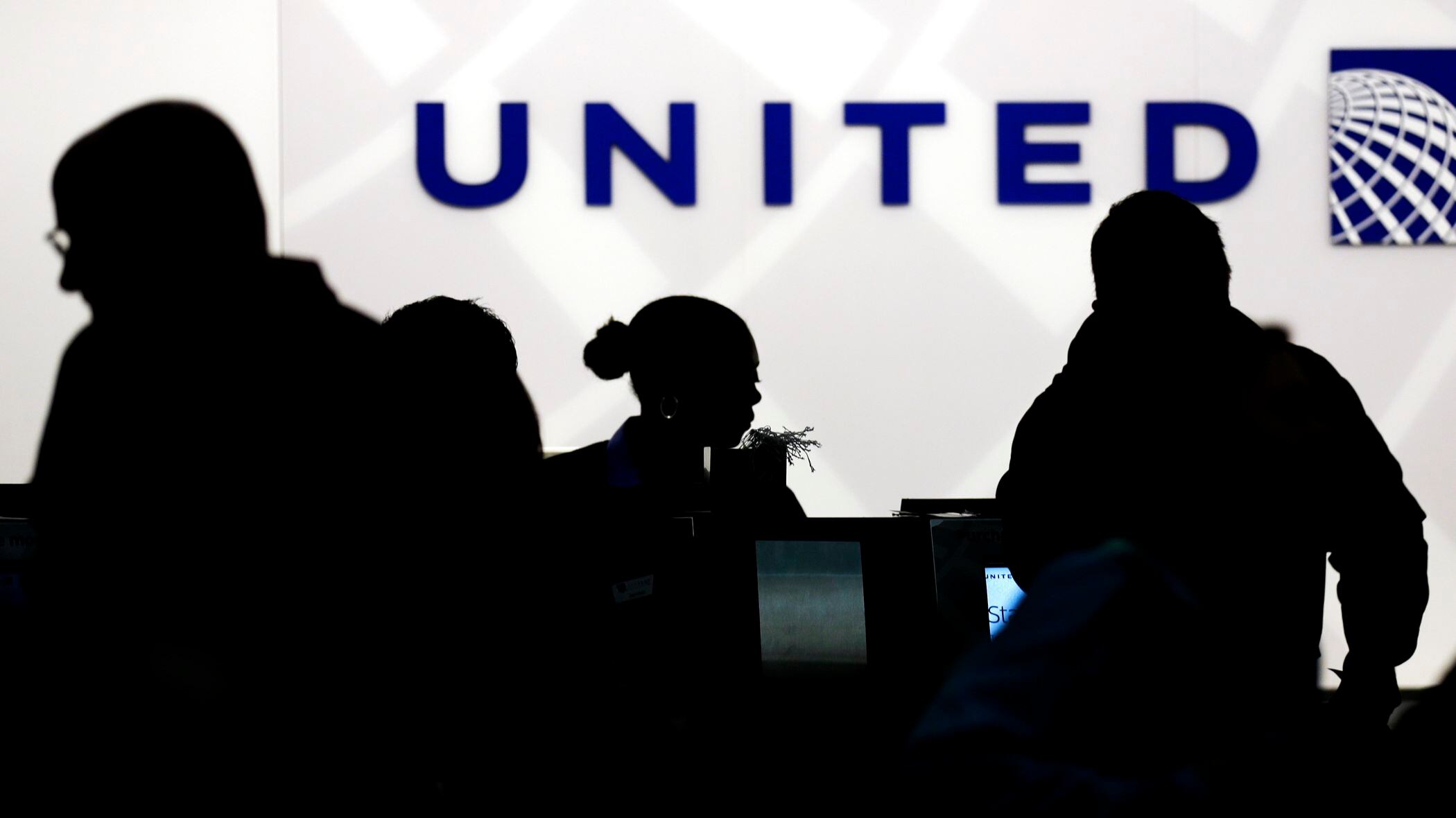
In this Saturday, Dec. 21, 2013, file photo, travelers check in at the United Airlines ticket counter at Terminal 1 in O'Hare International Airport in Chicago. United Airlines hopes to bring back supersonic travel before the end of this decade. United said Thursday, June 3, 2021 that it reached a deal with startup aircraft maker Boom Supersonic to buy 15 of Boom's Overture jets. (AP Photo/Nam Y. Huh, File)
By David Koenig
United Airlines aims to bring back supersonic travel before the decade is over with a plane that has yet to be built.
The airline said Thursday that it plans to buy 15 jets from Boom Supersonic with an option for 35 more once the start-up company designs a plane that flies faster than the speed of sound while meeting safety and environmental standards.
United declined to discuss terms of the deal, including how much cash it will put into the deal up front.
It has been nearly two decades since the last flight of the supersonic Concorde, which British Airways and Air France began using in 1976 to zip passengers in luxury across the Atlantic. The last one was retired in 2003, three years after an Air France Concorde crashed into a hotel shortly after takeoff from Paris, killing everyone on board and four people on the ground.
Several companies are working to come up with new supersonic jets that would be more economical on fuel — and create fewer climate-changing emissions — than the Concorde.
Boom is working to develop a plane it calls Overture, which it says will be the first supersonic airliner to fly on so-called sustainable fuel.
The Denver company said the planes will be capable of speeds up to 1.7 times the speed of sound, or about 1,300 mph. That is slower than the Concorde but much faster than current airliners, which generally have cruising speed around or slightly above 500 mph.
United said flights between London and the New York area would be just three and a half hours, and Tokyo would be only six hours from San Francisco.
Boom hopes to test fly a plane by the middle of this decade and be carrying airline passengers in 2029.
United Airlines CEO Scott Kirby said technological advances make it more viable for the airline to include supersonic planes in its fleet.
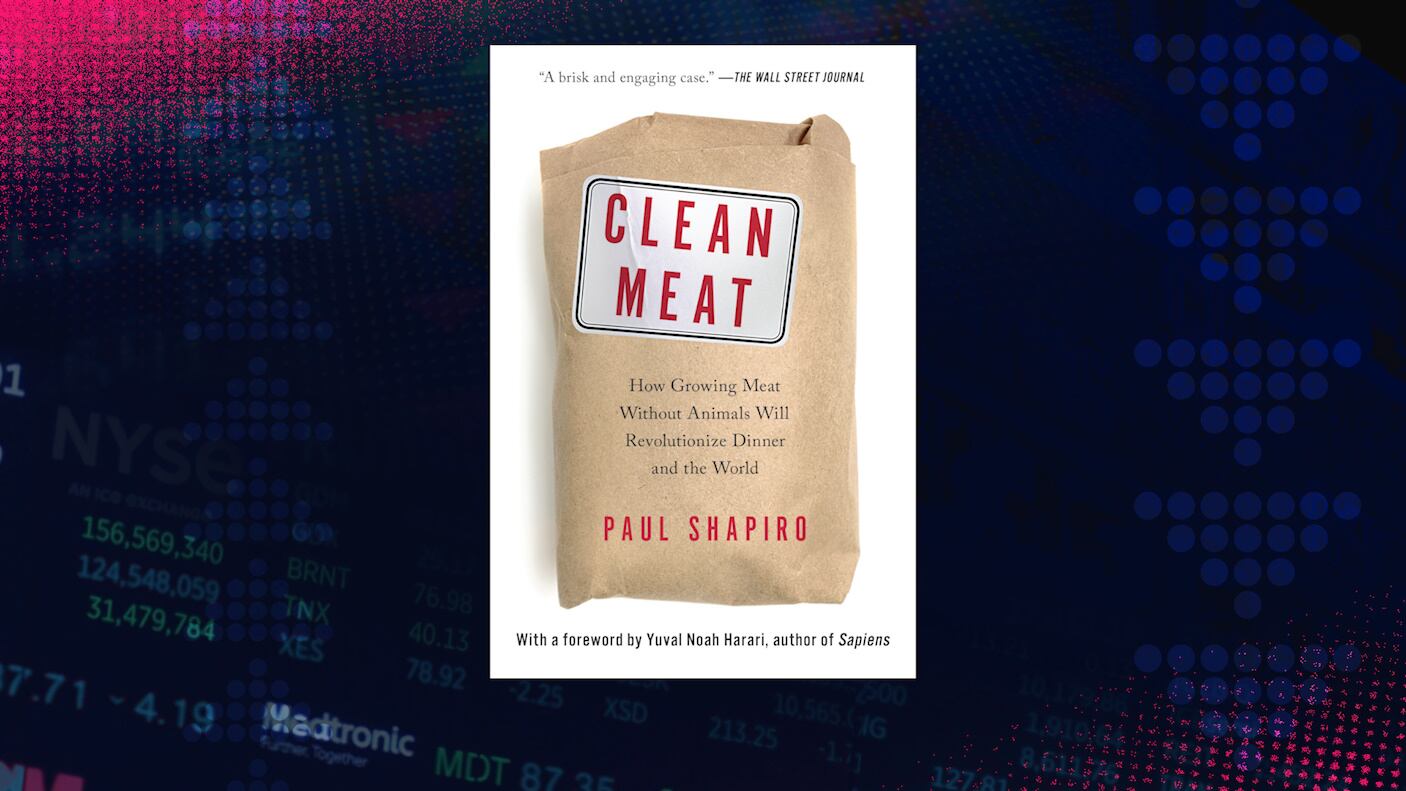
Author of 'Clean Meat,' Paul Shapiro joins Cheddar to discuss how the cellular agricultural revolution helps lower rates of foodborne illness and greatly improves environmental sustainability. Plus, how his company The Better Meat Co. is bringing healthier food options to the table.
Recent headlines might make it sound like World War III is imminent, but when it comes to your finances, it's not the time to panic. The market is coming off its longest winning streak since 2011.
You may have noticed fewer new venture capital-backed startups (like Airbnb or Uber) lately. The market slowed to a crawl after 2021, but things are expected to take off again in 2025.
Corporate earnings season is underway, that time when companies share their billions in sales or double-digit profits. But the data shows even companies are struggling with high inflation and interest rates.
Boeing continues their terrifying trend of having their planes fall apart mid-flight, inflation — checks notes — is still up and the future of AI looks terrifying. Cheery!
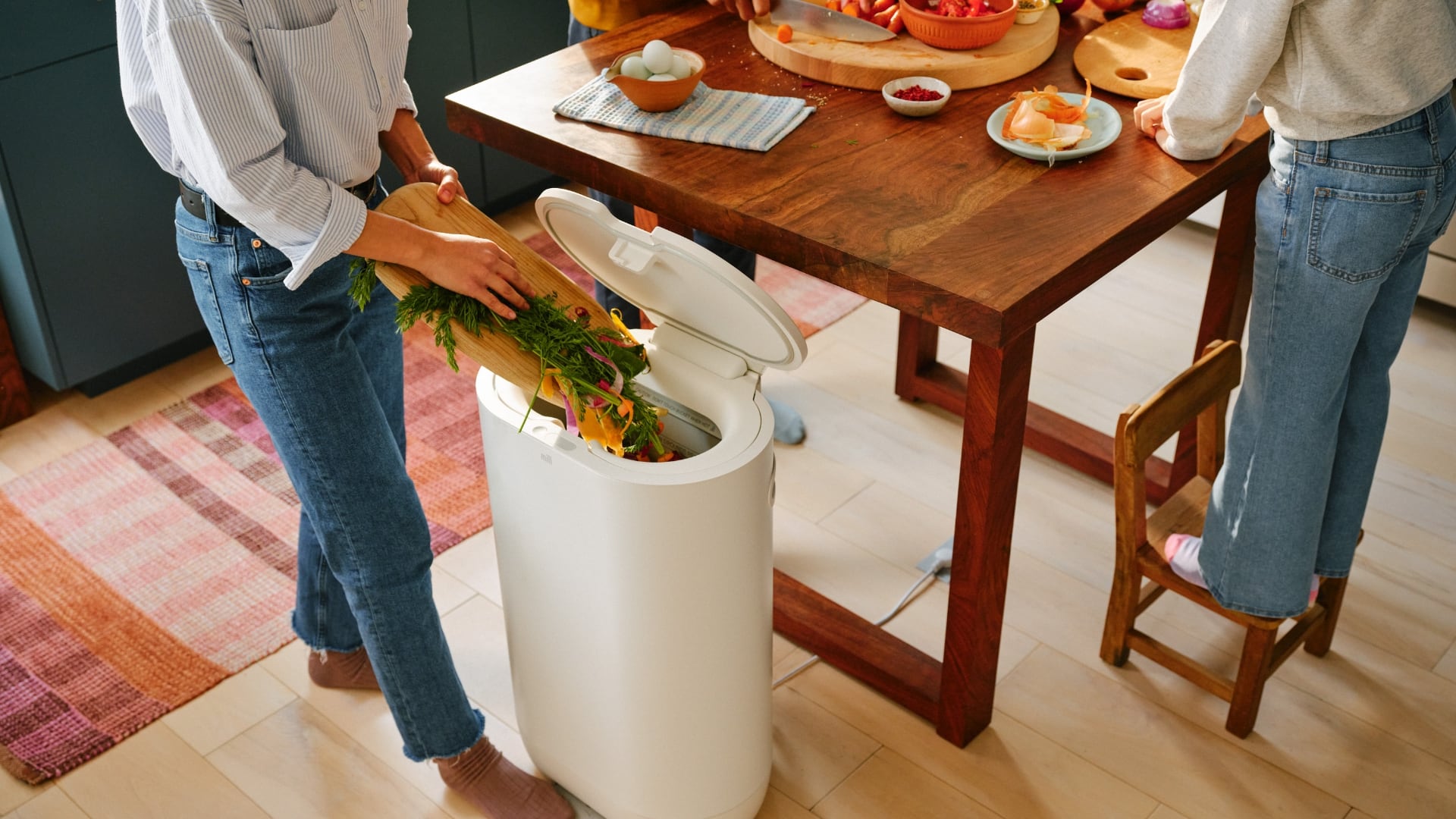
Food waste – uneaten scraps or leftovers sent to landfills – is responsible for 10% of global emissions. Mill, a new product from the co-founder of Nest, thinks technology can play a role in eliminating it.
By the time the 2024 election is over, be prepared to see some form of a recession – but this shouldn’t be as bad as what we experienced in 2020 or 2008.
International Master Alice Lee defeated grandmaster Irina Krush to win the American Cup – becoming one of the best women players in the world in the process – but she’s not stopping there.
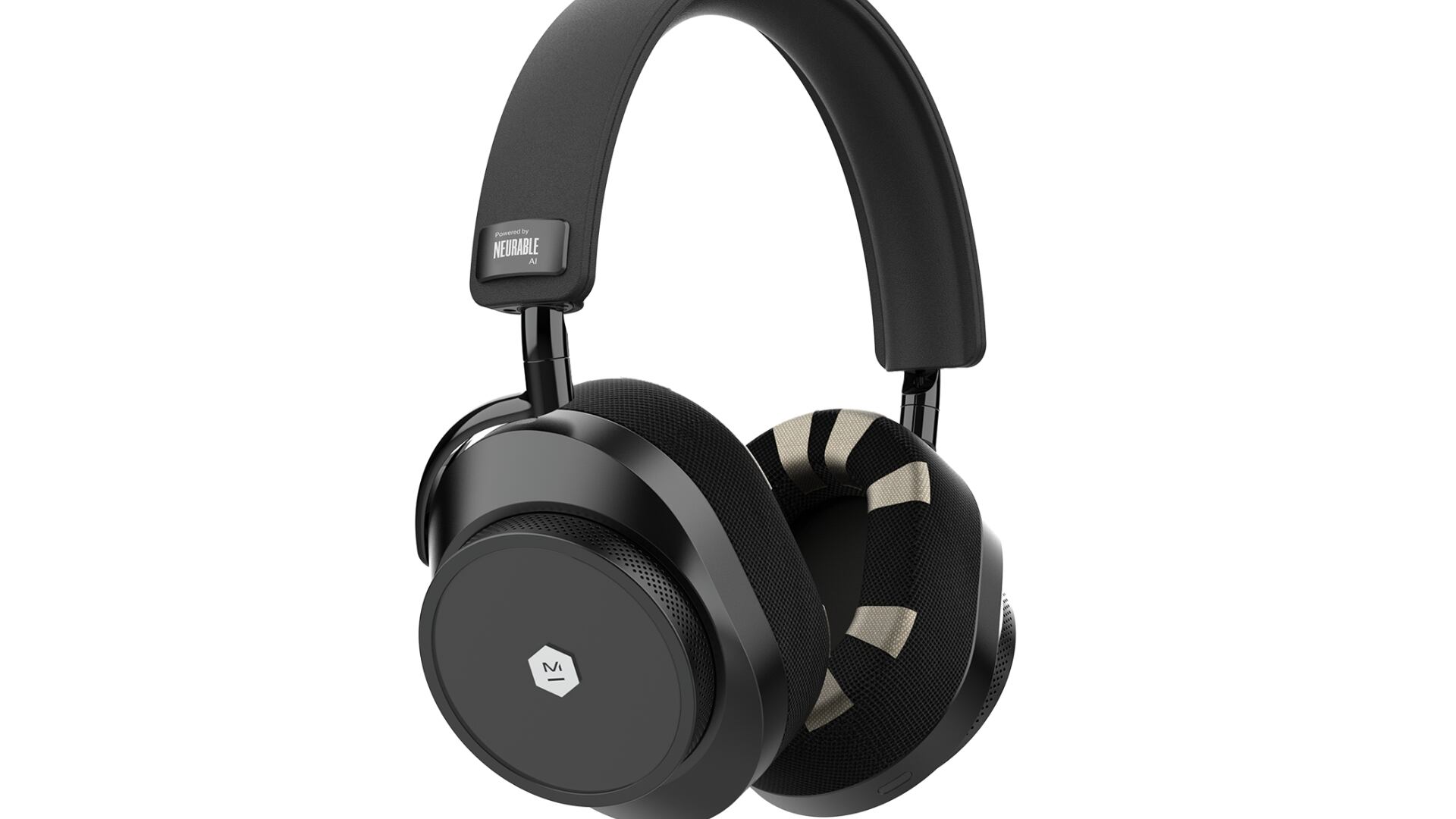
You can track your sleep habits or heart rate, but how about your brain? Neurable's MW75-Neuro headphones turn your focus and productivity into data you can use to avoid burnout – here's how they do it.