Conversational artificial intelligence company Uniphore has raised $51 million in its most recent funding round, the latest step in the firm's plans to incorporate its tech throughout the customer service sector.
"Bringing AI into the call centers is one of the biggest disruptions that we're going to see in the next three to five years in the tech space," CEO Umesh Sachdev told Cheddar.
Sachdev claimed Uniphore's AI isn't intended to target call center jobs. A short question or after-hours call could be handled by a bot, he said, while a human call could handle more complex programs.
"This is an industry which has traditionally employed millions of people. Businesses look at this as a tremendous amount of cost in servicing customers, but also a way of differentiating customer experience," said Sachdev.
"The big point I'm making is that the consumer demands and expectations are shifting to be able to reach these brands either through bots or human beings," he said. "The choice shouldn't be with the enterprise. The choice should be with the consumer."
Sachev's company is one of a growing number of tech companies selling AI systems built for customer service, which include IBM and Google.
But there's growing concern that call center jobs could be outsourced to automation and artificial intelligence. For instance, the BBC reported last year that the British retail chain Marks & Spencer had transferred customer service calls for all 640 of its stores to an artificial intelligence-based system, moving its call center staff to other roles.
Sachdev asserted that "This is one where AI will have a major impact, but not one where it's going to have an impact on people losing their jobs."
He claimed that artificial intelligence can handle repetitive tasks, but that call center workers will transition to become "knowledge workers."
"We will quickly move to a point where the human beings who work in call centers — because of their native knowledge, because of their training or time — they will become knowledge workers," he said, saying that those individuals will take on roles that train and analyze the artificial intelligence systems that call centers might use.
After the 2021 boom, IPO activity slowed down significantly, in part due to monetary policy – but things are getting moving again with tech-friendly companies like Iboutta and Rubrik making a public debut.
With an increasing demand for mental health services, one person wanted to change the therapy game. In 2017, CEO Alex Katz founded Two Chairs, a company that uses technology to match patients with the right therapist.
Not only is April Financial Literacy Month, it’s also the kickoff of the spring homebuying season. So now is the time to make sure you have a financial plan in place – and why it might not be wise for that to include buying your first home.
While the U.S. may slowly be on the path to lowering inflation (and therefore interest rates), Europe has thoroughly trounced America, putting it on the path to lower rates by this summer.
April's release of the monthly Housing Starts and Building Permits reports by the Census Bureau provides crucial insights into the construction activity in the housing market. These reports are an economic indicator, shedding light on the current state of the housing market and its broader economic impact.
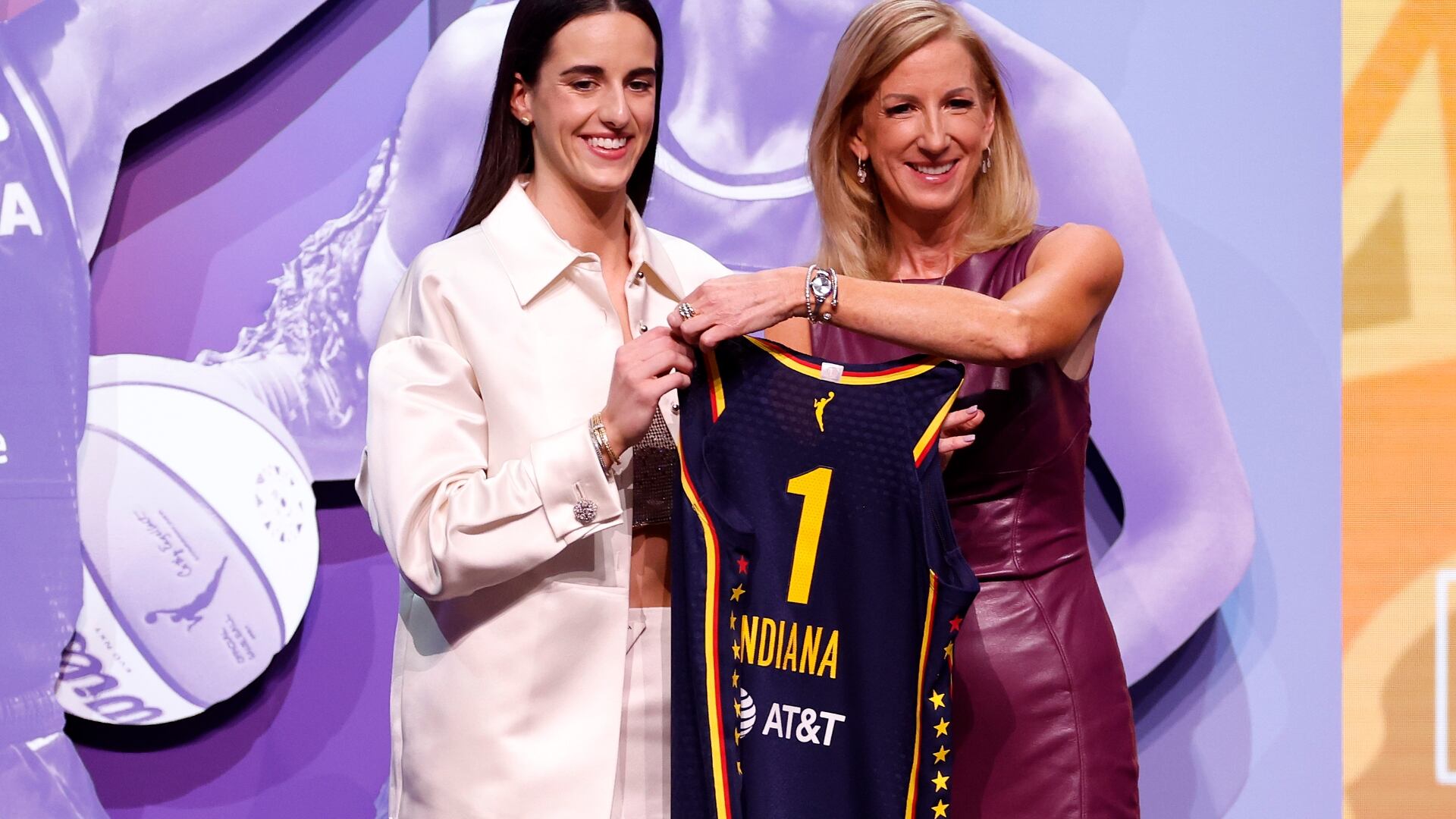
Caitlin Clark is heading to the Indiana Fever, the number one draft pick and the highest-scoring college basketball player of all time. And while she may not be getting millions from the WNBA, there's a few ways she'll net compensation for her generational talents.
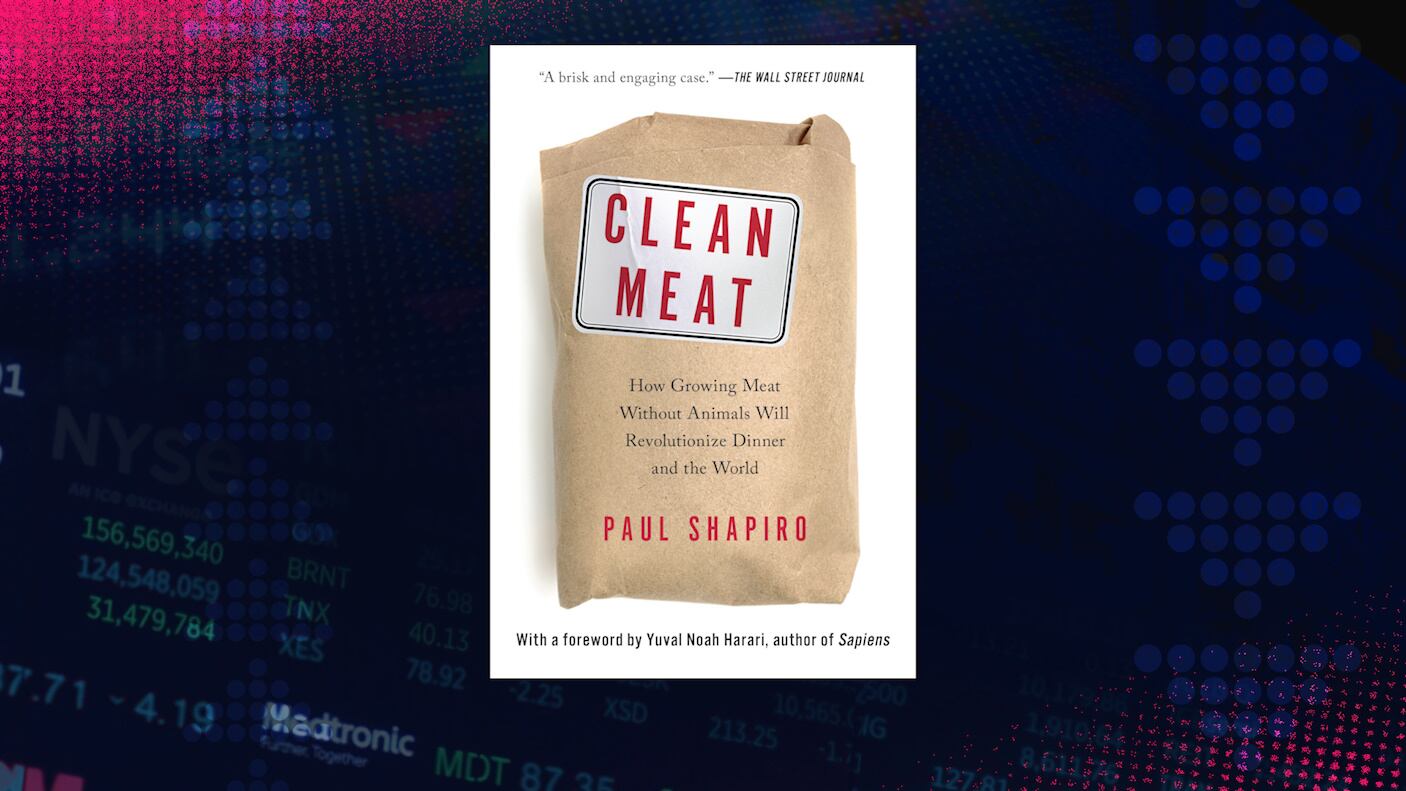
Author of 'Clean Meat,' Paul Shapiro joins Cheddar to discuss how the cellular agricultural revolution helps lower rates of foodborne illness and greatly improves environmental sustainability. Plus, how his company The Better Meat Co. is bringing healthier food options to the table.
Recent headlines might make it sound like World War III is imminent, but when it comes to your finances, it's not the time to panic. The market is coming off its longest winning streak since 2011.