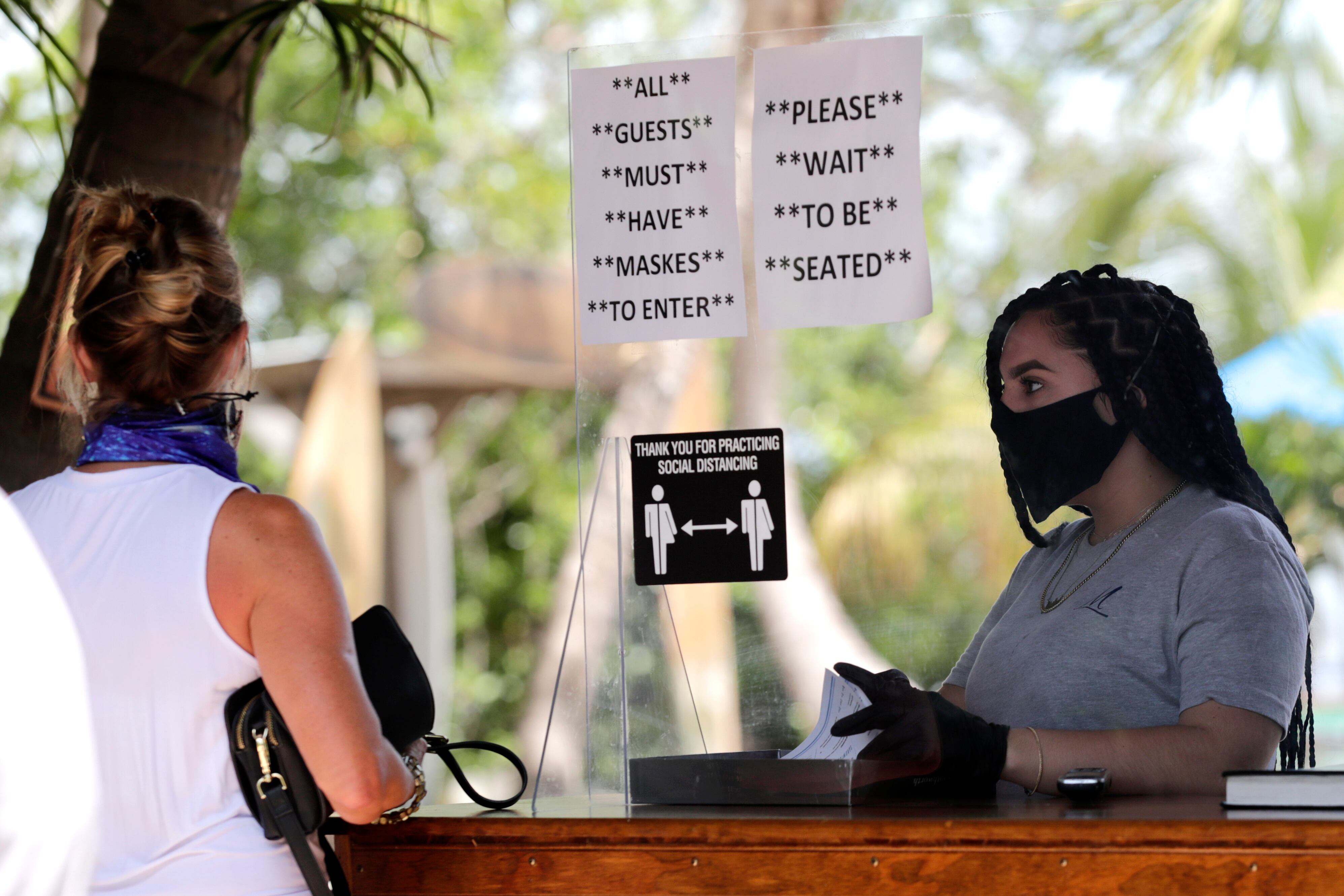
Nailea Rosales works behind a protective shield wearing a protective mask and gloves at the Morada Bay Beach Cafe in Islamorada, in the Florida Keys, during the new coronavirus pandemic, Monday, June 1, 2020. The Florida Keys reopened for visitors Monday after the tourist-dependent island chain was closed for more than two months to prevent the spread of the coronavirus. (AP Photo/Lynne Sladky)
By Christopher Rugaber
The U.S. unemployment rate fell to 13.3 percent in May from 14.7 percent, and 2.5 million jobs were added — a surprisingly positive reading in the midst of a recession that has paralyzed the economy in the wake of the viral pandemic.
The May job gain suggests that businesses have quickly been recalling workers as states have reopened their economies.
Other evidence has also shown that the job market meltdown triggered by the coronavirus has bottomed out. The number of people applying for unemployment benefits has declined for nine straight weeks. And the total number of people receiving such aid has essentially leveled off.
The overall job cuts have widened economic disparities that have disproportionately hurt minorities and lower-educated workers. Though the unemployment rate for white Americans was 12.4 percent May, it was 17.6 percent for Hispanics and 16.8 percent for African-Americans.
Even with the surprising gain in May, it may take months for all those who lost work in April and March to find jobs. Some economists forecast the rate could remain in double-digits through the November elections and into next year.
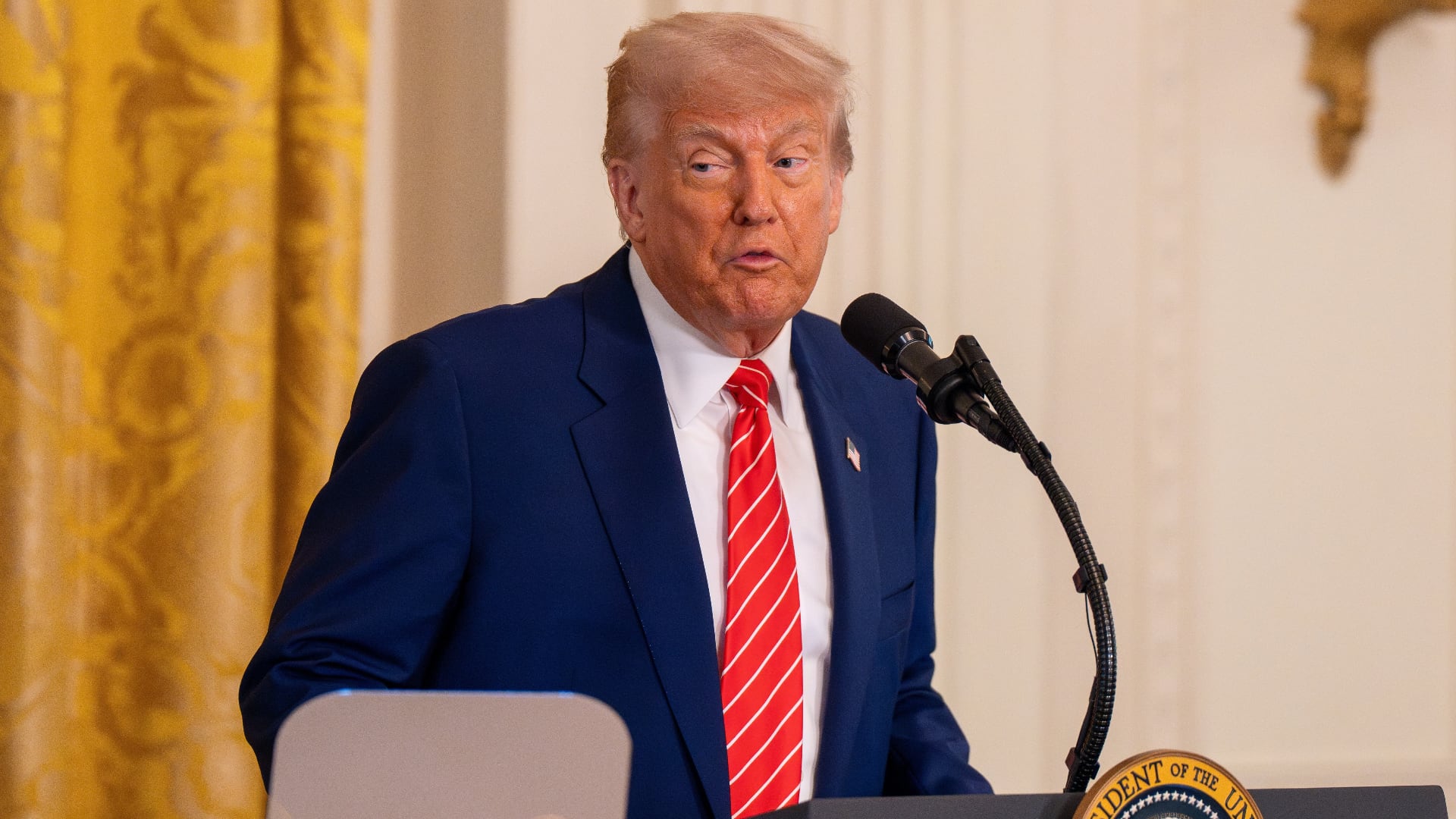
The Supreme Court strikes down Trump-era tariffs, limiting presidential trade powers and raising questions about refunds, global trade, and business impact.
New research from GoDaddy and UCLA shows small businesses signal shifts in GDP, jobs, and digital growth earlier than traditional data or Wall Street trends.
GoFundMe launches Back in Business Fund with Paris Hilton to provide targeted grants helping women entrepreneurs recover and rebuild after natural disasters.
Samsung launches its “AI in Action Lab” in NYC, giving public high school students hands-on AI experience and tools to prepare for real world innovations.
Gen Z workers are increasingly worried AI could replace their jobs. However, experts say companies are using AI more to assist workers than replace them.
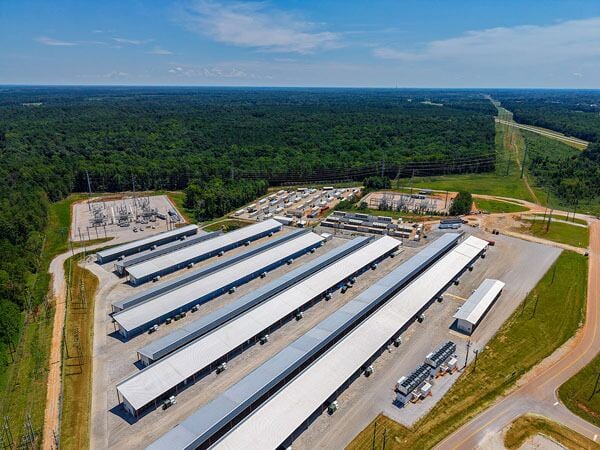
Matt Schultz of CleanSpark discusses Bitcoin mining and AI infrastructure converge, energy demand dynamics, and the company’s position in the evolving market.
Bhavin Shah of ServiceNow discusses how the new Autonomous Workforce AI automates tasks, integrates with Teams and Slack, and boosts workplace efficiency.