Economists and markets were expecting big gains in the Department of Labor's monthly job report released this morning, but overall it was a mixed bag as the COVID-19 delta variant continues to temper economic growth.
The economy added 194,000 jobs in September, well below the 500,000 expected by many economists, and a significant drop from the revised 366,000 jobs added in August.
The unemployment rate, meanwhile, dropped more than expected to a post-pandemic low of 4.8 percent, while wages jumped 4.6 percent year-over-year in line with optimistic estimates.
Combined, the numbers suggest labor markets remain tight, even as hiring is staggered.
"We believe this marks the end of a string of poor job reports," wrote Oxford Economics in a quick reaction to the jobs report. "Looking ahead, we expect an improving COVID situation will support strong labor demand while helping liberate labor supply."
The job market still has 5 million fewer jobs than prior to the pandemic.
Markets, for the moment, aren't reacting severely one way or the other.
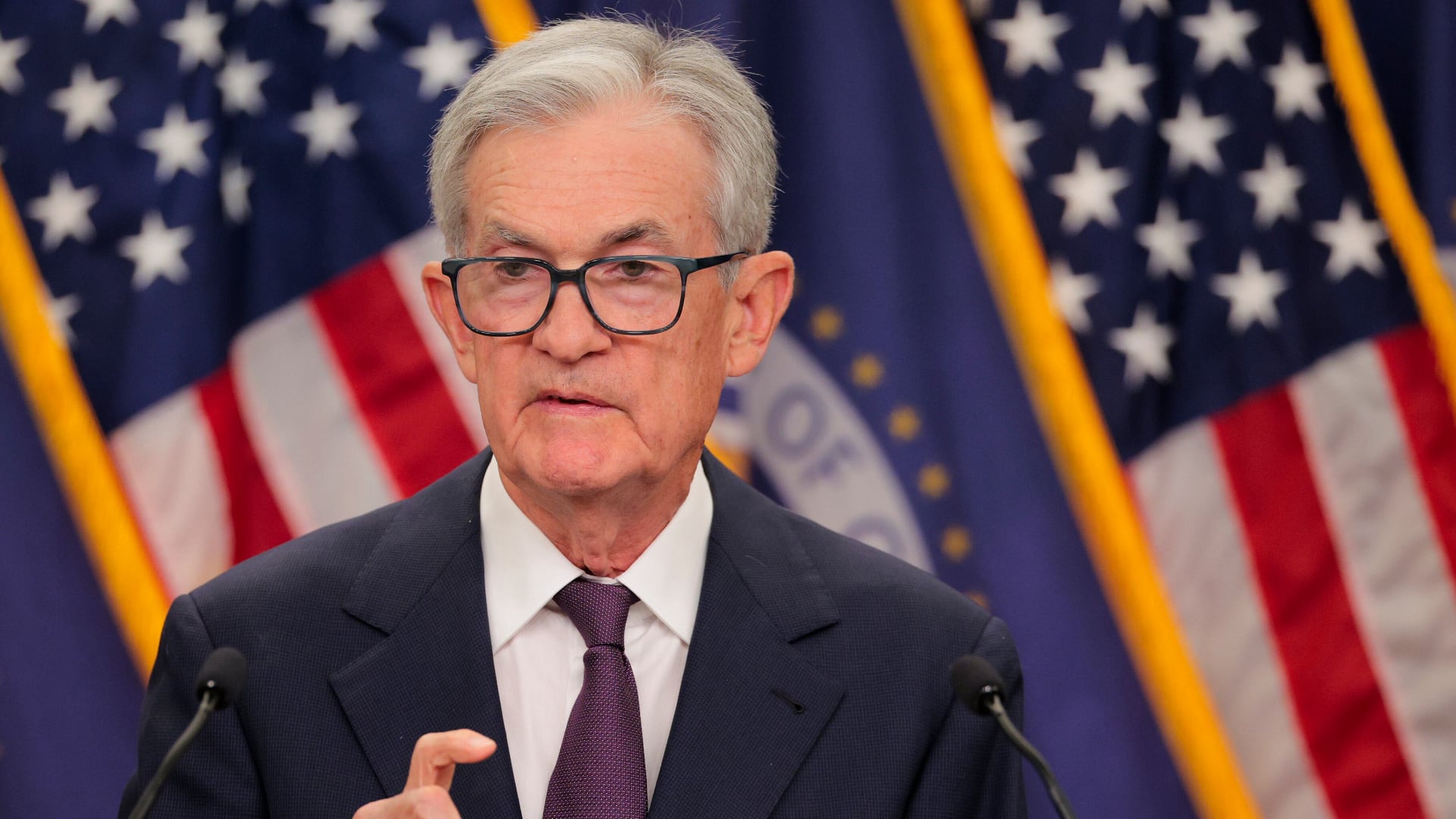
The modest gains are still expected to meet the threshold for the Federal Reserve to move forward with its plan to taper quantitative easing in the coming months.
Looking a bit closer at the employment data, the biggest gains were in leisure and hospitality, which added 74,000, with arts and entertainment leading the category at 43,000 jobs.
Employment in restaurants and bars didn't budge after months of significant gains as the economy recovered from the early doldrums of the pandemic.
Professional and business added 60,000 jobs; retail added 56,000, and transportation and warehousing added 47,000.
Other data points
The number of people teleworking remained around 13.2 percent of the workforce, suggesting that work-from-home arrangements are alive and well, even as the delta variant surge tapers off in parts of the country.
Average hourly earnings ticked up 19 cents to $30.85 per hour.
The unemployment rate for Black people actually declined this month to 7.9 percent, after rising in August to around 9 percent. This is still well above the 4.2 percent unemployment rate for white people.