The UN Intergovernmental Panel on Climate Change (IPCC) has released a new report providing multiple options for how the world can survive and adapt to climate change.
"The climate time bomb is ticking," said U.N. Secretary-General António Guterres in a press release. "But today's IPCC report is a how-to guide to defuse the climate time bomb. It is a survival guide for humanity."
The IPCC's Synthesis Report is the most comprehensive document from the agency since the 2015 Paris Agreement and is intended to serve as a set of guidelines for governments around the world to keep warming within 1.5°C.
The agency stressed that carbon emissions have only increased since the agency established that temperature limit in 2018. Global temperatures are currently 1.1°C above pre-industrial levels, which the agency said has caused more frequent and intense extreme weather events around the world.
"Mainstreaming effective and equitable climate action will not only reduce losses and damages for nature and people, it will also provide wider benefits," said IPCC Chair Hoesung Lee. "This [report] underscores the urgency of taking more ambitious action and shows that, if we act now, we can still secure a liveable sustainable future for all."
The UN panel is calling for "climate resilient development" to reduce emissions and increased investment in developing clean energy sources and new transportation options that emphasize walking, cycling, and public transport.
"Transformational changes are more likely to succeed where there is trust, where everyone works together to prioritize risk reduction, and where benefits and burdens are shared equitably," Lee said. "We live in a diverse world in which everyone has different responsibilities and different opportunities to bring about change. Some can do a lot while others will need support to help them manage the change."
Dr. Patrice Harris, speaking to Cheddar the day after her tenure at the American Medical Association ended, leaves the nation’s largest association of physicians at a time of remarkable upheaval for the medical community.
New Zealand appears to have eradicated the coronavirus for now after health officials said the last known infected person has recovered.
Federal health authorities have received reports of nearly 26,000 nursing home residents dying from COVID-19, according to materials prepared for the nation's governors. That number is partial and likely to go higher.
President Donald Trump has announced that the U.S. will be terminating its relationship with the World Health Organization.
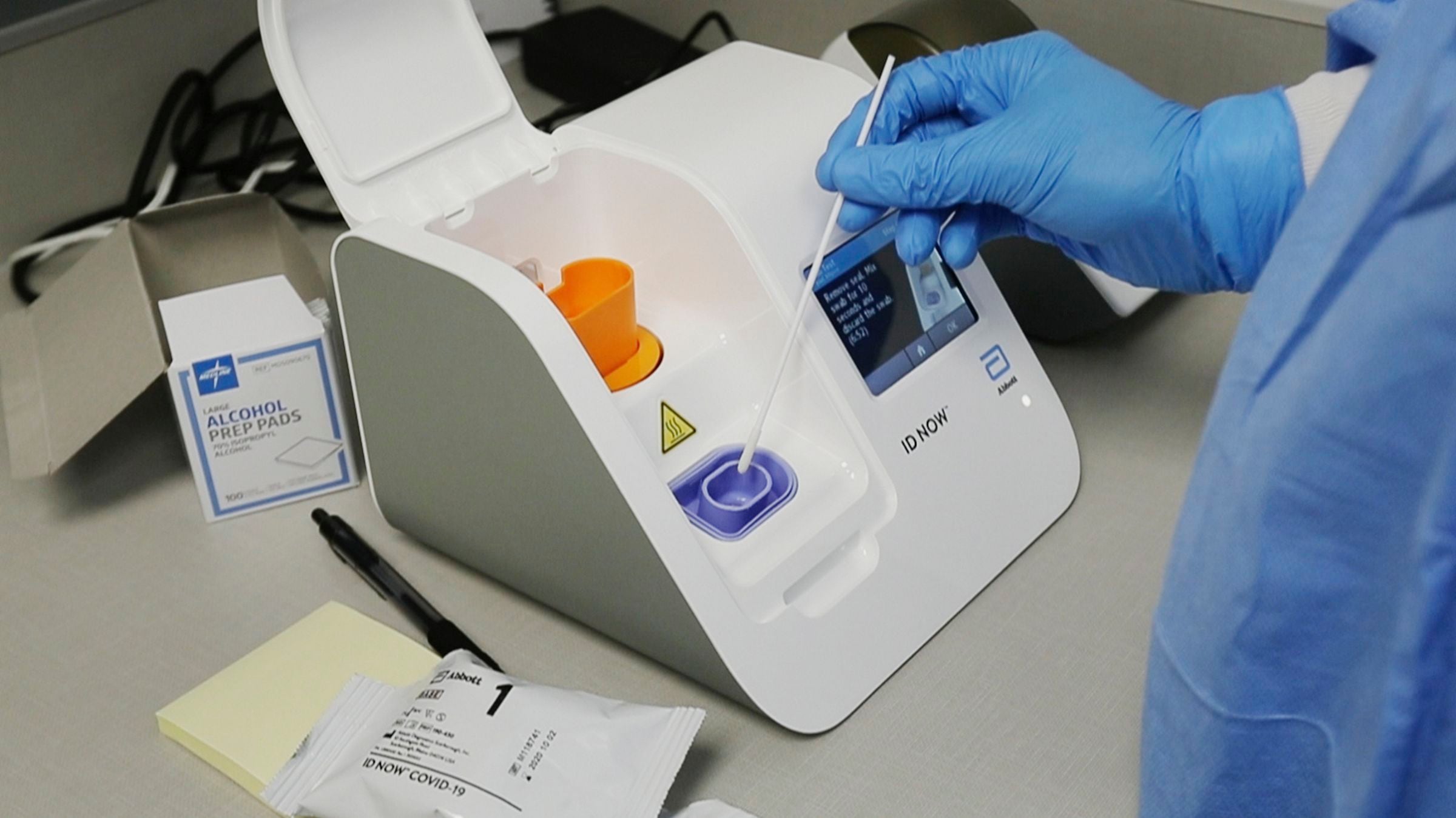
Phil Ginsburg, Abbott's Head of Infectious Disease, told Cheddar that new data shows the ID Now quick-results test for coronavirus is accurate if used as intended.
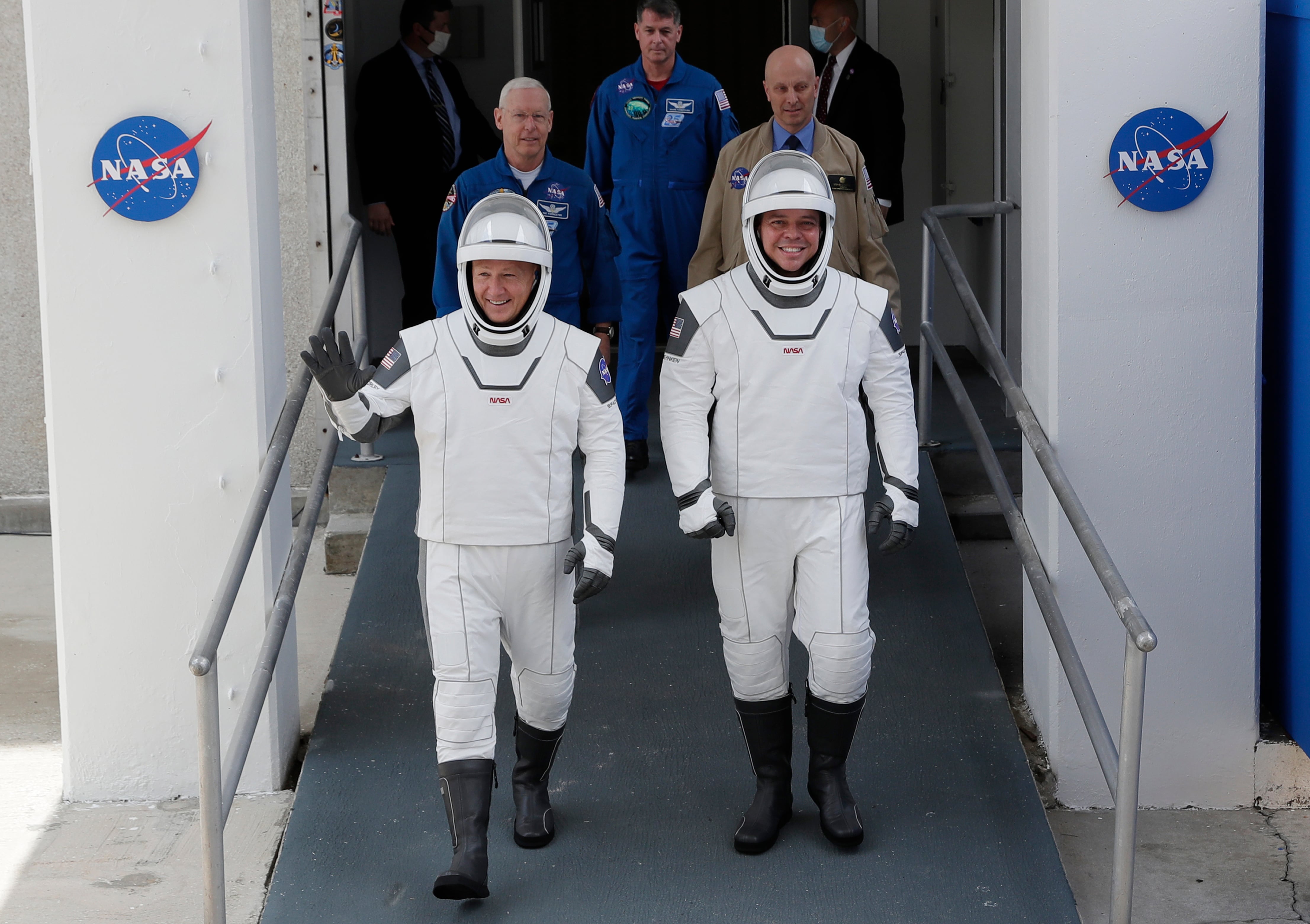
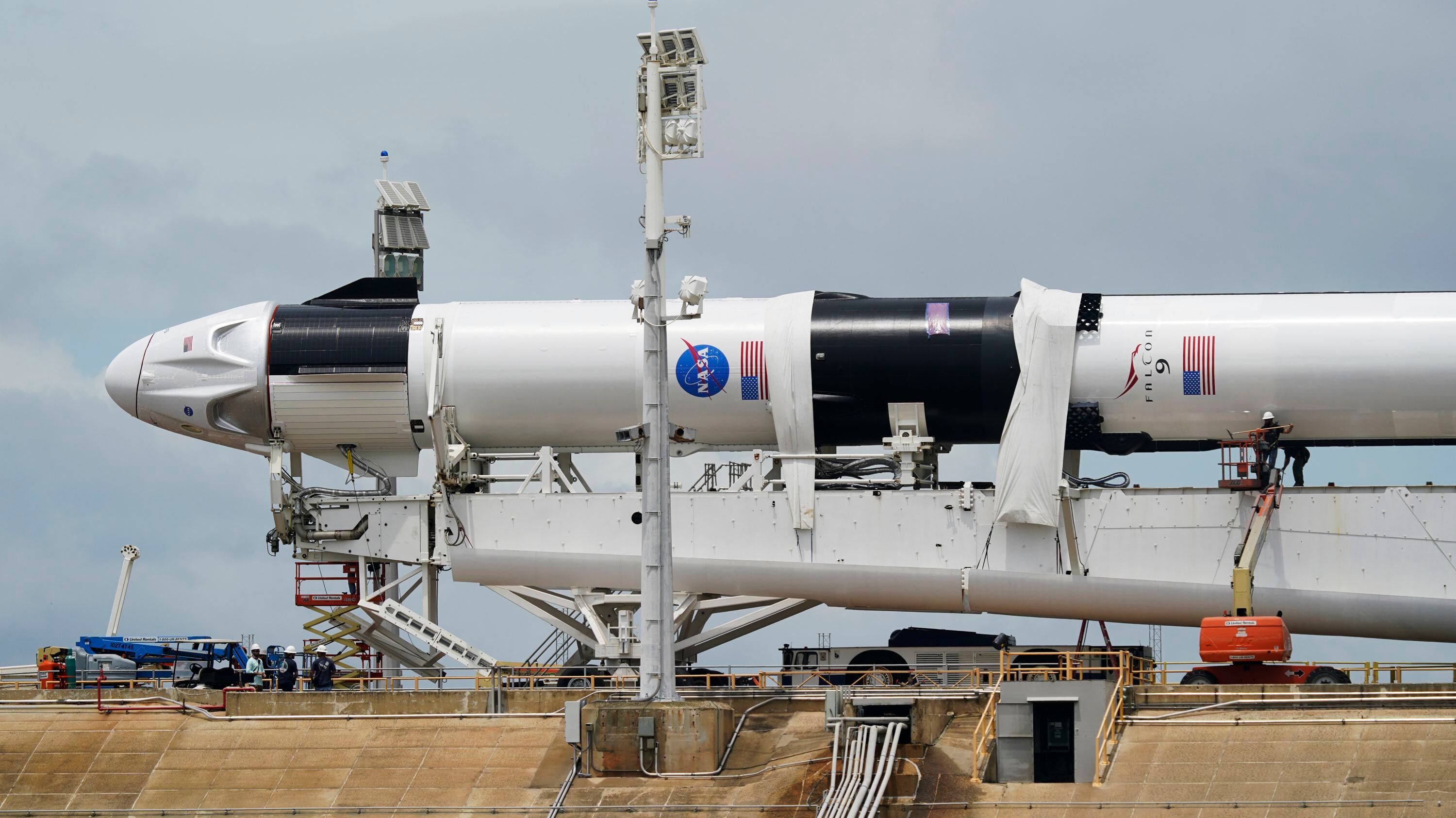
The launch of a SpaceX rocket ship with two NASA astronauts on a history-making flight into orbit has been called off with 16 minutes to go in the countdown because of the danger of lightning.
Visitation to National Park Service sites has seen a boom in recent years. For five years in a row, the park service has tallied over 300 million visitors per year. It’s an unprecedented spike, and the reason why this is happening now goes deeper than social media alone. While the threat of COVID-19 will likely change those numbers this year, the park service is still figuring out how to regain the balance between preservation and visitation. Cheddar explains the history of crowding in America’s national parks, and the impacts we are seeing from that today.
NASA is rolling out the International Space Station's red carpet for Tom Cruise.
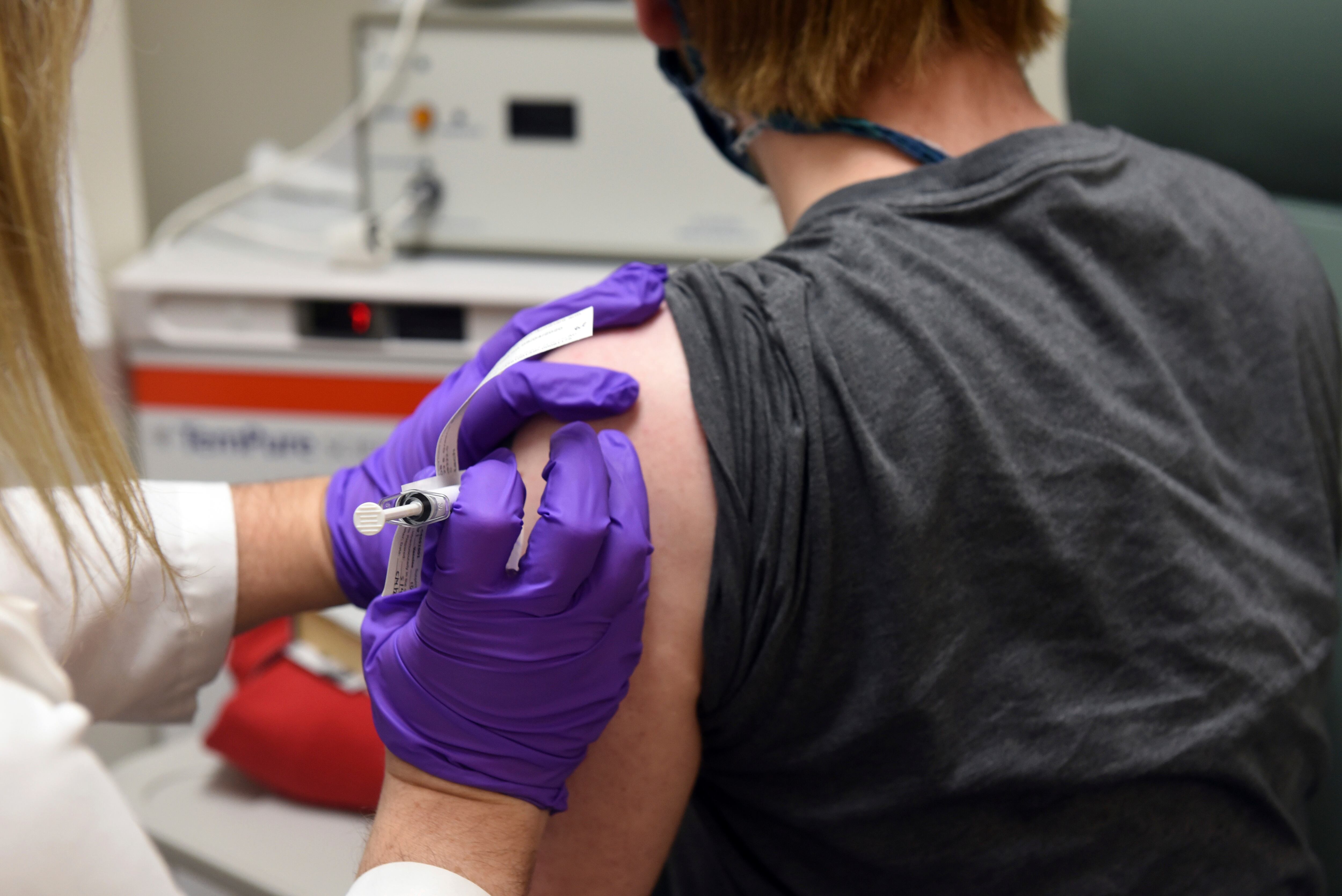
Only about half of Americans say they would get a COVID-19 vaccine if the scientists working furiously to create one succeed.
Forecasters say the odds of acceptable conditions have improved to 60% for Wednesday's planned launch of a SpaceX Falcon rocket with two NASA astronauts.