The UN Intergovernmental Panel on Climate Change (IPCC) has released a new report providing multiple options for how the world can survive and adapt to climate change.
"The climate time bomb is ticking," said U.N. Secretary-General António Guterres in a press release. "But today's IPCC report is a how-to guide to defuse the climate time bomb. It is a survival guide for humanity."
The IPCC's Synthesis Report is the most comprehensive document from the agency since the 2015 Paris Agreement and is intended to serve as a set of guidelines for governments around the world to keep warming within 1.5°C.
The agency stressed that carbon emissions have only increased since the agency established that temperature limit in 2018. Global temperatures are currently 1.1°C above pre-industrial levels, which the agency said has caused more frequent and intense extreme weather events around the world.
"Mainstreaming effective and equitable climate action will not only reduce losses and damages for nature and people, it will also provide wider benefits," said IPCC Chair Hoesung Lee. "This [report] underscores the urgency of taking more ambitious action and shows that, if we act now, we can still secure a liveable sustainable future for all."
The UN panel is calling for "climate resilient development" to reduce emissions and increased investment in developing clean energy sources and new transportation options that emphasize walking, cycling, and public transport.
"Transformational changes are more likely to succeed where there is trust, where everyone works together to prioritize risk reduction, and where benefits and burdens are shared equitably," Lee said. "We live in a diverse world in which everyone has different responsibilities and different opportunities to bring about change. Some can do a lot while others will need support to help them manage the change."
Cheddar's Need2Know Podcast for Tues., June 16, 2020.
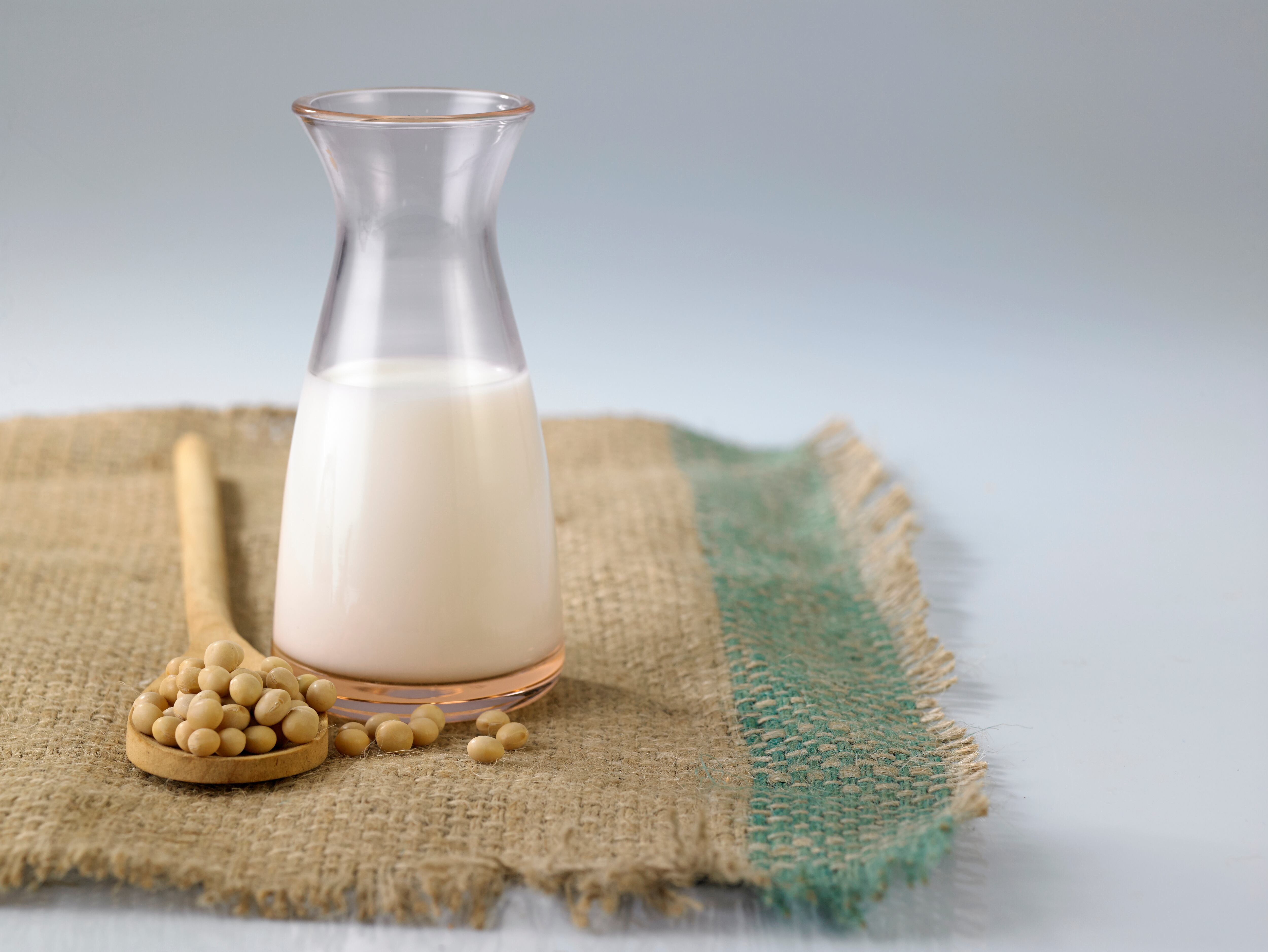
From milk to canned tuna to shampoo, soy is in a good majority of our day-to-day products. It’s added to around 60% of the nation’s processed foods. Soy has been known to provide some real health benefits, like high protein. But there are legitimate health and environmental consequences that raise the question: why do we use so much soy? And should we?
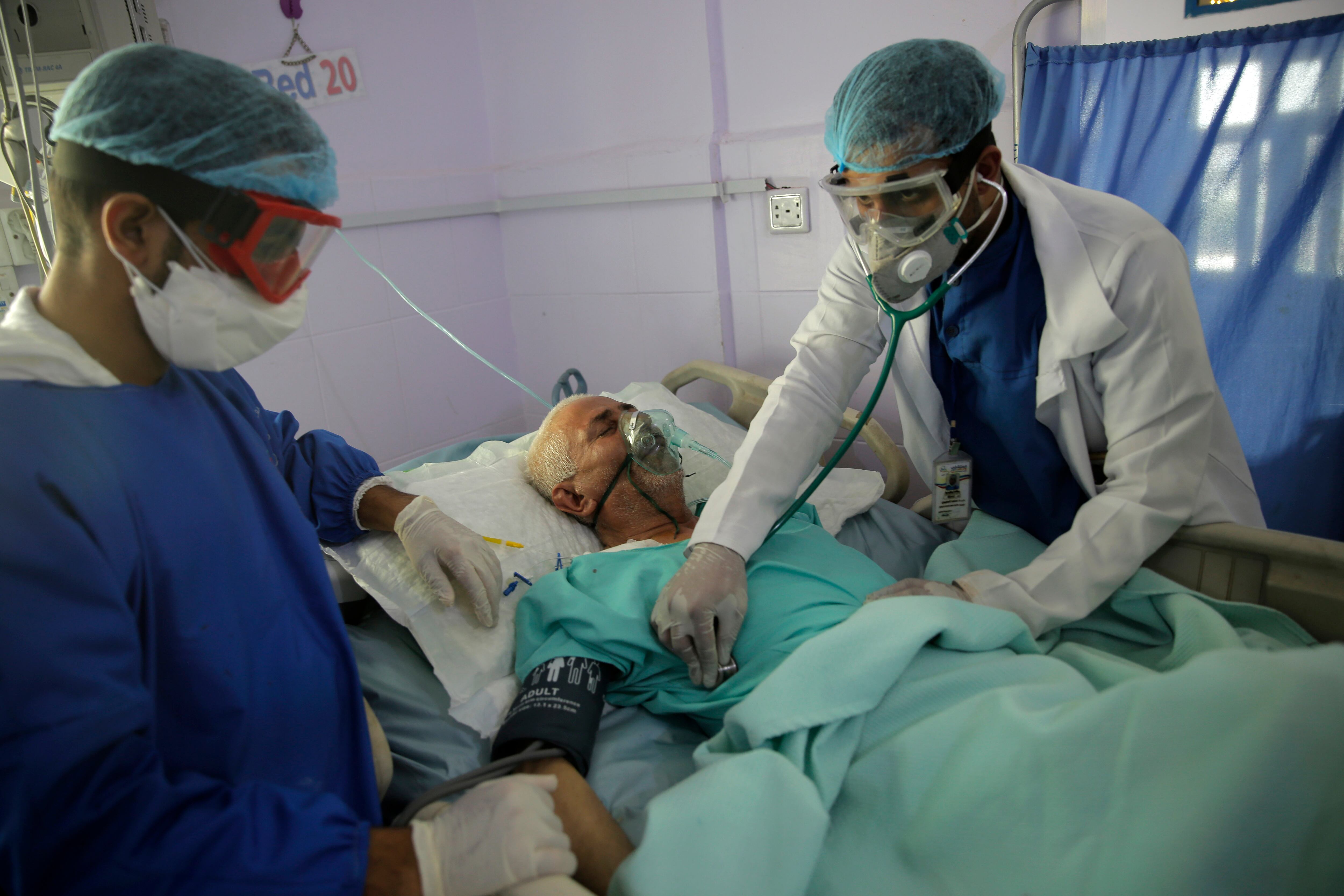
Researchers in England say they have the first evidence that a drug can improve survival from COVID-19. The drug is a cheap, widely available steroid called dexamethasone.
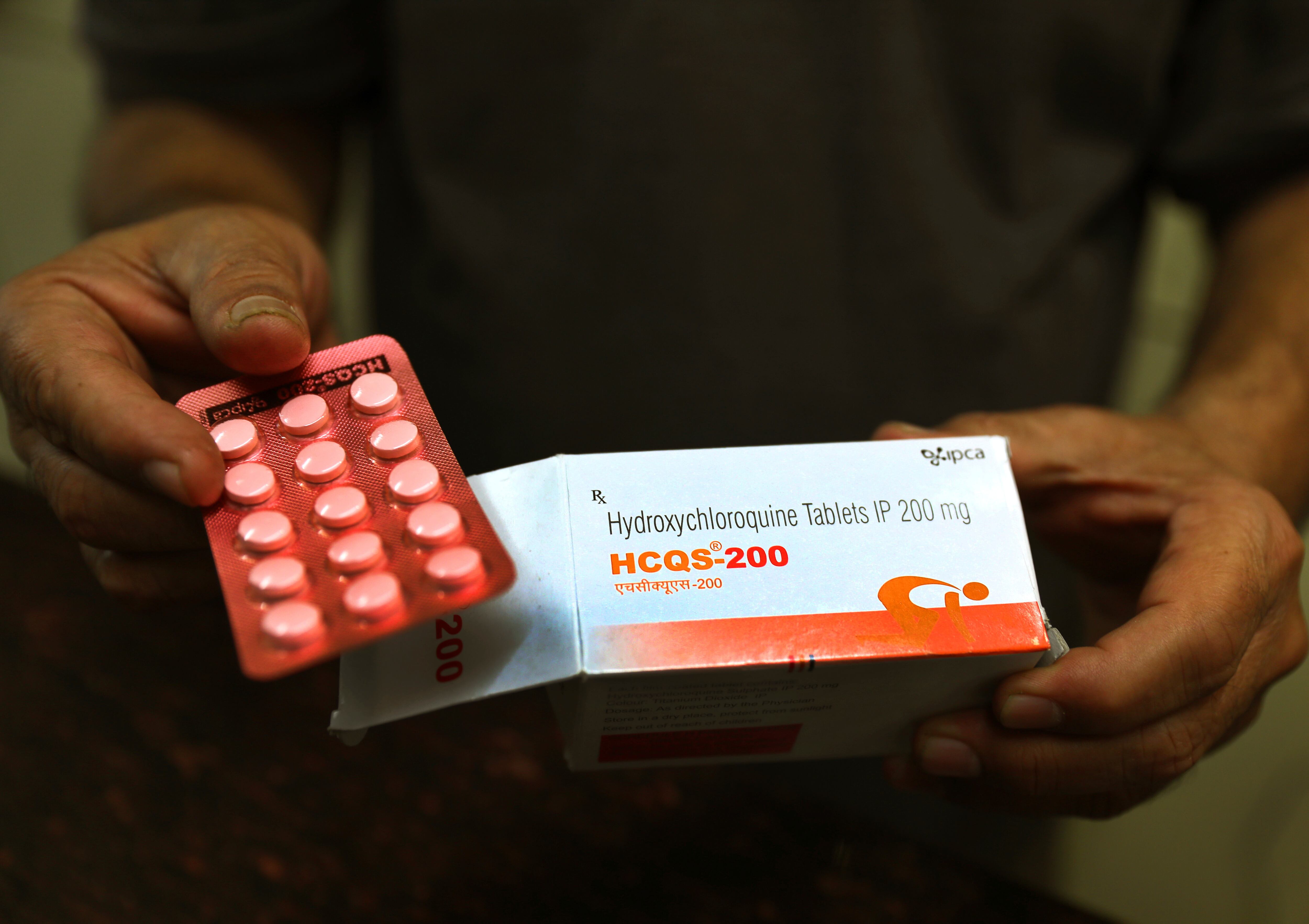
The Food and Drug Administration said Monday that the drugs hydroxychloroquine and chloroquine are unlikely to be effective in treating the coronavirus.
As the number of coronavirus cases continues to rise in the U.S., Johnson & Johnson's chief scientific officer Dr. Paul Stoffels told Cheddar the company has an accelerated plan to create a vaccine.
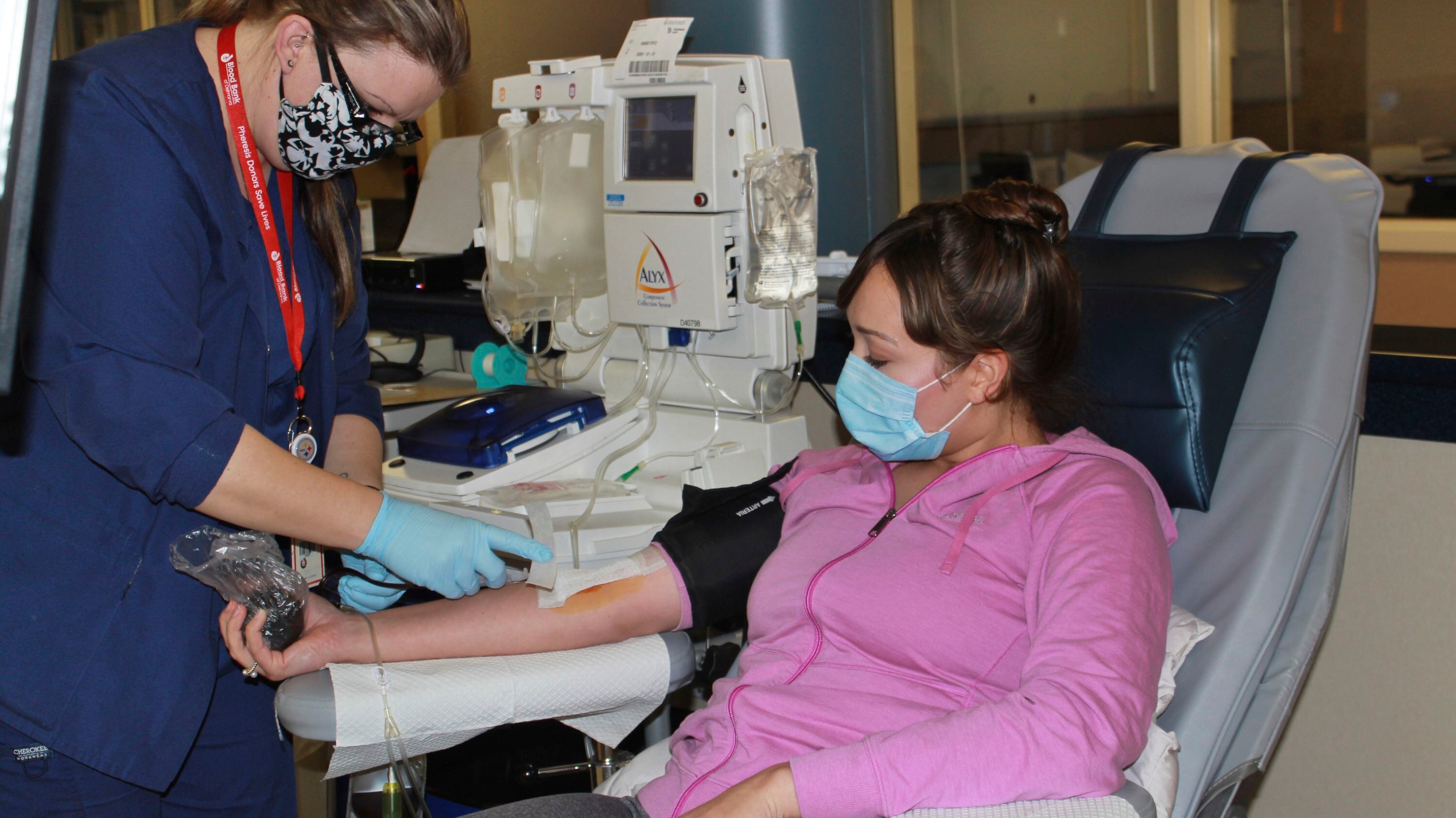
Scientists are beginning a new study to tell if the blood plasma of COVID-19 survivors might help prevent infection in the first place.
Coronavirus cases are rising in nearly half the U.S. states. And while many are chalked up to increased testing or to small, local outbreaks, others are more alarming.
If you lived in a big city in the 90s, you're probably one of the unlucky people who was kept up at night on a regular basis by errant car alarms. But today, those in that same big city hear alarms far less often than you did. So where did car alarms go? How have they evolved, and did we ever need them to begin with?
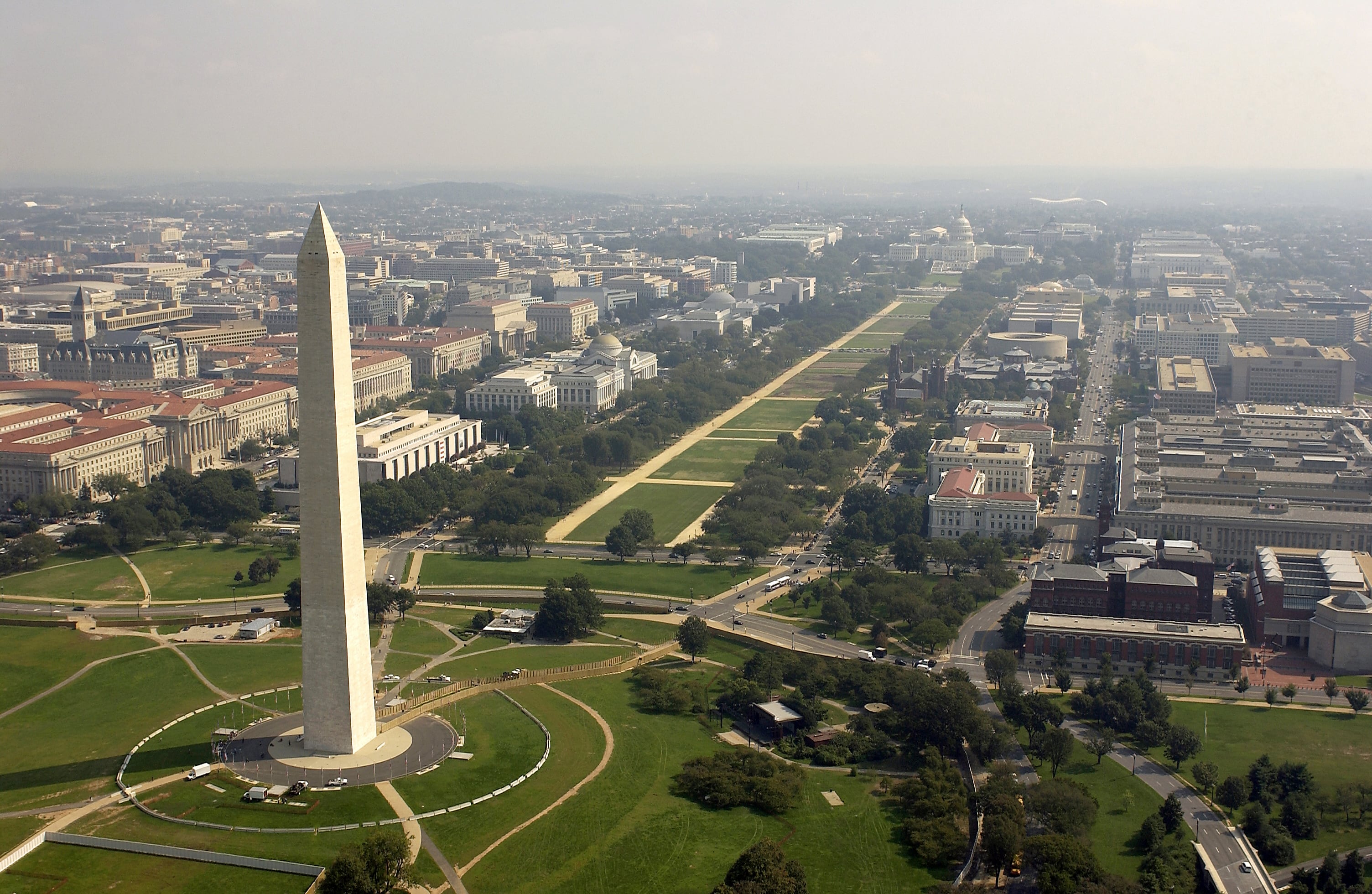
The skyline of Washington D.C. is stunted. You've probably heard that D.C. can't build skyscrapers taller than the U.S. Capital Building or the Washington Monument. But those are both myths from a bygone era. Cheddar tells the real story.
A top World Health Organization expert has tried to clear up “misunderstandings” about comments she made that were widely understood to suggest that people without COVID-19 symptoms rarely transmit the coronavirus.