The UN Intergovernmental Panel on Climate Change (IPCC) has released a new report providing multiple options for how the world can survive and adapt to climate change.
"The climate time bomb is ticking," said U.N. Secretary-General António Guterres in a press release. "But today's IPCC report is a how-to guide to defuse the climate time bomb. It is a survival guide for humanity."
The IPCC's Synthesis Report is the most comprehensive document from the agency since the 2015 Paris Agreement and is intended to serve as a set of guidelines for governments around the world to keep warming within 1.5°C.
The agency stressed that carbon emissions have only increased since the agency established that temperature limit in 2018. Global temperatures are currently 1.1°C above pre-industrial levels, which the agency said has caused more frequent and intense extreme weather events around the world.
"Mainstreaming effective and equitable climate action will not only reduce losses and damages for nature and people, it will also provide wider benefits," said IPCC Chair Hoesung Lee. "This [report] underscores the urgency of taking more ambitious action and shows that, if we act now, we can still secure a liveable sustainable future for all."
The UN panel is calling for "climate resilient development" to reduce emissions and increased investment in developing clean energy sources and new transportation options that emphasize walking, cycling, and public transport.
"Transformational changes are more likely to succeed where there is trust, where everyone works together to prioritize risk reduction, and where benefits and burdens are shared equitably," Lee said. "We live in a diverse world in which everyone has different responsibilities and different opportunities to bring about change. Some can do a lot while others will need support to help them manage the change."
Despite the expected arrival of COVID-19 vaccines in just a few weeks, it could take several months — probably well into 2021 — before things get back to something close to normal in the United States.
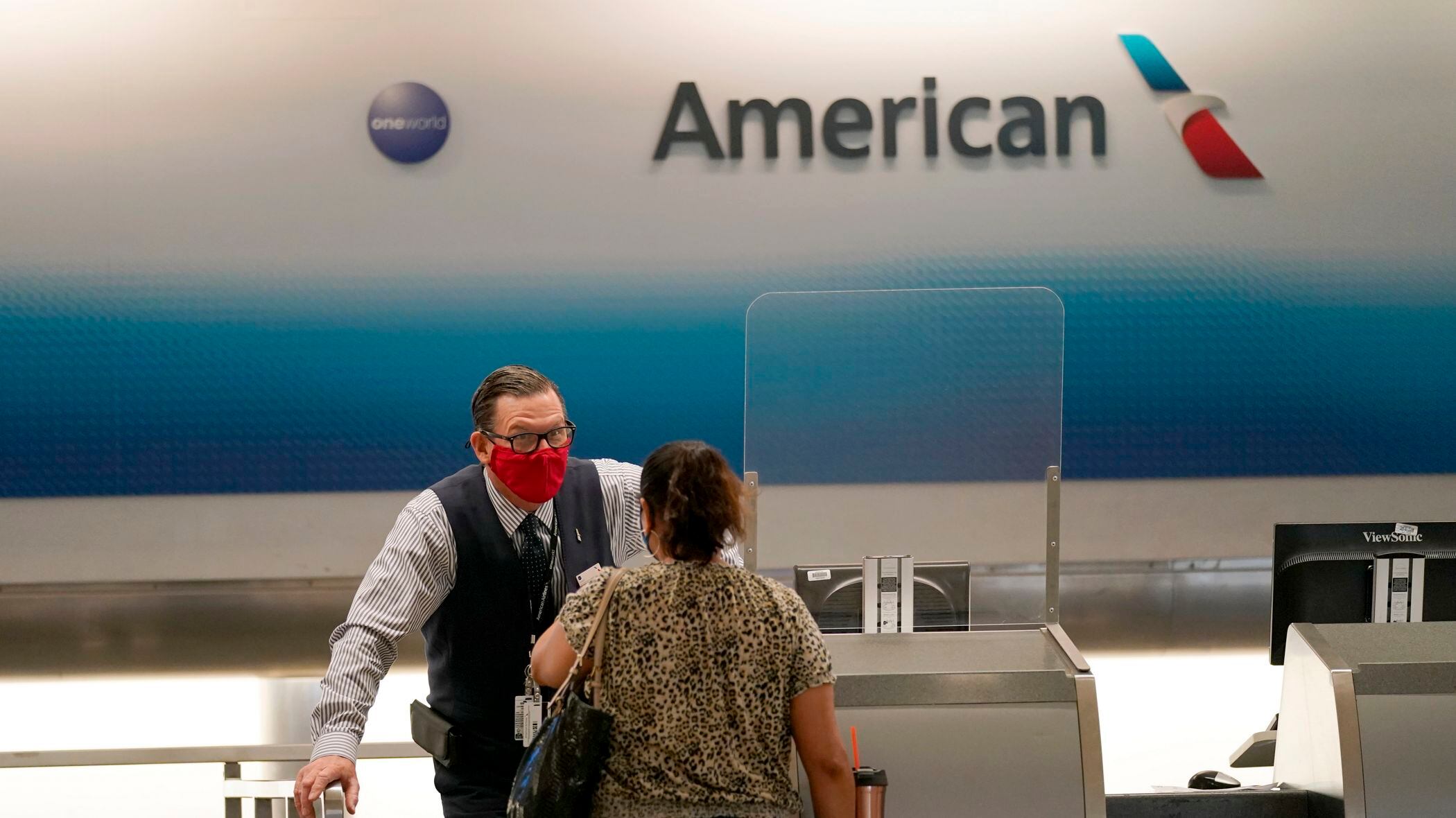
American Airlines is expanding its COVID-19 pilot pre-flight testing program to London in an effort to get more international flyers in the sky.
AstraZeneca reported that its vaccine is 90% effective and cheaper to distribute than vaccines from its competitors. Meanwhile, the U.S. is averaging 1,500 deaths per day according to Johns Hopkins.
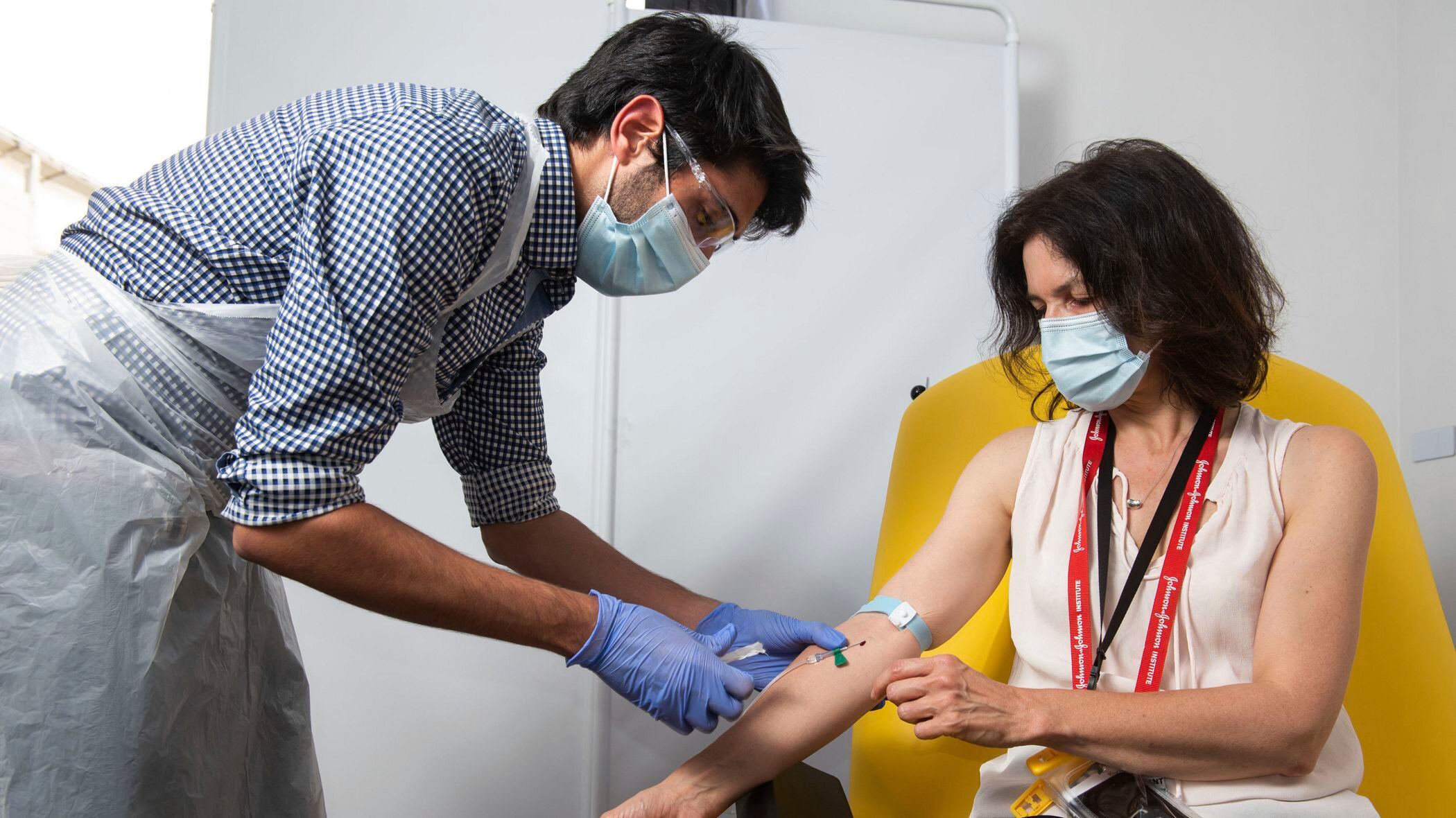
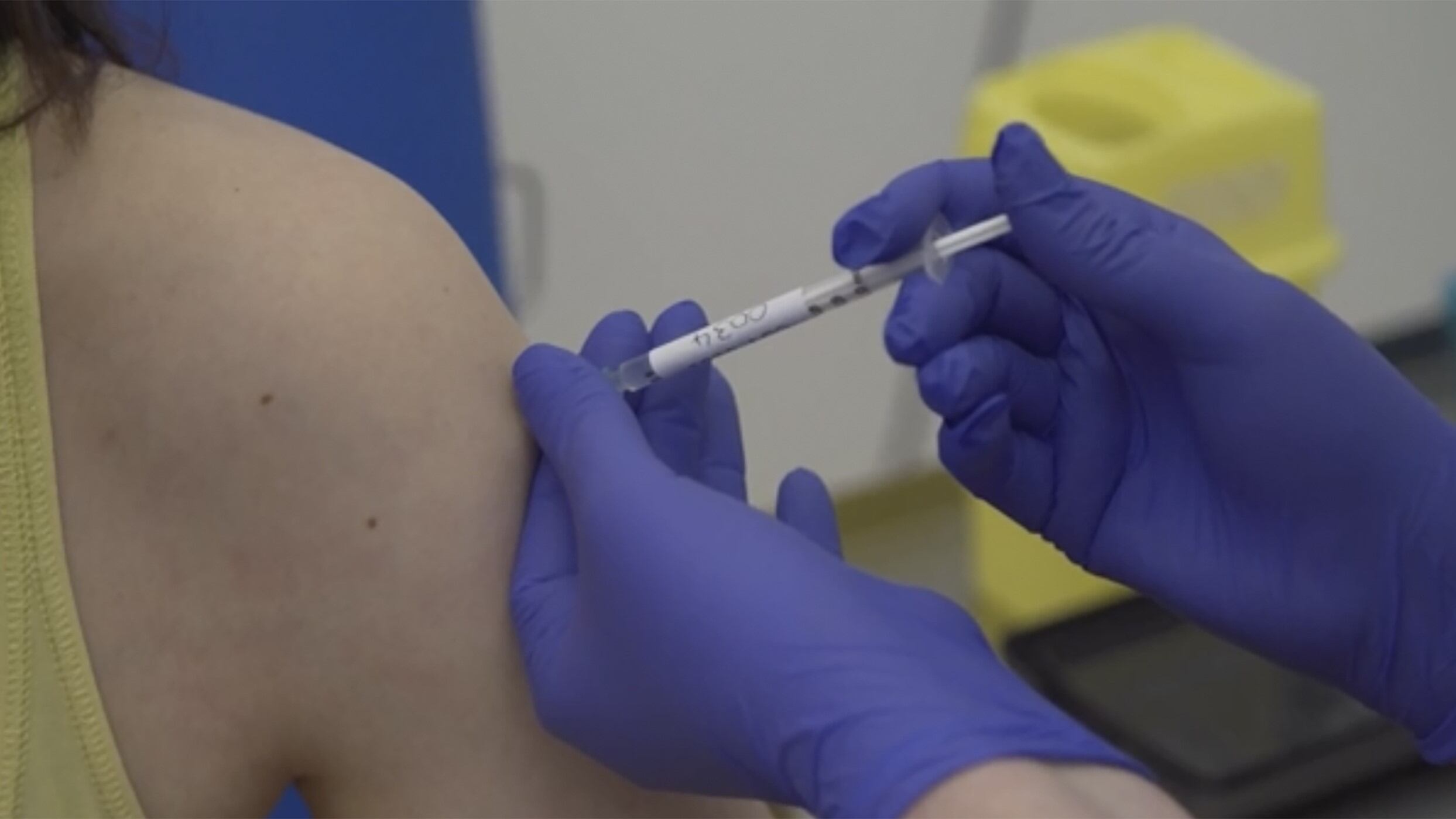
Pharmaceutical company AstraZeneca said Monday that late-stage trials showed its coronavirus vaccine was up to 90% effective, giving public health officials hope they may soon have access to a vaccine that is cheaper and easier to distribute than some of its rivals.
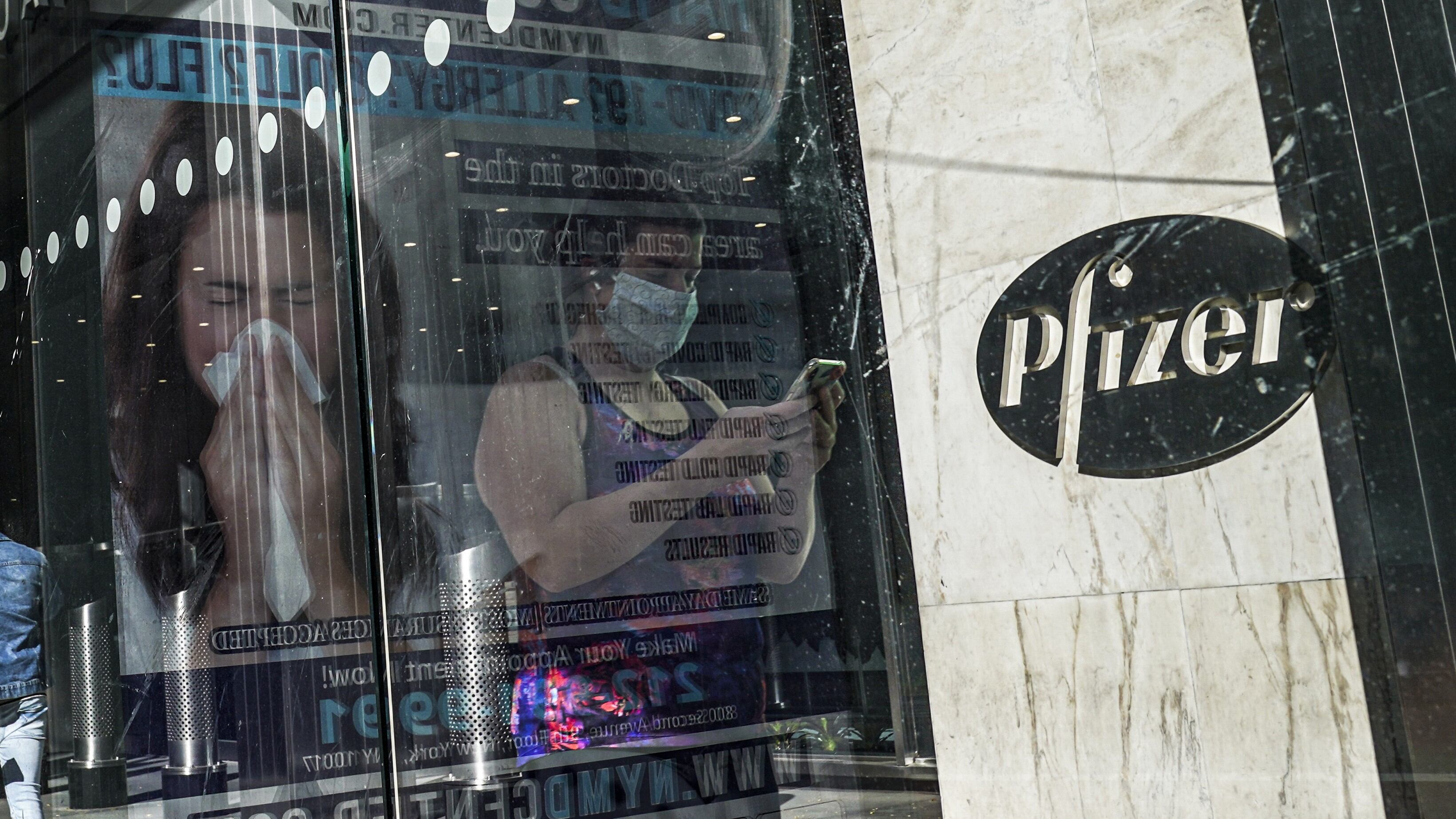
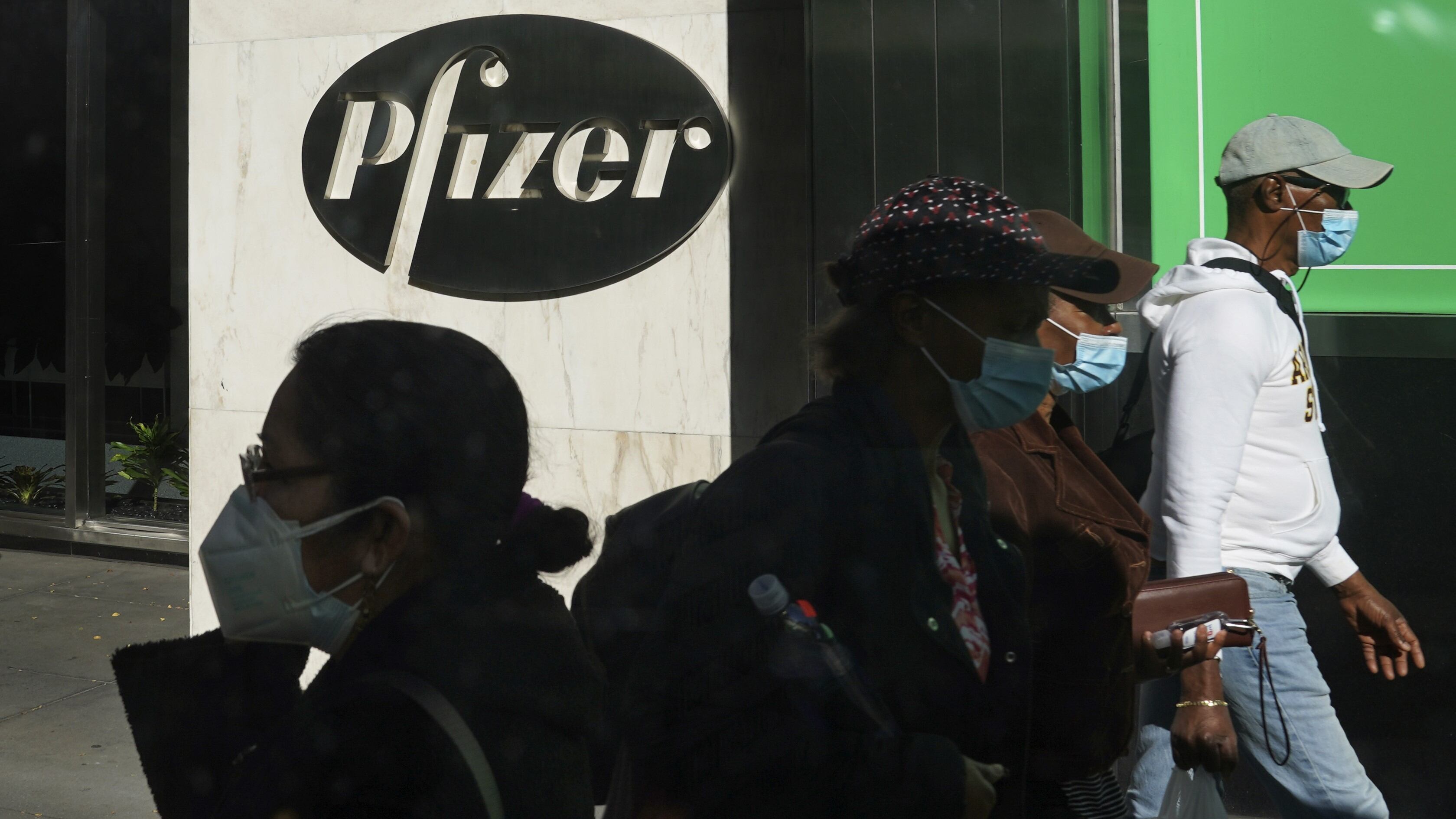
Pfizer said Friday it is asking U.S. regulators to allow emergency use of its COVID-19 vaccine, starting the clock on a process that could bring limited first shots as early as next month and eventually an end to the pandemic -- but not until after a long, hard winter.
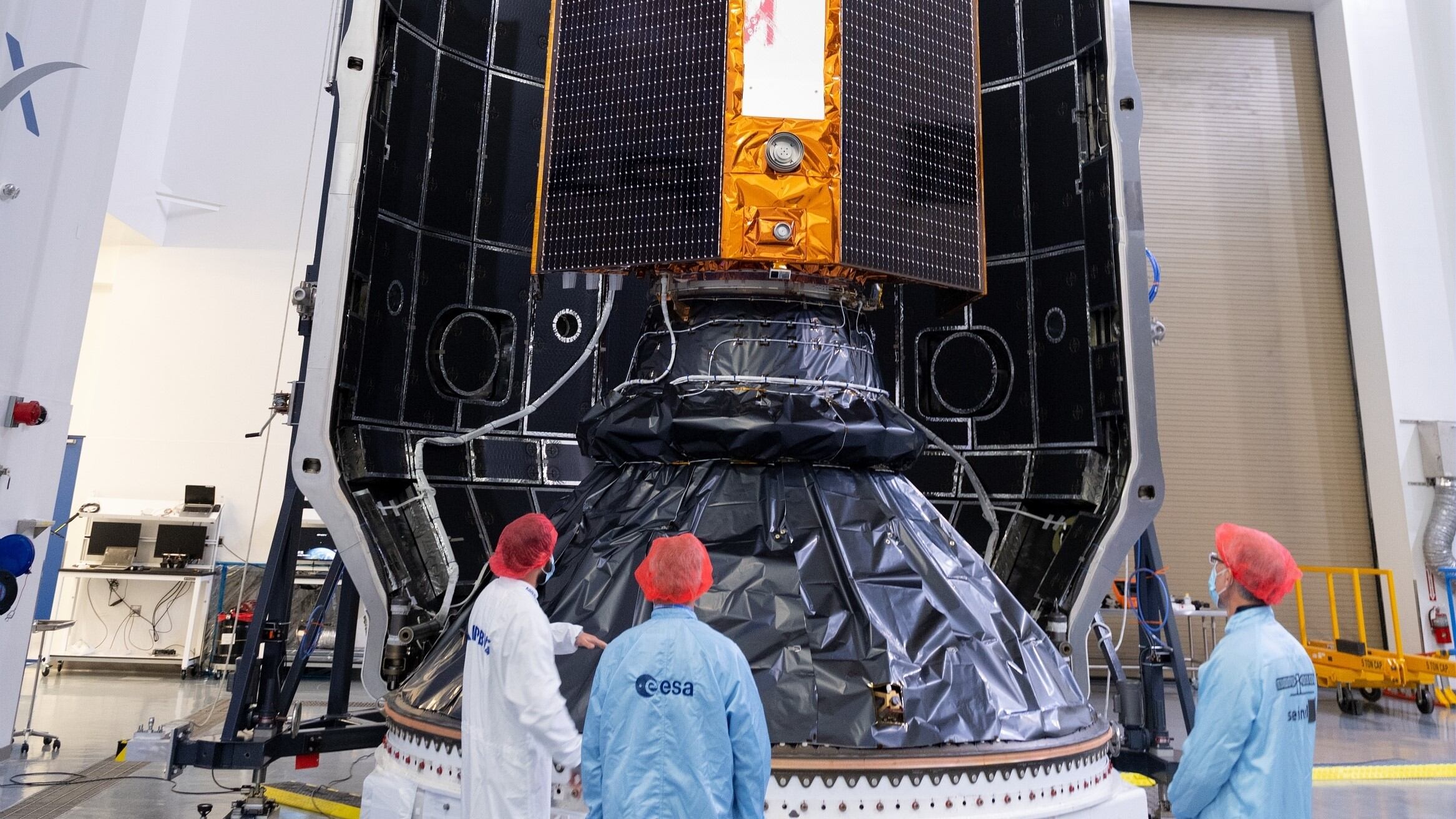
A satellite jointly developed by Europe and the United States being launched this weekend will greatly help scientists keep track of the rise in global sea levels, one of the most daunting effects of climate change, a senior official at the European Space Agency said Friday.
The use of mRNA technology in COVID-19 vaccines is groundbreaking for a number of reasons. However, there is a drawback to the vaccines: they have to be stored in brutally cold temperatures.
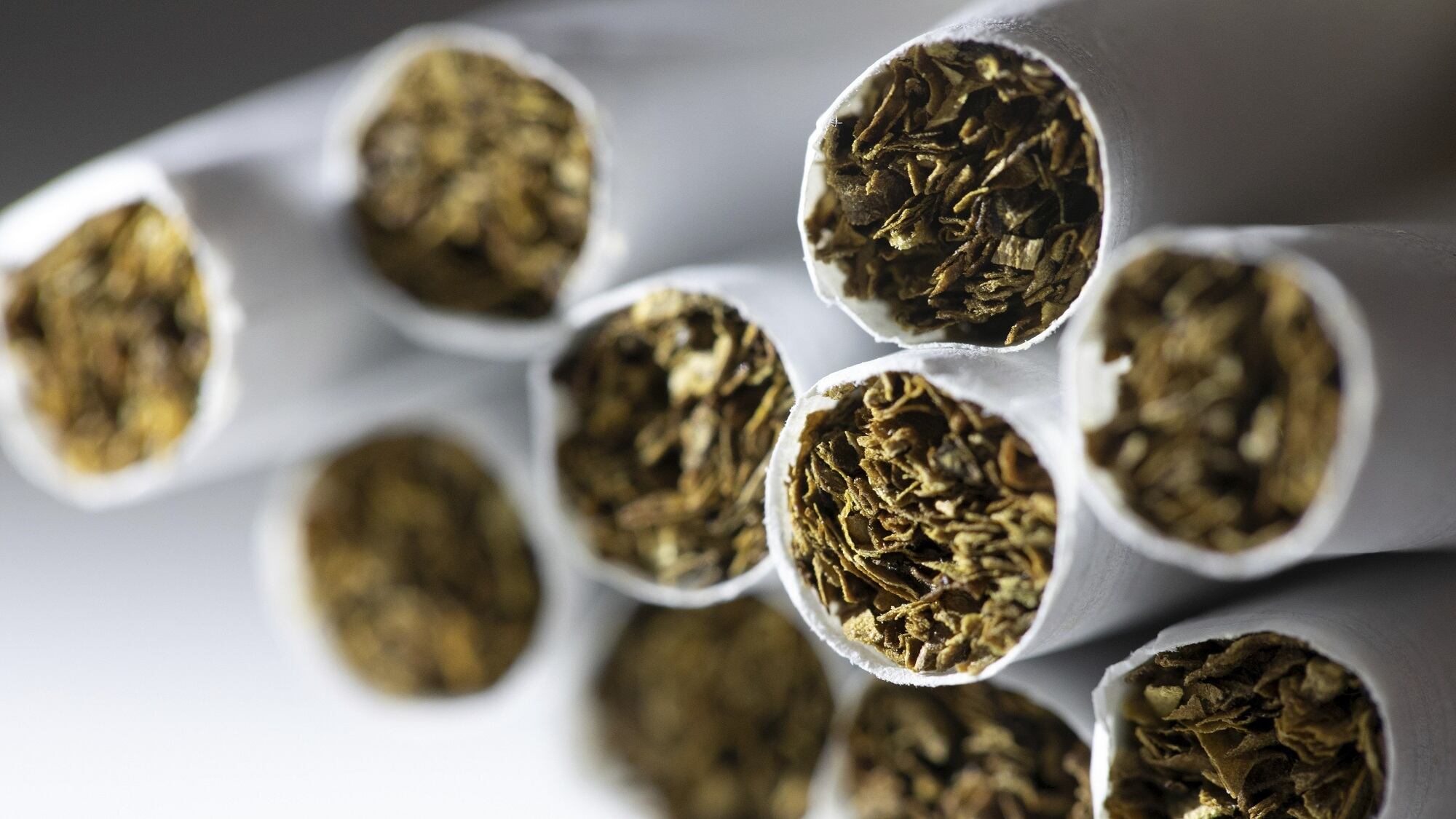
The U.S. decline in cigarette smoking could be stalling while the adult vaping rate appears to be rising, according to a government report released Thursday.
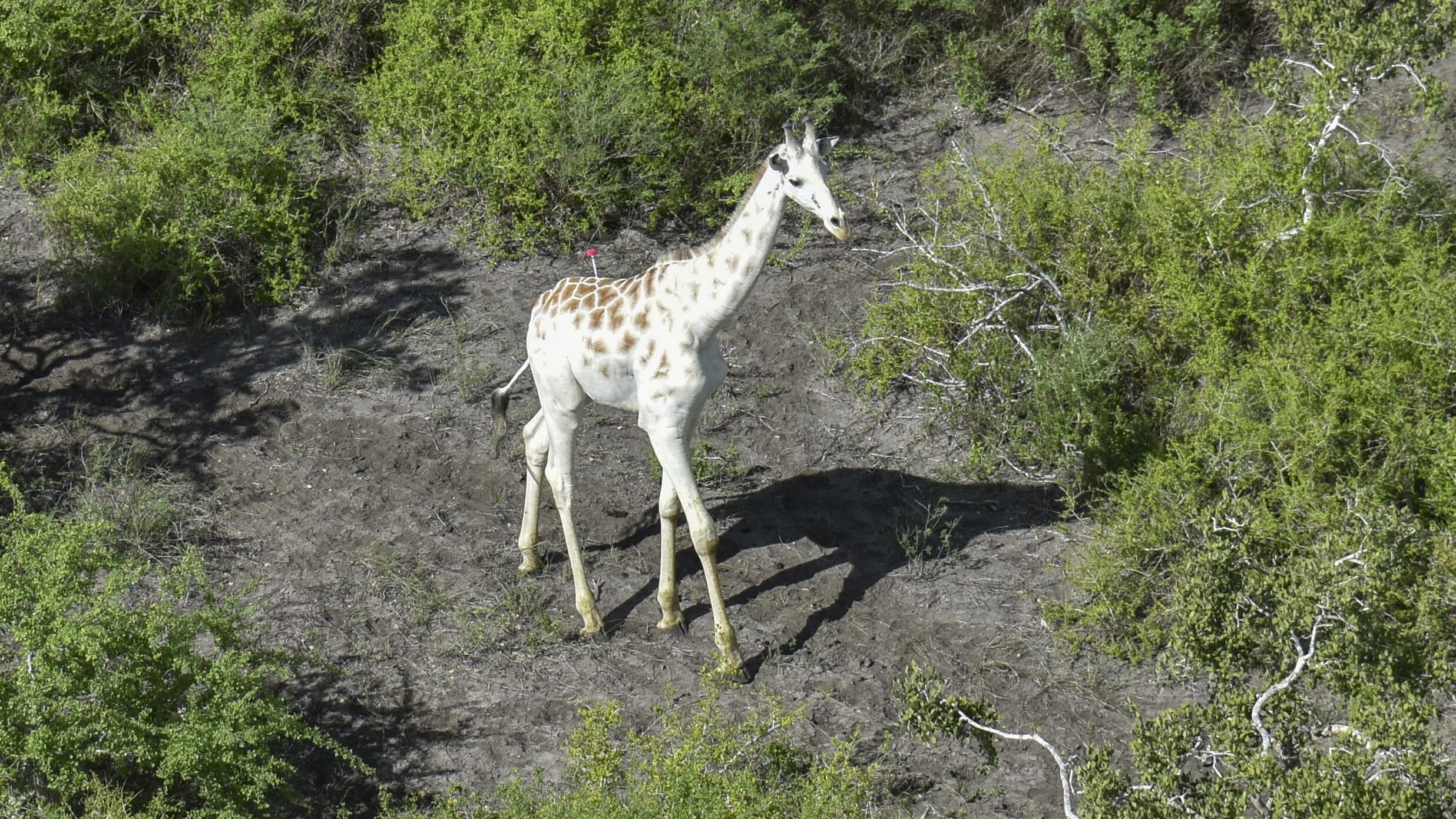
The only known white giraffe in the world has been fitted with a GPS tracking device to help protect it from poachers as it grazes in Kenya.
Pfizer said Wednesday that new test results show its coronavirus vaccine is 95% effective, is safe and also protects older people most at risk of dying.