The UN Intergovernmental Panel on Climate Change (IPCC) has released a new report providing multiple options for how the world can survive and adapt to climate change.
"The climate time bomb is ticking," said U.N. Secretary-General António Guterres in a press release. "But today's IPCC report is a how-to guide to defuse the climate time bomb. It is a survival guide for humanity."
The IPCC's Synthesis Report is the most comprehensive document from the agency since the 2015 Paris Agreement and is intended to serve as a set of guidelines for governments around the world to keep warming within 1.5°C.
The agency stressed that carbon emissions have only increased since the agency established that temperature limit in 2018. Global temperatures are currently 1.1°C above pre-industrial levels, which the agency said has caused more frequent and intense extreme weather events around the world.
"Mainstreaming effective and equitable climate action will not only reduce losses and damages for nature and people, it will also provide wider benefits," said IPCC Chair Hoesung Lee. "This [report] underscores the urgency of taking more ambitious action and shows that, if we act now, we can still secure a liveable sustainable future for all."
The UN panel is calling for "climate resilient development" to reduce emissions and increased investment in developing clean energy sources and new transportation options that emphasize walking, cycling, and public transport.
"Transformational changes are more likely to succeed where there is trust, where everyone works together to prioritize risk reduction, and where benefits and burdens are shared equitably," Lee said. "We live in a diverse world in which everyone has different responsibilities and different opportunities to bring about change. Some can do a lot while others will need support to help them manage the change."
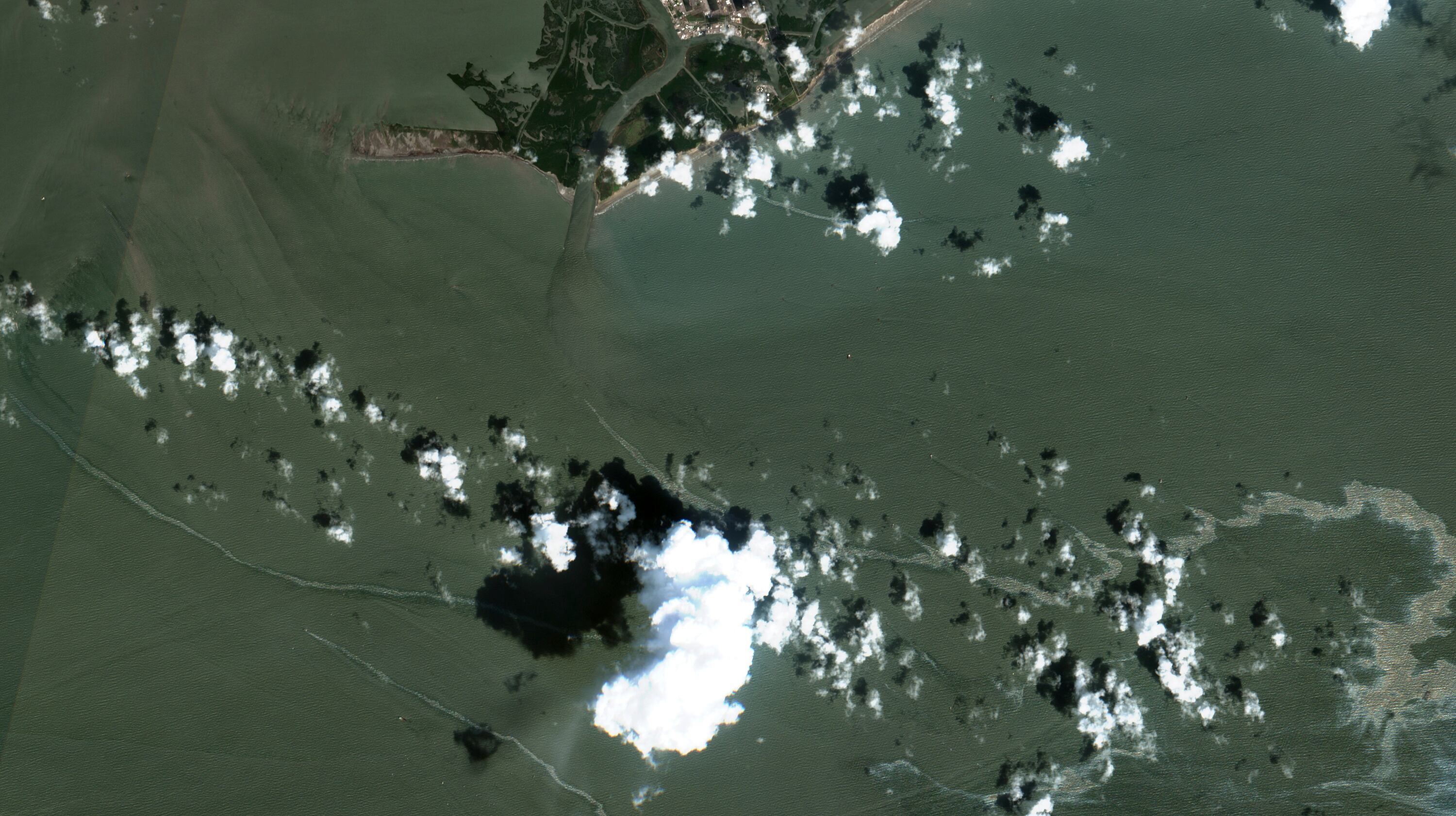
The company overseeing the response to a large oil spill spurred by Hurricane Ida said Tuesday that a containment dome has been placed over a broken undersea pipeline, stemming the flow into the Gulf of Mexico.
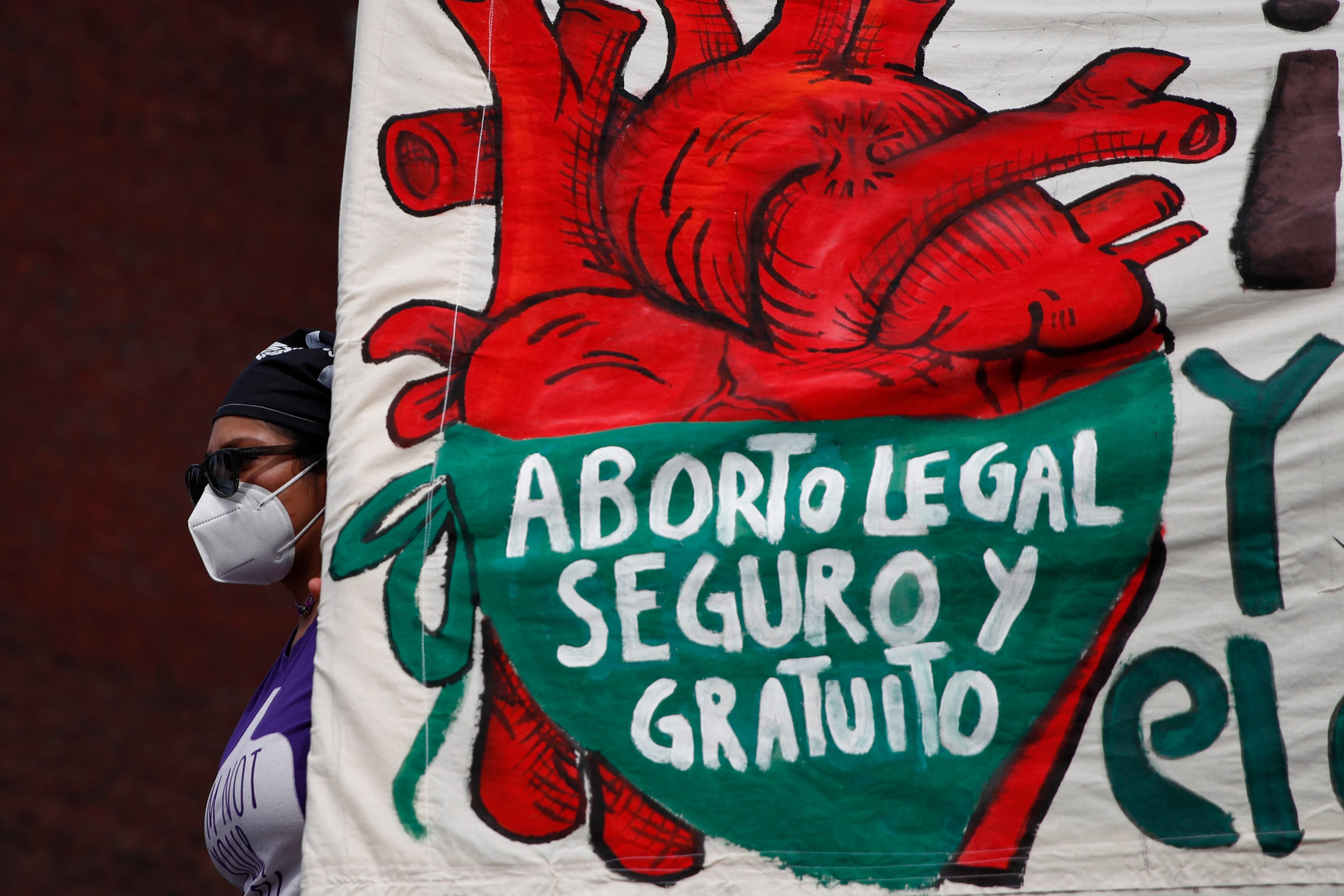
Gain-of-Function, Mexico Abortion Stunner & Album Wars
Cheddar asked its Gen Z and Millennial-aged Facebook and Instagram users about several topics including how they use social media, buying cryptocurrency, and the future job market.
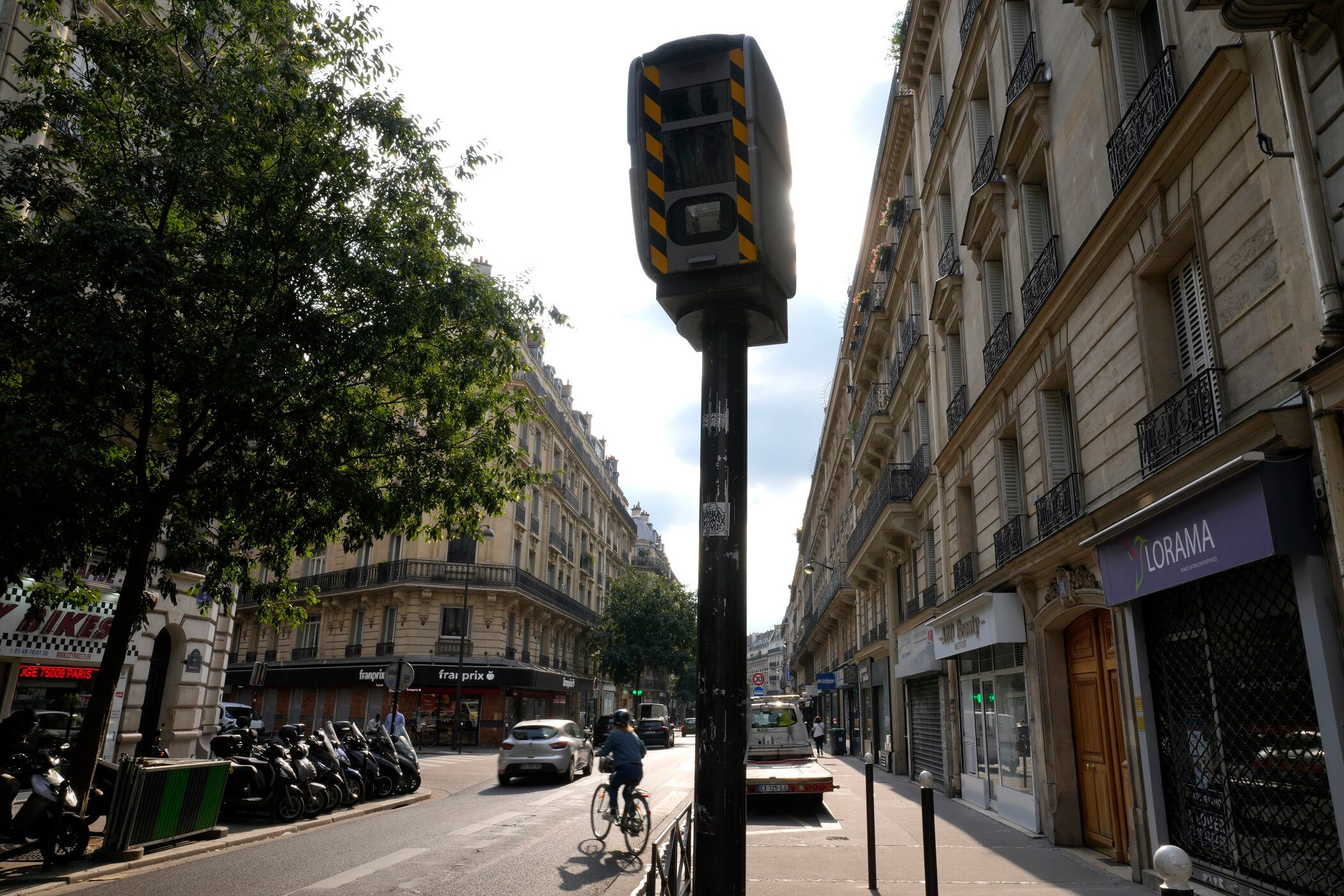
The speed limit for most of Paris is now 30 kilometers per hour (less than 19 miles per hour). The new rule takes effect Monday almost everywhere in the city except for a few wide avenues like the Champs-Elysees and the bypass circling the capital.
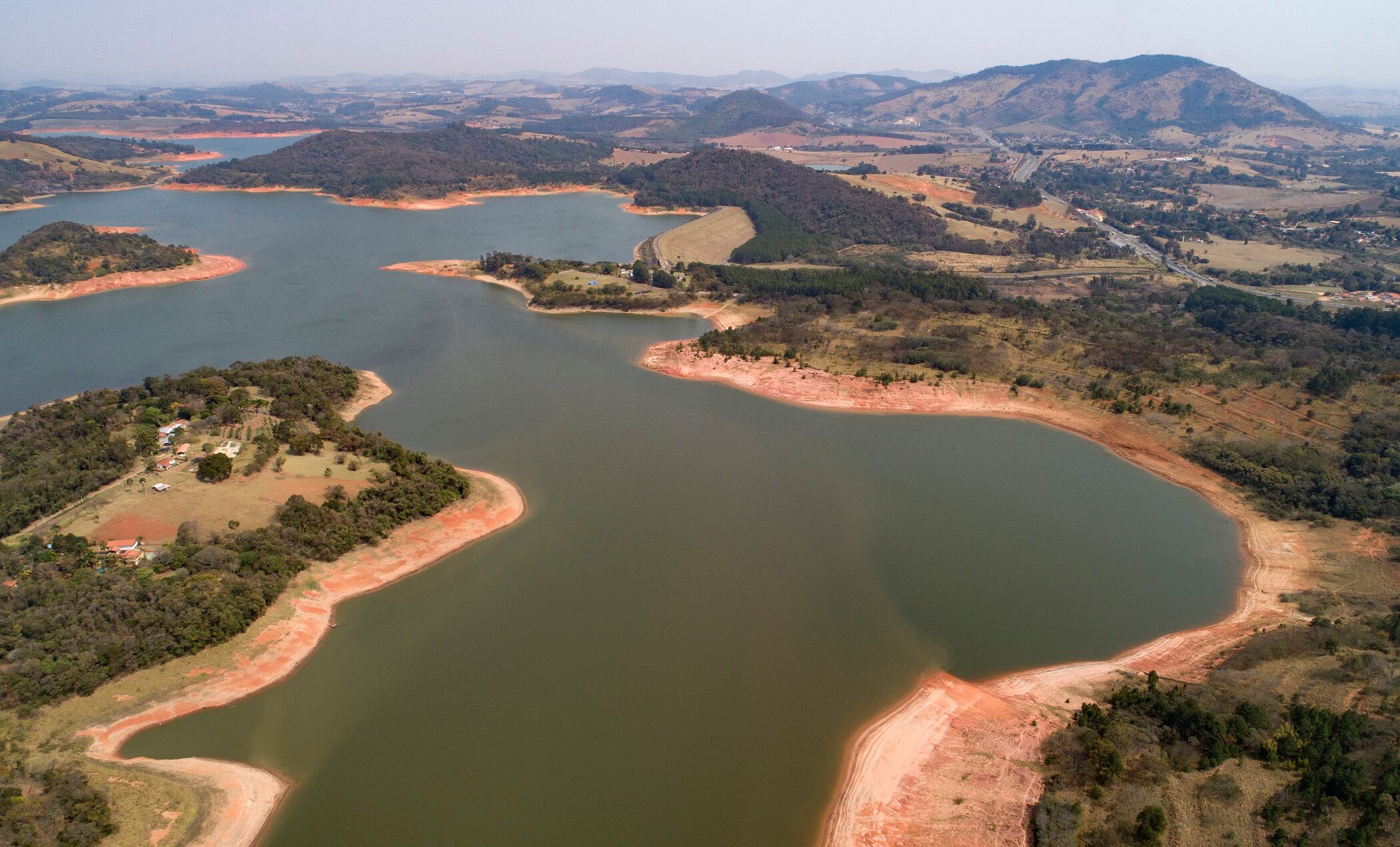
Brazil, the country with the most freshwater resources in the world, has lost 15% of its surface water over the last three decades.
A SpaceX shipment of ants, avocados, and a human-sized robotic arm is on its way to the International Space Station.
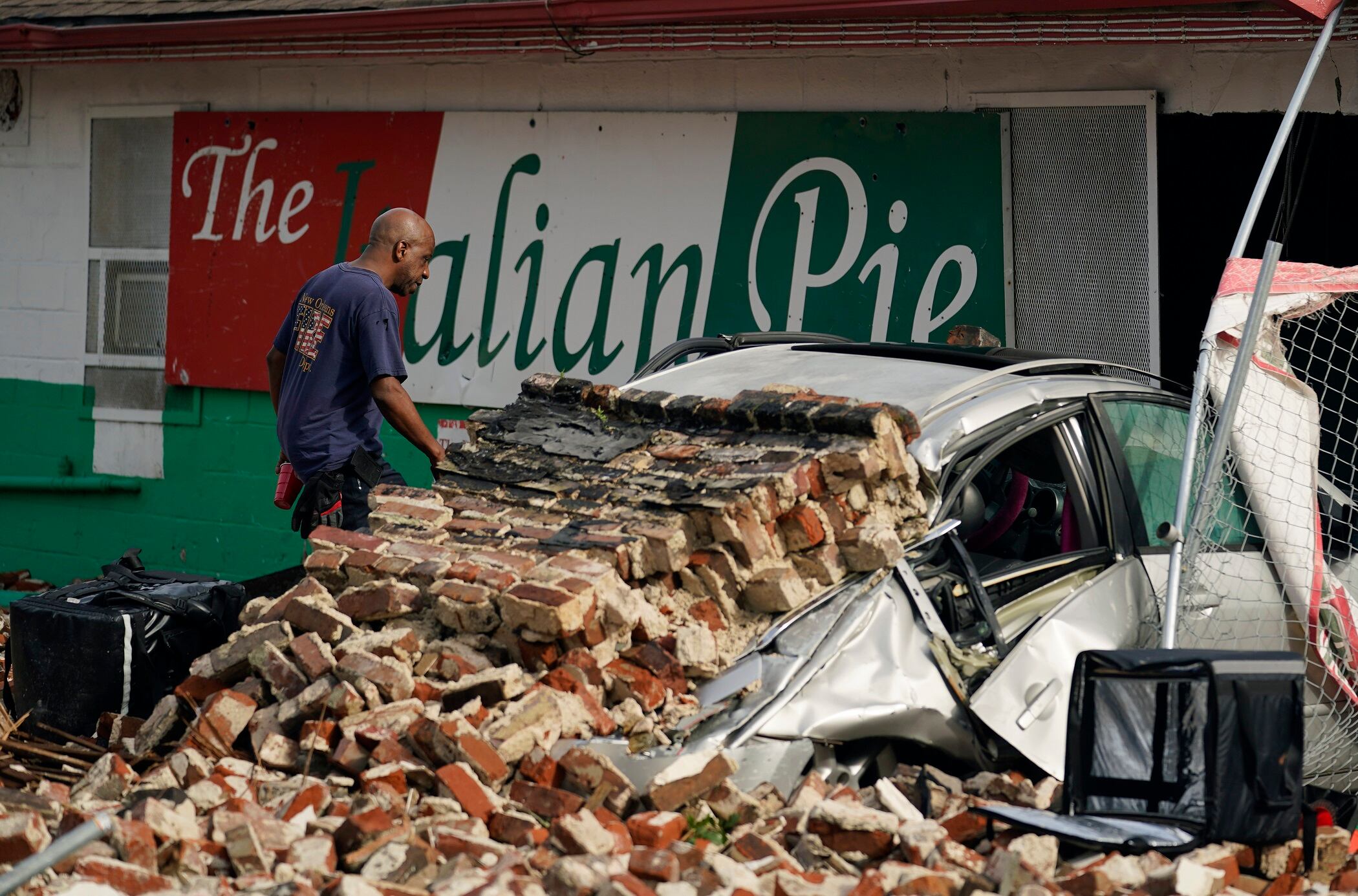
A fearsome Hurricane Ida has left scores of coastal Louisiana residents trapped by floodwaters and pleading to be rescued, while making a shambles of the electrical grid across a wide swath of the state in the sweltering, late-summer heat.
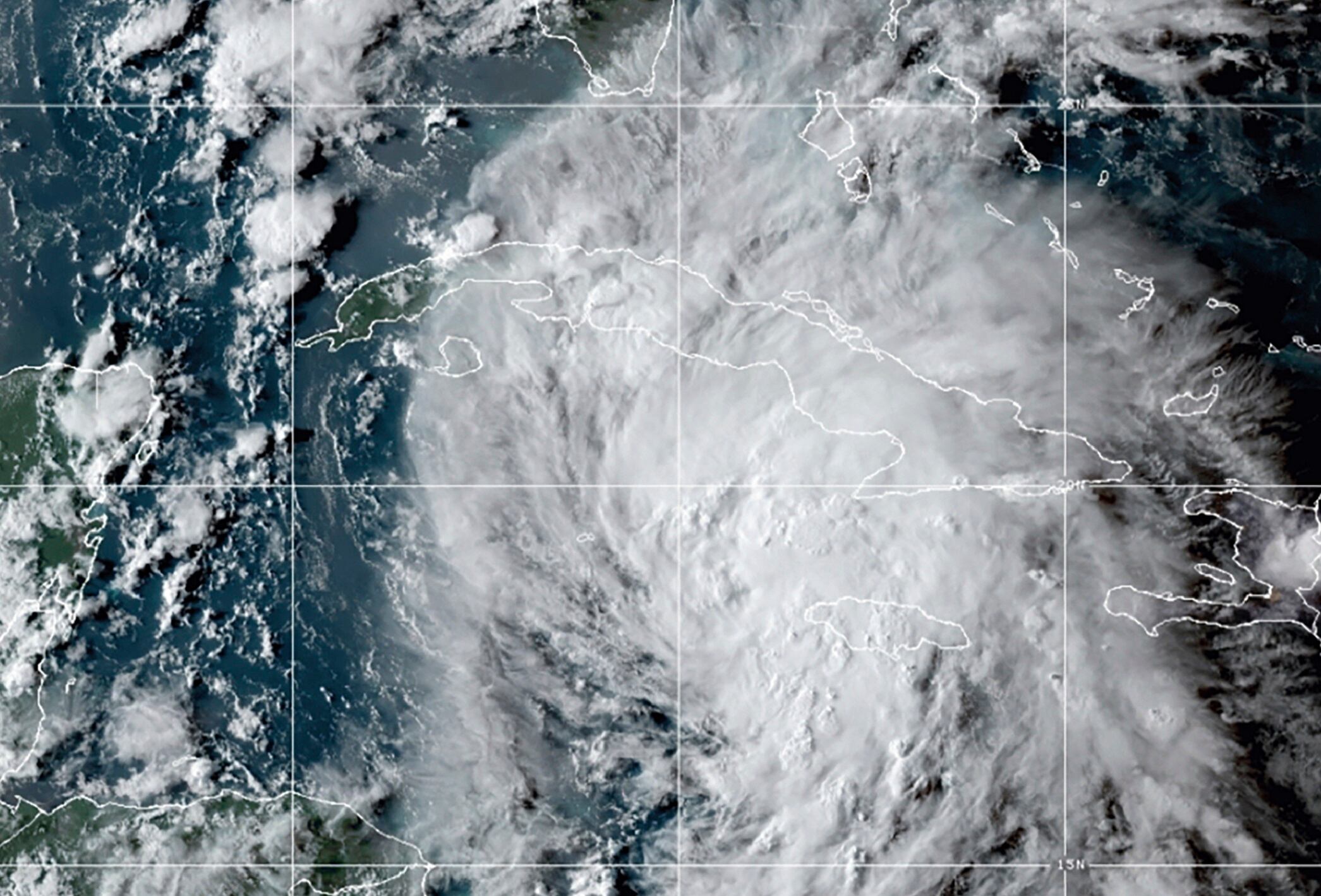
New Orleans Mayor Latoya Cantrell has ordered people outside the city’s levee protection system to evacuate. Forecasters say Ida made landfall in Cuba as a hurricane and could grow to an extremely dangerous Category 4 storm with top winds of 140 mph when it nears the U.S. coast.
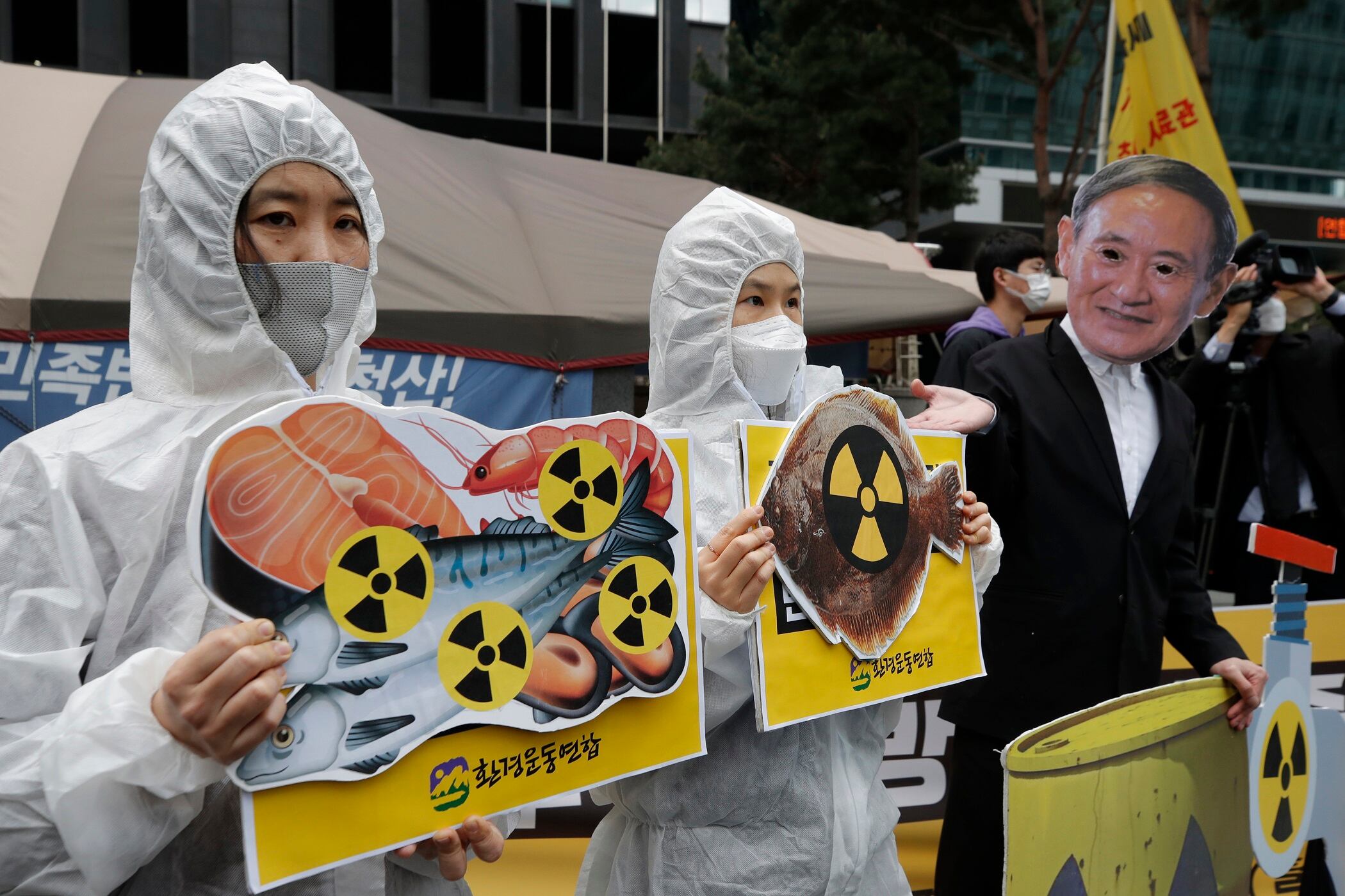
The operator of the wrecked Fukushima nuclear power plant says it plans to build an undersea tunnel so that massive amounts of treated but still radioactive water can be released into the ocean about 1 kilometer (0.6 mile) away from the plant to avoid interference with local fishing.
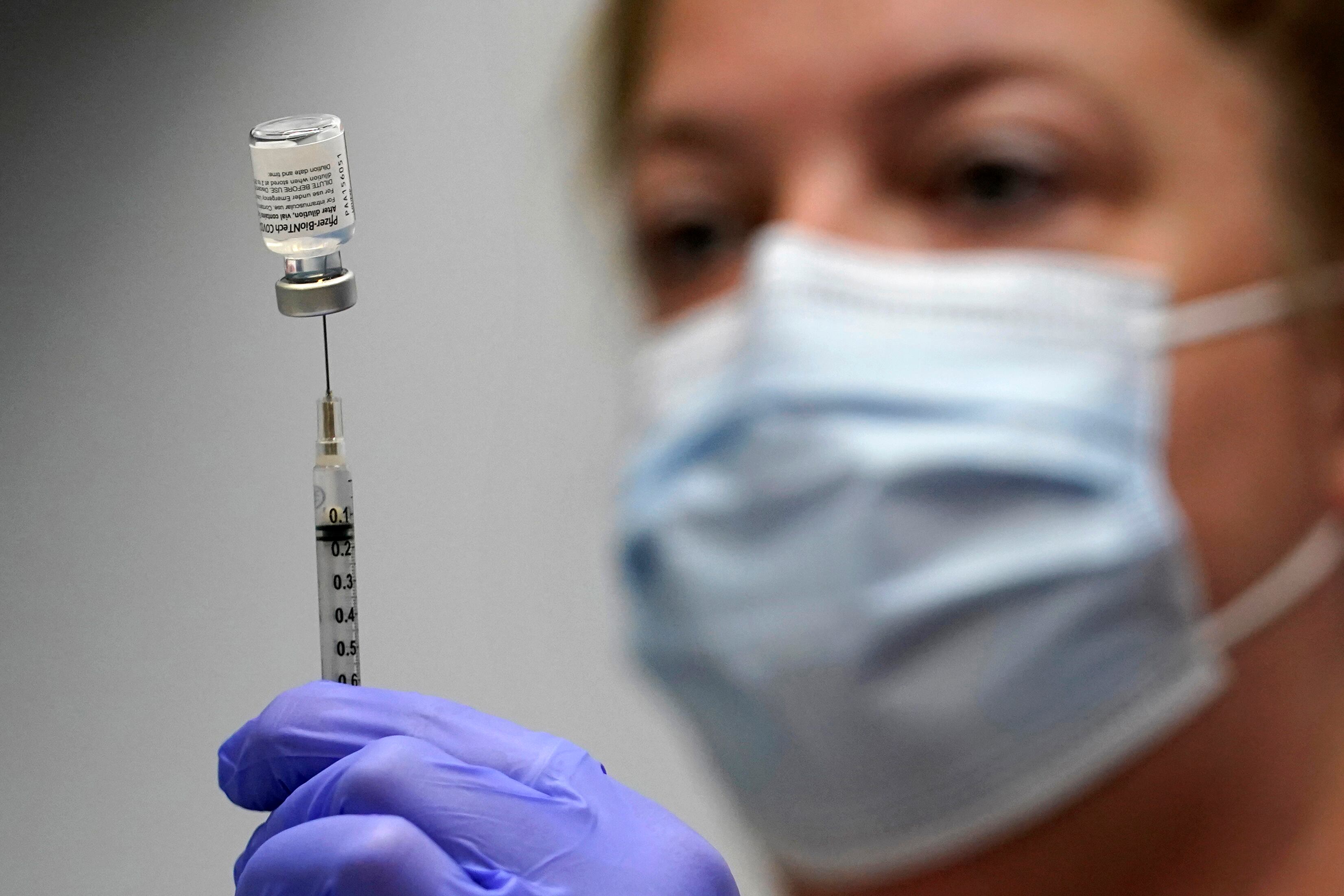
The U.S. gave full approval to Pfizer's COVID-19 vaccine on Monday, a milestone that may help lift public confidence in the shots as the nation battles the most contagious coronavirus mutant yet.