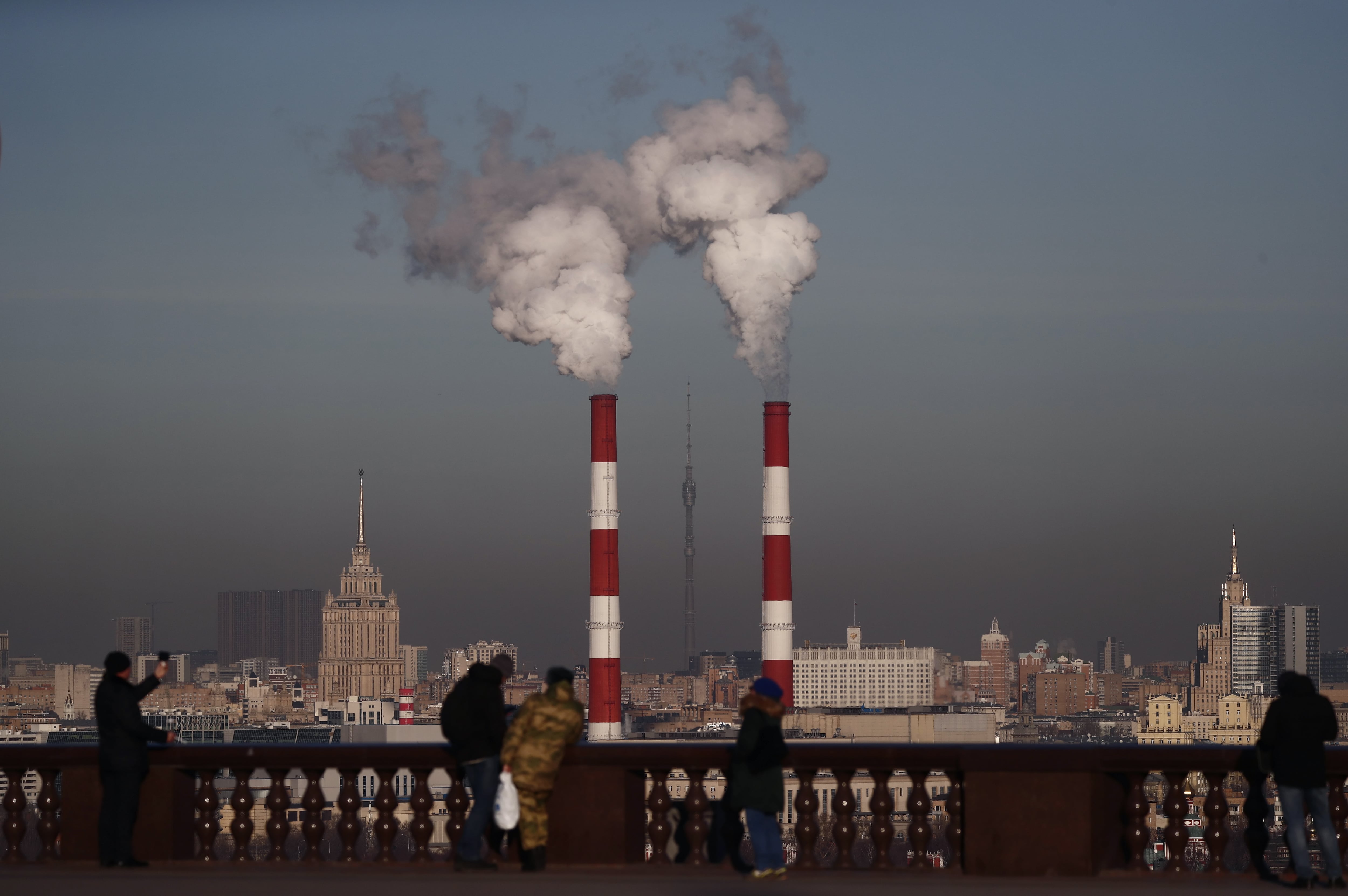
The 2010s amounted to "a decade lost" for slowing climate change, as nations around the world failed to substantially rein-in the heat-trapping emissions generated by power plants, factories, cars and trucks, and other sources that burn fossil fuels, a United Nations report said Tuesday.
The Earth's average temperature is now on track to soar by close to 4 degrees Celsius – or 7.2 degrees Fahrenheit – by the end of the century compared to pre-industrial levels. Scientists have broadly concluded that the planet needs to keep warming to within 2 degrees Celsius, or 3.6 degrees Fahrenheit, to avoid the most catastrophic impacts of climate change.
Rapid rates of warming, meanwhile, are already essentially locked-in: Even ambitious new efforts to slash carbon emissions, as represented in nations' commitments under the 2015 Paris climate accord, will still produce 2.9 to 3.4 degrees of warming.
The report, from the UN's World Meteorological Organization, renewed calls for yet more urgent action to drastically reduce emissions around the world.
"There is no sign of a slowdown, let alone a decline, in greenhouse gases concentration in the atmosphere despite all the commitments under the Paris Agreement on Climate Change," WMO Secretary-General Petteri Taalas said in a statement. "We need to translate the commitments into action and increase the level of ambition for the sake of the future welfare of mankind."
Despite rapid growth in renewable energy sources such as wind and solar, sharp declines in coal-fired power generation in developed nations, and recent high-profile investments in electric vehicles and EV charging infrastructure, global emissions are next expected to peak by the end of the next decade.
"The effects of climate policies have been too small to offset the impact of key drivers of emissions such as economic growth and population growth," the report said, characterizing the finding as a "rather bleak fact."
Already, the amount of carbon dioxide in the atmosphere is comparable to 3-5 million years ago, when temperatures were roughly 2-3 degrees warmer and sea levels were 30-60 feet higher, the WMO said.
"In this critical period, the world must deliver concrete, stepped-up action on emissions," Inger Andersen, executive director of the UN Environment Programme said in a statement. "We face a stark choice: set in motion the radical transformations we need now, or face the consequences of a planet radically altered by climate change."
Michael Avenatti, who represents the adult film star, says the recent FBI raid of President Trump's lawyer Michael Cohen is a telling sign that charges will soon follow.
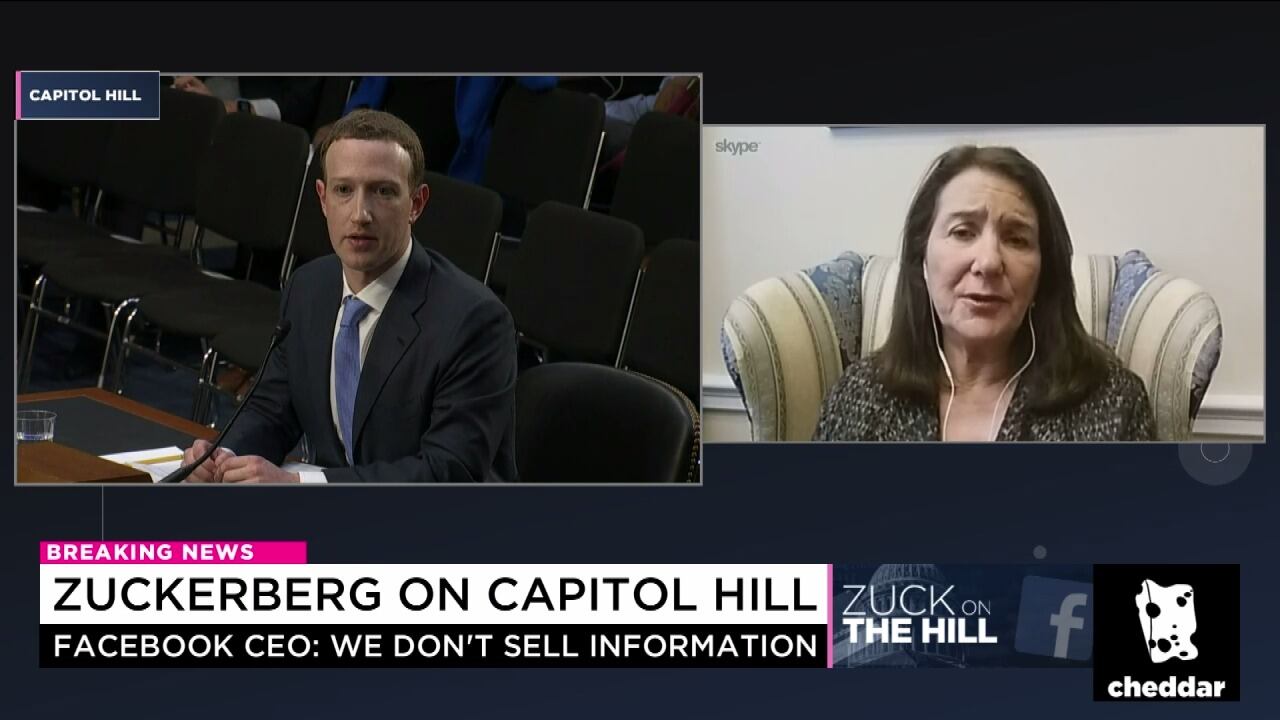
Facebook CEO Mark Zuckerberg testified on Capitol Hill Tuesday about the massive data scandal at the social media giant. Rep. Diana DeGette (D-CO) shares her reaction, and what she plans to ask Zuckerberg when he speaks to the House of Representatives Wednesday.
During both of Facebook CEO Mark Zuckerberg's testimonies on the Cambridge Analytica scandal, lawmakers hinted at the potential for basing regulation off European laws. But the First Amendment might make that difficult, says the New Yorker's Andrew Marantz.
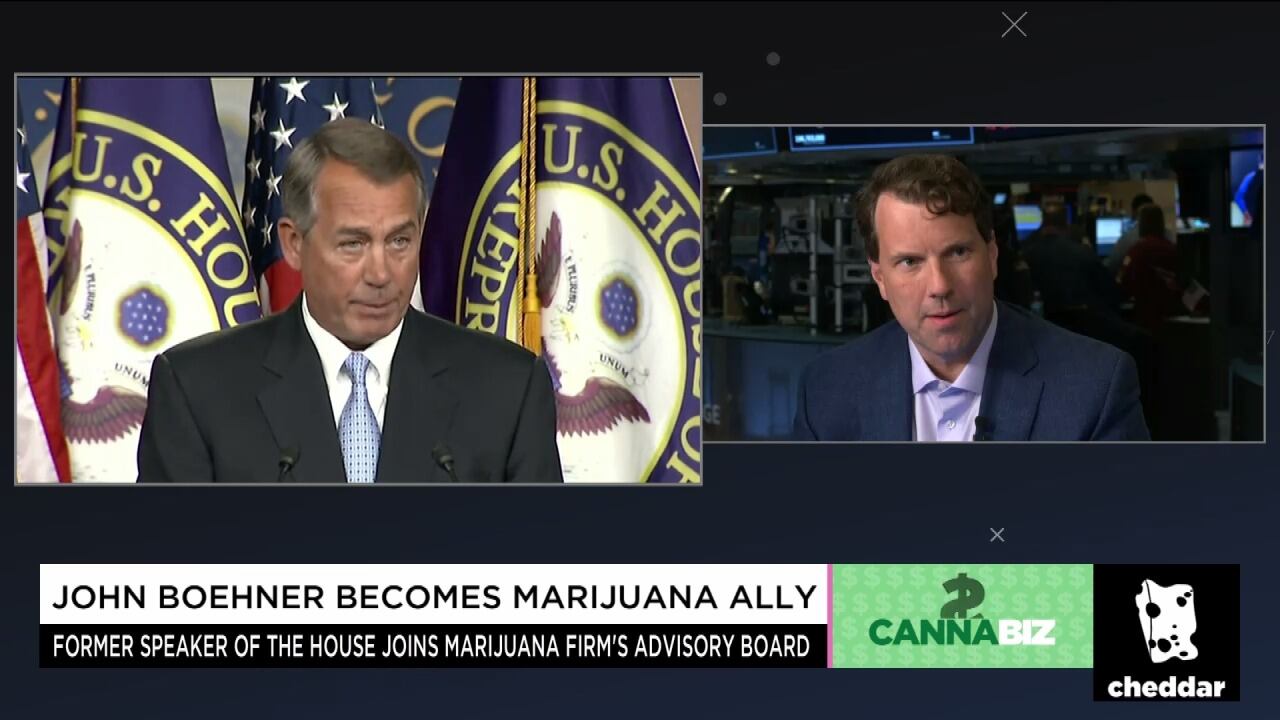
The former House Speaker, who has long been a firm opponent of legalizing marijuana, said Wednesday he'd be joining the board of Acreage Holdings, a company that cultivates and dispenses the drug in 11 states. The President of Acreage told Cheddar that helping veterans was what convinced Boehner to flip.
The congressman, who represents Arizona's 7th District, says sending troops to do the border is expensive and doesn't improve security.
Rep. Ruben Gallego (D-AZ) says Ryan's decision not to seek re-election indicates that Republicans face a tough fight in the midterm elections. "He knows he's going to be a minority leader next year." Ryan made the surprise announcement Wednesday, saying he took the speaker position "reluctantly" in the first place.
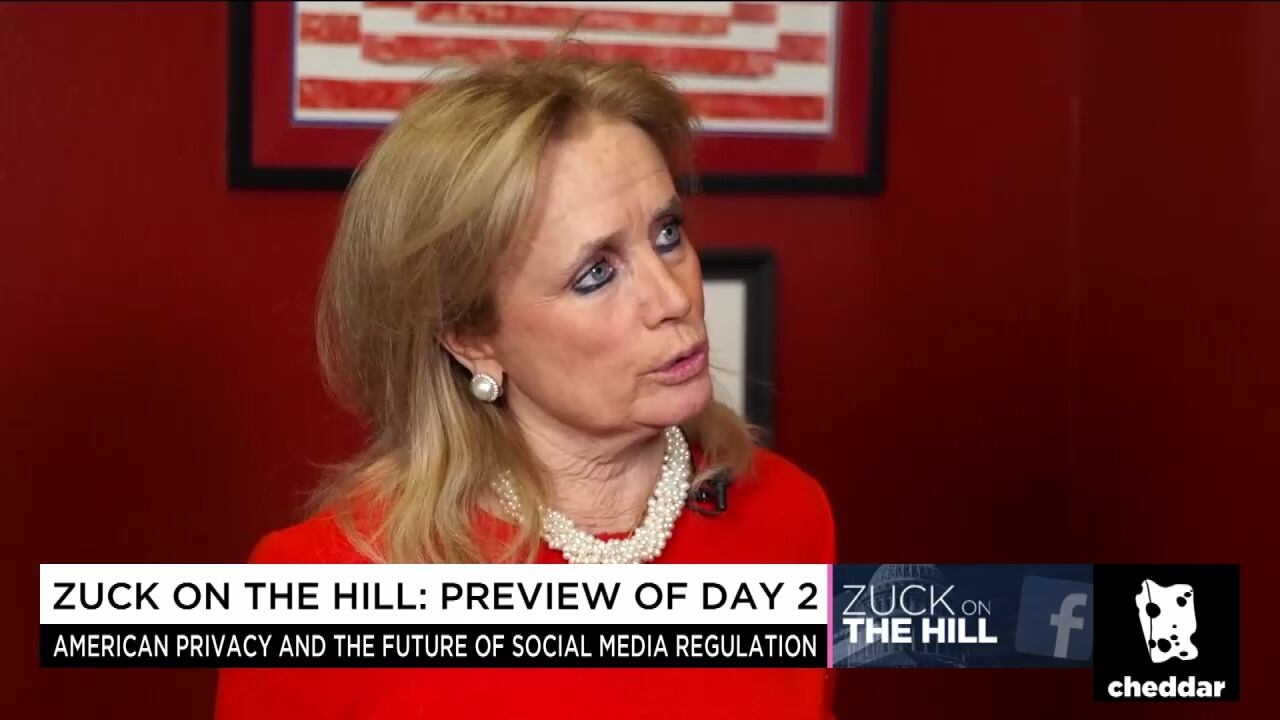
Facebook CEO Mark Zuckerberg returns to Capitol Hill for a second day of questioning. Today, Zuckerberg testifies before the House Committee on Energy and Commerce. Ahead of the hearing, we spoke to Congressman Debbie Dingell (D-MI) about what she wants to hear from the Facebook CEO. Dingell is concerned about the privacy of Americans who use the social networking site and speculates about what a regulated Facebook would look like.
In other Washington news, House Speaker Paul Ryan (R-WI) announced today that he will not seek re-election this November. Ryan held a press conference to elaborate on his decision. He said he thinks he's done his part and looks forward to spending more time with his family.
Also, Joanna Coles stops by to talk about her new book, "Love Rules." She says her book can help readers find real love in the age of Tinder and Bumble. Coales, who sits on the board of directors for Snap, discusses what it's like to be a woman on the board of a Silicon Valley tech giant.
The Congresswoman admitted that changes won't come in time for the midterm elections in November. But the question is no longer whether social media be regulated but what that regulation should look like, says Dingell. She says European laws serve as good models. Facebook CEO Mark Zuckerberg faces a House committee Wednesday for a second round of questioning on the Cambridge Analytica scandal.
Congresswoman Diana DeGette, who is on the House committee that will question Mark Zuckerberg tomorrow, says perhaps harsher penalties will force companies to do more before breaches occur.
The shoe designer, who co-founded Jimmy Choo before becoming COO at her own eponymous brand, says talking to peers about what you're earning is the only way to find out if you're being undervalued.