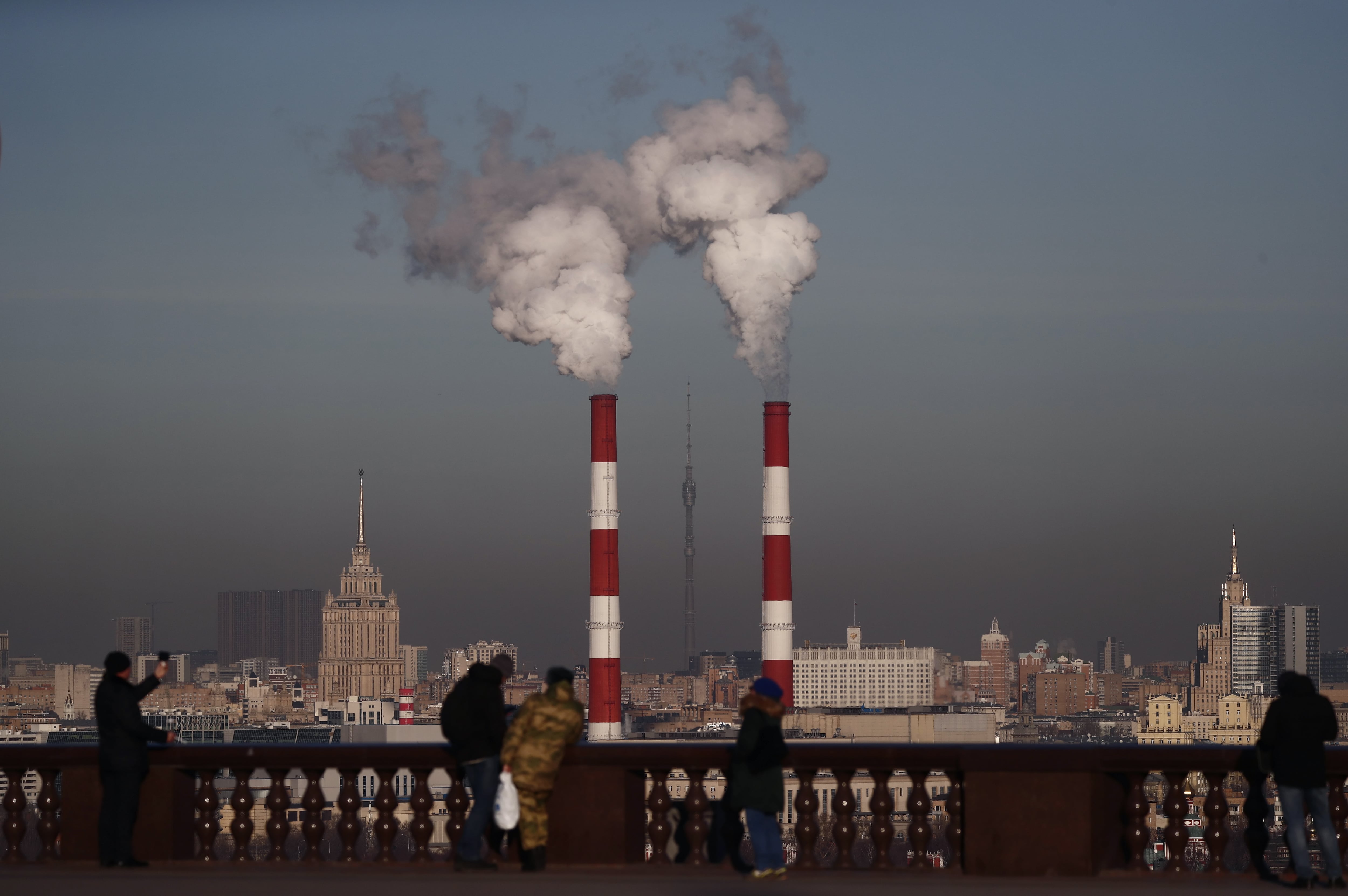
The 2010s amounted to "a decade lost" for slowing climate change, as nations around the world failed to substantially rein-in the heat-trapping emissions generated by power plants, factories, cars and trucks, and other sources that burn fossil fuels, a United Nations report said Tuesday.
The Earth's average temperature is now on track to soar by close to 4 degrees Celsius – or 7.2 degrees Fahrenheit – by the end of the century compared to pre-industrial levels. Scientists have broadly concluded that the planet needs to keep warming to within 2 degrees Celsius, or 3.6 degrees Fahrenheit, to avoid the most catastrophic impacts of climate change.
Rapid rates of warming, meanwhile, are already essentially locked-in: Even ambitious new efforts to slash carbon emissions, as represented in nations' commitments under the 2015 Paris climate accord, will still produce 2.9 to 3.4 degrees of warming.
The report, from the UN's World Meteorological Organization, renewed calls for yet more urgent action to drastically reduce emissions around the world.
"There is no sign of a slowdown, let alone a decline, in greenhouse gases concentration in the atmosphere despite all the commitments under the Paris Agreement on Climate Change," WMO Secretary-General Petteri Taalas said in a statement. "We need to translate the commitments into action and increase the level of ambition for the sake of the future welfare of mankind."
Despite rapid growth in renewable energy sources such as wind and solar, sharp declines in coal-fired power generation in developed nations, and recent high-profile investments in electric vehicles and EV charging infrastructure, global emissions are next expected to peak by the end of the next decade.
"The effects of climate policies have been too small to offset the impact of key drivers of emissions such as economic growth and population growth," the report said, characterizing the finding as a "rather bleak fact."
Already, the amount of carbon dioxide in the atmosphere is comparable to 3-5 million years ago, when temperatures were roughly 2-3 degrees warmer and sea levels were 30-60 feet higher, the WMO said.
"In this critical period, the world must deliver concrete, stepped-up action on emissions," Inger Andersen, executive director of the UN Environment Programme said in a statement. "We face a stark choice: set in motion the radical transformations we need now, or face the consequences of a planet radically altered by climate change."
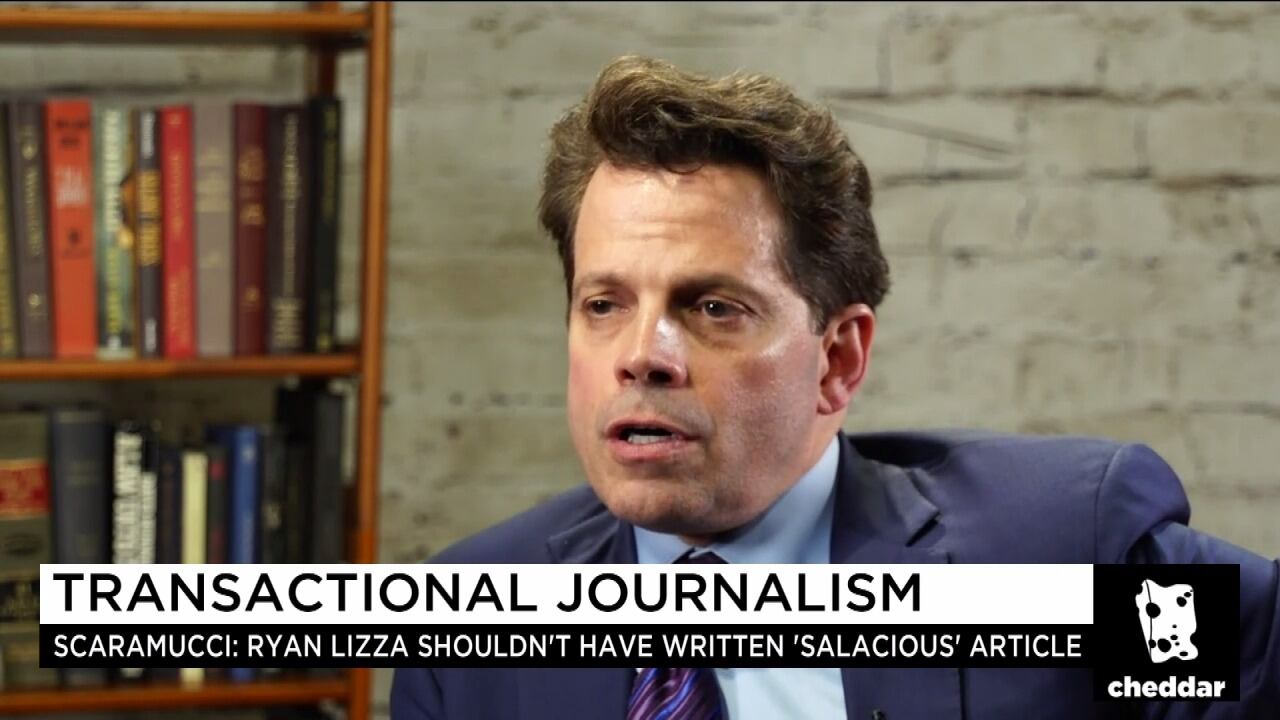
The former White House communications director gave a profane interview to The New Yorker that essentially led to his firing. "I got bagged inappropriately," Anthony Scaramucci told Cheddar's J.D. Durkin.
The former White House Communications Director, who was fired in after a brief 11-day tenure last year, tells Cheddar that both the Deputy Attorney General and Special Counsel Robert Mueller are fair and principled men.
Anthony Scaramucci, the former White House Communications Director, told Cheddar's J.D. Durkin that the fall out around Dr. Ronny Jackson's nomination for Secretary of Veteran's Affairs is purely partisan politics.
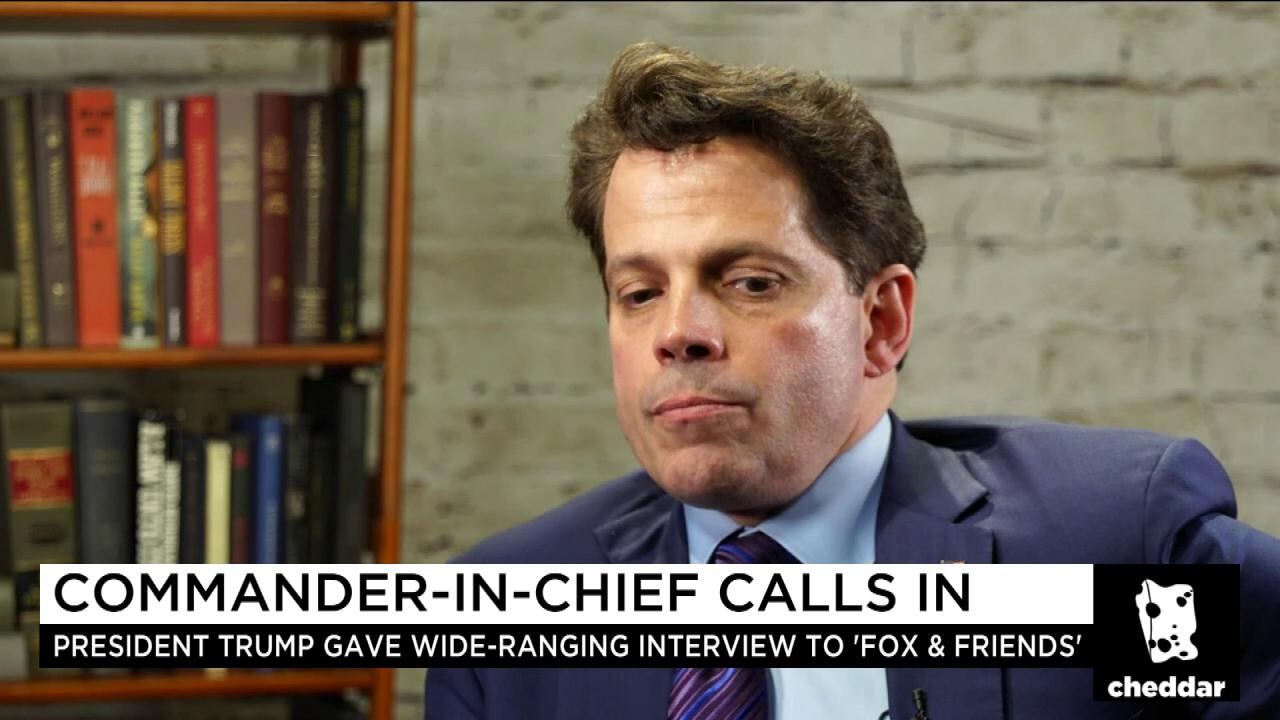
Former White House Communications Director Anthony Scaramucci said the President should "get out more," because his direct appeals to his base via on-air interviews is what they love about him. His comments came after Trump gave a wide-ranging interview to Fox News, in which he admitted, after previous denials, that his personal attorney Michael Cohen dealt with adult film actress Stormy Daniels for him.
Since Russia banned the encrypted messaging service last week, Google and Amazon have also been dragged into the fight. This comes at a time when Telegram is considering an ICO and has already raised a total of $1.7 billion, making it the biggest potential coin offering in history.
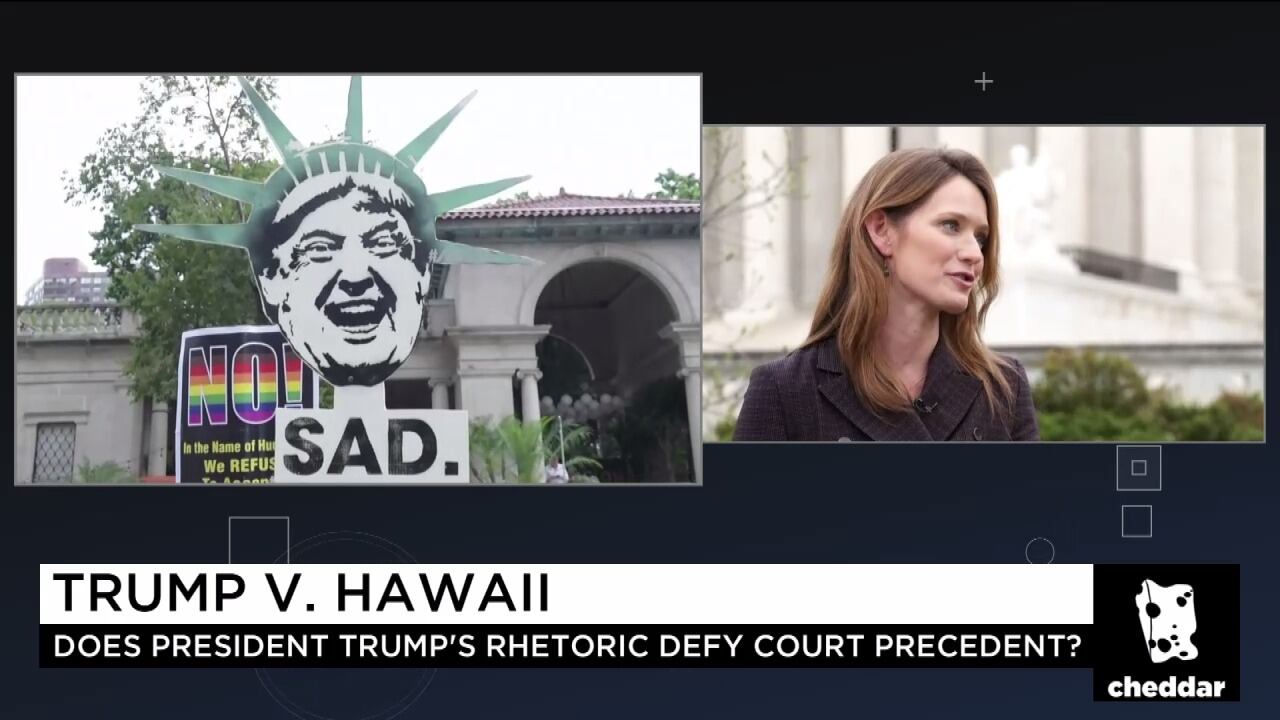
Weeks after President Trump took office, he issued the first travel ban restricting entry into the U.S. for people from some majority-Muslim countries. Since then, after backlash and appeals, Trump has put out two more versions of the directive and now the Supreme Court is deciding whether or not the ban is Constitutional.
More and more politicians are throwing their weight behind legalizing marijuana, now seeing it as more of a "political opportunity" than a liability. That, in part, is driven by pressure from voters, says Paul Armentano, deputy director of the National Organization for Marijuana Laws.
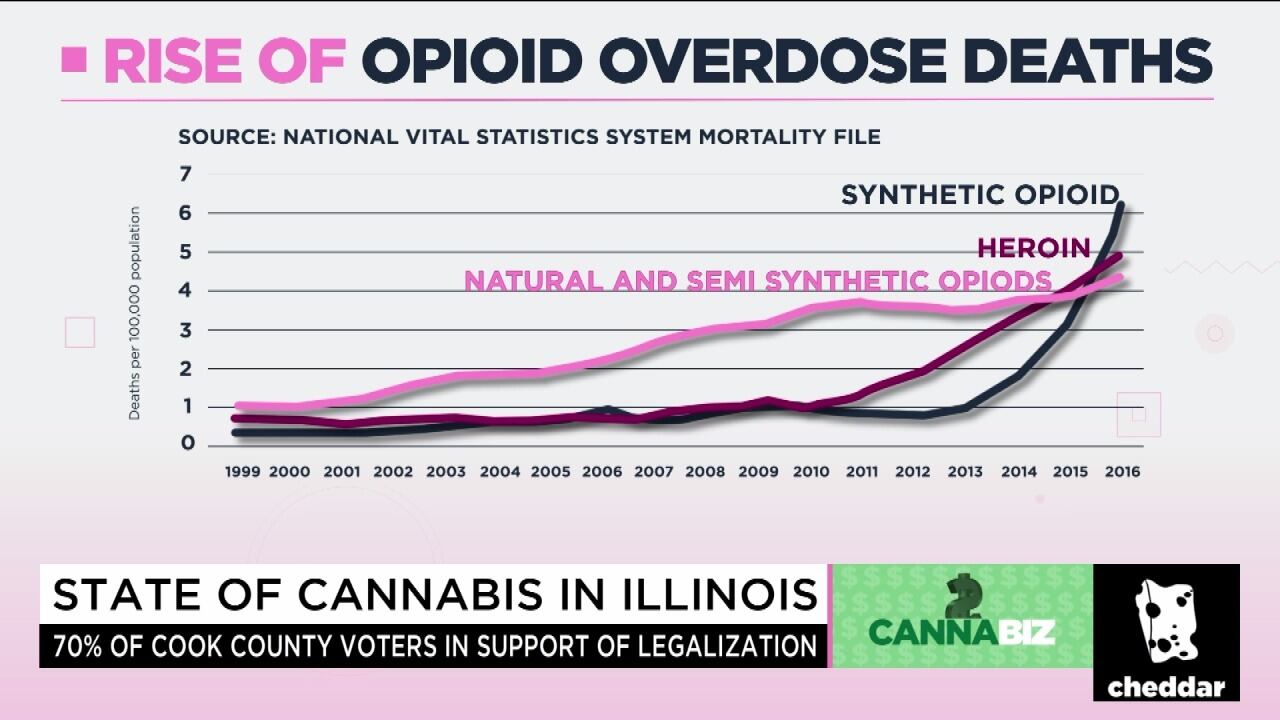
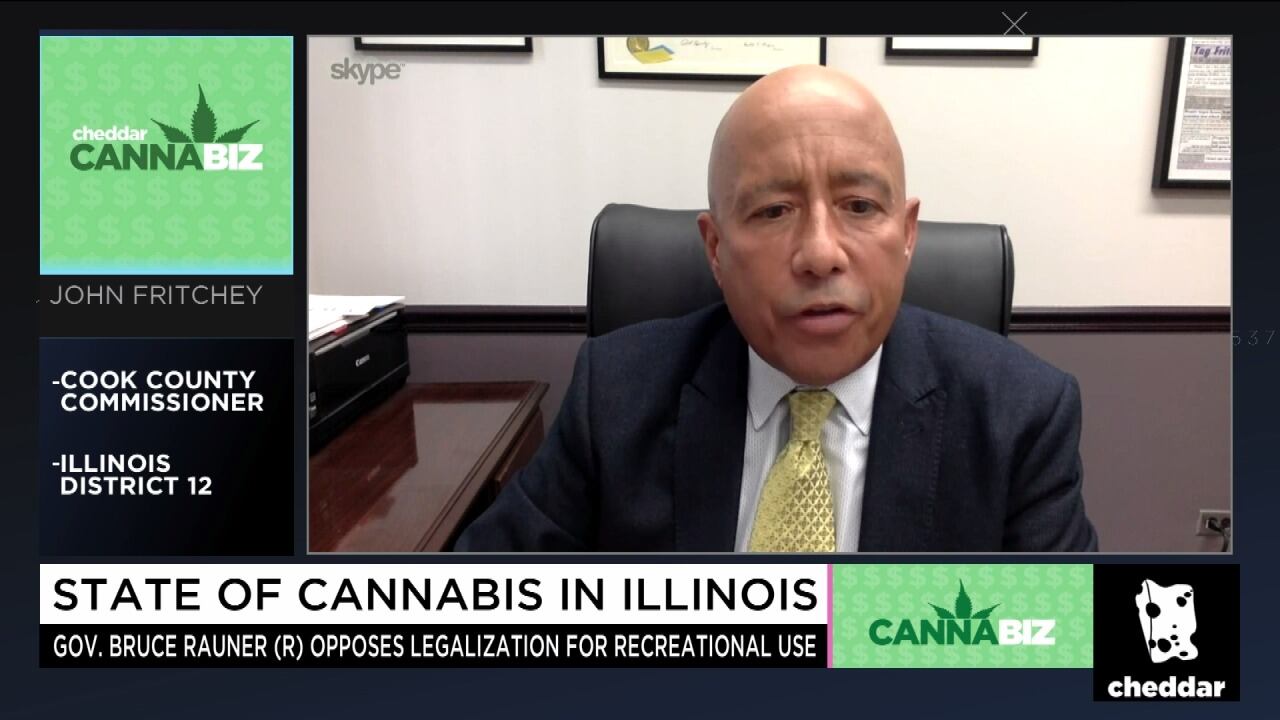
Cook County Commissioner John Fritchey, who holds a medical marijuana card, says the drug's ability to relieve pain makes it a much more effective way to combat opioid addiction. “Why would we continue, in light of the crisis that we have, to prescribe opioids for pain relief?” Fritchey told Cheddar Tuesday.
The legislator has been vocal about getting his medical marijuana card in hopes of getting rid of the stigma around the drug, he told Cheddar. Fritchey is also pushing to legalize recreational use of the cannabis in Illinois and says it should be uses as a tool to fight the opioid crisis.
The Agriculture Department's proposed Farm Bill will kick millions of people off of benefits and take free breakfast and lunches away from hundreds of thousands of kids, says the Democrat from Massachusetts. The new legislation could go to a vote in May.