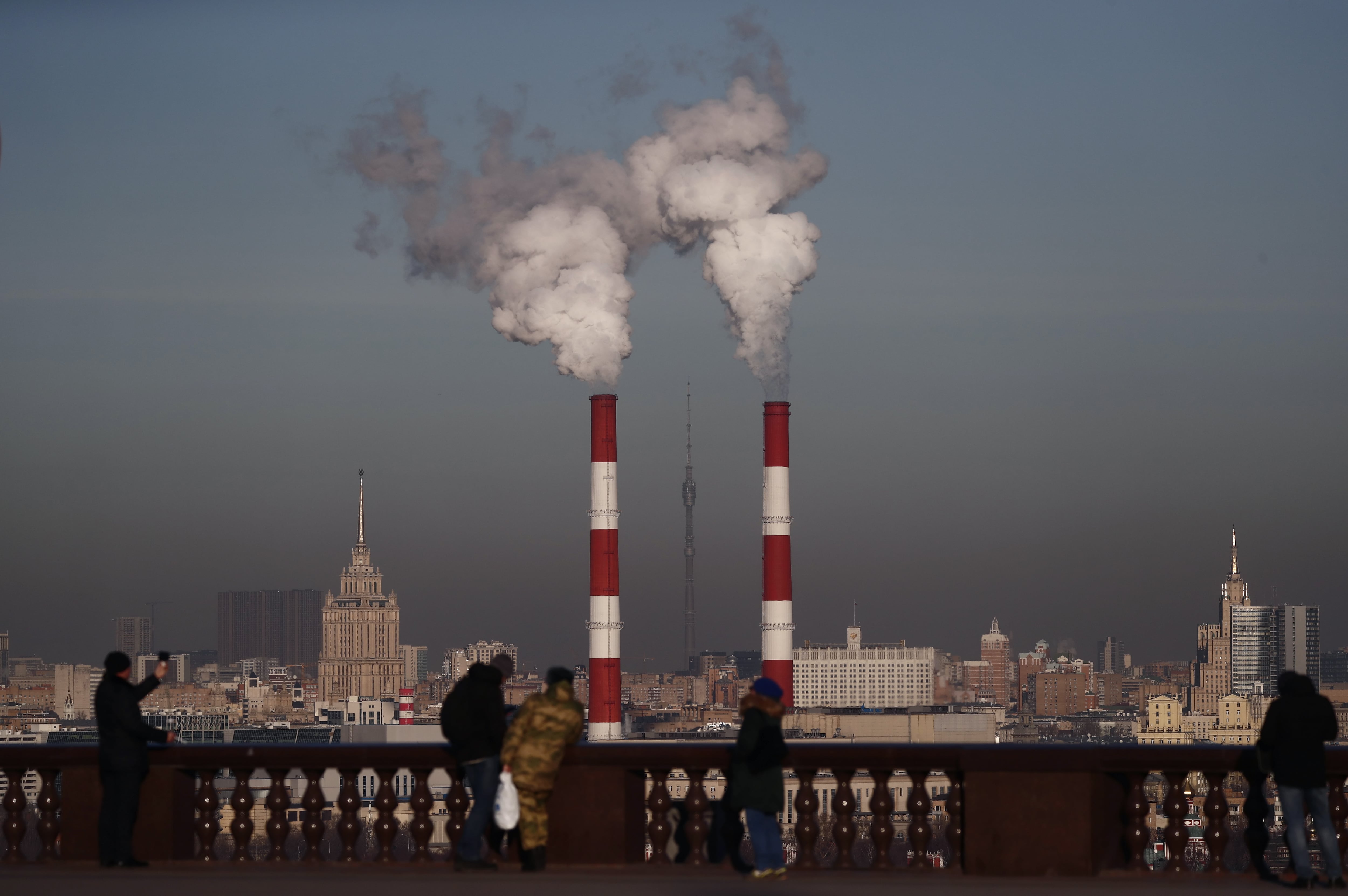
The 2010s amounted to "a decade lost" for slowing climate change, as nations around the world failed to substantially rein-in the heat-trapping emissions generated by power plants, factories, cars and trucks, and other sources that burn fossil fuels, a United Nations report said Tuesday.
The Earth's average temperature is now on track to soar by close to 4 degrees Celsius – or 7.2 degrees Fahrenheit – by the end of the century compared to pre-industrial levels. Scientists have broadly concluded that the planet needs to keep warming to within 2 degrees Celsius, or 3.6 degrees Fahrenheit, to avoid the most catastrophic impacts of climate change.
Rapid rates of warming, meanwhile, are already essentially locked-in: Even ambitious new efforts to slash carbon emissions, as represented in nations' commitments under the 2015 Paris climate accord, will still produce 2.9 to 3.4 degrees of warming.
The report, from the UN's World Meteorological Organization, renewed calls for yet more urgent action to drastically reduce emissions around the world.
"There is no sign of a slowdown, let alone a decline, in greenhouse gases concentration in the atmosphere despite all the commitments under the Paris Agreement on Climate Change," WMO Secretary-General Petteri Taalas said in a statement. "We need to translate the commitments into action and increase the level of ambition for the sake of the future welfare of mankind."
Despite rapid growth in renewable energy sources such as wind and solar, sharp declines in coal-fired power generation in developed nations, and recent high-profile investments in electric vehicles and EV charging infrastructure, global emissions are next expected to peak by the end of the next decade.
"The effects of climate policies have been too small to offset the impact of key drivers of emissions such as economic growth and population growth," the report said, characterizing the finding as a "rather bleak fact."
Already, the amount of carbon dioxide in the atmosphere is comparable to 3-5 million years ago, when temperatures were roughly 2-3 degrees warmer and sea levels were 30-60 feet higher, the WMO said.
"In this critical period, the world must deliver concrete, stepped-up action on emissions," Inger Andersen, executive director of the UN Environment Programme said in a statement. "We face a stark choice: set in motion the radical transformations we need now, or face the consequences of a planet radically altered by climate change."
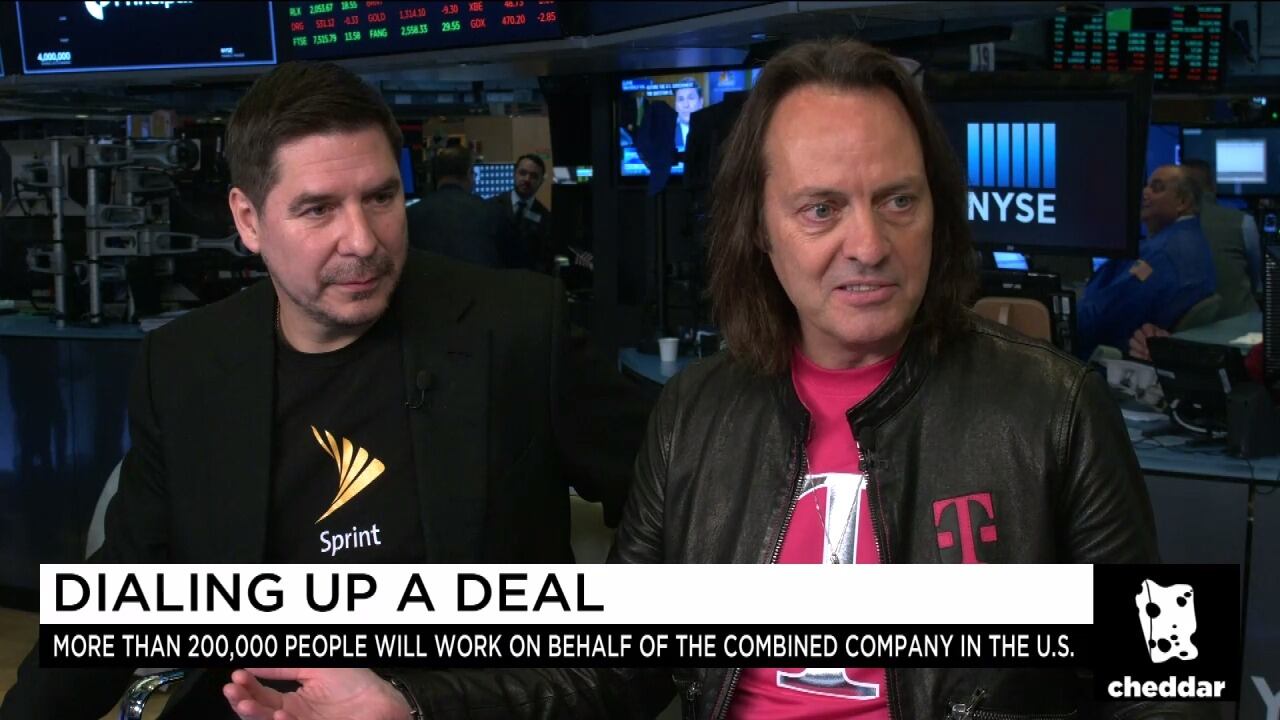
The two companies tout their deal as necessary for innovation and claim that it doesn't decrease competition in the field. Those arguments will be difficult to prove, says Eleanor Fox, an antitrust expert at NYU Law School. The third and fourth largest mobile networks in the U.S. announced a $26.5 billion merger Sunday that they claim will help develop a 5G network and create jobs. The deal still needs approval from regulators, who have expressed antitrust concerns in the past.
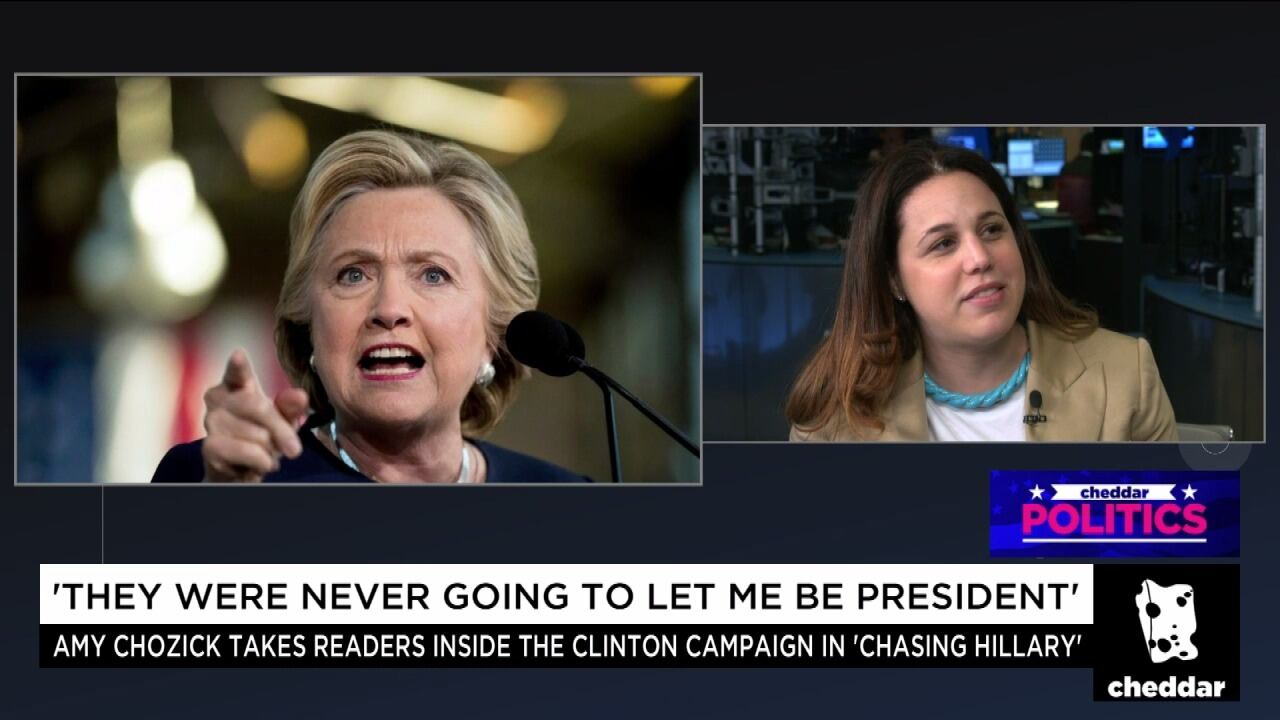
Rather than exiting the political fray, the former Secretary of State is campaigning for Democrats in this year's midterm elections and reaching out to women's groups. "I think she's earned the right to do whatever the hell she wants," says Amy Chozick, a writer-at-large for The New York Times and author of "Chasing Hillary."
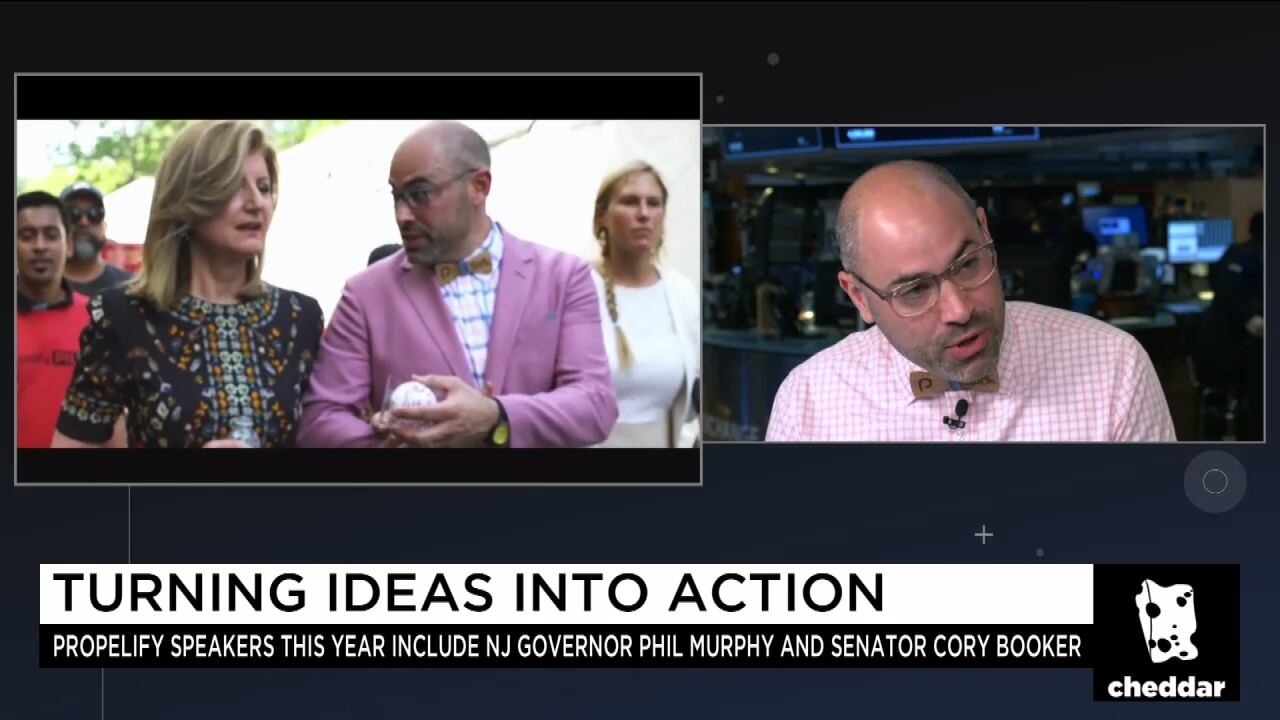
New Jersey could become home to more innovation with hands-on support from lawmakers, says Aaron Price, founder and CEO of Propelify, an innovation festival in Hoboken, NJ.
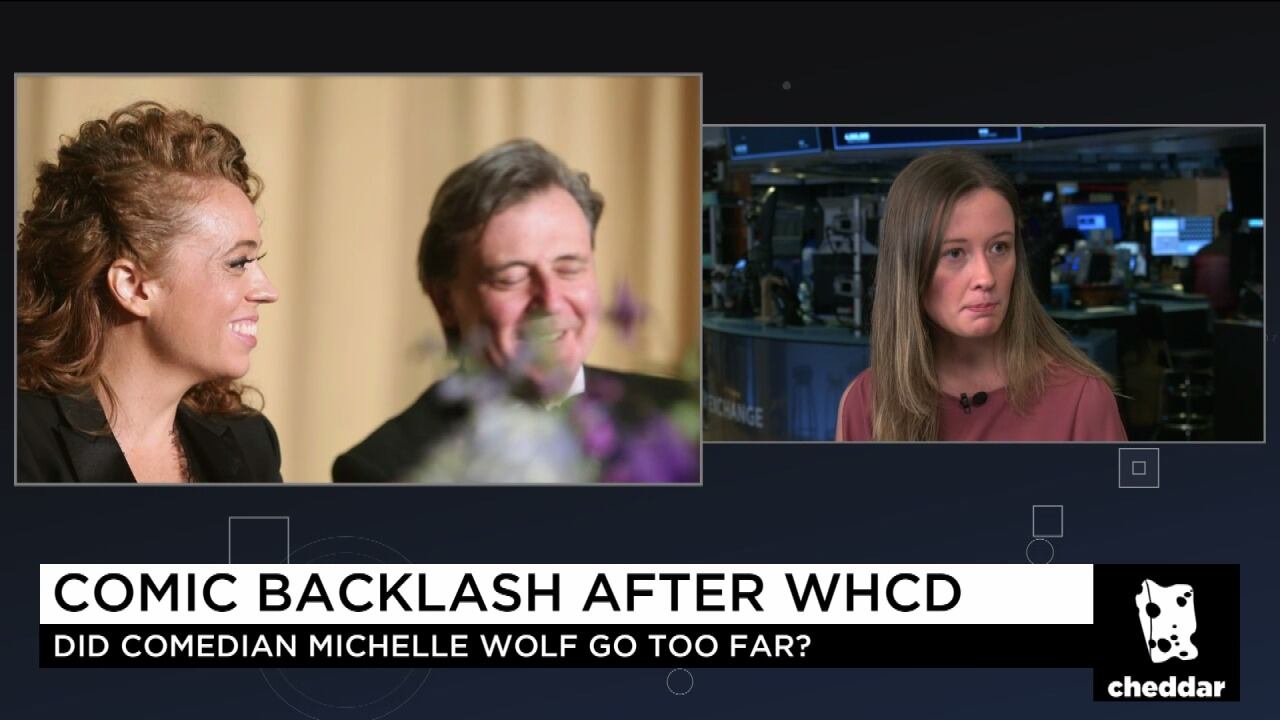
The White House Correspondents' Association responded to the annual event saying, "the entertainer's monologue was not in the spirit" of the group's mission. However, it's actually the journalists insulted by her jokes who are "not doing their jobs," says Emma Vigeland, a host and producer of the TYT Politics Show on The Young Turks.
The agreed merger of T-Mobile and Sprint aligns with President Trump's policy priorities, the T-Mobile CEO John Legere says in an interview with Cheddar's Hope King. He says the president's tax policies have "added a great amount of value in this deal," and the merged company can help create a fast 5G network vital to the country's digital infrastructure, another priority for Trump.
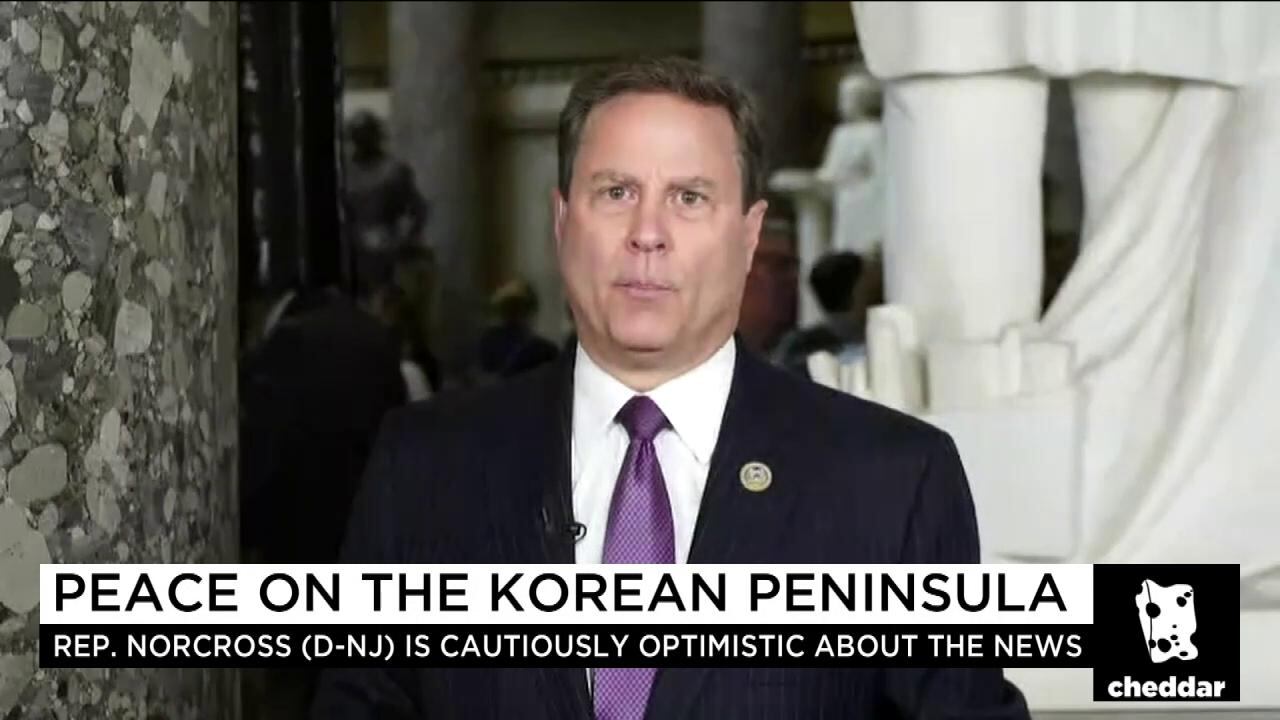
The congressman said that, though the historic summit between the two Koreas was a positive, the U.S. should take North Korea's denuclearization promises with a grain of salt. "As President Reagan used to say, trust, but we need to verify," he told Cheddar.
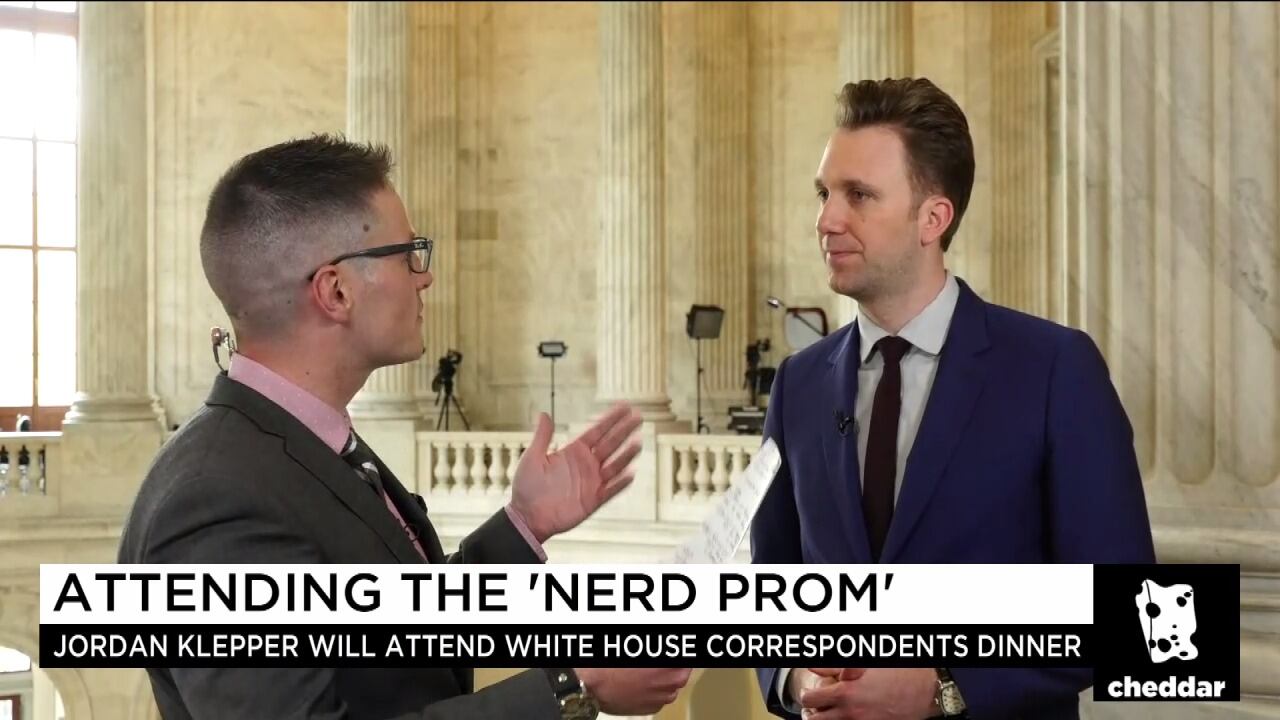
The comedian, who plays a right-wing commentator on his Comedy Central show "The Opposition," has high hopes for this year's "Nerd Prom" thanks to host Michelle Wolf. "I'm just excited to sit back and watch her kill it," Klepper told Cheddar. The White House Correspondent's Dinner takes place on Saturday, and President Trump has decided to skip the event for the second year in a row.
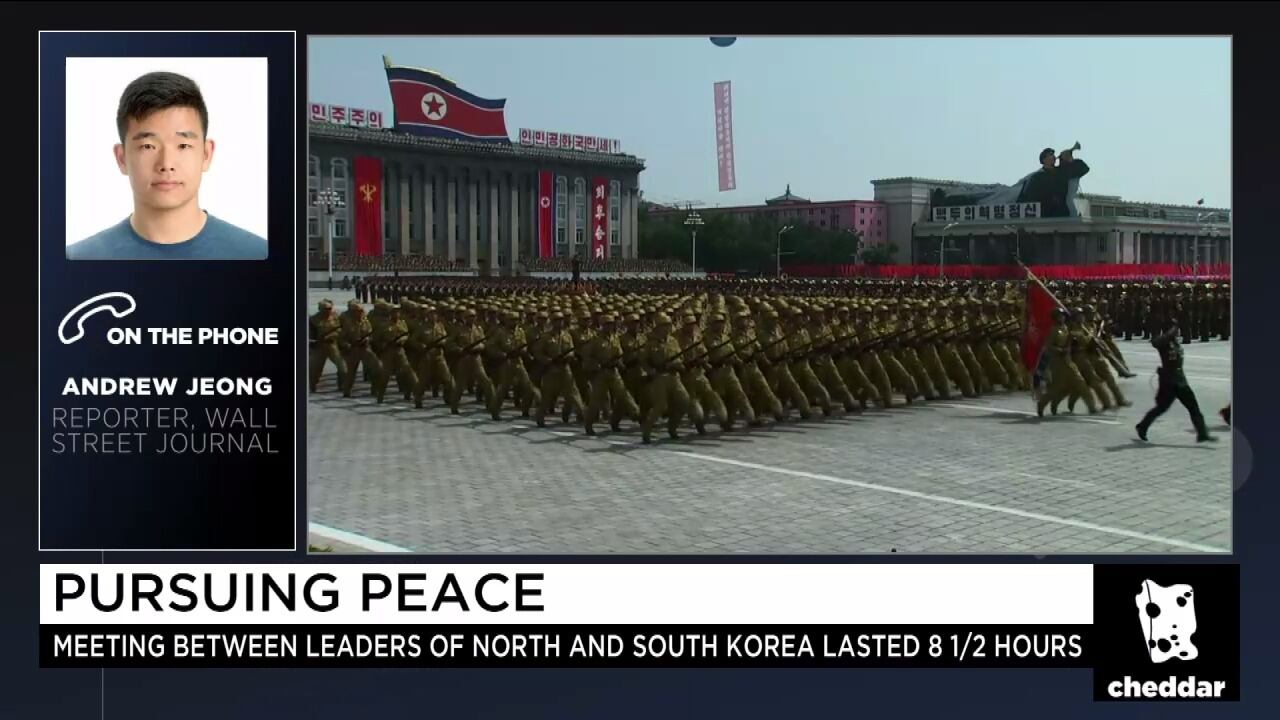
Maintaining diplomatic momentum after the historic meeting Friday between the North Korean leader Kim Jung-un and President Moon Jae-in of South Korea will likely fall on the shoulders of President Trump, who will have his own summit with Kim next month.
Former White House Communications Director Anthony Scaramucci tells Cheddar that, since he was fired last year, he has spoken to President Trump about a dozen times to talk about both political and personal issues.
Anthony Scaramucci, who only lasted 11 days as the White House Communications Director, tells Cheddar one of his biggest accomplishments last year was letting cameras back into White House briefings. That, and hiring a hair and makeup artist.