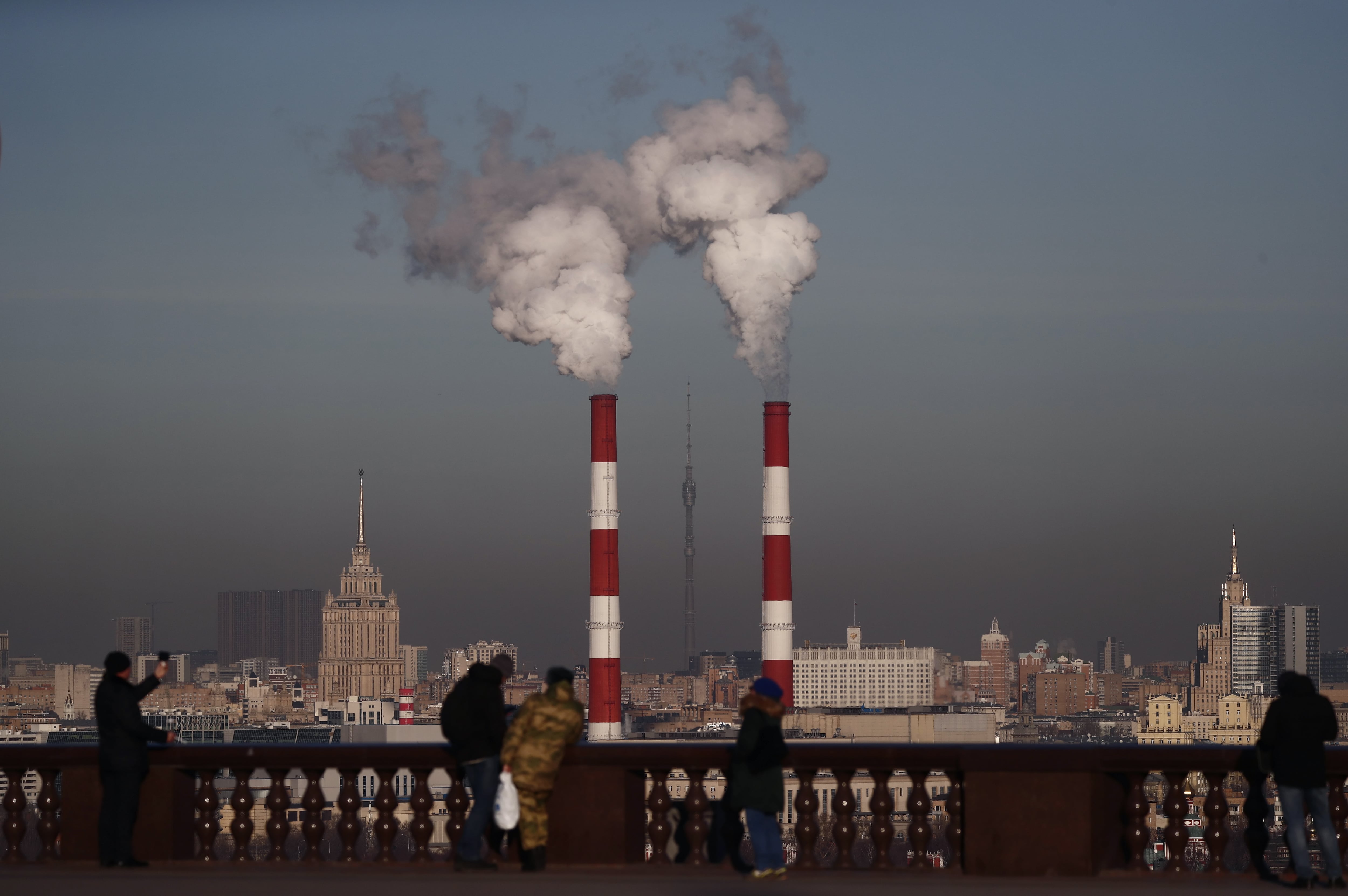
The 2010s amounted to "a decade lost" for slowing climate change, as nations around the world failed to substantially rein-in the heat-trapping emissions generated by power plants, factories, cars and trucks, and other sources that burn fossil fuels, a United Nations report said Tuesday.
The Earth's average temperature is now on track to soar by close to 4 degrees Celsius – or 7.2 degrees Fahrenheit – by the end of the century compared to pre-industrial levels. Scientists have broadly concluded that the planet needs to keep warming to within 2 degrees Celsius, or 3.6 degrees Fahrenheit, to avoid the most catastrophic impacts of climate change.
Rapid rates of warming, meanwhile, are already essentially locked-in: Even ambitious new efforts to slash carbon emissions, as represented in nations' commitments under the 2015 Paris climate accord, will still produce 2.9 to 3.4 degrees of warming.
The report, from the UN's World Meteorological Organization, renewed calls for yet more urgent action to drastically reduce emissions around the world.
"There is no sign of a slowdown, let alone a decline, in greenhouse gases concentration in the atmosphere despite all the commitments under the Paris Agreement on Climate Change," WMO Secretary-General Petteri Taalas said in a statement. "We need to translate the commitments into action and increase the level of ambition for the sake of the future welfare of mankind."
Despite rapid growth in renewable energy sources such as wind and solar, sharp declines in coal-fired power generation in developed nations, and recent high-profile investments in electric vehicles and EV charging infrastructure, global emissions are next expected to peak by the end of the next decade.
"The effects of climate policies have been too small to offset the impact of key drivers of emissions such as economic growth and population growth," the report said, characterizing the finding as a "rather bleak fact."
Already, the amount of carbon dioxide in the atmosphere is comparable to 3-5 million years ago, when temperatures were roughly 2-3 degrees warmer and sea levels were 30-60 feet higher, the WMO said.
"In this critical period, the world must deliver concrete, stepped-up action on emissions," Inger Andersen, executive director of the UN Environment Programme said in a statement. "We face a stark choice: set in motion the radical transformations we need now, or face the consequences of a planet radically altered by climate change."
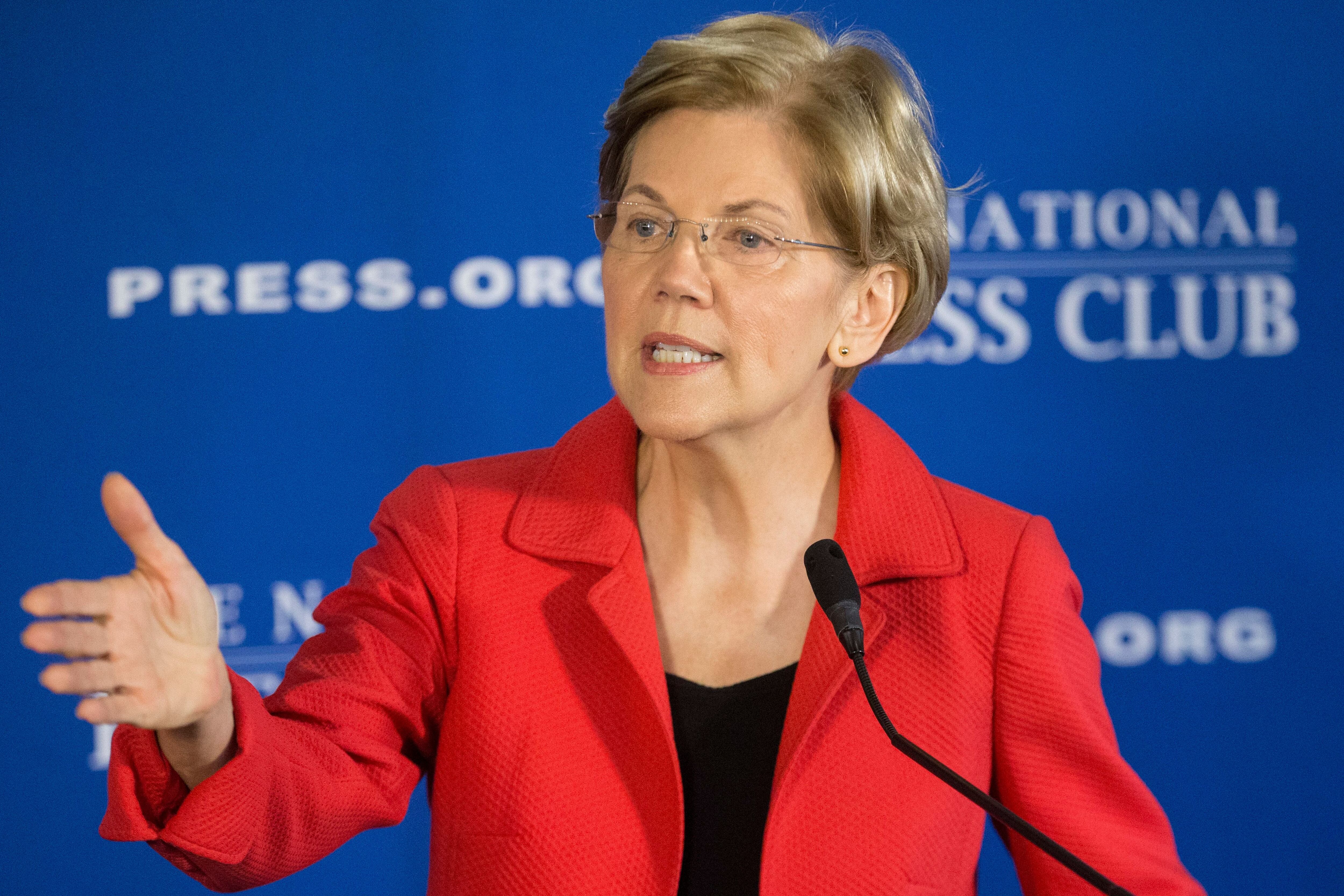
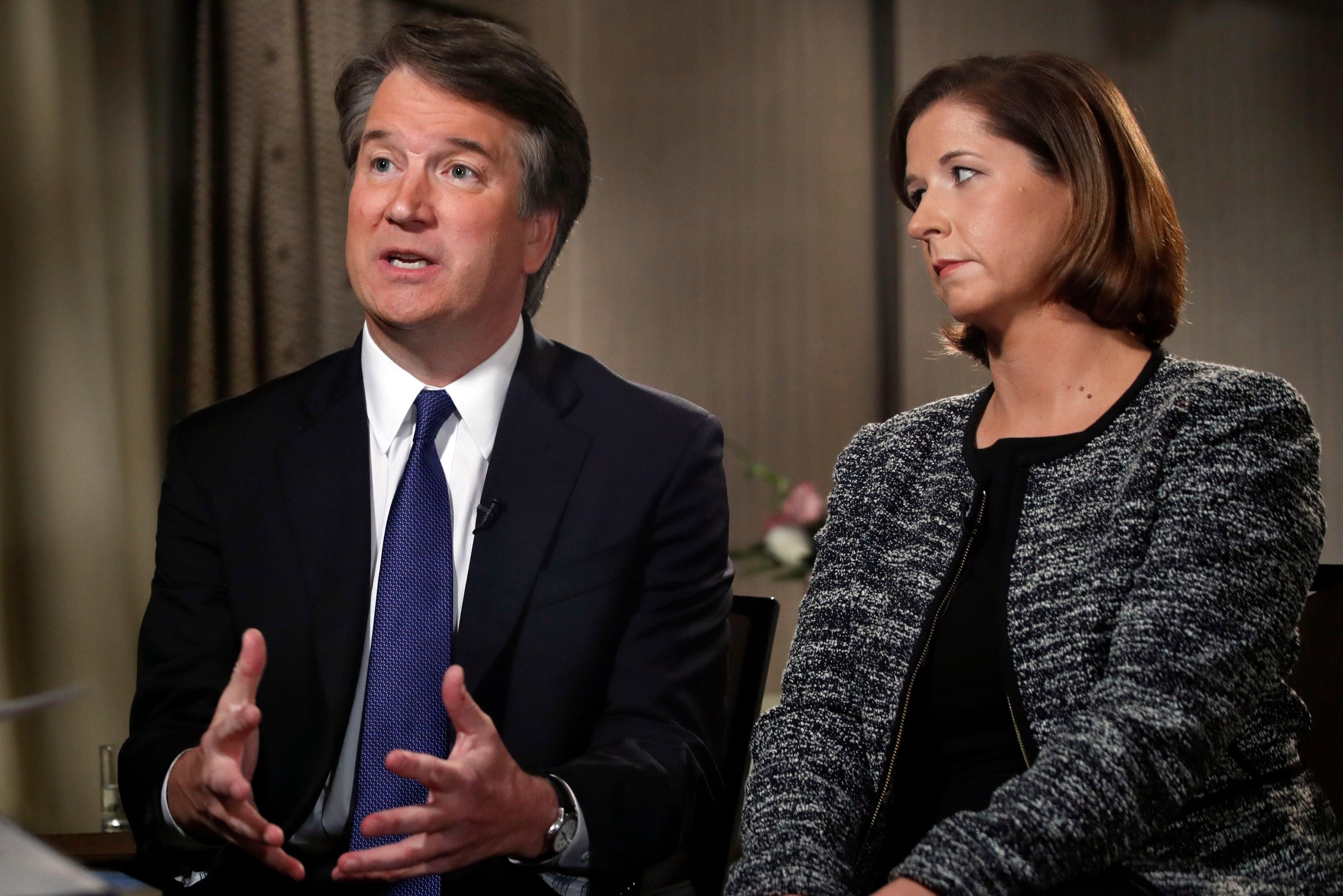
Sen. Elizabeth Warren spoke with J.D. Durkin about the accusations against Supreme Court nominee Brett Kavanaugh and the response from President Trump that Democrats are engaging in a "con game." She says if the president really believes the accusations aren't true then he must want a full investigation by the FBI. "Have at it, Mr. President," she said.
Stocks were mixed Tuesday, a day after tariffs on $200 billion worth of Chinese imports went into effect. Art Hogan, chief market strategist for B. Riley FBR, said investors have been taking the escalating trade war in stride, but whether that can last under these new tariffs will be the question to watch in the weeks ahead.
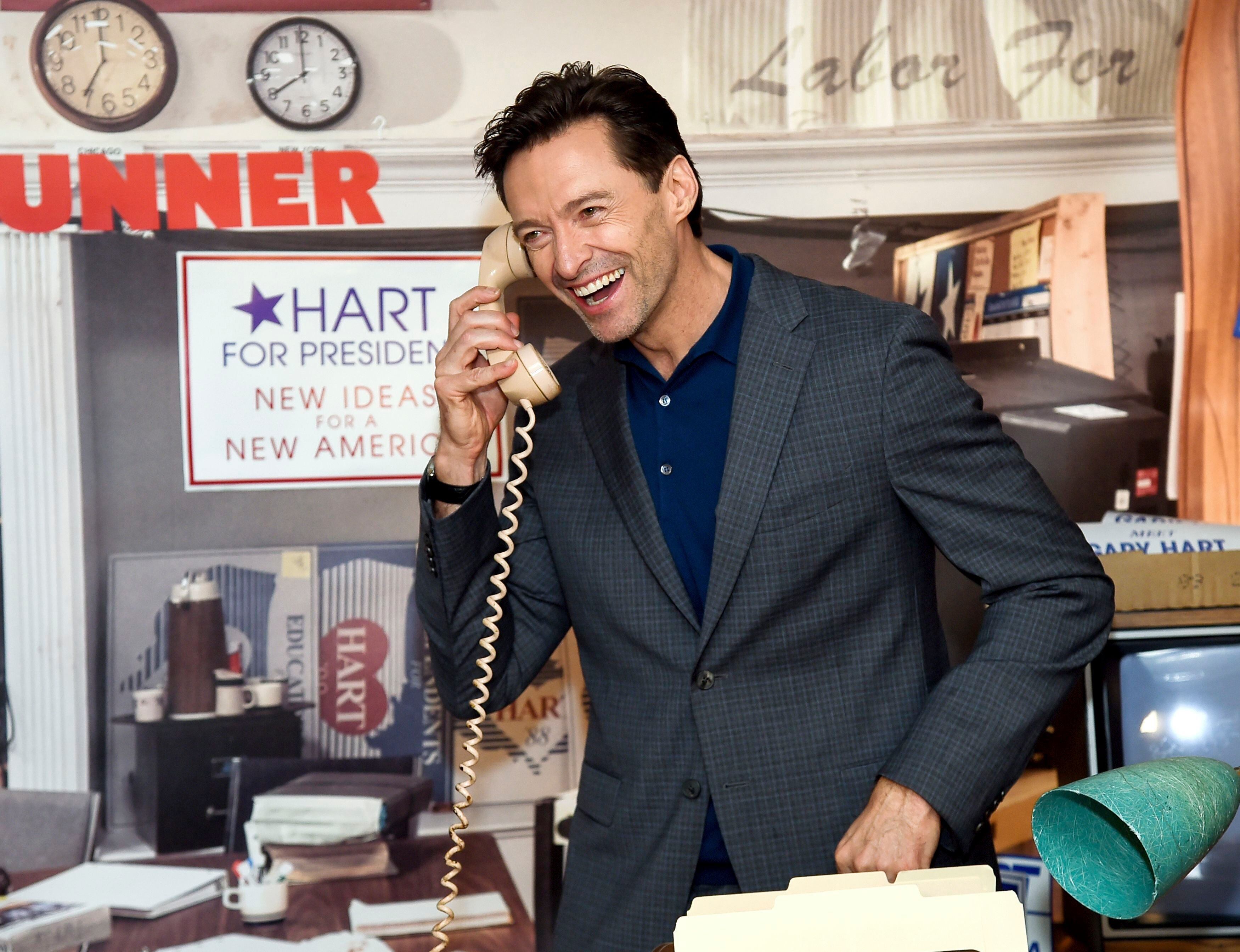
Hugh Jackman's forthcoming film "The Front Runner" follows former Sen. Gary Hart and his rise and fall in the 1988 presidential election. Cheddar spoke with Jackman about how he approached the role and why it was so important for him to meet Hart.
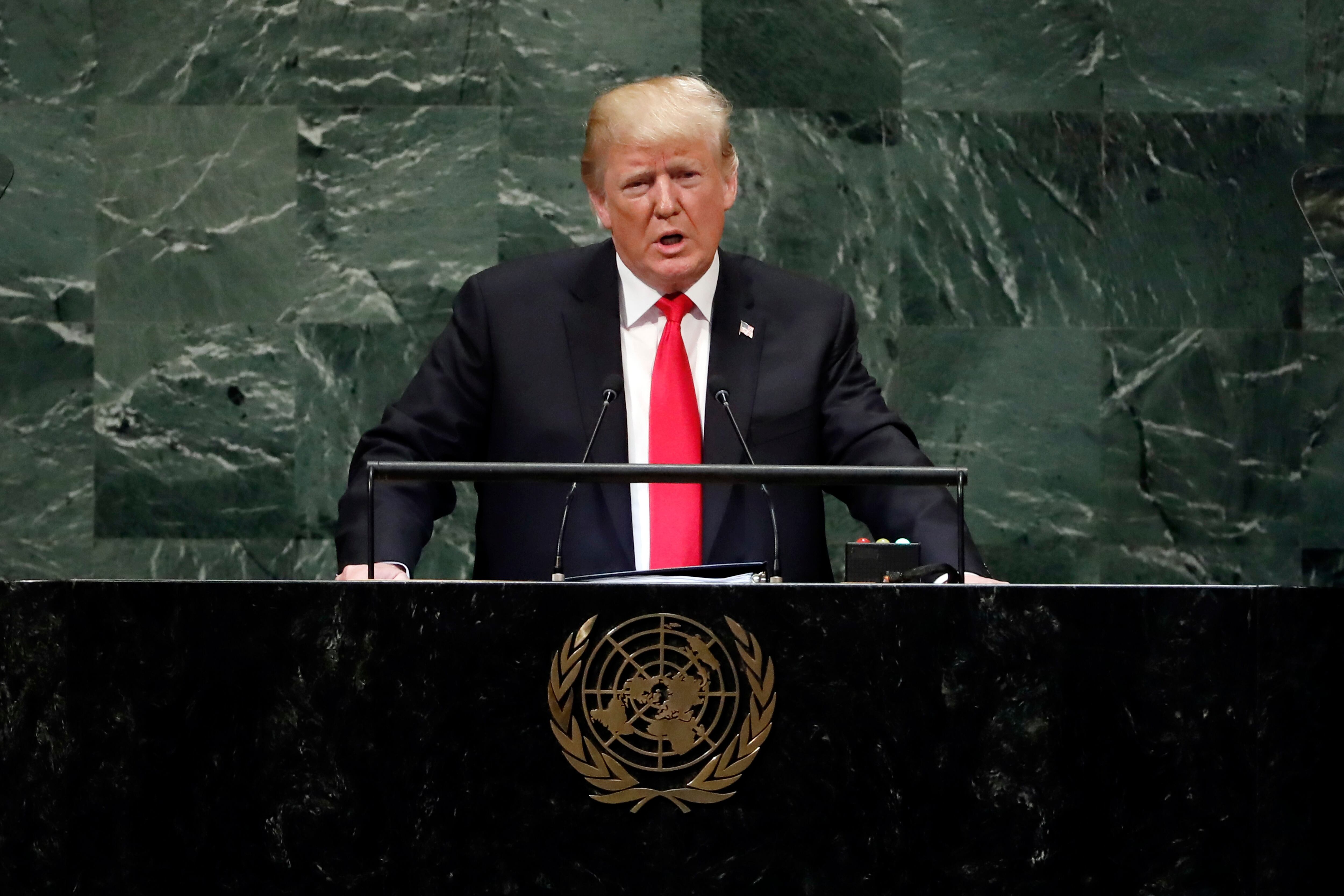
A year after delivering his "fire and fury" speech that threatened to annihilate North Korea and its "little rocket man" leader, President Trump addressed the annual United Nations General Assembly Tuesday, expanding on his "America First" motto and replacing North Korea with Iran as the major antagonist.
These are the headlines you Need 2 Know.
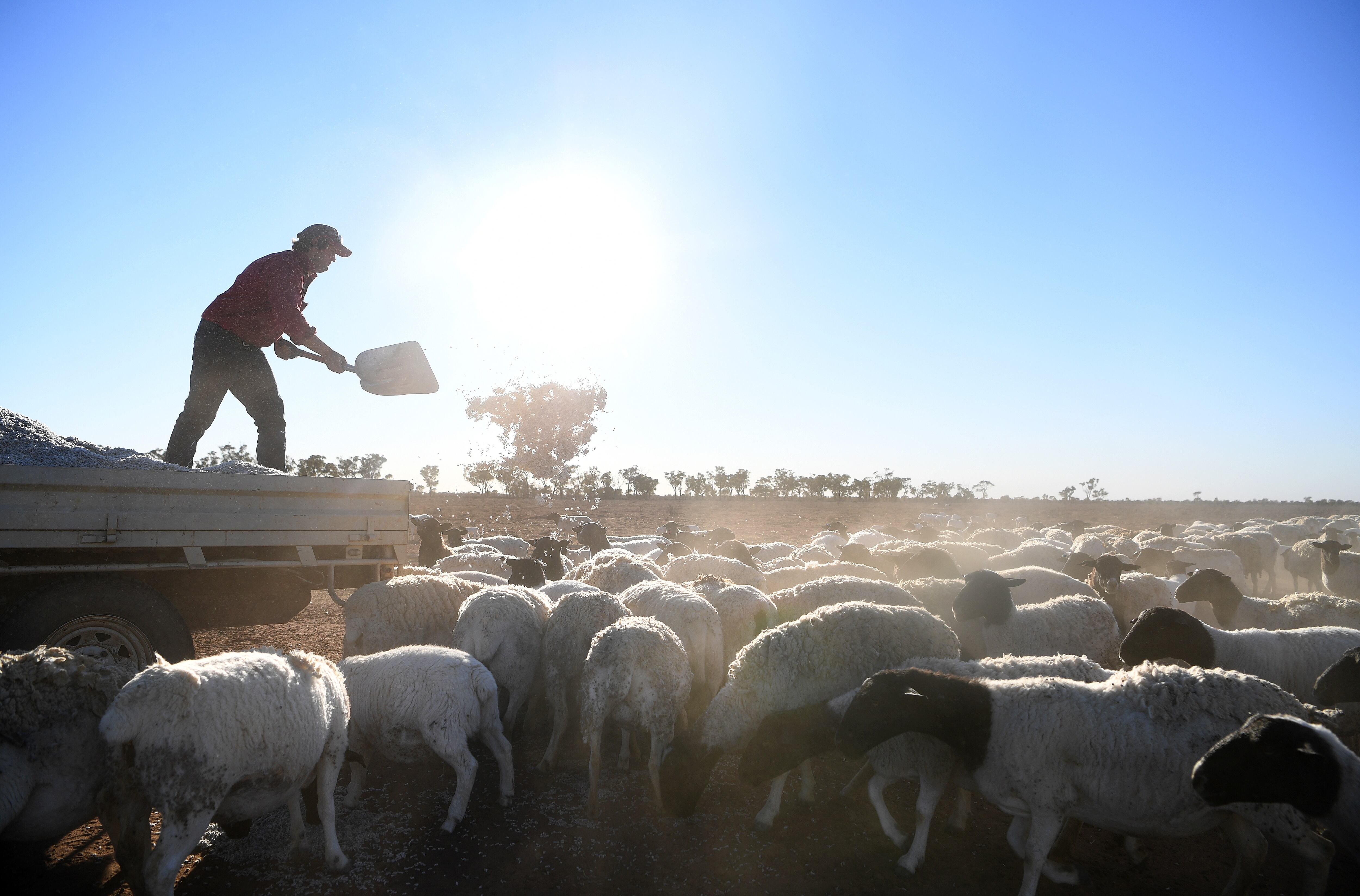
The newest round of tariffs on China imposed by the Trump administration will be damaging for American farmers, particularly soybean and corn growers, said Kimbal Musk, the restaurateur (and brother of Elon) who founded the Kitchen Restaurant Group. Because farmers can only "innovate once a year" during harvest, what they need most is certainty.
U.S. markets dropped Monday as questions over the future of Deputy Attorney General Rod Rosenstein added to investor concerns, which were already heightened by the onset of the latest round of tariffs on Chinese goods. "The political environment seems to be mayhem on a daily basis, and we're just going to have to get used to that," said Jason Moser, analyst at The Motley Fool, in an interview on Cheddar Monday.
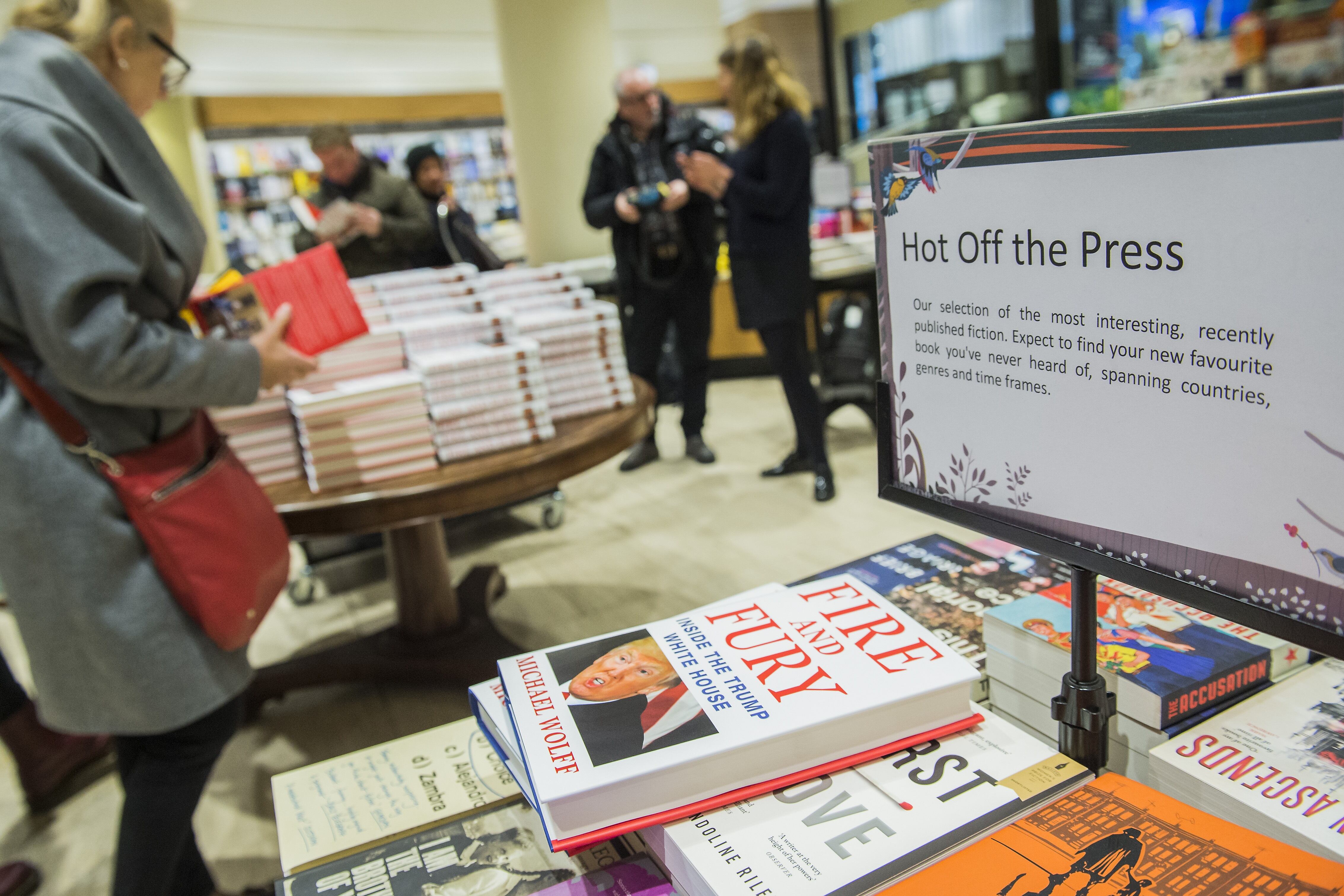
From Omarosa to Bob Woodward to Jeanine Pirro, authors are cashing in on the Trump presidency. Brent Lang, a film and media editor for Variety, said that sales of books on the Trump presidency ー regardless of political leanings ー are surging as readers want to make sense of this era.
Deputy Attorney General Rod Rosenstein has left a meeting at the White House with Chief of Staff John Kelly and remains, for now, employed.
These are the headlines you Need 2 Know.