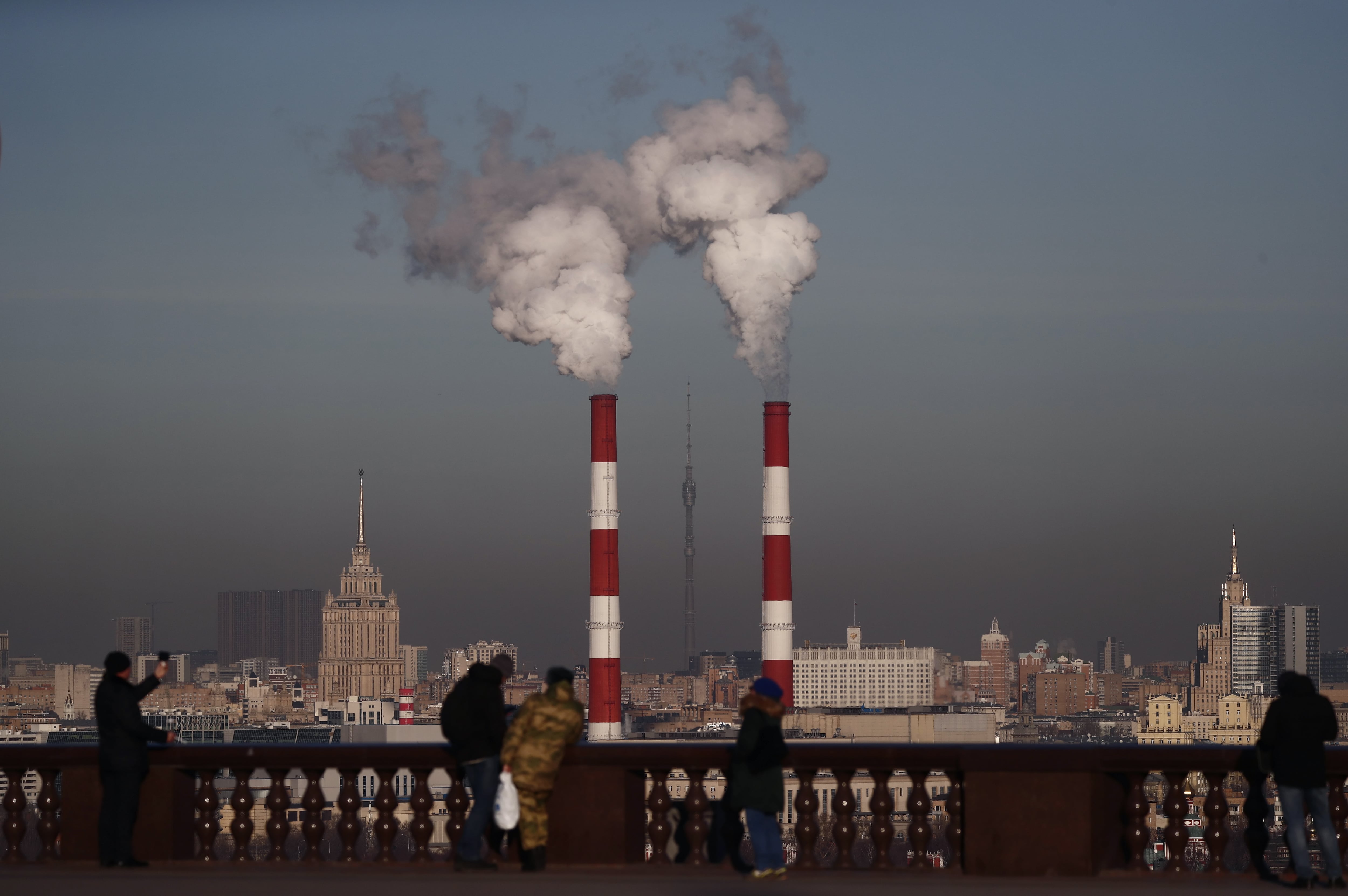
The 2010s amounted to "a decade lost" for slowing climate change, as nations around the world failed to substantially rein-in the heat-trapping emissions generated by power plants, factories, cars and trucks, and other sources that burn fossil fuels, a United Nations report said Tuesday.

The Earth's average temperature is now on track to soar by close to 4 degrees Celsius – or 7.2 degrees Fahrenheit – by the end of the century compared to pre-industrial levels. Scientists have broadly concluded that the planet needs to keep warming to within 2 degrees Celsius, or 3.6 degrees Fahrenheit, to avoid the most catastrophic impacts of climate change.

Rapid rates of warming, meanwhile, are already essentially locked-in: Even ambitious new efforts to slash carbon emissions, as represented in nations' commitments under the 2015 Paris climate accord, will still produce 2.9 to 3.4 degrees of warming.

The report, from the UN's World Meteorological Organization, renewed calls for yet more urgent action to drastically reduce emissions around the world.

"There is no sign of a slowdown, let alone a decline, in greenhouse gases concentration in the atmosphere despite all the commitments under the Paris Agreement on Climate Change," WMO Secretary-General Petteri Taalas said in a statement. "We need to translate the commitments into action and increase the level of ambition for the sake of the future welfare of mankind."

Despite rapid growth in renewable energy sources such as wind and solar, sharp declines in coal-fired power generation in developed nations, and recent high-profile investments in electric vehicles and EV charging infrastructure, global emissions are next expected to peak by the end of the next decade.

"The effects of climate policies have been too small to offset the impact of key drivers of emissions such as economic growth and population growth," the report said, characterizing the finding as a "rather bleak fact."

Already, the amount of carbon dioxide in the atmosphere is comparable to 3-5 million years ago, when temperatures were roughly 2-3 degrees warmer and sea levels were 30-60 feet higher, the WMO said.

"In this critical period, the world must deliver concrete, stepped-up action on emissions," Inger Andersen, executive director of the UN Environment Programme said in a statement. "We face a stark choice: set in motion the radical transformations we need now, or face the consequences of a planet radically altered by climate change."

Share:
More In Politics
Do Lifetime Supreme Court Appointments Still Make Sense?
Why do we pretend Supreme Court Justices aren't political appointees? Why are they still given lifetime appointments? John Iadarola, co-host of The Young Turks, and Nick Givas, reporter for the Daily Caller, looked at the court landscape after one of the most partisan confirmation battles in history.
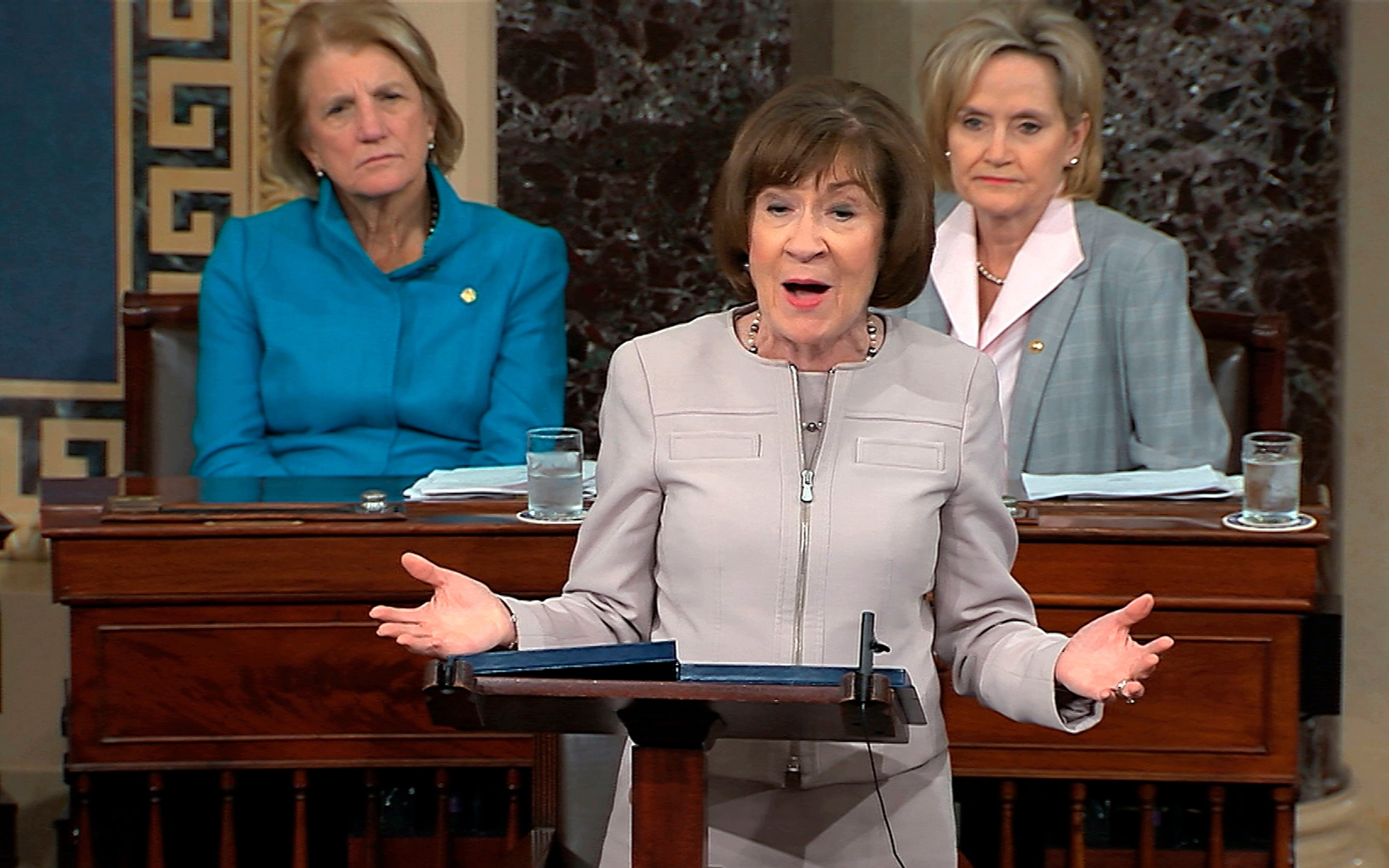
Sen. Susan Collins Will Vote 'Yes' on Kavanaugh
The Maine Republican, a key swing vote in Brett Kavanaugh's Supreme Court confirmation process, said she would support the nominee in the final vote expected Saturday. Collins, along with Sen. Jeff Flake (R-AZ) who indicated he too would vote along party lines, could be the deciding factors that give Kavanaugh the votes he needs.
#MeToo One Year Later: How Time's Up's Message Still Resonates
Sharyn Tejani, director of the Time's Up Legal Defense Fund, which represents victims of sexual harassment, said the effort in the year since Harvey Weinstein's accusers came forward is unprecedented. "If you had told me at any point in that time that we would have an organization like this one that's focused on low-wage workers and focused on sexual harassment, I would have told you that's simply impossible," she said.
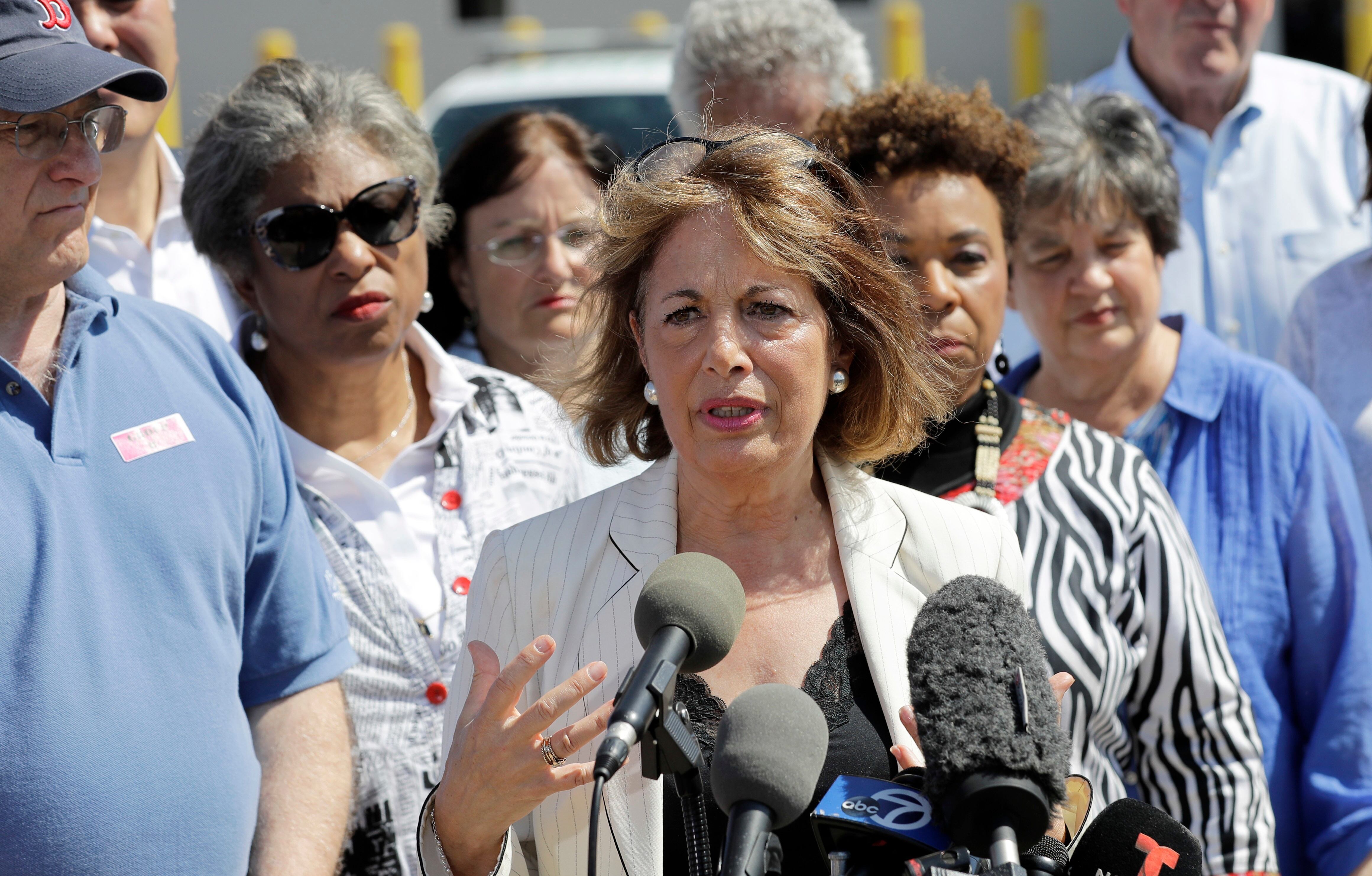
Rep. Jackie Speier: Senate Is 'Dragging Their Feet' on Sexual Harassment Legislation
The California Congresswoman sponsored a bill along with Sen. Kirsten Gillibrand shortly after the dawn of the #MeToo and Time's Up movements. While some steps have been enacted in the House, Speier says there's been little movement in the Senate. When you watch the Brett Kavanaugh hearings, she said, "you can understand why we're still negotiating on the Senate side."
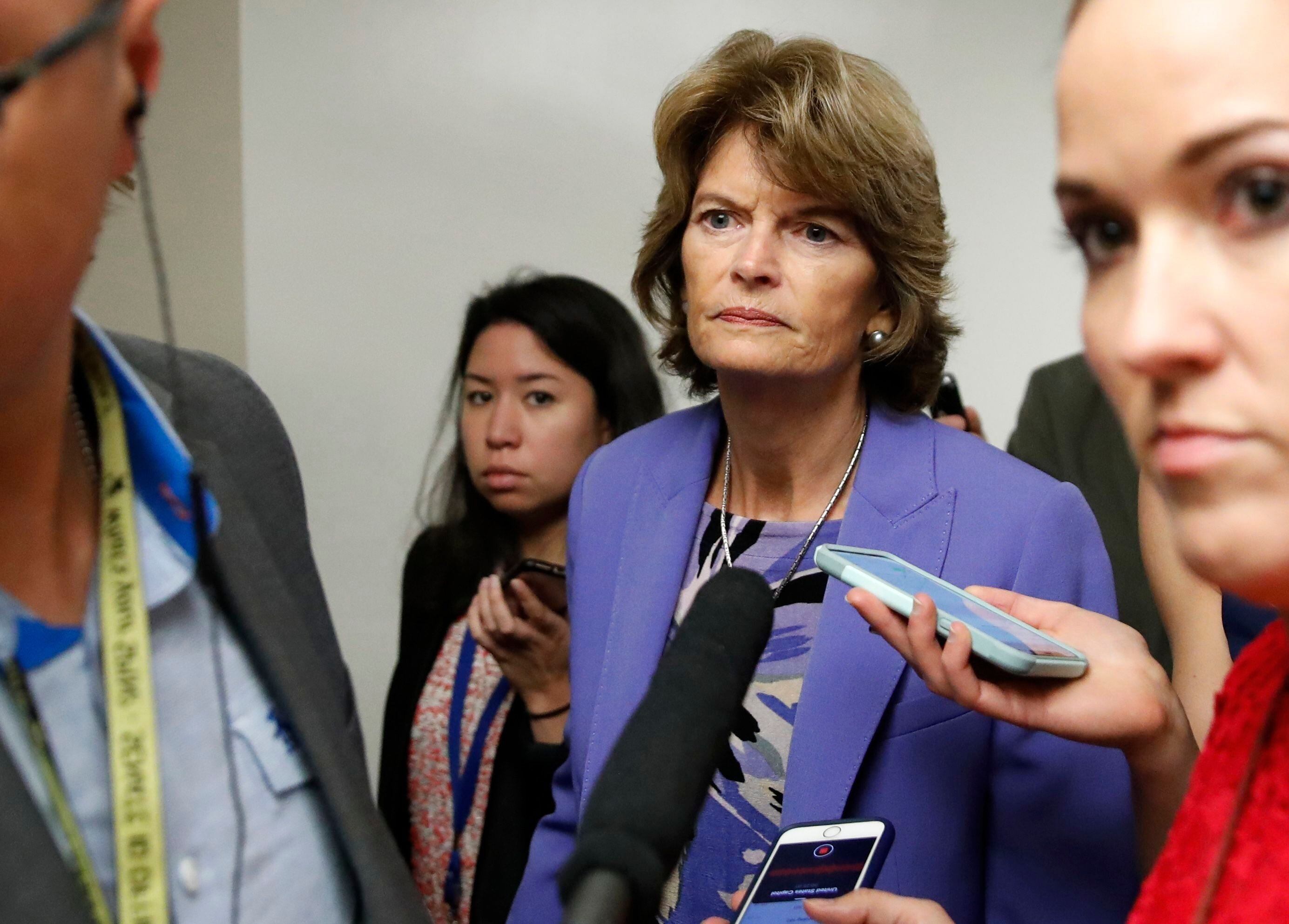
Murkowski Votes 'No' on Kavanaugh, But Nomination Advances
The Senate had a procedural vote on Friday morning on the Supreme Court nominee and everyone voted along party lines, except two key Senators. Joe Manchin, a Democrat from West Virginia voted 'Yes' while Republican Lisa Murkowski of Alaska voted 'No.' That sets up a final vote to confirm Kavanaugh's nomination as early as Saturday.
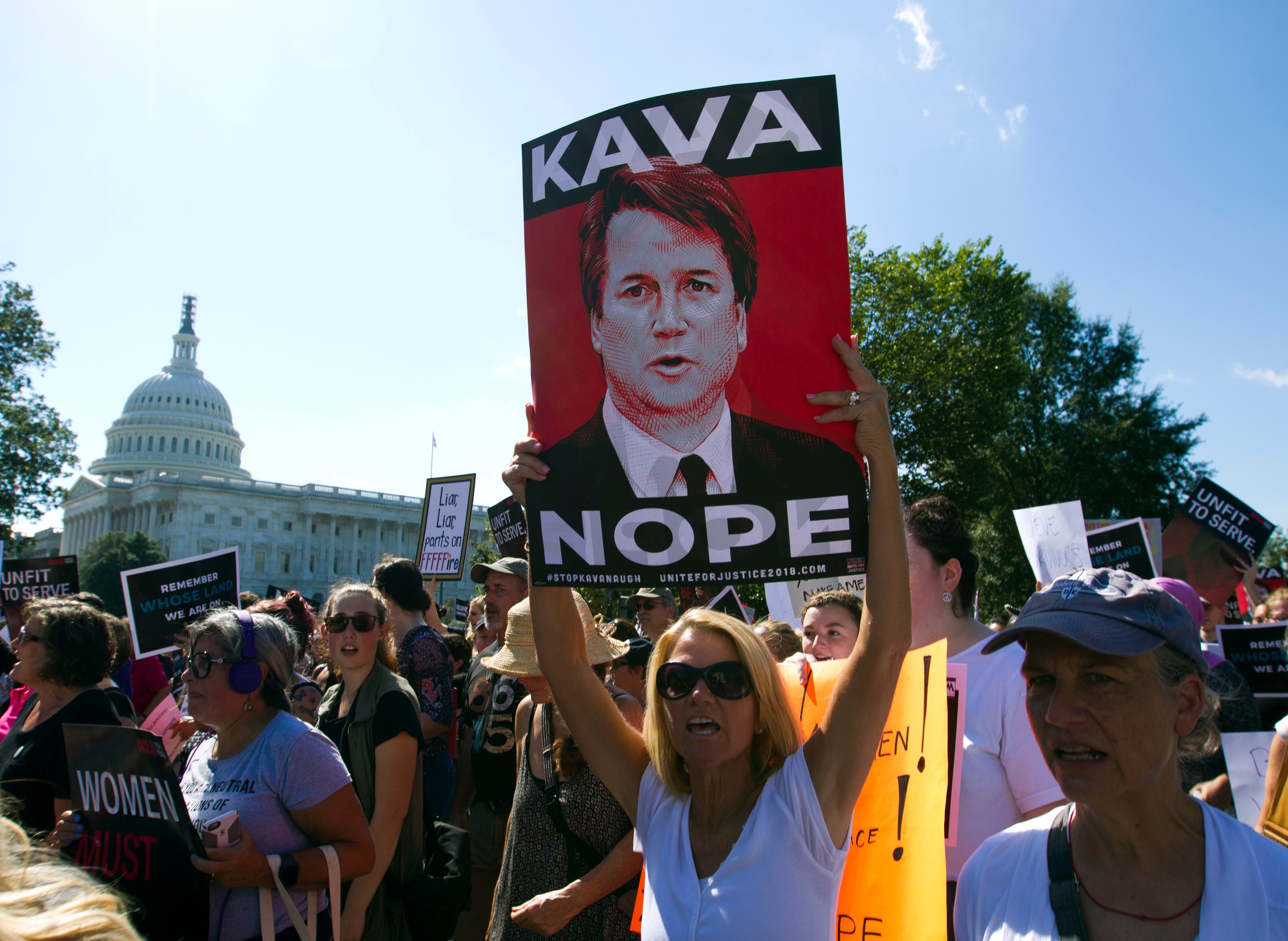
Does Kavanaugh Have a 'Better Than 50-50' Chance to Get Confirmed?
The FBI's investigation into Prof. Christine Blasey Ford's allegations against Brett Kavanaugh has been completed, reportedly without any major bombshells. And while there is still no real indication on how big swing votes will decide, Reason's Eric Boehm says chances are the Supreme Court nominee will get confirmed. "But I don't think it's a done deal yet," he said.
Load More