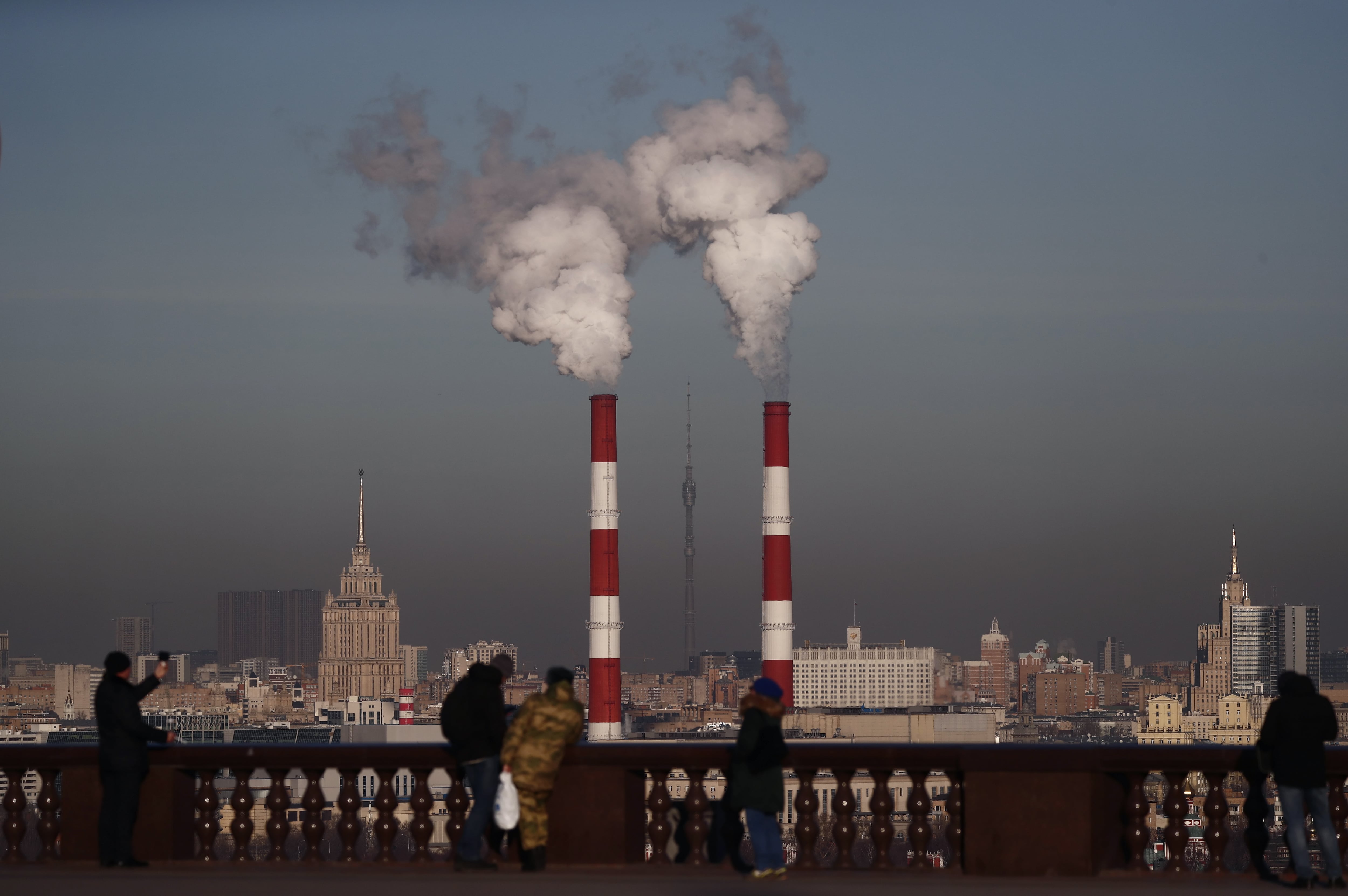
The 2010s amounted to "a decade lost" for slowing climate change, as nations around the world failed to substantially rein-in the heat-trapping emissions generated by power plants, factories, cars and trucks, and other sources that burn fossil fuels, a United Nations report said Tuesday.
The Earth's average temperature is now on track to soar by close to 4 degrees Celsius – or 7.2 degrees Fahrenheit – by the end of the century compared to pre-industrial levels. Scientists have broadly concluded that the planet needs to keep warming to within 2 degrees Celsius, or 3.6 degrees Fahrenheit, to avoid the most catastrophic impacts of climate change.
Rapid rates of warming, meanwhile, are already essentially locked-in: Even ambitious new efforts to slash carbon emissions, as represented in nations' commitments under the 2015 Paris climate accord, will still produce 2.9 to 3.4 degrees of warming.
The report, from the UN's World Meteorological Organization, renewed calls for yet more urgent action to drastically reduce emissions around the world.
"There is no sign of a slowdown, let alone a decline, in greenhouse gases concentration in the atmosphere despite all the commitments under the Paris Agreement on Climate Change," WMO Secretary-General Petteri Taalas said in a statement. "We need to translate the commitments into action and increase the level of ambition for the sake of the future welfare of mankind."
Despite rapid growth in renewable energy sources such as wind and solar, sharp declines in coal-fired power generation in developed nations, and recent high-profile investments in electric vehicles and EV charging infrastructure, global emissions are next expected to peak by the end of the next decade.
"The effects of climate policies have been too small to offset the impact of key drivers of emissions such as economic growth and population growth," the report said, characterizing the finding as a "rather bleak fact."
Already, the amount of carbon dioxide in the atmosphere is comparable to 3-5 million years ago, when temperatures were roughly 2-3 degrees warmer and sea levels were 30-60 feet higher, the WMO said.
"In this critical period, the world must deliver concrete, stepped-up action on emissions," Inger Andersen, executive director of the UN Environment Programme said in a statement. "We face a stark choice: set in motion the radical transformations we need now, or face the consequences of a planet radically altered by climate change."
These are the headlines you Need 2 Know.
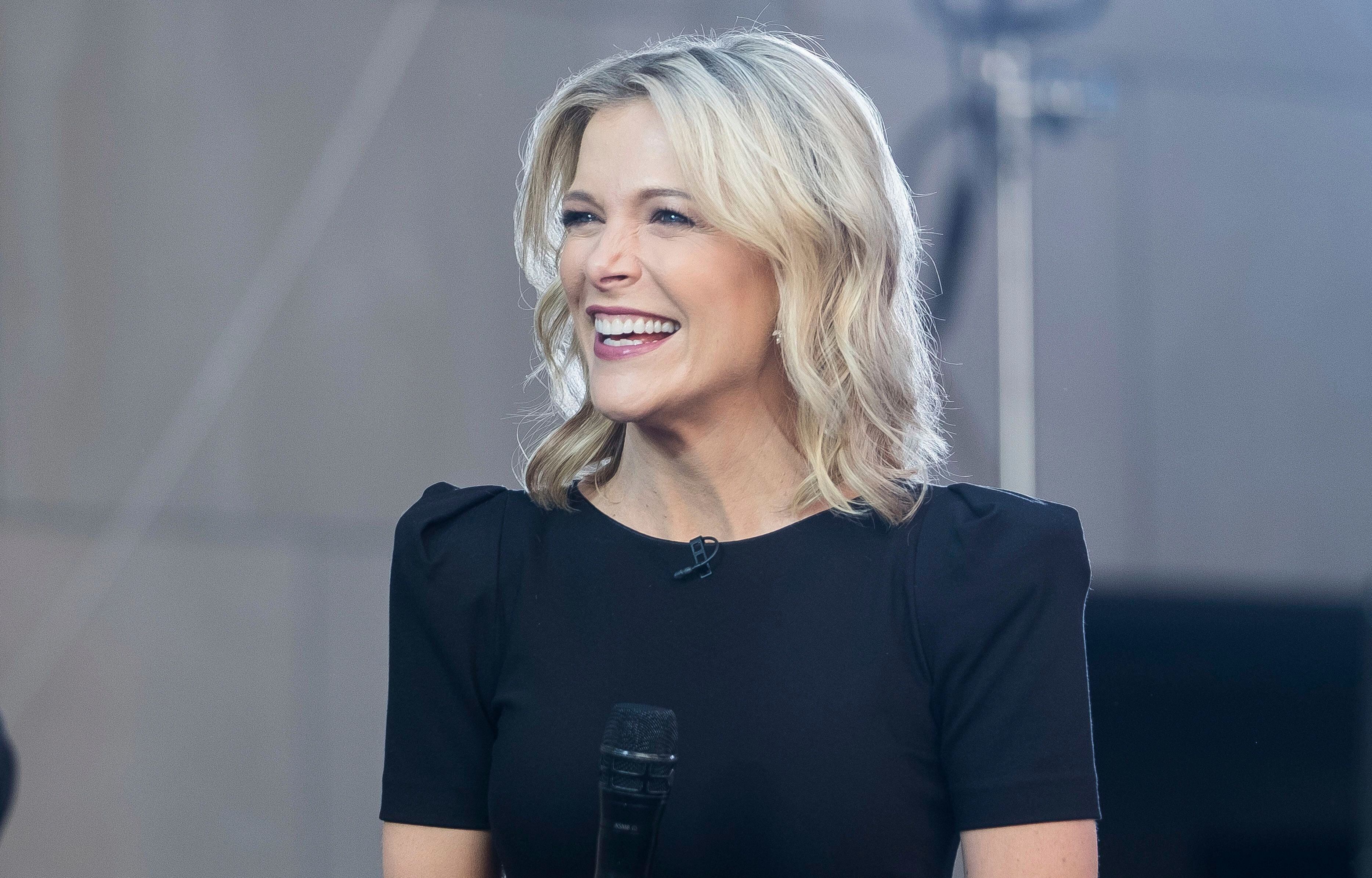
Megyn Kelly is not a morning person ー at least, not anymore. Reports on Thursday morning indicated that the anchor's days as an NBC host are numbered, following her controversial on-air comments earlier this week that defended wearing blackface on Halloween.
China is responding to a revelatory report in The New York Times ー that said Chinese spies are allegedly eavesdropping on President Donald Trump during calls he makes on an unsecured iPhone ー by suggesting that the president use the device of a Chinese competitor instead.
Two more suspicious devices were intercepted on Thursday ー one in Delaware en route to former VP Joe Biden and the other at the restaurant and office of actor Robert De Niro in Lower Manhattan ー the eighth and ninth to be sent to high-profile critics of President Trump in a period of three days.
These are the headlines you Need 2 Know.
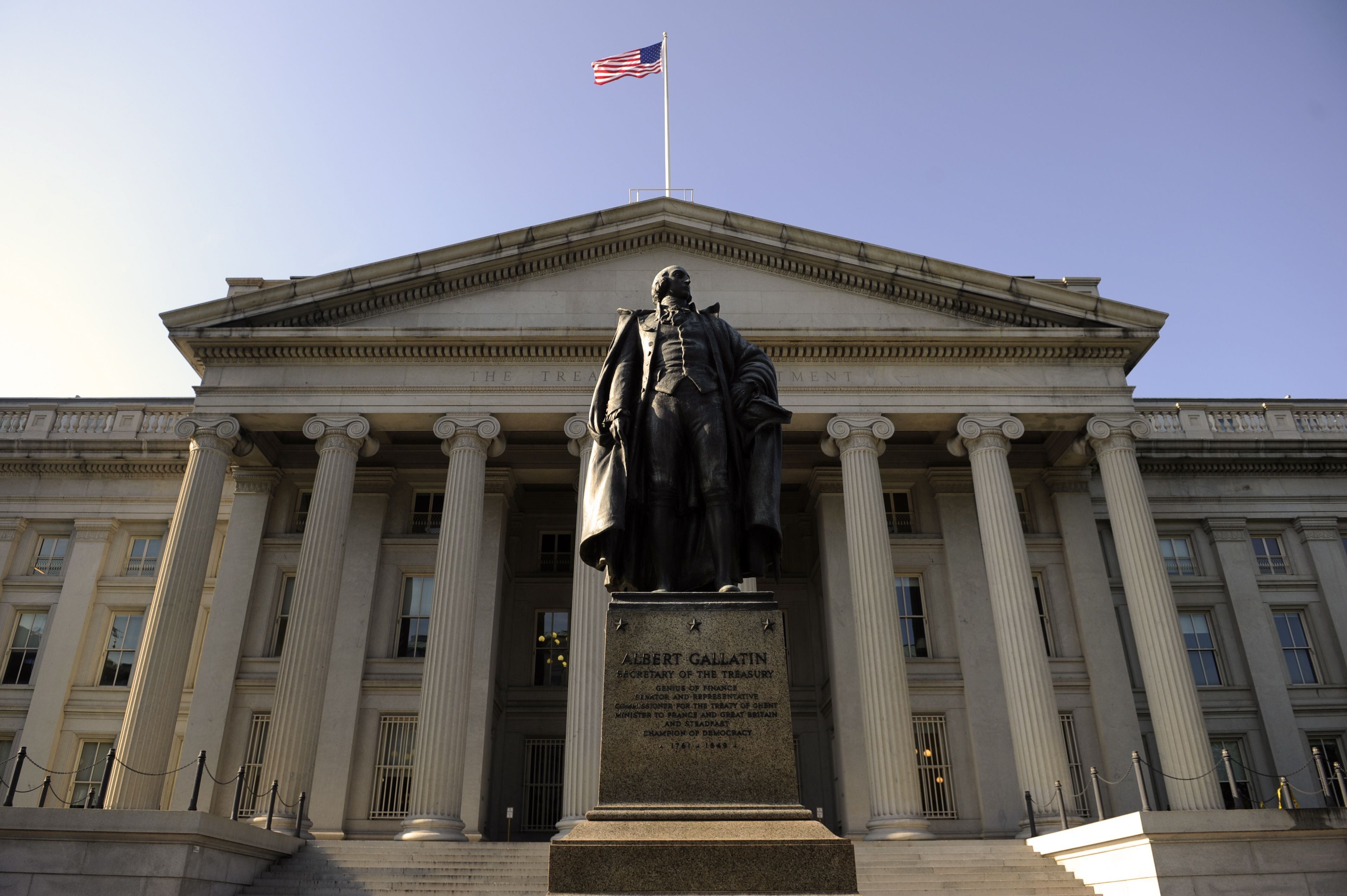
Investors overseas are losing their appetite for U.S. debt. Foreign buyers now hold 41 percent of outstanding Treasury debt, marking their lowest share in 15 years. If the trend continues, the U.S. dollar may weaken and interest rates might climb. While it may be easy to blame the trade war for the drop, Daniel Kruger, a reporter for The Wall Street Journal, said a stronger dollar is the culprit.
An apparent attempted mail bombing of several prominent Democrats and members of the news media used techniques that have grown more common among terrorists in recent years, said Jarrod Bernstein, a former counter-terrorism official in the Obama administration.
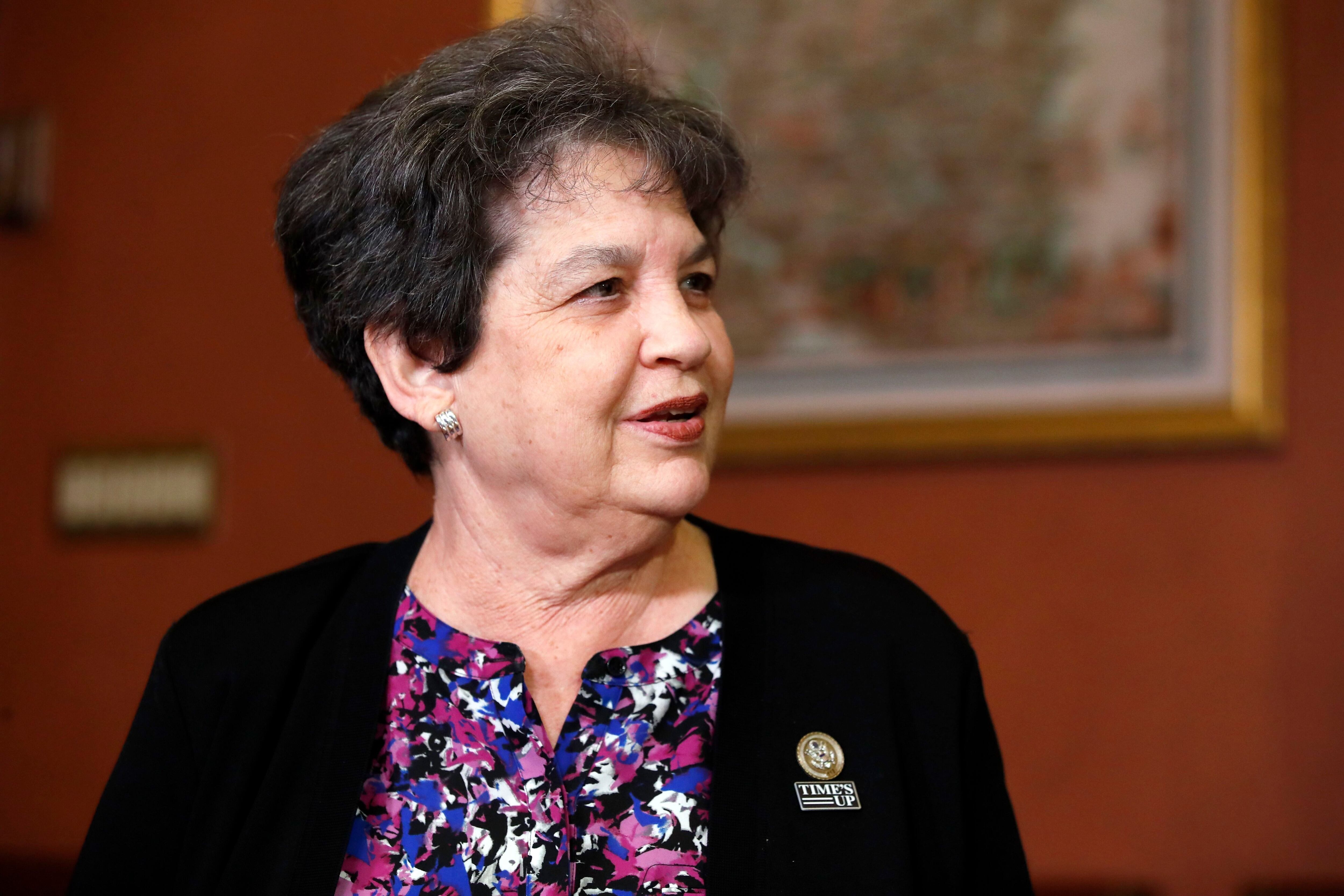
A record number of women are running for political office, and one congresswoman thinks America has one man to thank. "The best recruiter we've had, his name is President Donald Trump," Rep. Lois Frankel (D-FL) said Wednesday in an interview on Cheddar.
Tesla shares are surging as investors prepare for the company to release quarterly earnings Wednesday after the markets close. President Trump criticized Federal Reserve Chair Jerome Powell (again) in an interview with the Wall Street Journal. And Kerry Bishé and Corey Stoll join Cheddar to talk about their roles on Amazon's new series 'The Romanoffs.'
Apple CEO Tim Cook made his most forceful comments yet on the privacy concerns plaguing the tech industry, telling a conference in Brussels, Belgium that a "data-industrial complex" has led to eroding privacy rights around the world. Cook then called on the U.S. to adopt a landmark federal privacy law like the GDPR that went into effect earlier this year in the EU.