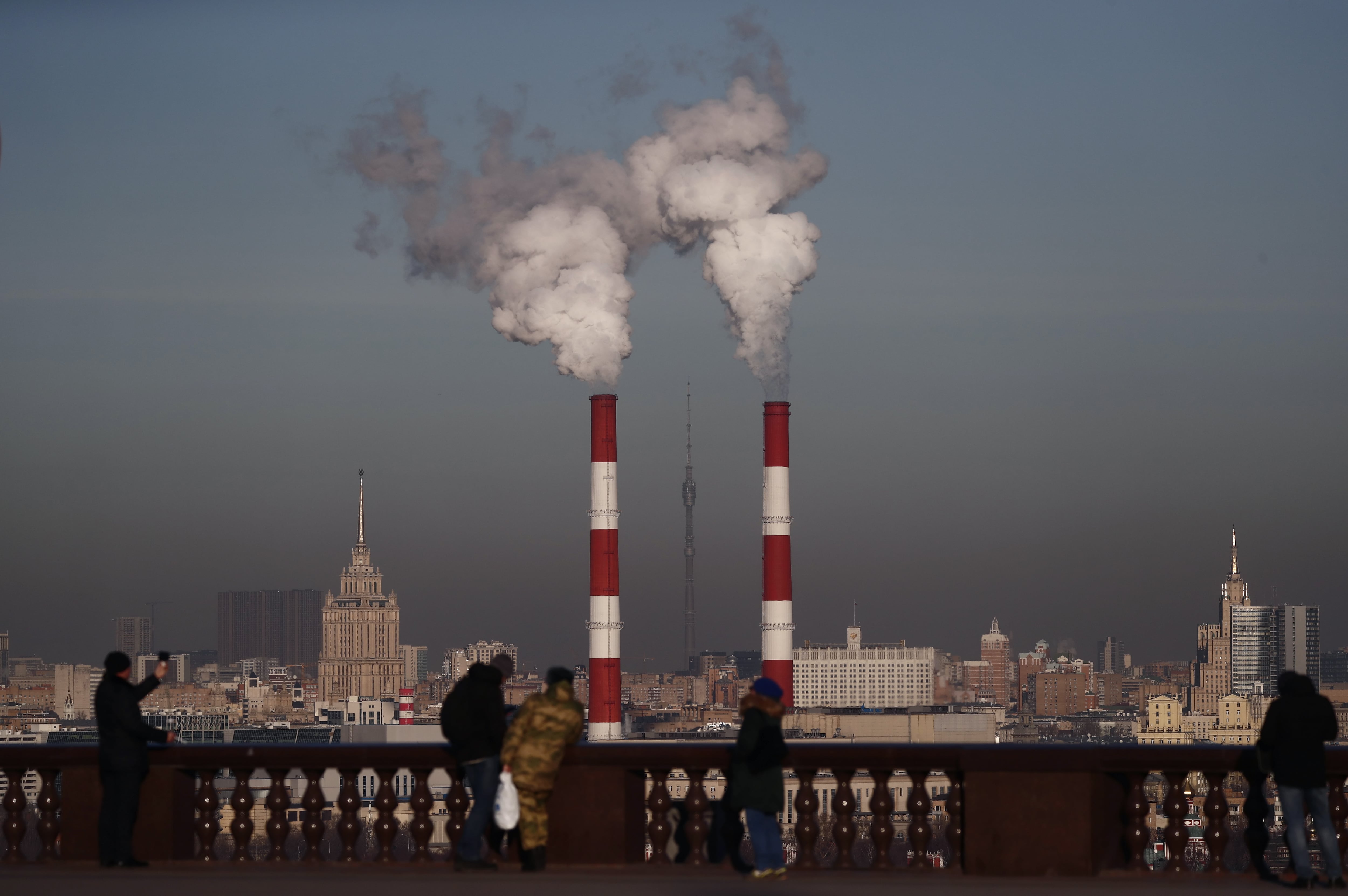
The 2010s amounted to "a decade lost" for slowing climate change, as nations around the world failed to substantially rein-in the heat-trapping emissions generated by power plants, factories, cars and trucks, and other sources that burn fossil fuels, a United Nations report said Tuesday.
The Earth's average temperature is now on track to soar by close to 4 degrees Celsius – or 7.2 degrees Fahrenheit – by the end of the century compared to pre-industrial levels. Scientists have broadly concluded that the planet needs to keep warming to within 2 degrees Celsius, or 3.6 degrees Fahrenheit, to avoid the most catastrophic impacts of climate change.
Rapid rates of warming, meanwhile, are already essentially locked-in: Even ambitious new efforts to slash carbon emissions, as represented in nations' commitments under the 2015 Paris climate accord, will still produce 2.9 to 3.4 degrees of warming.
The report, from the UN's World Meteorological Organization, renewed calls for yet more urgent action to drastically reduce emissions around the world.
"There is no sign of a slowdown, let alone a decline, in greenhouse gases concentration in the atmosphere despite all the commitments under the Paris Agreement on Climate Change," WMO Secretary-General Petteri Taalas said in a statement. "We need to translate the commitments into action and increase the level of ambition for the sake of the future welfare of mankind."
Despite rapid growth in renewable energy sources such as wind and solar, sharp declines in coal-fired power generation in developed nations, and recent high-profile investments in electric vehicles and EV charging infrastructure, global emissions are next expected to peak by the end of the next decade.
"The effects of climate policies have been too small to offset the impact of key drivers of emissions such as economic growth and population growth," the report said, characterizing the finding as a "rather bleak fact."
Already, the amount of carbon dioxide in the atmosphere is comparable to 3-5 million years ago, when temperatures were roughly 2-3 degrees warmer and sea levels were 30-60 feet higher, the WMO said.
"In this critical period, the world must deliver concrete, stepped-up action on emissions," Inger Andersen, executive director of the UN Environment Programme said in a statement. "We face a stark choice: set in motion the radical transformations we need now, or face the consequences of a planet radically altered by climate change."
Although the much-anticipated blue wave wasn't the tsunami Democrats had hoped for, the Party still managed to wrestle the House from Republican control and score victories in gubernatorial races. As expected, Republicans maintained their grip on the Senate. Read below for more on Election Night.
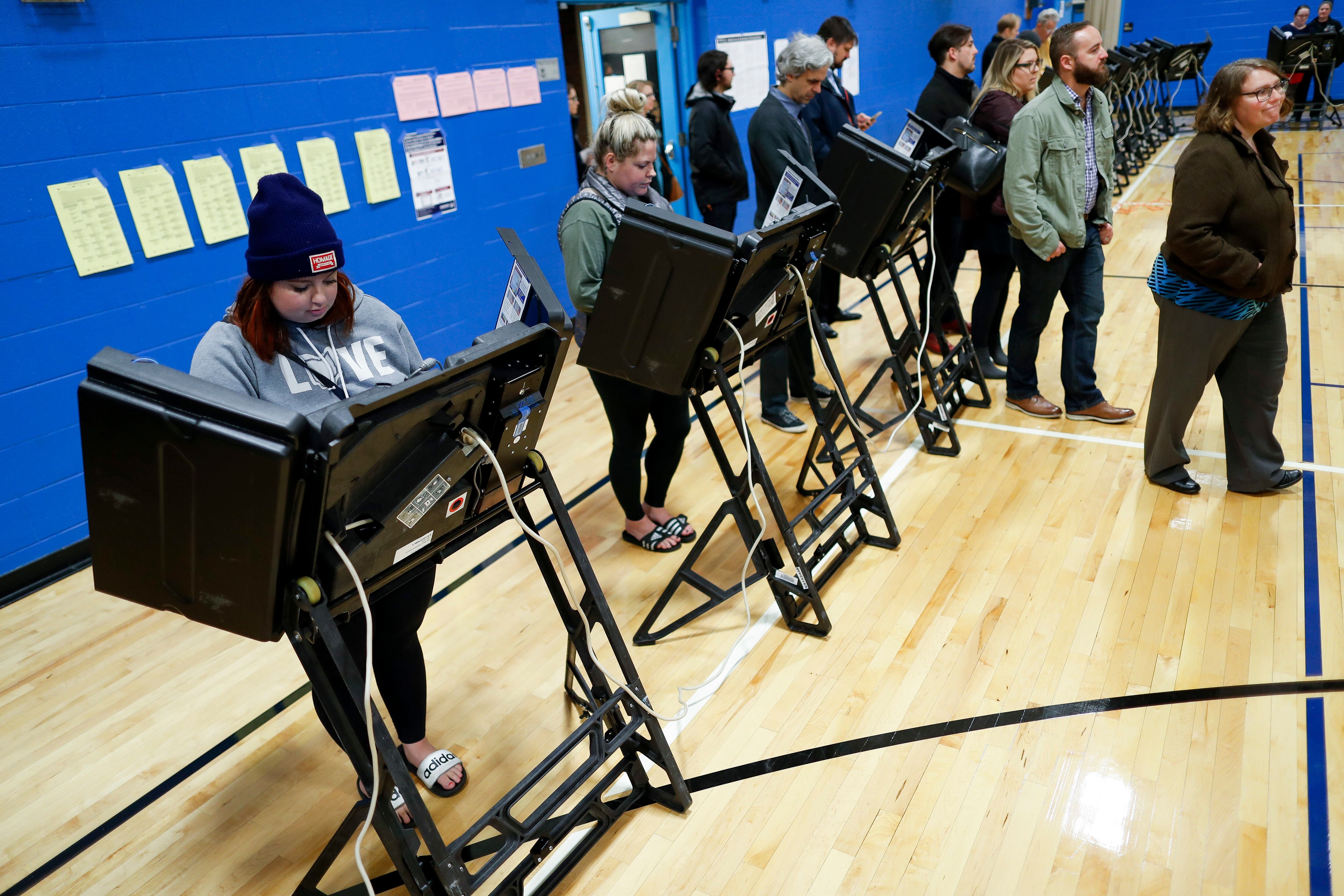
It's midterms day in America! After a whopping 36 million people voted early, many are predicting record voter turnout for this midterms election. Rapper Fat Joe joins Cheddar to talk about his efforts to get young voters to the polls as part of MTVs '+1 The Vote' campaign. And, we dig into reports that Amazon is splitting its second headquarters, also known as HQ2, between two different cities.
Adam Cancryn, healthcare reporter at Politico, said the Republicans have hinted at attempting to dismantle the ACA even if they lose the House. That won't be easy.
As Americans head to the polls for the 2018 midterm election, some are concerned about outside actors hacking voting systems, which would be different from the misinformation campaigns that proliferated on social media in 2016. Rob Marvin, associate features editor at PC Mag, explains the different levels of vulnerabilities.
No matter how different Congress may look after Tuesday's vote, the markets ー especially the S&P ー will be up a year from now, Securities America investment adviser John Grace told Cheddar Tuesday.
The bitter midterm election season is coming down ー as it always does ー to who turns out to vote. With control of both chambers of Congress and dozens of statehouses up for grabs on Tuesday, and a polarizing president at the center of it all, the 2018 midterm election will be seen as one of the most consequential in modern U.S. history.
These are the headlines you Need 2 Know.
South Florida's agriculture community is in tremendous economic pain. The open markets and opportunities afforded to Mexico in the NAFTA era steadily put farmers out of business in the region of pristine farmland between Miami and the Florida Keys. J.D. Durkin writes about meeting with those struggling farmers as news of a would-be pipe bomber dominated the news cycle just miles away.
With just a day remaining until Election Day, the president of EMILY's List is feeling confident that the millions of dollars her organization spent on pro-choice Democratic women running for office will pay off, thanks to a strong early voting turnout. "Often in midterm elections, we do see a bigger drop-off by women voters, particularly younger women voters, in midterms," Stephanie Schriock said Monday in an interview on Cheddar. "I'm not seeing any of that drop-off."
Robin Koval, CEO and president of the Truth Initiative, believes that until government effectively regulates the sale of e-cigarettes, teenagers will continue to get addicted to nicotine. And that makes popular vape brands like JUUL no different from Big Tobacco, in her mind.