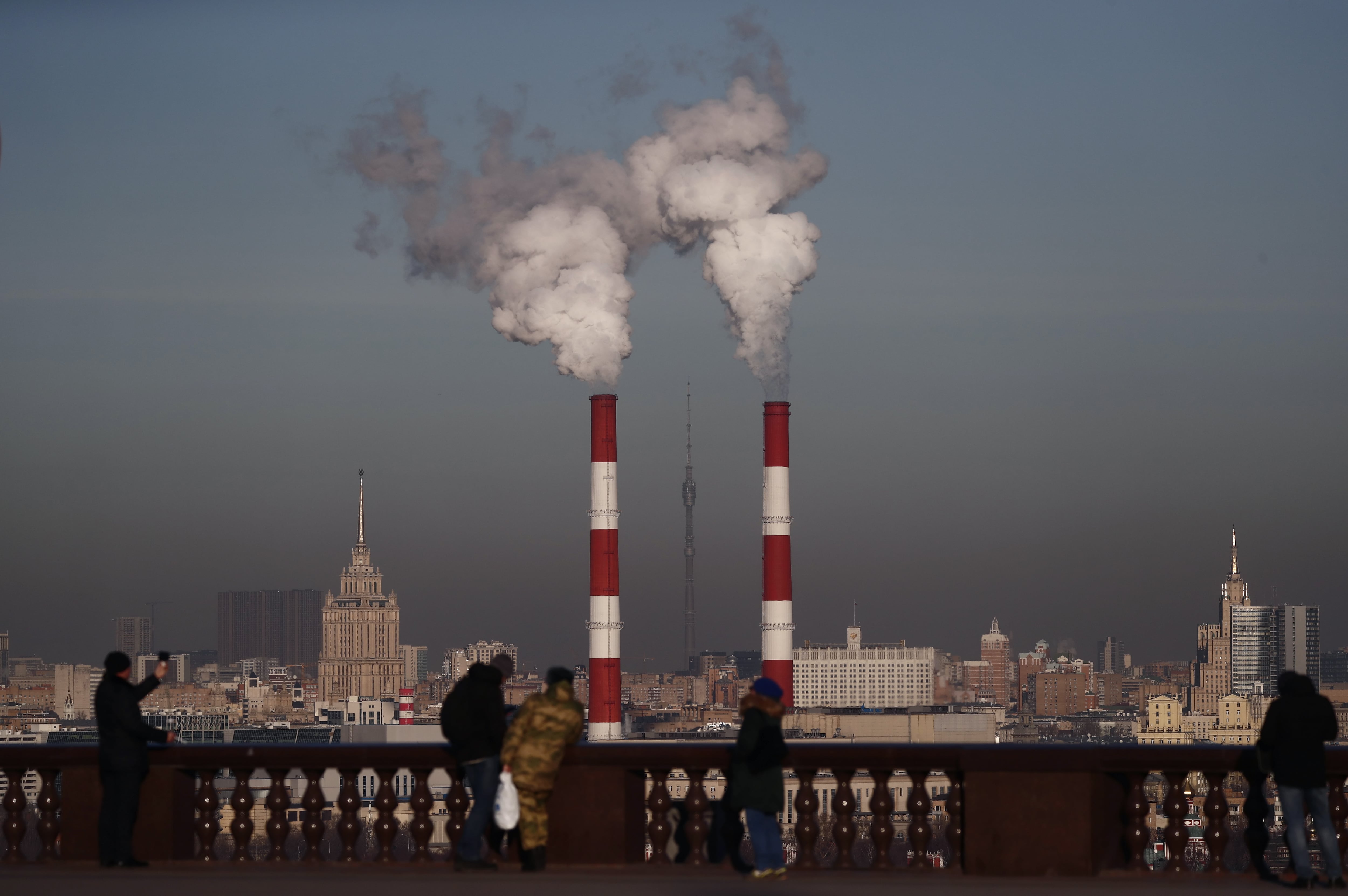
The 2010s amounted to "a decade lost" for slowing climate change, as nations around the world failed to substantially rein-in the heat-trapping emissions generated by power plants, factories, cars and trucks, and other sources that burn fossil fuels, a United Nations report said Tuesday.
The Earth's average temperature is now on track to soar by close to 4 degrees Celsius – or 7.2 degrees Fahrenheit – by the end of the century compared to pre-industrial levels. Scientists have broadly concluded that the planet needs to keep warming to within 2 degrees Celsius, or 3.6 degrees Fahrenheit, to avoid the most catastrophic impacts of climate change.
Rapid rates of warming, meanwhile, are already essentially locked-in: Even ambitious new efforts to slash carbon emissions, as represented in nations' commitments under the 2015 Paris climate accord, will still produce 2.9 to 3.4 degrees of warming.
The report, from the UN's World Meteorological Organization, renewed calls for yet more urgent action to drastically reduce emissions around the world.
"There is no sign of a slowdown, let alone a decline, in greenhouse gases concentration in the atmosphere despite all the commitments under the Paris Agreement on Climate Change," WMO Secretary-General Petteri Taalas said in a statement. "We need to translate the commitments into action and increase the level of ambition for the sake of the future welfare of mankind."
Despite rapid growth in renewable energy sources such as wind and solar, sharp declines in coal-fired power generation in developed nations, and recent high-profile investments in electric vehicles and EV charging infrastructure, global emissions are next expected to peak by the end of the next decade.
"The effects of climate policies have been too small to offset the impact of key drivers of emissions such as economic growth and population growth," the report said, characterizing the finding as a "rather bleak fact."
Already, the amount of carbon dioxide in the atmosphere is comparable to 3-5 million years ago, when temperatures were roughly 2-3 degrees warmer and sea levels were 30-60 feet higher, the WMO said.
"In this critical period, the world must deliver concrete, stepped-up action on emissions," Inger Andersen, executive director of the UN Environment Programme said in a statement. "We face a stark choice: set in motion the radical transformations we need now, or face the consequences of a planet radically altered by climate change."
President Donald Trump on Thursday broke convention when his holiday call to troops took an unusually political turn. On his call with a general stationed in Afghanistan ー and during the questions with reporters that followed ーTrump made controversial comments on the courts, trade, and the caravan of migrants heading toward the border between the U.S. and Mexico. "This is a highly politicized environment, especially with President Trump ー that's his style," Nick Givas, a reporter at the Daily Caller, told Cheddar on Friday.
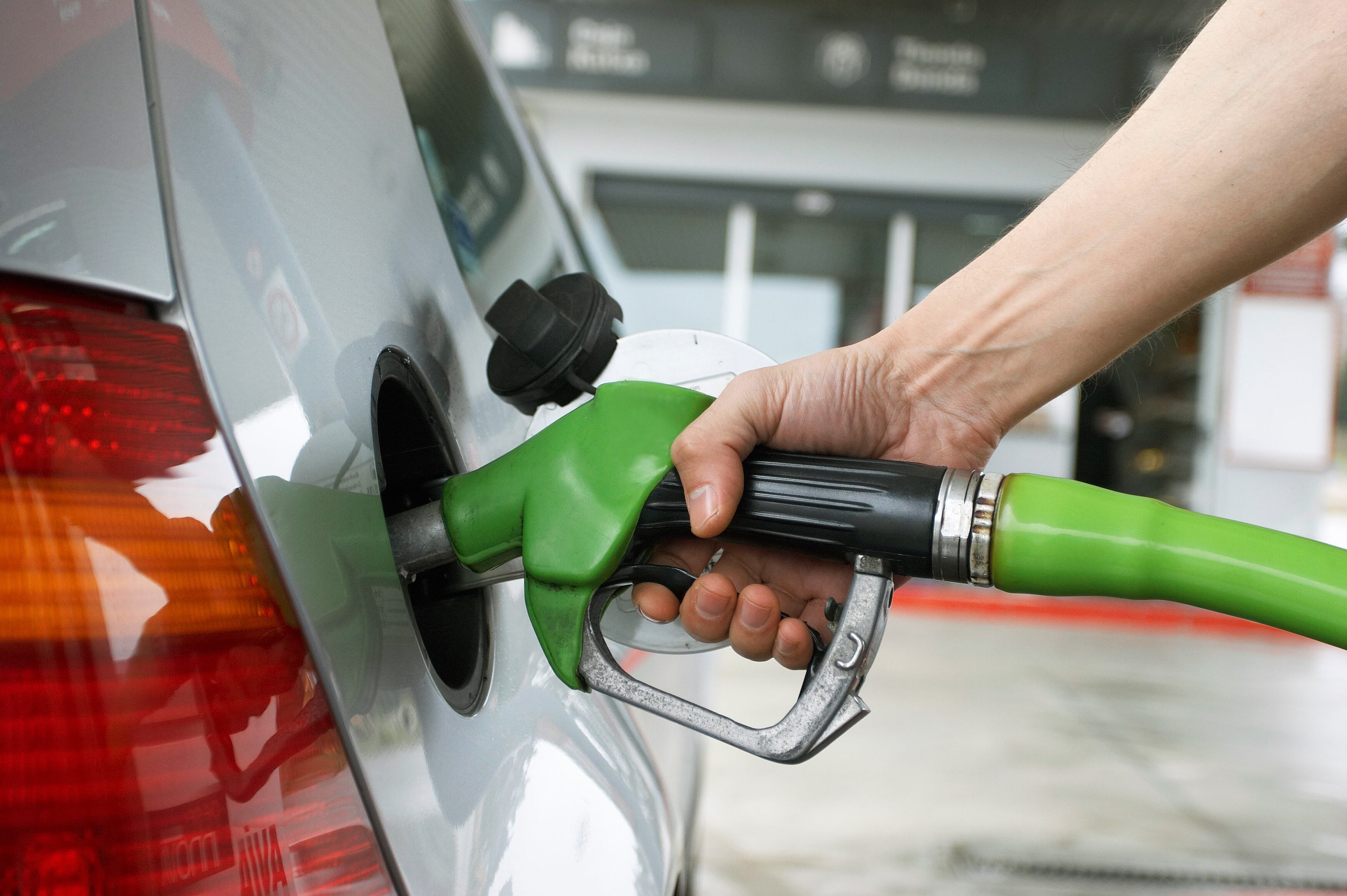
As Americans hit the road in record numbers this holiday, low gas prices are poised to act as a boon for consumer spending. Drivers are already saving $100 million a day at the pump over just last month, according to GasBuddy.
These are the headlines you Need 2 Know for Wednesday, Nov. 21, 2018.
As Canada battles a nationwide marijuana shortage, Massachusetts dispensaries opened to recreational users on Tuesday. Regulatory bottlenecks and unforeseen demand have caused disruptions in Canada's marijuana supply ー but don't expect the trouble to cease next year. Khurram Malik, CEO of cannabis supplier Biome Grow, said he anticipates disorder in Canadian cannabis well into 2019.
With news that the White House Correspondents' Dinner will break a long-standing tradition by replacing a comedian host with a historian, Jon Levine, media editor at The Wrap, discusses whether the event should even exist anymore.
What role exactly does Facebook play in society? Does it do more good than harm ー or more harm than good? Is it too big to control? Existential questions like these are beginning to circulate as the world's largest social network finds itself embroiled in yet another state of crisis.
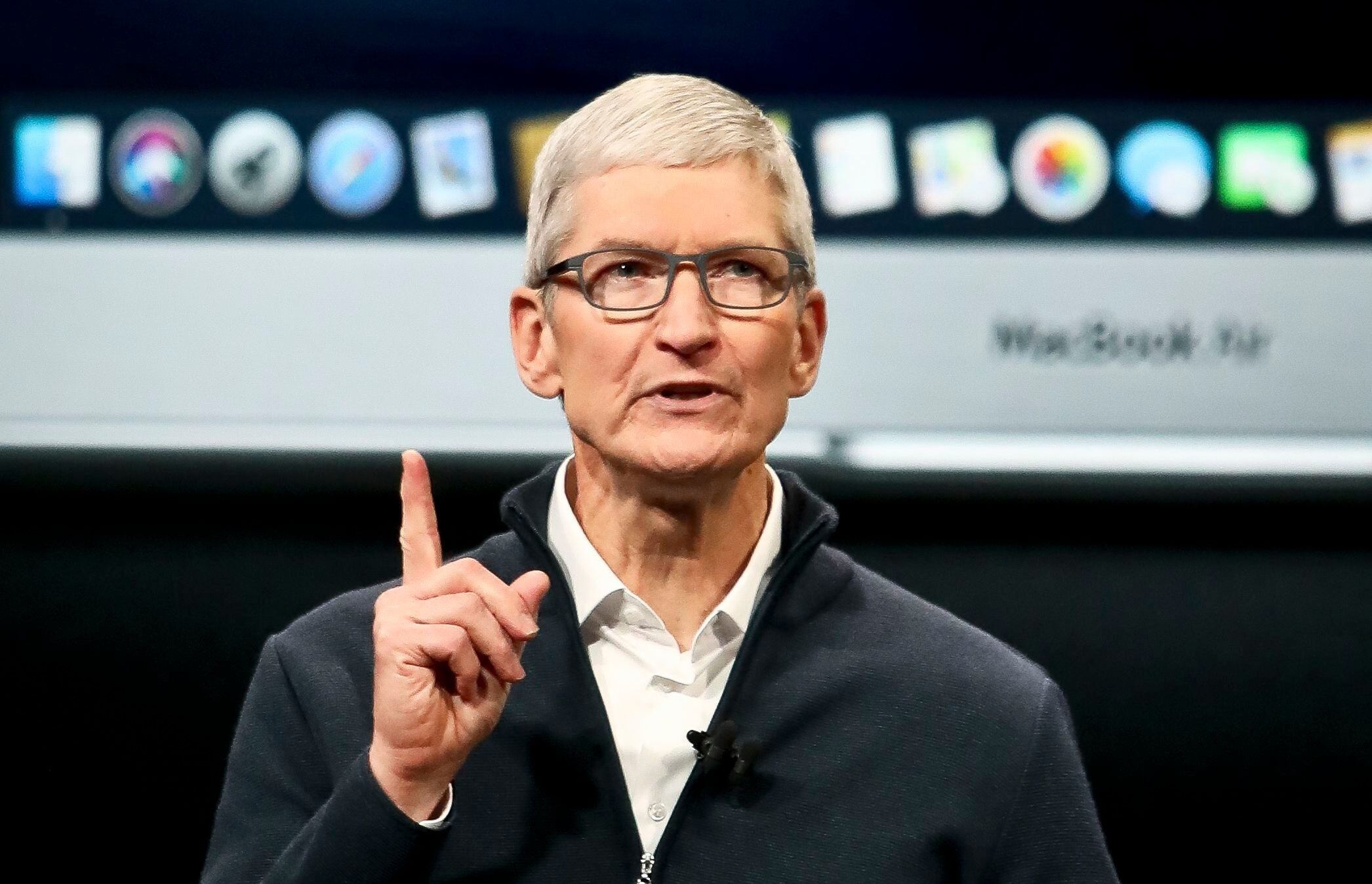
Apple talks a big game on customer privacy -- but that hasn't stopped it from making billions through its partnership with ad-based search engine Google. In an interview with Axios on Sunday, Apple ($AAPL) CEO Tim Cook defended his company's relationship with the world's leading search engine, and discussed the potential for regulation in tech, which he considers inevitable.
These are the headlines you Need 2 Know for Tuesday, Nov. 20, 2018.
Tubi Daily News Powered By Cheddar for the Afternoon of 11/19/18
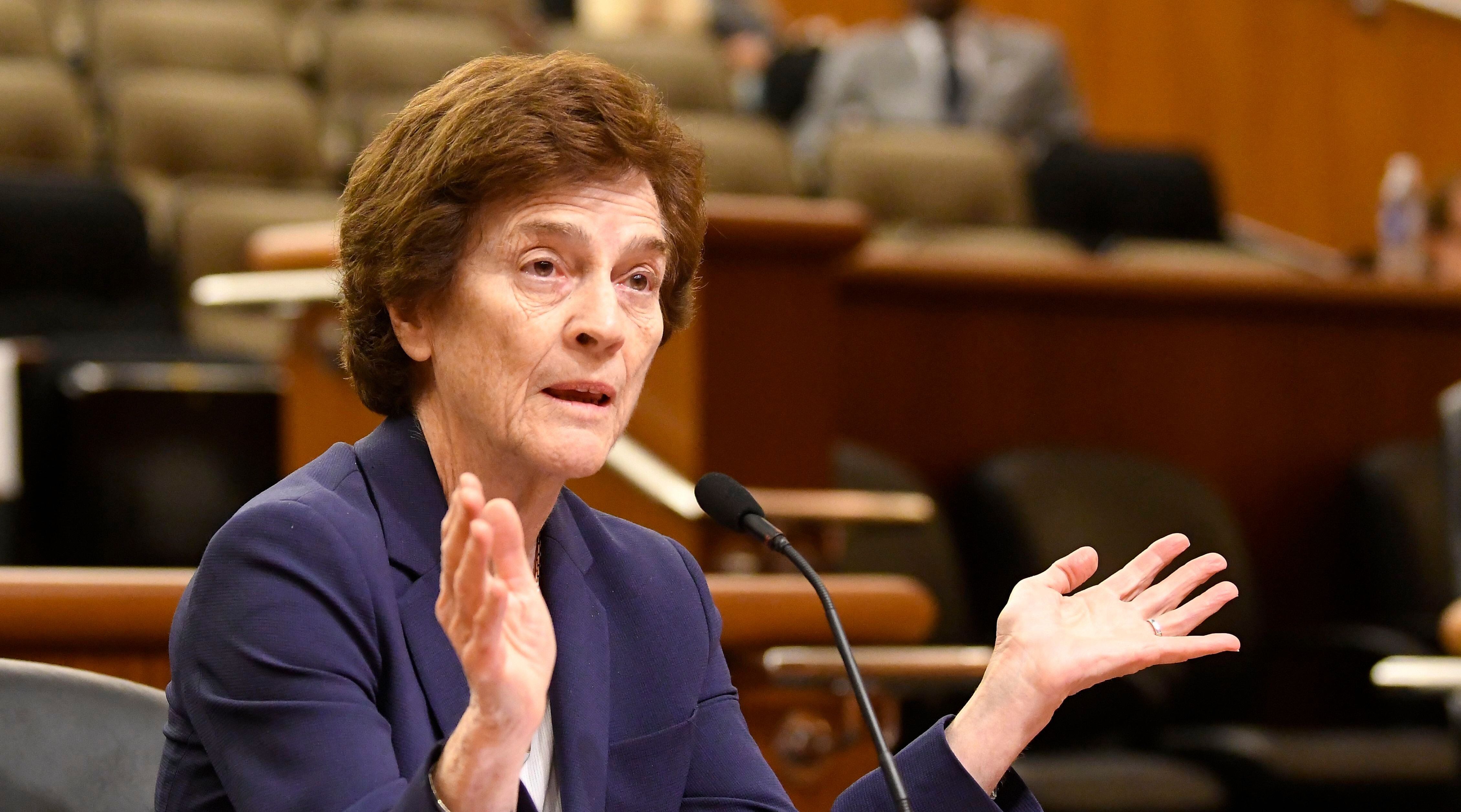
The clamor to impeach President Trump has increased in volume since Democrats won back the U.S. House of Representatives earlier this month ー and one member of the chorus is former Congresswoman Elizabeth Holtzman, who said the president's term recalls another dark period in American political history.