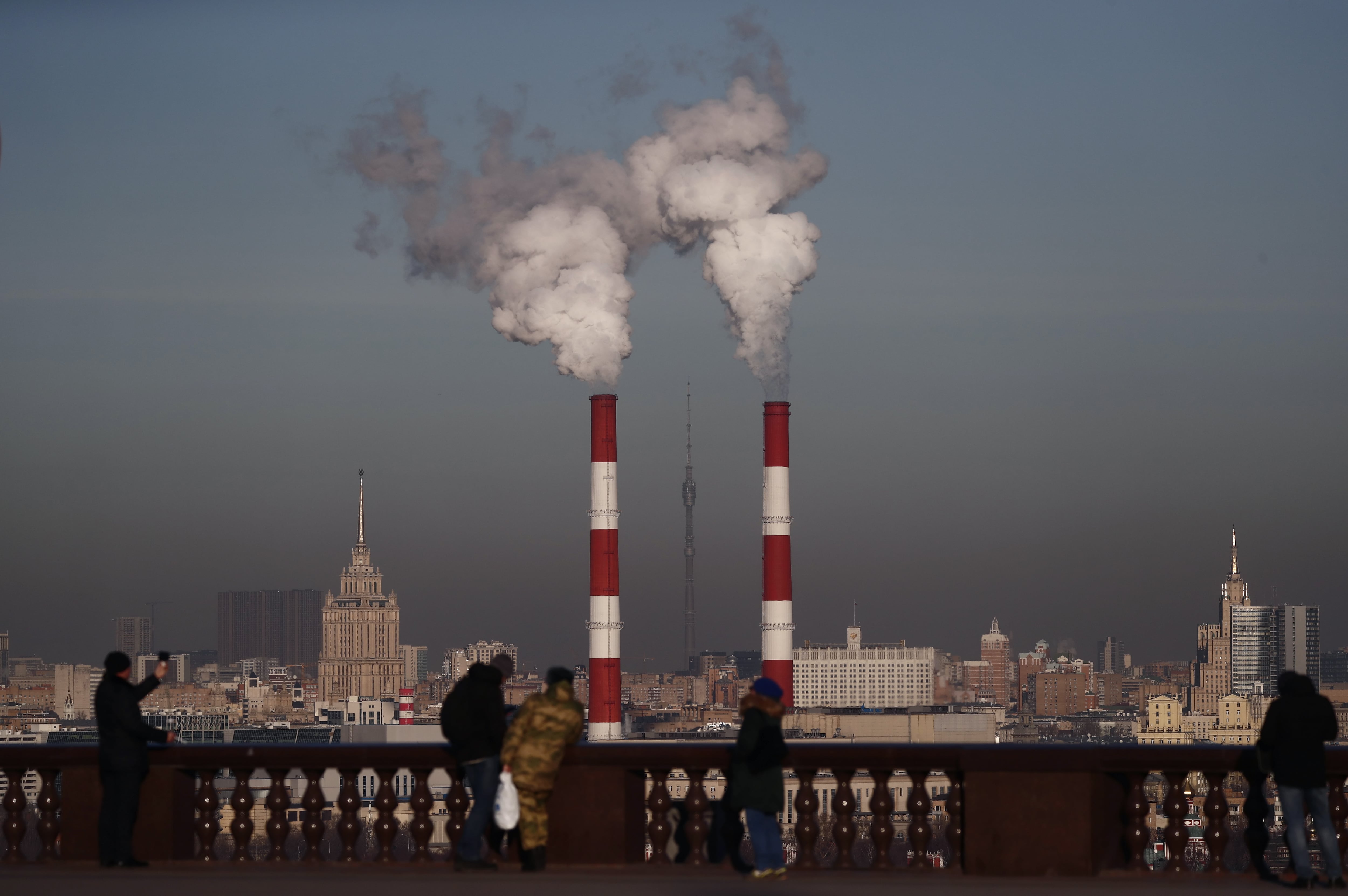
The 2010s amounted to "a decade lost" for slowing climate change, as nations around the world failed to substantially rein-in the heat-trapping emissions generated by power plants, factories, cars and trucks, and other sources that burn fossil fuels, a United Nations report said Tuesday.
The Earth's average temperature is now on track to soar by close to 4 degrees Celsius – or 7.2 degrees Fahrenheit – by the end of the century compared to pre-industrial levels. Scientists have broadly concluded that the planet needs to keep warming to within 2 degrees Celsius, or 3.6 degrees Fahrenheit, to avoid the most catastrophic impacts of climate change.
Rapid rates of warming, meanwhile, are already essentially locked-in: Even ambitious new efforts to slash carbon emissions, as represented in nations' commitments under the 2015 Paris climate accord, will still produce 2.9 to 3.4 degrees of warming.
The report, from the UN's World Meteorological Organization, renewed calls for yet more urgent action to drastically reduce emissions around the world.
"There is no sign of a slowdown, let alone a decline, in greenhouse gases concentration in the atmosphere despite all the commitments under the Paris Agreement on Climate Change," WMO Secretary-General Petteri Taalas said in a statement. "We need to translate the commitments into action and increase the level of ambition for the sake of the future welfare of mankind."
Despite rapid growth in renewable energy sources such as wind and solar, sharp declines in coal-fired power generation in developed nations, and recent high-profile investments in electric vehicles and EV charging infrastructure, global emissions are next expected to peak by the end of the next decade.
"The effects of climate policies have been too small to offset the impact of key drivers of emissions such as economic growth and population growth," the report said, characterizing the finding as a "rather bleak fact."
Already, the amount of carbon dioxide in the atmosphere is comparable to 3-5 million years ago, when temperatures were roughly 2-3 degrees warmer and sea levels were 30-60 feet higher, the WMO said.
"In this critical period, the world must deliver concrete, stepped-up action on emissions," Inger Andersen, executive director of the UN Environment Programme said in a statement. "We face a stark choice: set in motion the radical transformations we need now, or face the consequences of a planet radically altered by climate change."
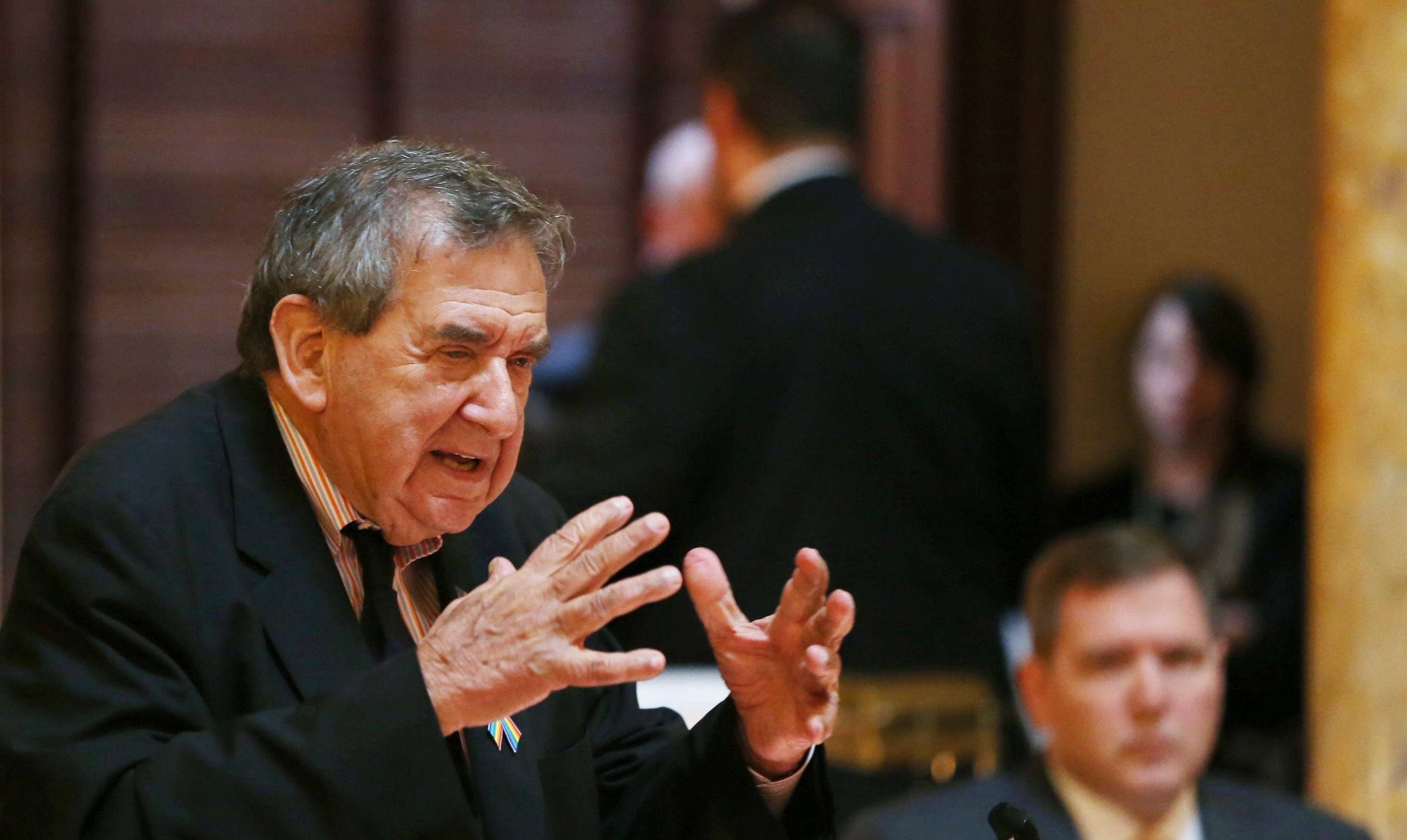
A bill to legalize recreational marijuana use in New Jersey passed a panel vote, and now heads to a full vote and governor's desk. State Sen. Gerald Cardinale of New Jersey, explains why he's against it when it comes to traffic accidents and youth usage in this week's episode of Cannabiz.
Since a Supreme Court ruling in May, seven states have legalized sports betting ー and Adam Small, the CEO of gambling magazine USBets thinks Ohio, Virginia, Kentucky, and Louisiana may be next.
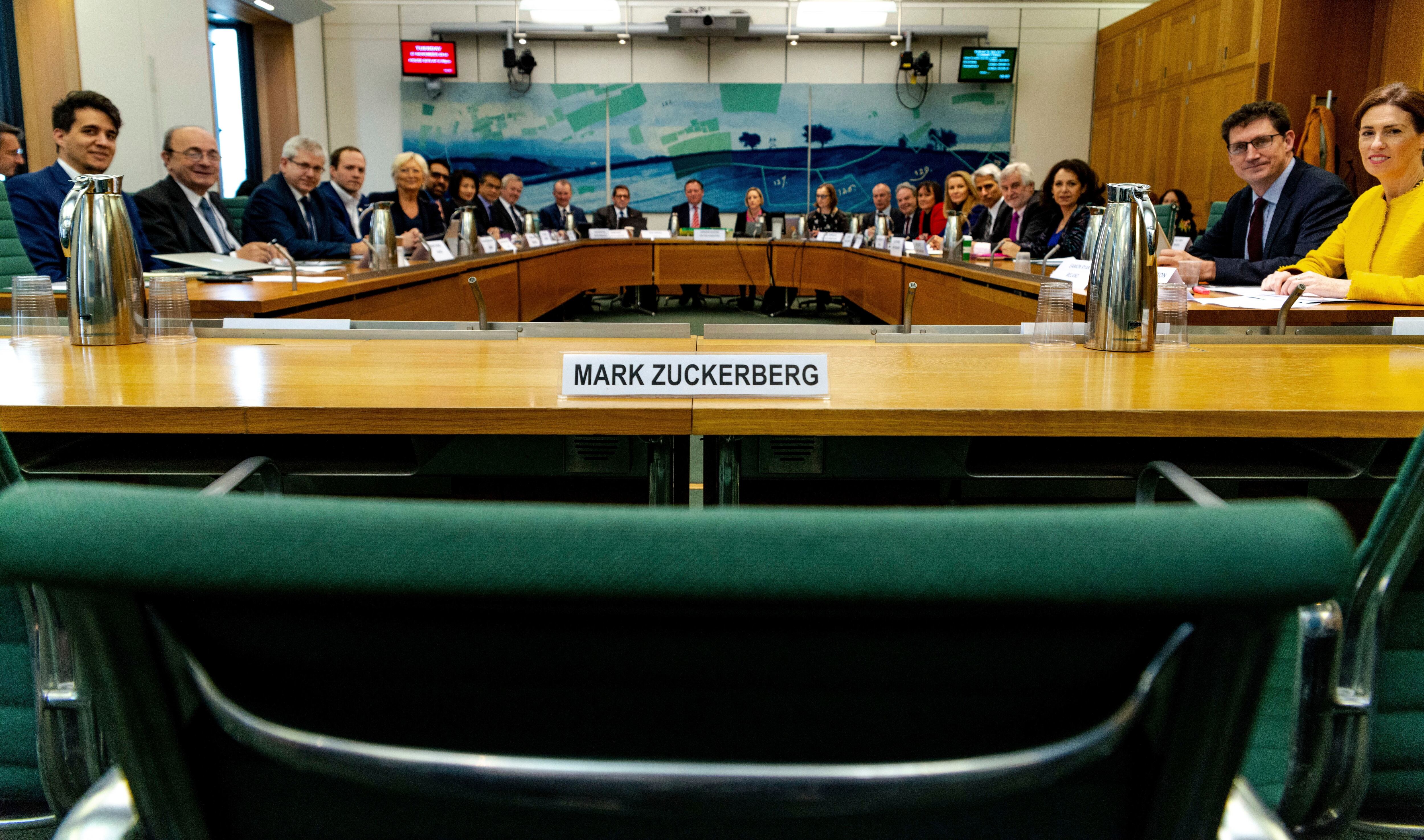
Richard Allan, Facebook's vice president of public policy for Europe, the Middle East and Africa, answered inquiries from representatives of nine countries, sitting next to an empty chair left open for Zuckerberg. Early on, Allan, who is a former member of the British Parliament, admitted that the chief executive's absence was "not great."
These are the headlines you Need 2 Know for Tuesday, Nov. 27, 2018.
British Prime Minister Theresa May finally garnered European Union support for her Brexit plan, but unrest at home threatens to dismantle negotiations ー and lawmakers have warned there is no plan B. "The worst case scenario for many, particularly for anyone who is a 'Remainer,' is that we leave the EU without a deal in place at all," Ayesha Javed, Deputy Editor of The Wall Street Journal's WSJ City, told Cheddar on Monday.
Former wide receiver Walter Powell Jr. played for three NFL teams over a span of four years. But now, a year into his retirement, he's decided to tackle a new challenge ー creating a more informed electorate. The athlete created a new an app, Politiscope, to educate political newcomers like Powell with a tool that "broke down politics so people like me could understand it," he told Cheddar Monday.
Just days after releasing a chilling report on climate change, the Trump administration is trying to bury its own findings. The White House released a statement trying to diminish the severity of the report's findings, saying the report is based on the most extreme possible scenario. Andrew Light, Distinguished Senior Fellow at the World Resources Institute and one of the report's co-authors, and Matt Daily, Reporter at Politico, join Cheddar to discuss the details surrounding the report.
Ohio officials will allow businesses to pay taxes in Bitcoin as of this week. While limited in scope, the move represents an important tacit admission by a government body that Bitcoin is an acceptable currency, according to Jimmy Song, a Bitcoin developer.
These are the headlines you Need 2 Know for Monday, Nov. 26, 2018.
From Wall Street to Silicon Valley, these are the top stories that moved markets and had investors, business leaders, and entrepreneurs talking this week on Cheddar.