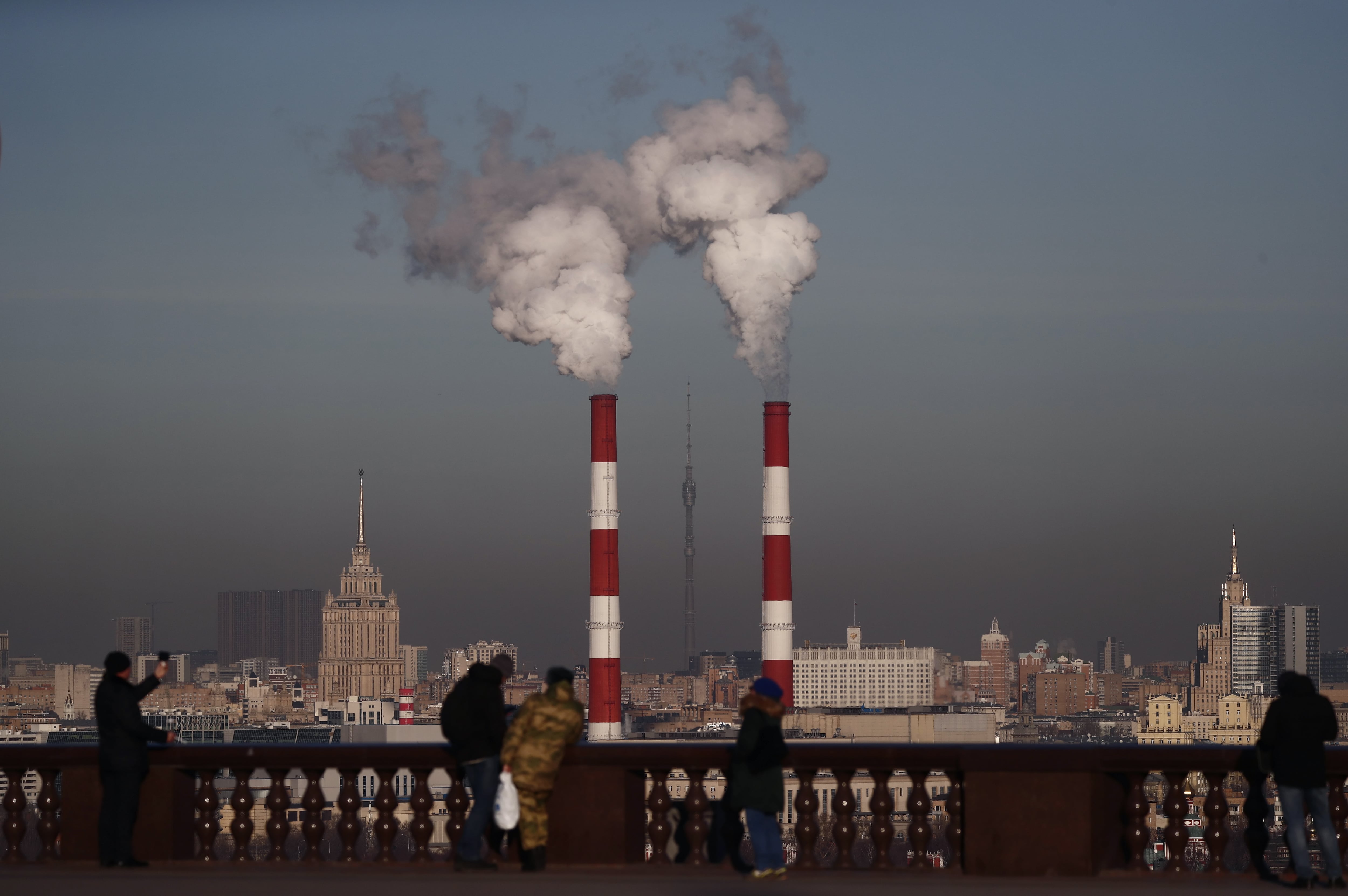
The 2010s amounted to "a decade lost" for slowing climate change, as nations around the world failed to substantially rein-in the heat-trapping emissions generated by power plants, factories, cars and trucks, and other sources that burn fossil fuels, a United Nations report said Tuesday.
The Earth's average temperature is now on track to soar by close to 4 degrees Celsius – or 7.2 degrees Fahrenheit – by the end of the century compared to pre-industrial levels. Scientists have broadly concluded that the planet needs to keep warming to within 2 degrees Celsius, or 3.6 degrees Fahrenheit, to avoid the most catastrophic impacts of climate change.
Rapid rates of warming, meanwhile, are already essentially locked-in: Even ambitious new efforts to slash carbon emissions, as represented in nations' commitments under the 2015 Paris climate accord, will still produce 2.9 to 3.4 degrees of warming.
The report, from the UN's World Meteorological Organization, renewed calls for yet more urgent action to drastically reduce emissions around the world.
"There is no sign of a slowdown, let alone a decline, in greenhouse gases concentration in the atmosphere despite all the commitments under the Paris Agreement on Climate Change," WMO Secretary-General Petteri Taalas said in a statement. "We need to translate the commitments into action and increase the level of ambition for the sake of the future welfare of mankind."
Despite rapid growth in renewable energy sources such as wind and solar, sharp declines in coal-fired power generation in developed nations, and recent high-profile investments in electric vehicles and EV charging infrastructure, global emissions are next expected to peak by the end of the next decade.
"The effects of climate policies have been too small to offset the impact of key drivers of emissions such as economic growth and population growth," the report said, characterizing the finding as a "rather bleak fact."
Already, the amount of carbon dioxide in the atmosphere is comparable to 3-5 million years ago, when temperatures were roughly 2-3 degrees warmer and sea levels were 30-60 feet higher, the WMO said.
"In this critical period, the world must deliver concrete, stepped-up action on emissions," Inger Andersen, executive director of the UN Environment Programme said in a statement. "We face a stark choice: set in motion the radical transformations we need now, or face the consequences of a planet radically altered by climate change."
Cryptocurrencies and digital assets are ideally left to the jurisdiction of the U.S. Commodity Futures Trading Commission, rather than the Securities and Exchange Commission, according to Congressman Darren Soto (D-Fla.). "Securities laws can be very intense and hurt the market unless it’s truly a security,” Soto told Cheddar Thursday.
These are the headlines you Need to Know for Thursday, Jan. 10, 2019.
Television psychologist Phil McGraw, better known as Dr. Phil, praised his "best friend" and colleague in entertainment Oprah Winfrey in an almost-endorsement for a presidential run on Wednesday when he joined Cheddar to discuss his new podcast, "Phil in the Blanks."
Apple is planning to slash production for its newer iPhone models by 10 percent this quarter, according to a report in the Nikkei. However, CEO Tim Cook continues to say that the iPhone XR is the best-selling phone in company history. Trade talks between China and the U.S. wrapped up Wednesday after an unscheduled third day of negotiations. Both sides expressed optimism over the progress made during these talks. Plus, Hope King sits down with Bridget Karlin, chief technology officer for IBM Global Technology Services, to talk about the future of blockchain and much more.
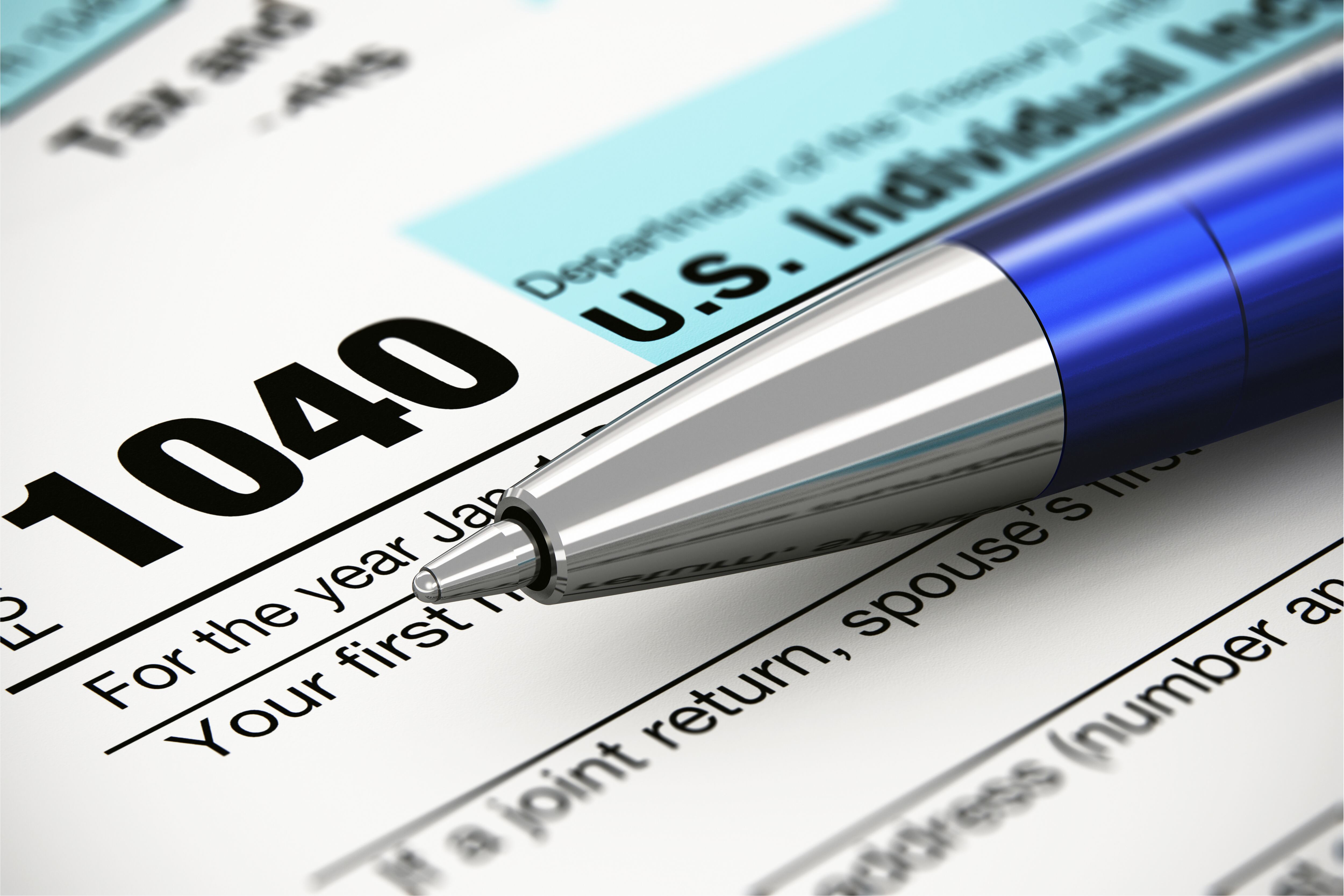
The Internal Revenue Service says it will process tax returns at the end of the month, even though the government is shut down. Scott Hodge, president of the Tax Foundation, talked to Cheddar about how the agency is moving forward.
These are the headlines you Need 2 Know for Wednesday, Jan. 9, 2019.
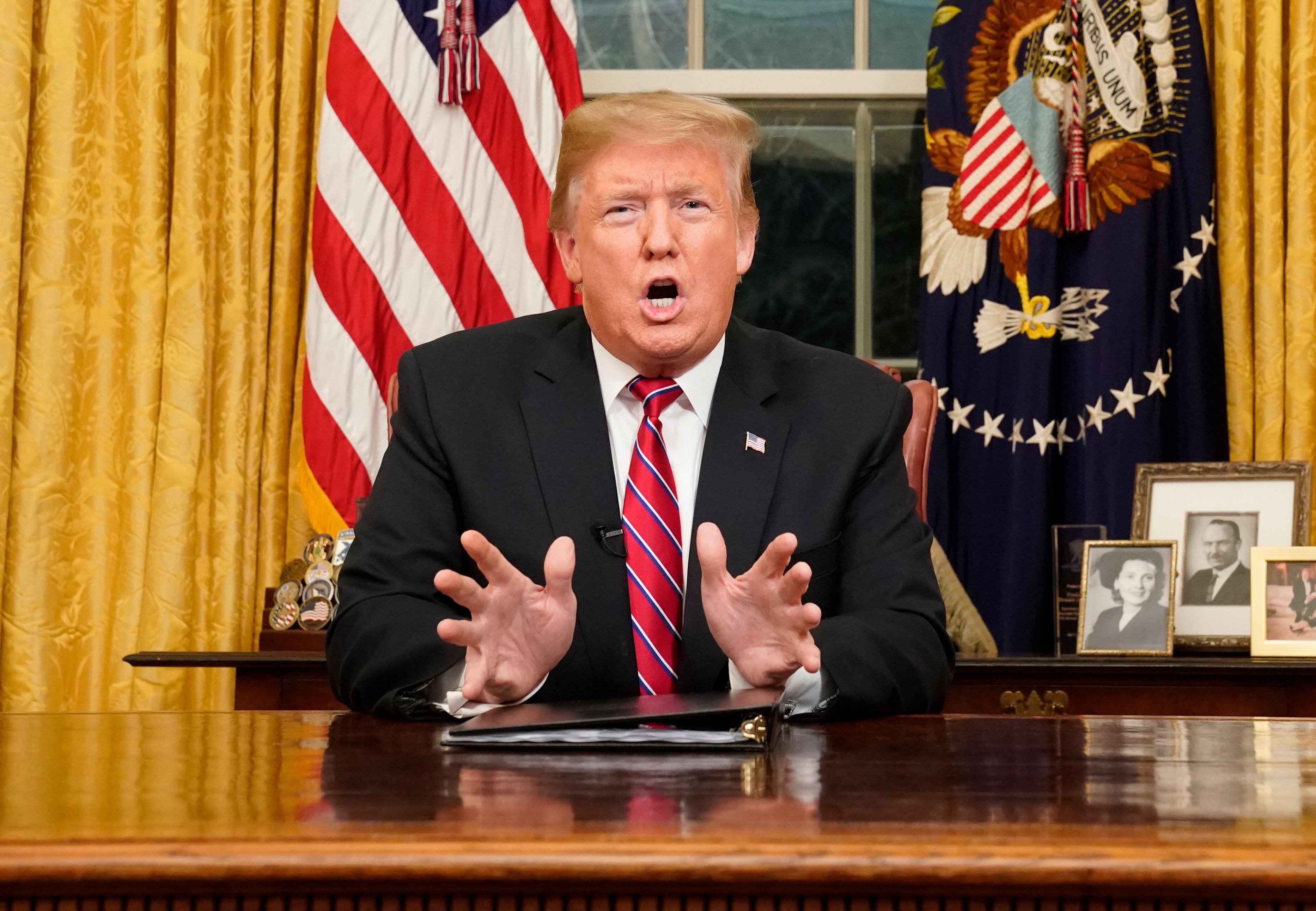
After a period of serious flip-flopping, major U.S. television networks have agreed to broadcast President Trump's Tuesday night Oval Office address on immigration to the nation, but according to Christine Emba of the Washington Post, the decision may not be sensical ー largely because it marks a significant departure.
As the partial government shutdown spans its 18th day, furloughed federal workers like Sam Shirazi who have been placed on unpaid leave are struggling with both an immediate financial reality and a more amorphous sense of uncertainty. "We don't know when it's going to end, and it doesn't seem like it's going to end anytime soon," Shirazi told Cheddar's J.D. Durkin on Tuesday.
These are the headlines you Need 2 Know for Tuesday, Jan. 8, 2018.
When freshman Democratic Rep. Alexandria Ocasio-Cortez floated the idea to Anderson Cooper on "60 Minutes" Sunday that the very wealthy pay a marginal tax rate as high as 70 percent, it got pundits and politicians all worked up. What exactly was the newly-elected, self-proclaimed radical proposing?