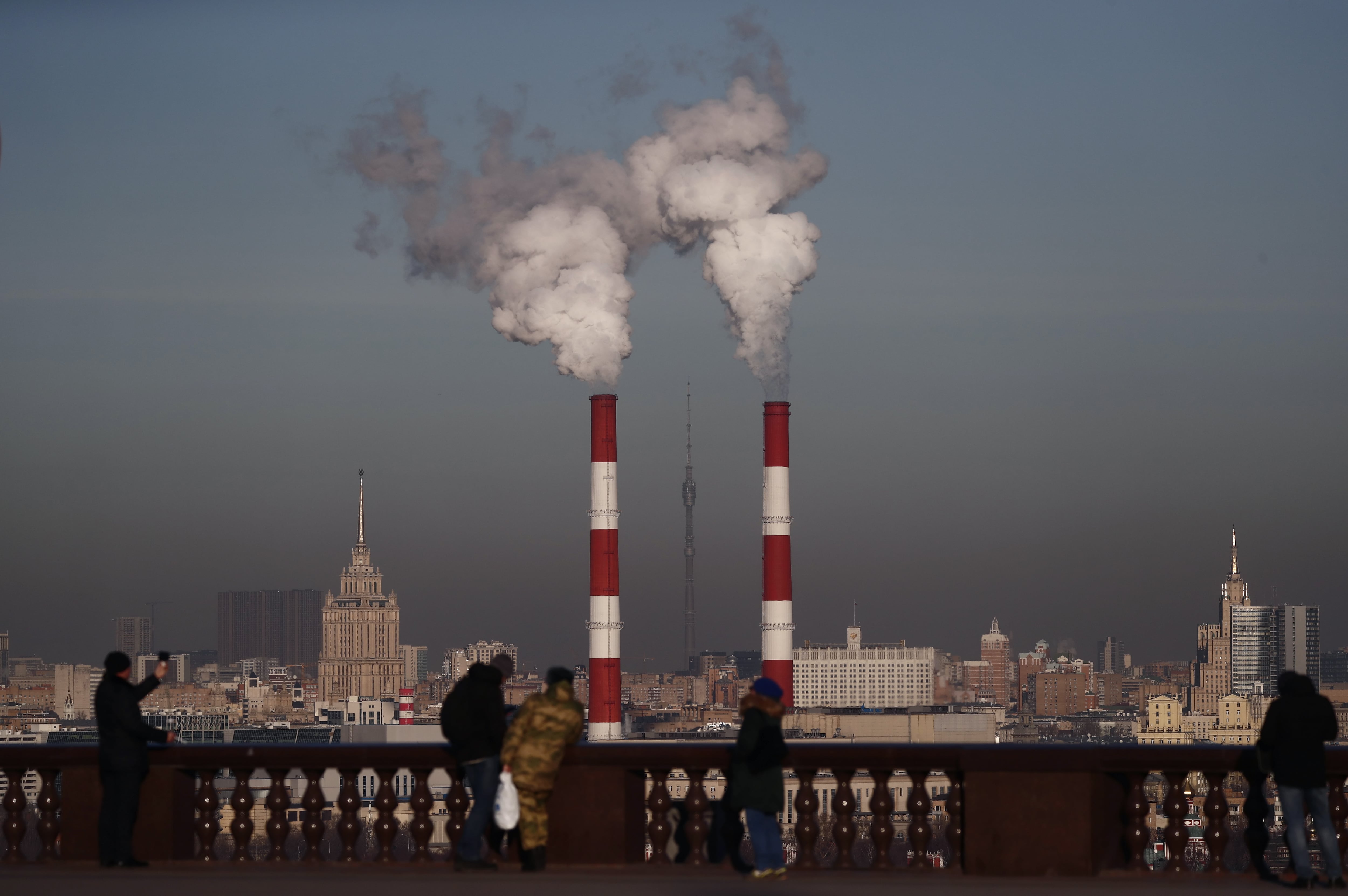
The 2010s amounted to "a decade lost" for slowing climate change, as nations around the world failed to substantially rein-in the heat-trapping emissions generated by power plants, factories, cars and trucks, and other sources that burn fossil fuels, a United Nations report said Tuesday.
The Earth's average temperature is now on track to soar by close to 4 degrees Celsius – or 7.2 degrees Fahrenheit – by the end of the century compared to pre-industrial levels. Scientists have broadly concluded that the planet needs to keep warming to within 2 degrees Celsius, or 3.6 degrees Fahrenheit, to avoid the most catastrophic impacts of climate change.
Rapid rates of warming, meanwhile, are already essentially locked-in: Even ambitious new efforts to slash carbon emissions, as represented in nations' commitments under the 2015 Paris climate accord, will still produce 2.9 to 3.4 degrees of warming.
The report, from the UN's World Meteorological Organization, renewed calls for yet more urgent action to drastically reduce emissions around the world.
"There is no sign of a slowdown, let alone a decline, in greenhouse gases concentration in the atmosphere despite all the commitments under the Paris Agreement on Climate Change," WMO Secretary-General Petteri Taalas said in a statement. "We need to translate the commitments into action and increase the level of ambition for the sake of the future welfare of mankind."
Despite rapid growth in renewable energy sources such as wind and solar, sharp declines in coal-fired power generation in developed nations, and recent high-profile investments in electric vehicles and EV charging infrastructure, global emissions are next expected to peak by the end of the next decade.
"The effects of climate policies have been too small to offset the impact of key drivers of emissions such as economic growth and population growth," the report said, characterizing the finding as a "rather bleak fact."
Already, the amount of carbon dioxide in the atmosphere is comparable to 3-5 million years ago, when temperatures were roughly 2-3 degrees warmer and sea levels were 30-60 feet higher, the WMO said.
"In this critical period, the world must deliver concrete, stepped-up action on emissions," Inger Andersen, executive director of the UN Environment Programme said in a statement. "We face a stark choice: set in motion the radical transformations we need now, or face the consequences of a planet radically altered by climate change."
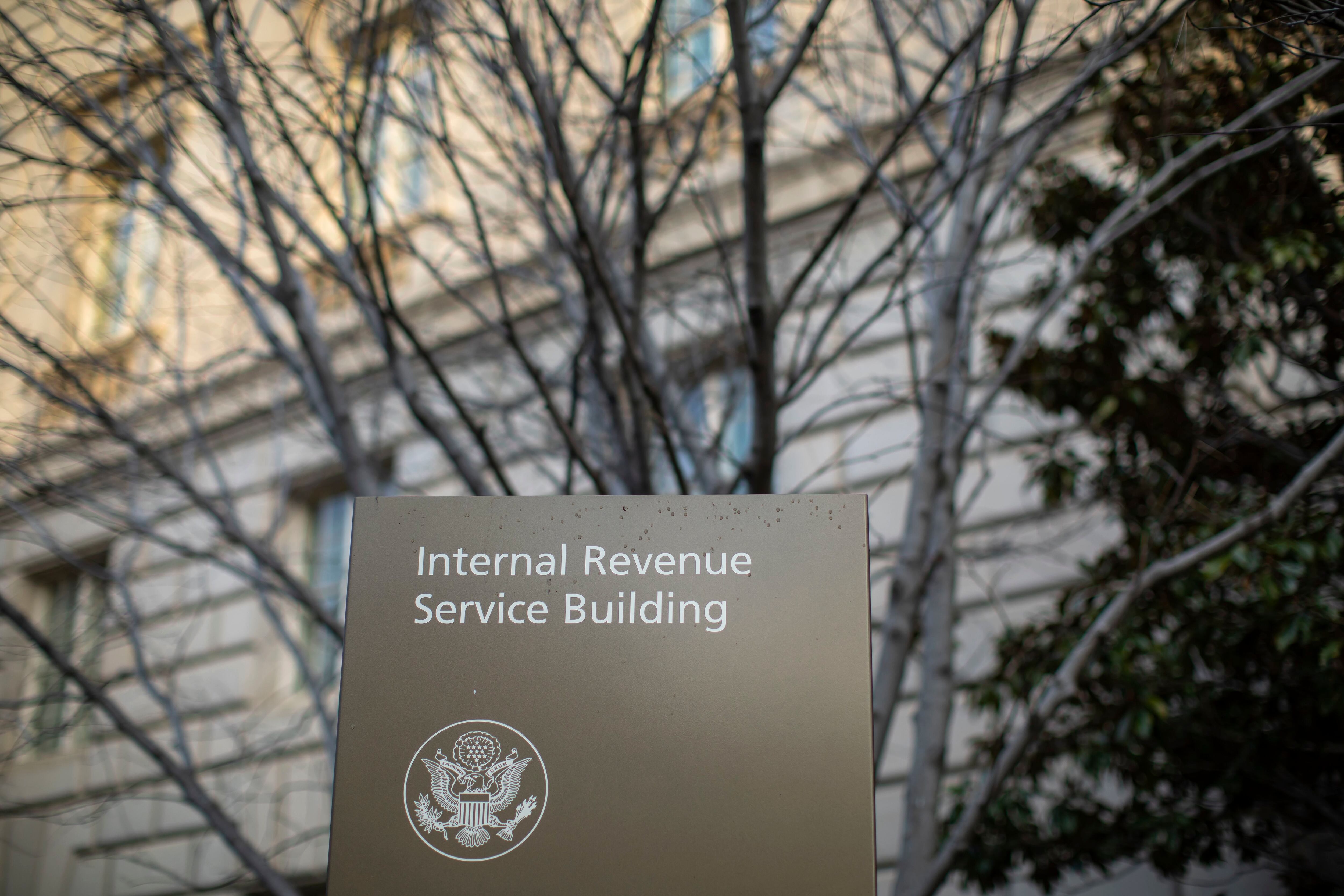
Tax filing season is officially upon us, just as the IRS returns to full strength following the five-week government shutdown. But tax filers should expect some turbulence along the way, said Nicole Kaeding, director of federal projects at the Tax Foundation, a tax policy think tank.
These are the headlines you Need 2 Know for Monday, Jan. 28, 2019.
From Wall Street to Silicon Valley, these are the top stories that moved markets and had investors, business leaders, and entrepreneurs talking this week on Cheddar.
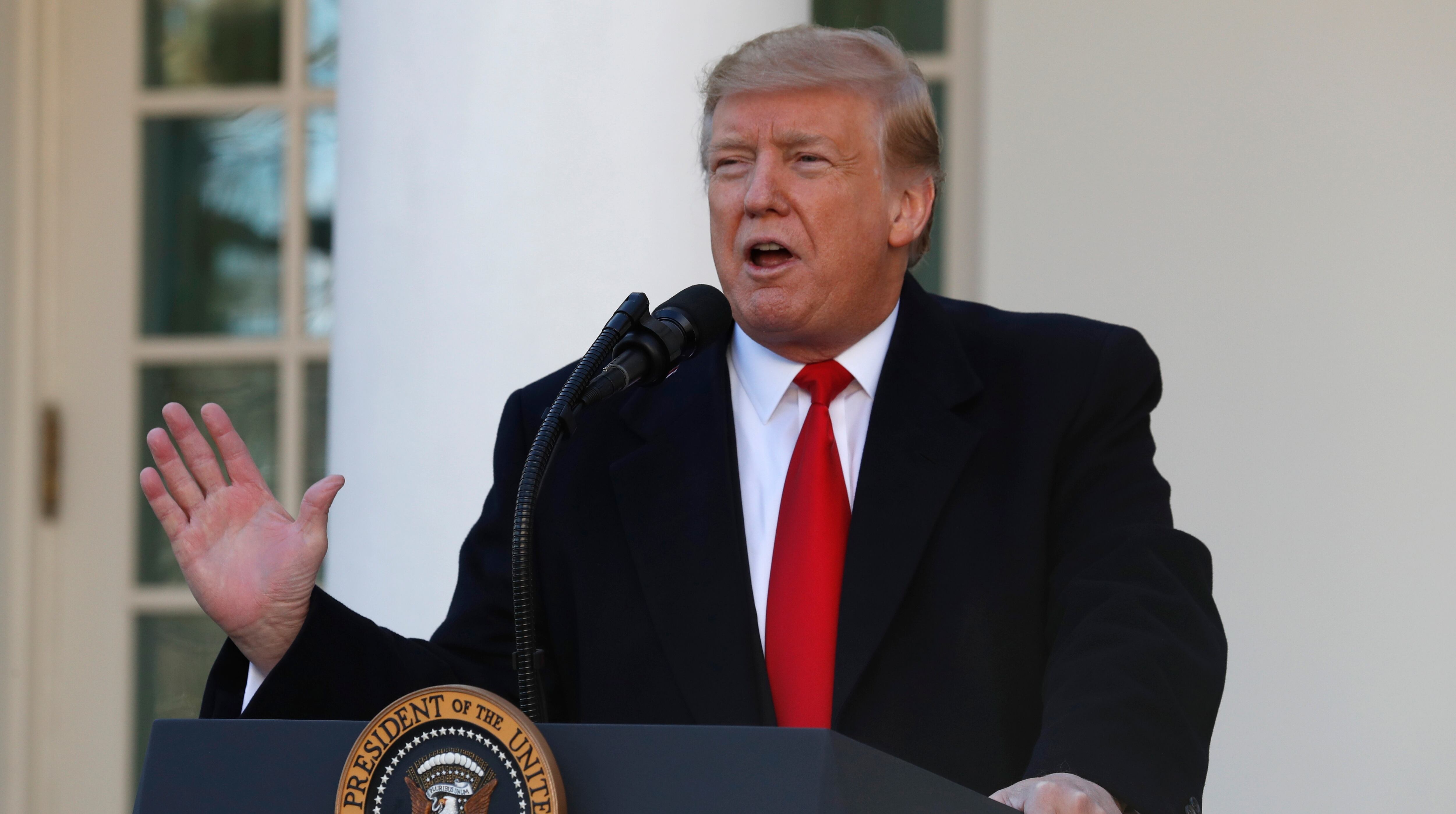
President Trump announced on Friday that he reached a tentative deal with Democrats to reopen the government temporarily while the two sides continue to negotiate on border security. The continuing resolution would fund the government at current levels for three weeks, until Feb. 15. While Trump framed the deal as a victory, he was essentially agreeing to the same proposal that was offered by Democrats before the shutdown, which he had rejected.
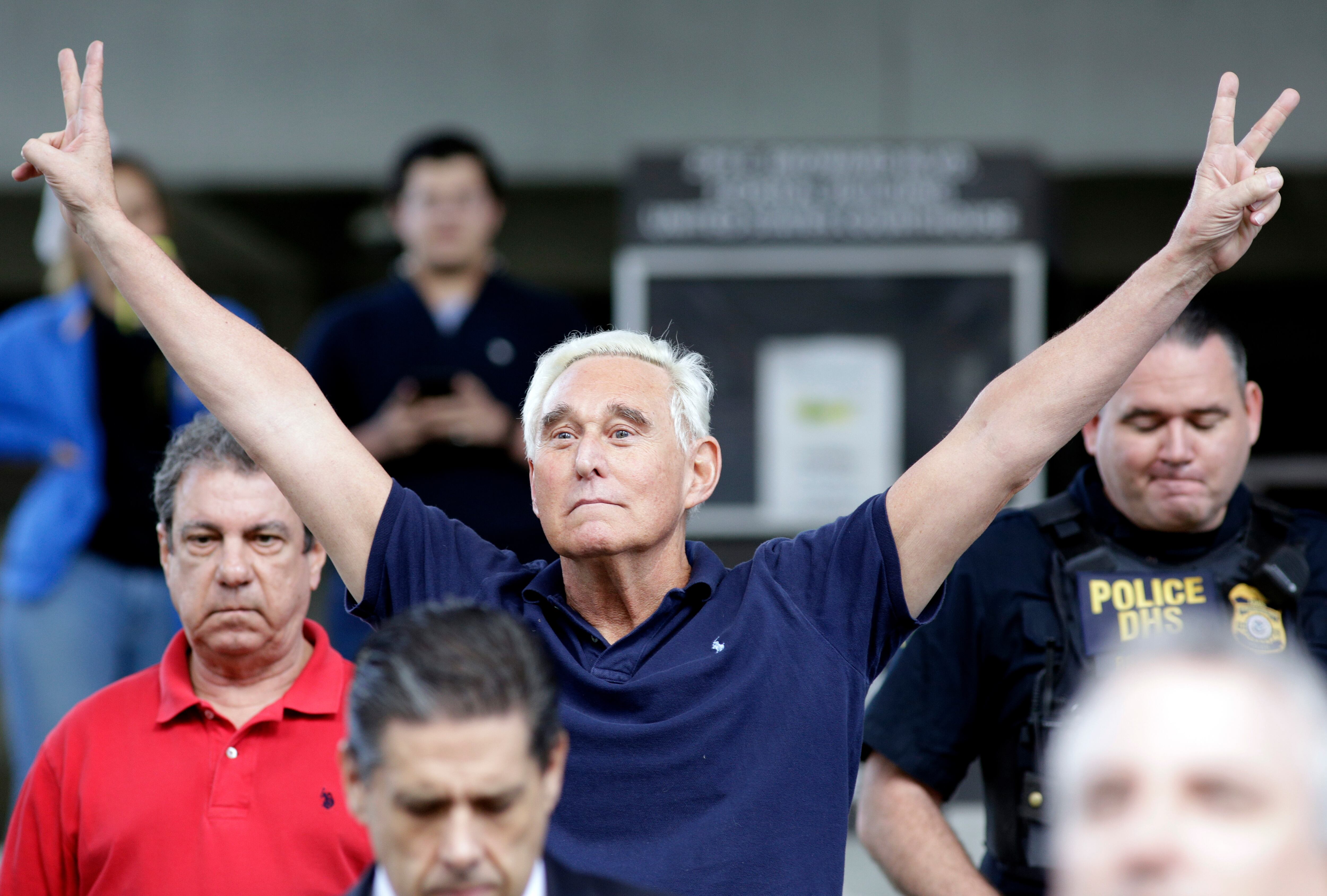
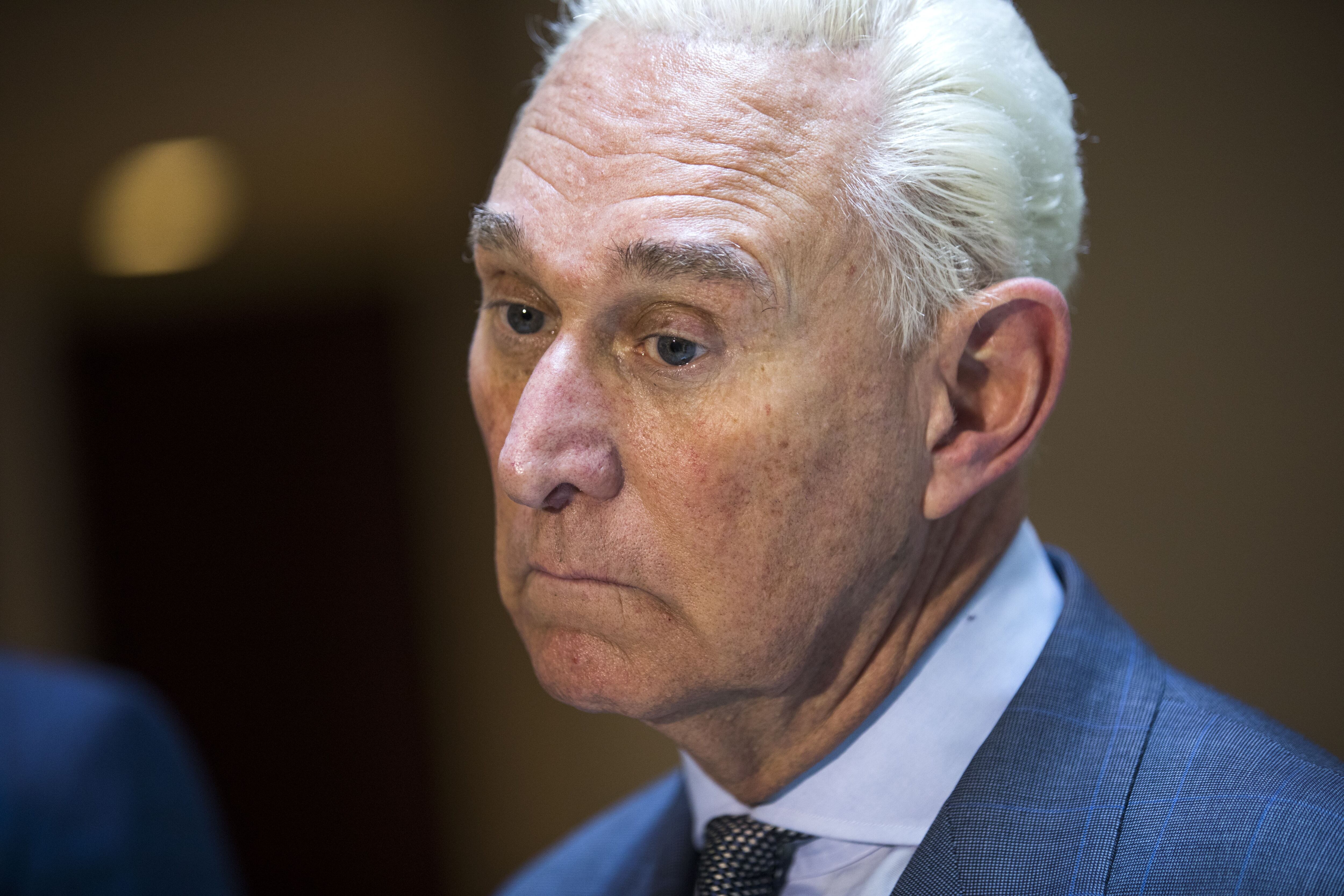
President Trump's longtime ally Roger Stone was arrested Friday in connection with Robert Mueller's Russia probe. The FAA reported delays at several major airports across the U.S. because of an increase in employees taking sick leave at air traffic control centers. And Lois Backon, head of Corporate Partner Marketing for JPMorgan Chase, tells Cheddar how the bank partners with celebrities to share their financial planning tips.
Early Friday morning, FBI agents in riot gear arrested Roger Stone, a longtime Trump adviser, at his Florida home. He was charged with five counts of making false statements, one count of witness tampering and one count of obstruction, related to Special Counsel Robert Mueller's investigation into Russian meddling in the election.
These are the headlines you Need 2 Know for Friday, Jan. 25, 2019.
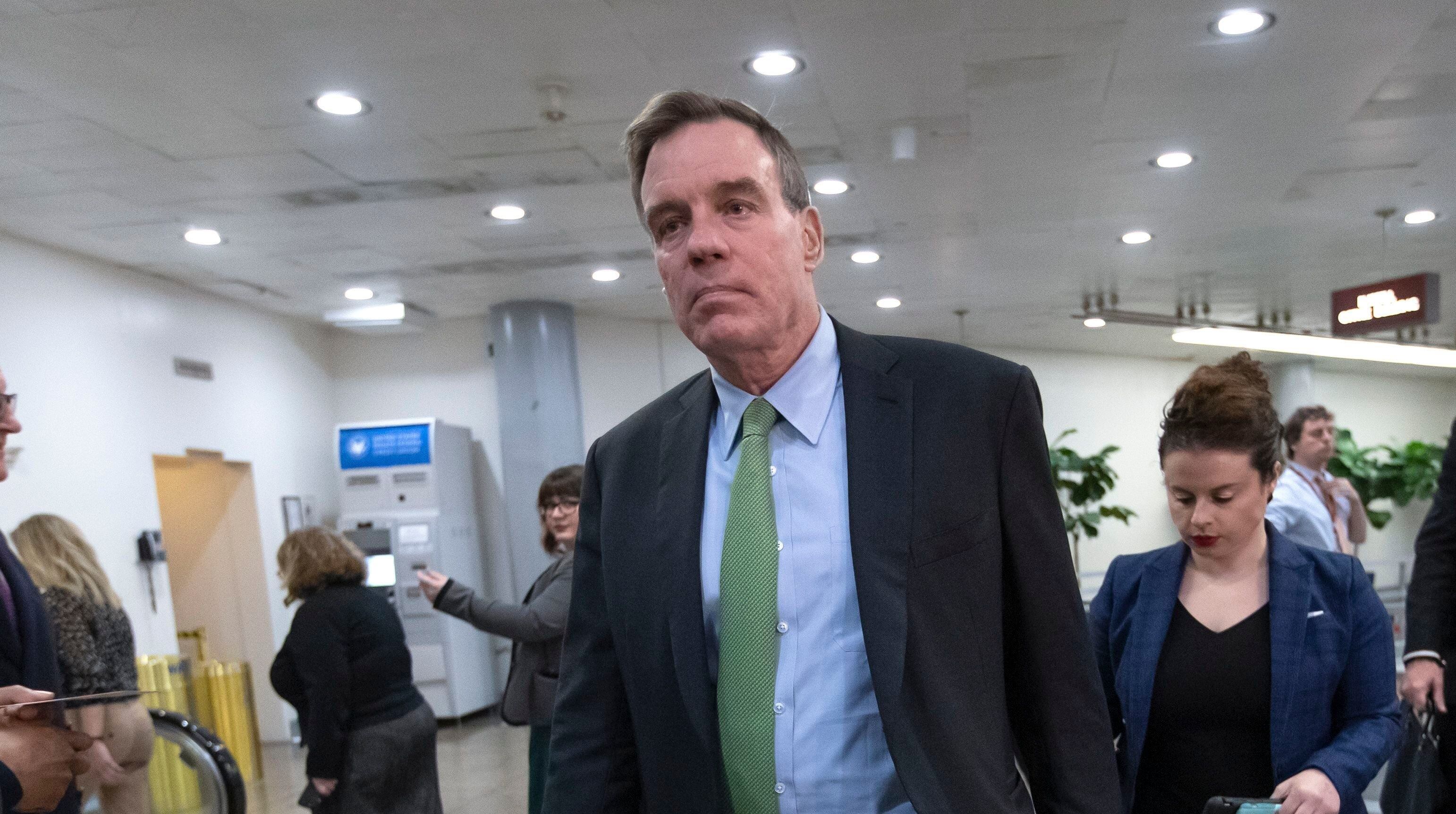
As the partial government shutdown enters its sixth week, it's up to moderates on both sides of the aisle to compromise on a solution to reopen the government, even if it means giving President Trump a partial victory on border funds, Sen. Mark Warner (D-Va.) told Cheddar. "Let me be clear, I'm willing to support more border security," the Virginia Democrat told Cheddar's J.D. Durkin on Wednesday. "But we ought to do it without these lives being held in hostage. Let's get the government open, even if it's for a few weeks, to let us negotiate."
It was an urgent warning from a group of professionals not known for a proclivity to scare the public. "In our risk averse industry, we cannot even calculate the level of risk currently at play, nor predict the point at which the entire system will break. It is unprecedented," the statement read in part. It was issued jointly on Wednesday, from the unions representing America's air-traffic controllers, pilots, and flight attendants.
These are the headlines you Need 2 Know for Thursday, Jan. 24, 2019.