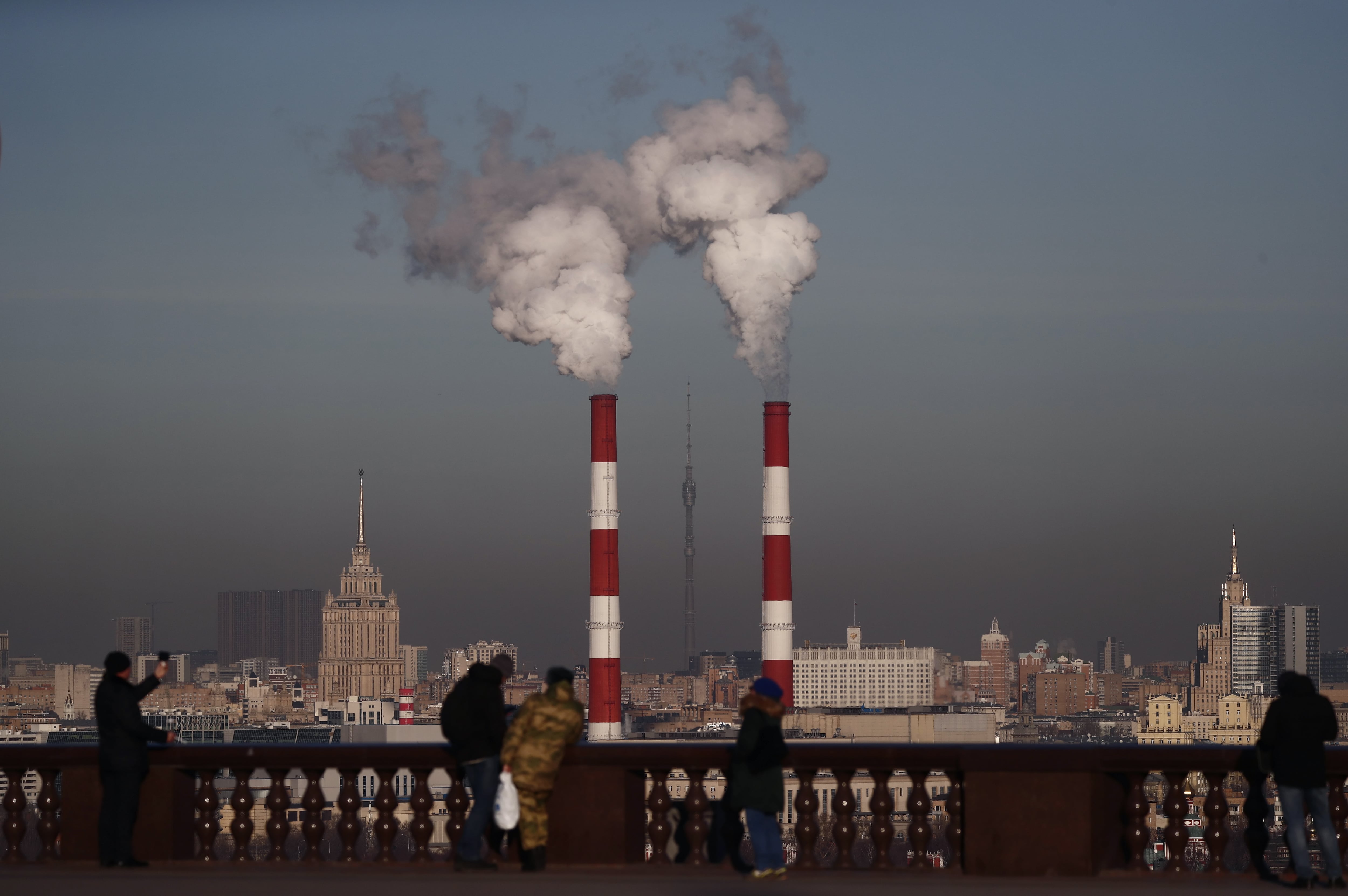
The 2010s amounted to "a decade lost" for slowing climate change, as nations around the world failed to substantially rein-in the heat-trapping emissions generated by power plants, factories, cars and trucks, and other sources that burn fossil fuels, a United Nations report said Tuesday.
The Earth's average temperature is now on track to soar by close to 4 degrees Celsius – or 7.2 degrees Fahrenheit – by the end of the century compared to pre-industrial levels. Scientists have broadly concluded that the planet needs to keep warming to within 2 degrees Celsius, or 3.6 degrees Fahrenheit, to avoid the most catastrophic impacts of climate change.
Rapid rates of warming, meanwhile, are already essentially locked-in: Even ambitious new efforts to slash carbon emissions, as represented in nations' commitments under the 2015 Paris climate accord, will still produce 2.9 to 3.4 degrees of warming.
The report, from the UN's World Meteorological Organization, renewed calls for yet more urgent action to drastically reduce emissions around the world.
"There is no sign of a slowdown, let alone a decline, in greenhouse gases concentration in the atmosphere despite all the commitments under the Paris Agreement on Climate Change," WMO Secretary-General Petteri Taalas said in a statement. "We need to translate the commitments into action and increase the level of ambition for the sake of the future welfare of mankind."
Despite rapid growth in renewable energy sources such as wind and solar, sharp declines in coal-fired power generation in developed nations, and recent high-profile investments in electric vehicles and EV charging infrastructure, global emissions are next expected to peak by the end of the next decade.
"The effects of climate policies have been too small to offset the impact of key drivers of emissions such as economic growth and population growth," the report said, characterizing the finding as a "rather bleak fact."
Already, the amount of carbon dioxide in the atmosphere is comparable to 3-5 million years ago, when temperatures were roughly 2-3 degrees warmer and sea levels were 30-60 feet higher, the WMO said.
"In this critical period, the world must deliver concrete, stepped-up action on emissions," Inger Andersen, executive director of the UN Environment Programme said in a statement. "We face a stark choice: set in motion the radical transformations we need now, or face the consequences of a planet radically altered by climate change."
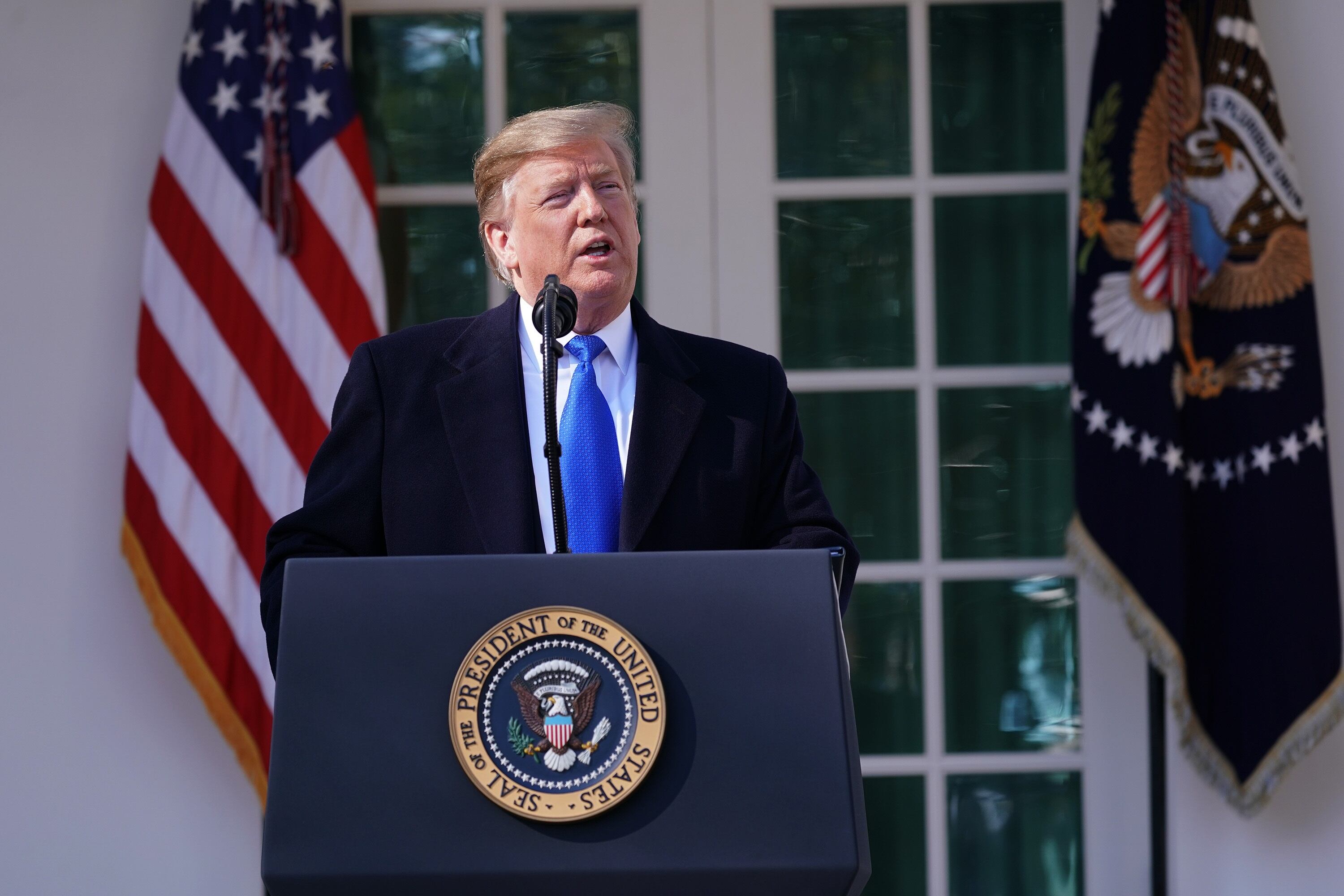
The National Emergencies Act of 1976 was passed in an attempt to regulate the president's ability to declare open-ended national emergencies. The point of the law, commentators said at the time, was to give Congress the power of oversight on matters of national urgency. It is perhaps ironic then that President Trump announced he will, under the provisions of that law, declare a national emergency as a way to circumvent Congress and build a border wall.
These are the headlines you Need 2 Know for Friday, Feb, 15, 2019.
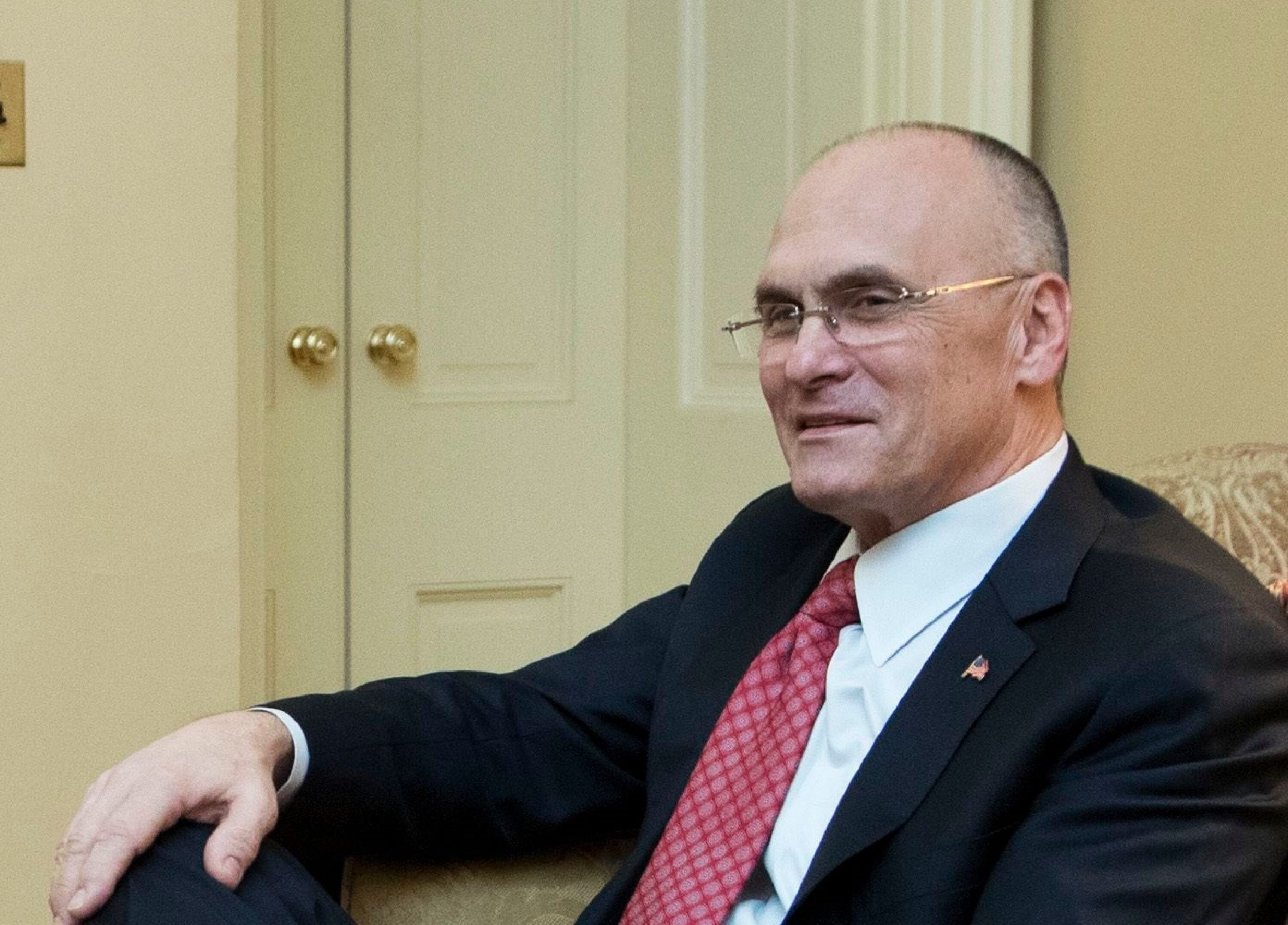
Amazon's decision to pull its new HQ2 out of New York City is very bad for the city ー and a sign that the home of Wall Street is falling victim to anti-business attitudes, according to former CKE Restaurants CEO Andy Puzder. "I think it's a hit to the New York economy. New York is a big city, it's a strong city, but it used to be the home to capitalism. Now it's coming under some of these socialist policies and it's going to lose companies like Amazon ($AMZN)," Puzder told Cheddar on Thursday.
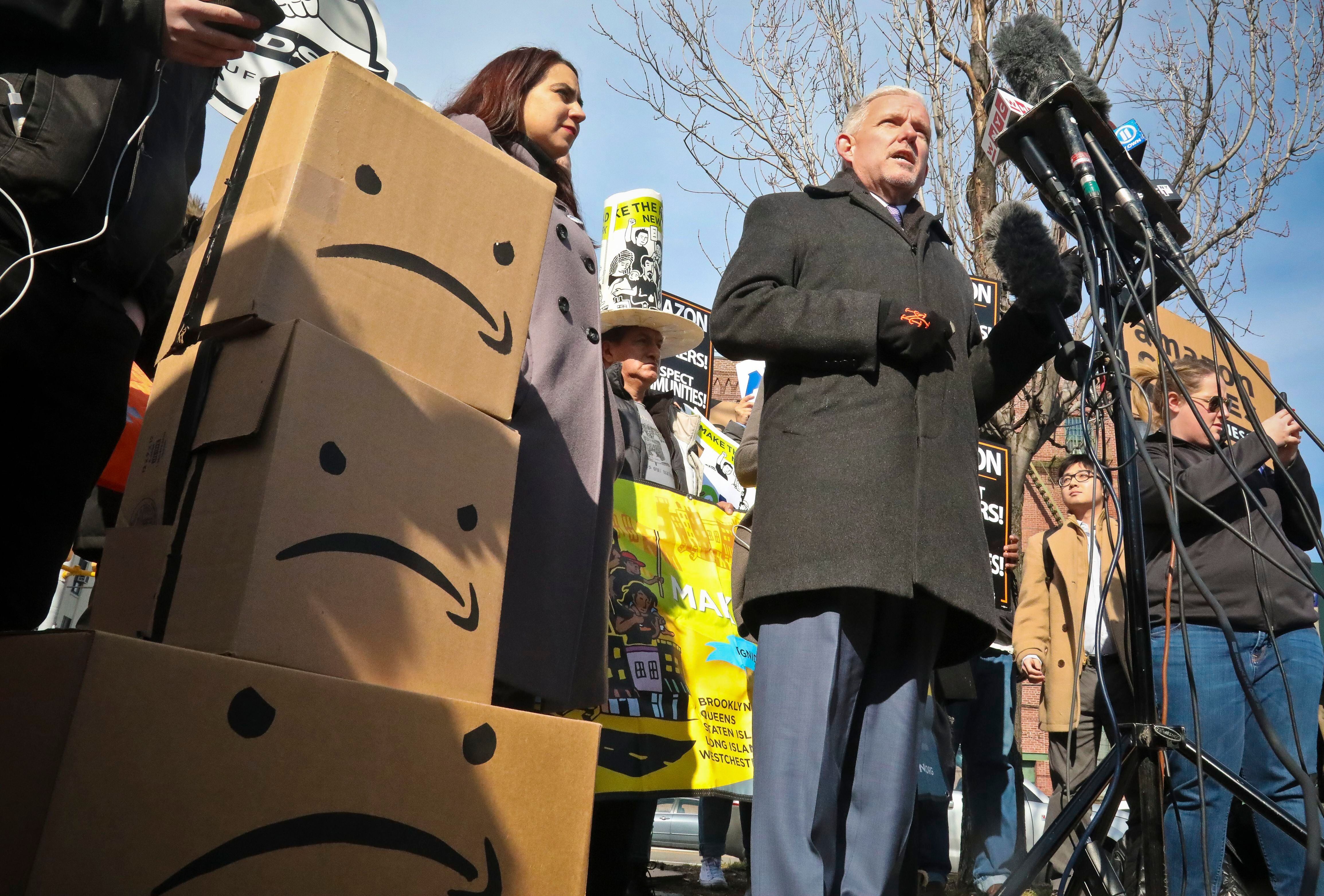
Amazon has backed out of its plan to build a second headquarters in Queens, New York. The abrupt decision shocked even those who opposed Amazon's planned expansion in Long Island City. Cheddar spoke with Jimmy Van Bramer, deputy leader of the New York City Council.
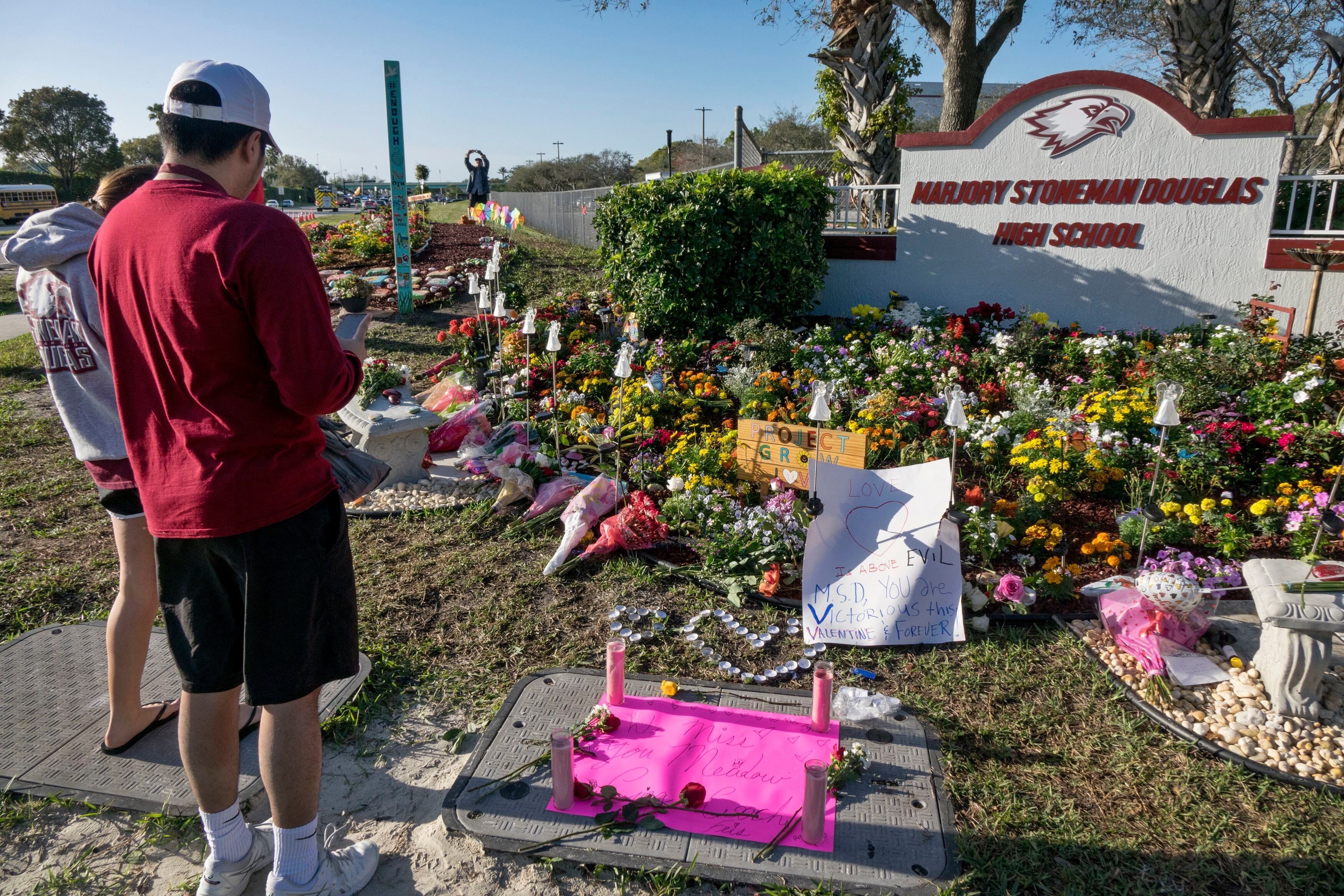
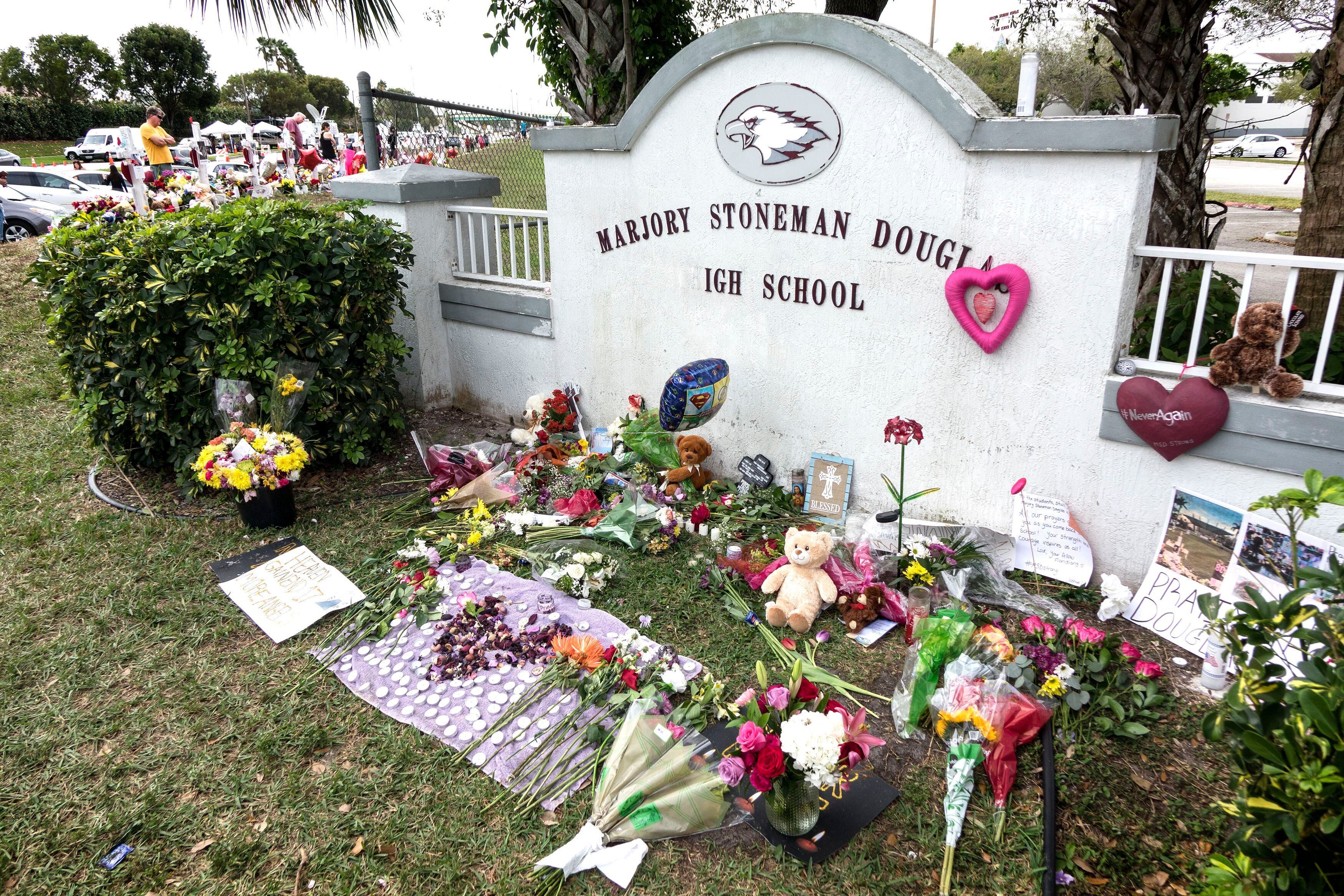
A day before the anniversary of the Parkland shooting, a massacre that re-framed the debate over gun control as a defining cause of Gen Z, Congress advanced its first piece of gun legislation in decades. Rep. Debbie Mucarsel-Powell, a newly elected Democrat from a Parkland-adjacent district who sits on that committee, discussed the victory with Cheddar.
These are the headlines you Need 2 Know for Thursday, Feb. 14, 2019.
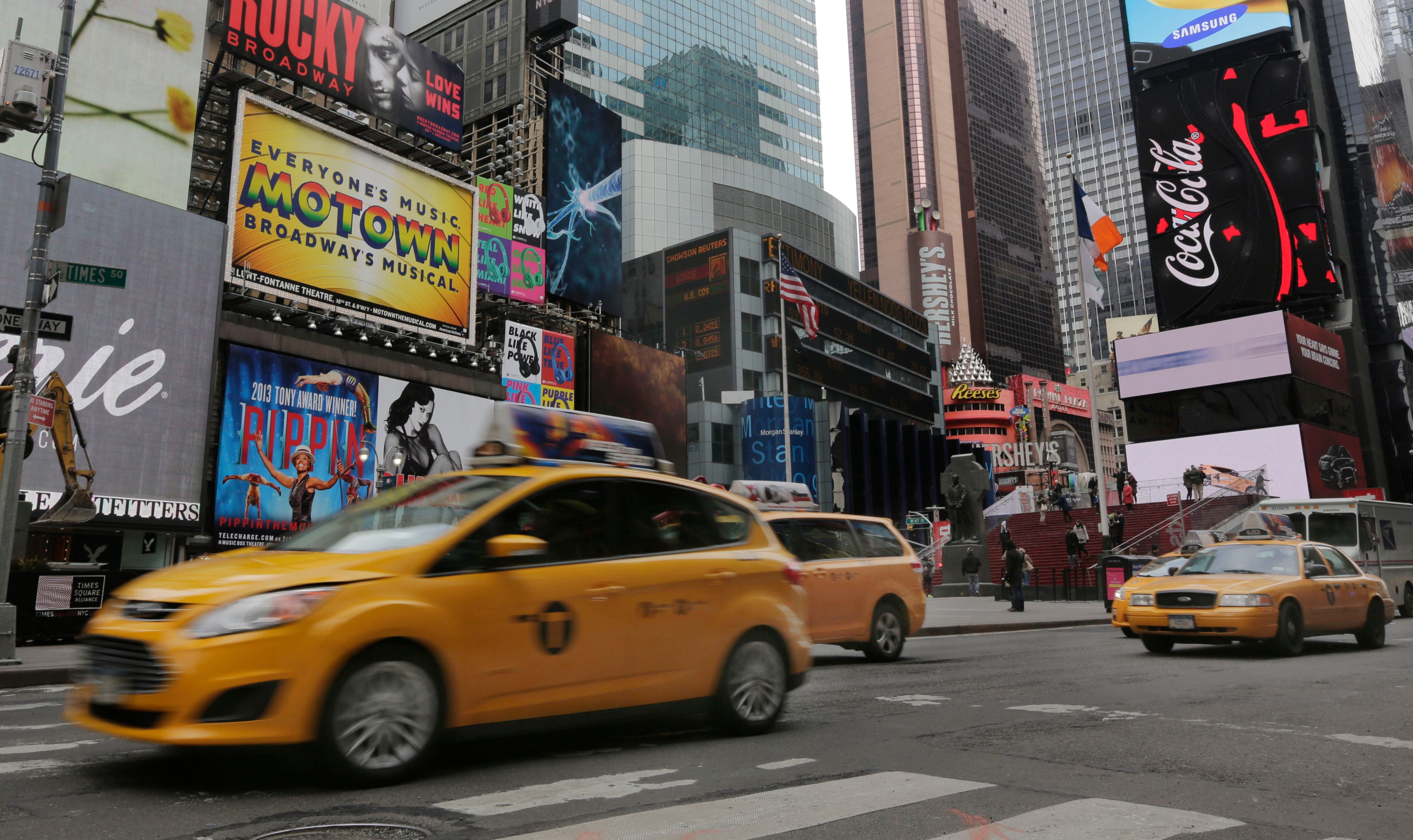
Catching a ride in New York just got more expensive, and passengers aren't the only ones complaining. "It's a problem for the drivers," Aleksey Medvedovskiy, the president of NYC Taxi Group, told Cheddar Wednesday. "It's a problem for the general public."
These are the headlines you Need 2 Know for Wednesday Feb. 13, 2019.
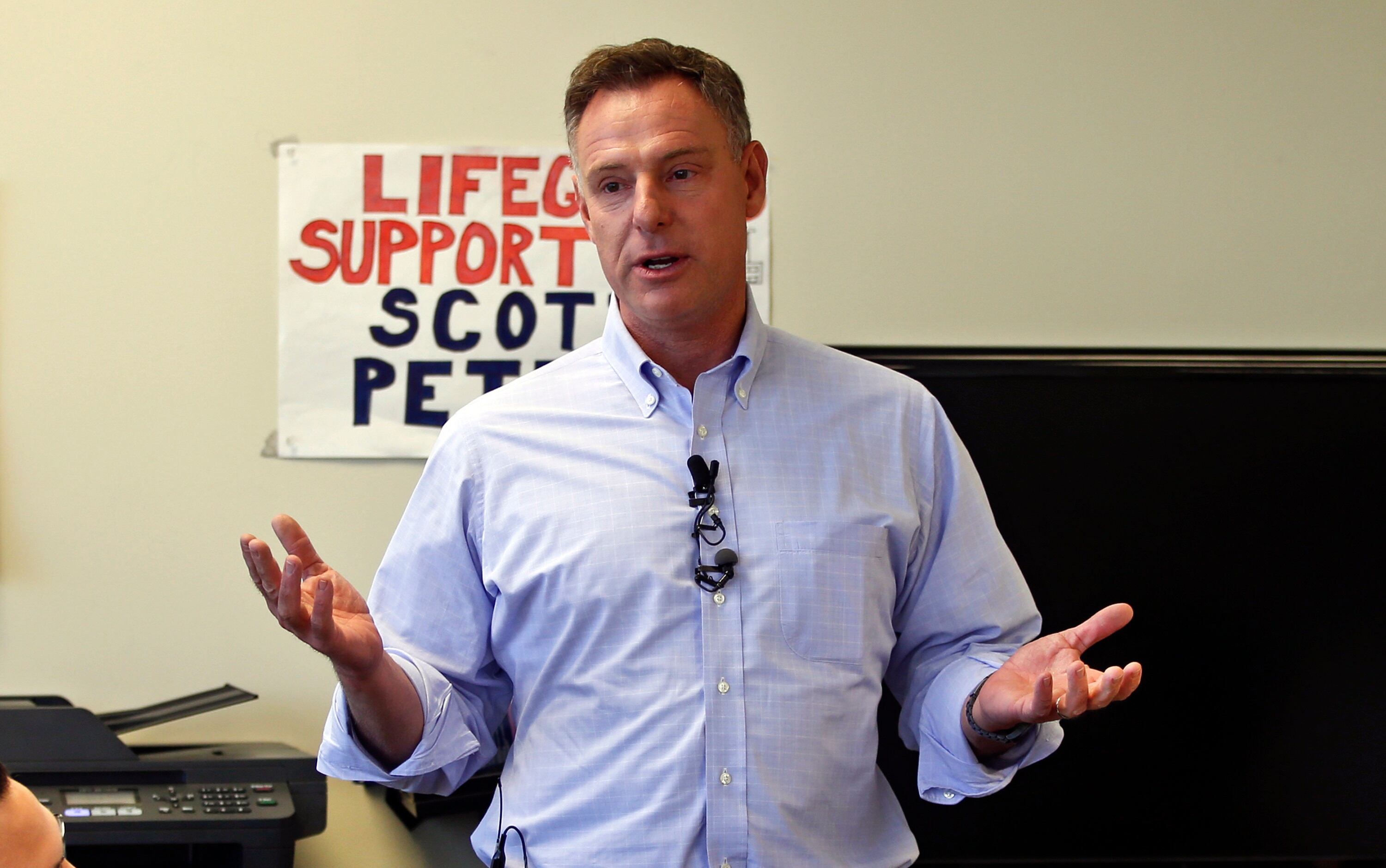
The daunting task of paying back astronomical student loans may soon be less taxing, California Congressman Scott Peters tells told Cheddar Tuesday. Rep. Peters (D-Calif.) has received 99 co-sponsors on his bipartisan Employer Participation in Repayment Act, which would allow employers to contribute to their employees' student loan payments, tax-free.
The shocking rise in teen vaping is a public health crisis that the FDA has been slow to address, according to a nationally recognized cardiologist. Dr. Kevin Campbell, who is also CEO of Pace Mate, a digital cardiac monitoring service, said the recent study from the CDC that linked vaping to a spike in teen tobacco use shows that more serious steps need to be take. The first step? Get rid of the flavored nicotine "pods," which Campbell said are acting as a gateway for teenage beginner vapers to get hooked on nicotine.