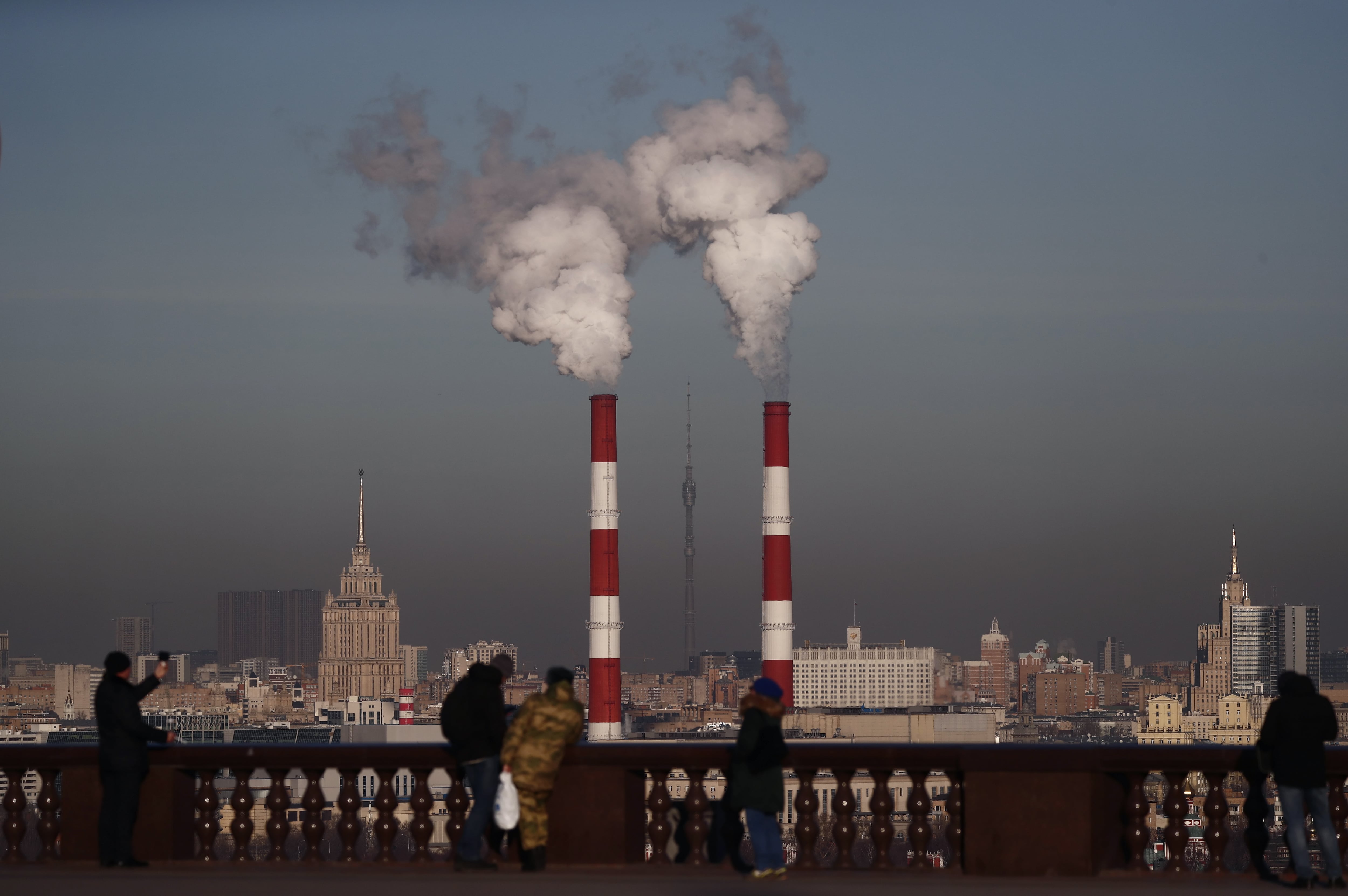
The 2010s amounted to "a decade lost" for slowing climate change, as nations around the world failed to substantially rein-in the heat-trapping emissions generated by power plants, factories, cars and trucks, and other sources that burn fossil fuels, a United Nations report said Tuesday.
The Earth's average temperature is now on track to soar by close to 4 degrees Celsius – or 7.2 degrees Fahrenheit – by the end of the century compared to pre-industrial levels. Scientists have broadly concluded that the planet needs to keep warming to within 2 degrees Celsius, or 3.6 degrees Fahrenheit, to avoid the most catastrophic impacts of climate change.
Rapid rates of warming, meanwhile, are already essentially locked-in: Even ambitious new efforts to slash carbon emissions, as represented in nations' commitments under the 2015 Paris climate accord, will still produce 2.9 to 3.4 degrees of warming.
The report, from the UN's World Meteorological Organization, renewed calls for yet more urgent action to drastically reduce emissions around the world.
"There is no sign of a slowdown, let alone a decline, in greenhouse gases concentration in the atmosphere despite all the commitments under the Paris Agreement on Climate Change," WMO Secretary-General Petteri Taalas said in a statement. "We need to translate the commitments into action and increase the level of ambition for the sake of the future welfare of mankind."
Despite rapid growth in renewable energy sources such as wind and solar, sharp declines in coal-fired power generation in developed nations, and recent high-profile investments in electric vehicles and EV charging infrastructure, global emissions are next expected to peak by the end of the next decade.
"The effects of climate policies have been too small to offset the impact of key drivers of emissions such as economic growth and population growth," the report said, characterizing the finding as a "rather bleak fact."
Already, the amount of carbon dioxide in the atmosphere is comparable to 3-5 million years ago, when temperatures were roughly 2-3 degrees warmer and sea levels were 30-60 feet higher, the WMO said.
"In this critical period, the world must deliver concrete, stepped-up action on emissions," Inger Andersen, executive director of the UN Environment Programme said in a statement. "We face a stark choice: set in motion the radical transformations we need now, or face the consequences of a planet radically altered by climate change."
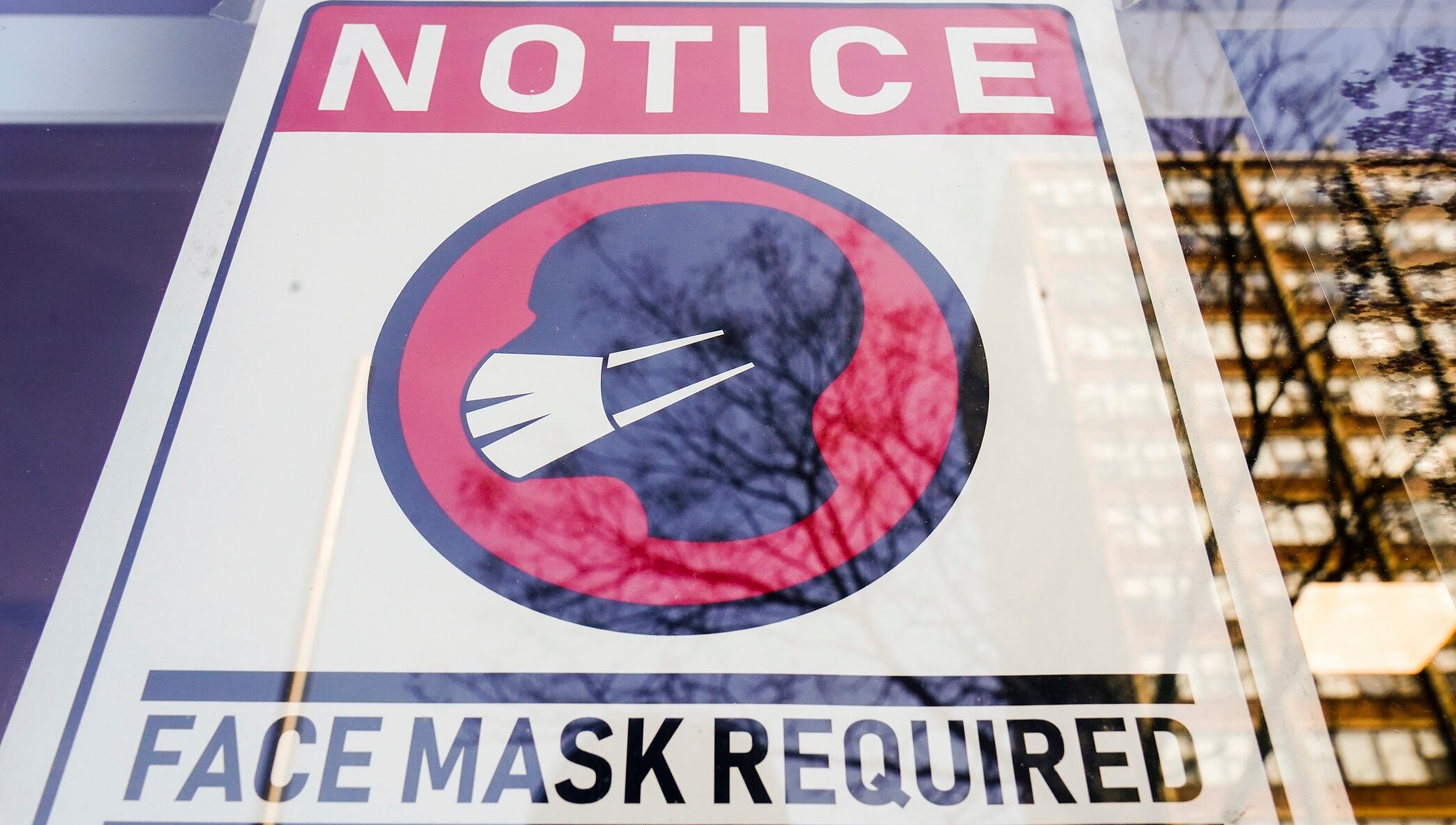
The Biden administration will significantly loosen federal mask-wearing guidelines to protect against COVID-19 transmission on Friday, according to two people familiar with the matter.
Russian President Vladimir Putin openly invaded the neighboring country of Ukraine on Thursday following weeks of overtures and discussions on keeping an incursion from happening. David Salvo, the deputy director for the Alliance for Securing Democracy, joined Cheddar to go into the Russian leader's motivations. "What I'm sure he understands is that his invasion of Ukraine in 2014 probably ended the discussion of Ukraine joining NATO, even if publicly we won't admit that, that's just the reality. And I'm sure that President Putin understands that," he said, noting that Putin could be using the taking of Ukraine territory as leverage to gain more security concessions from the West.
Following Russia's incursion into Ukraine, the U.S. is warning businesses and major banks to brace themselves for cyberattacks. Lester Munson, a senior fellow at the National Security Institute, joined Cheddar News to break down what this means for financial institutions “So we need to be concerned about not just intentional Russian hacks against American entities but also what Russia is doing in Ukraine. Those things can impact us as well," he said
After weeks of talks and posturing in hopes of staving off an attack, Russia invaded Ukraine on Thursday, an incident that has already impacted the global economy, including the U.S.. Jason McMann, head of geopolitical risk analysis for Morning Consult, joined Cheddar’s Closing Bell to break down what investors might do to prepare themselves as the crisis continues. "I think there are a few things that we have our eye on over at Morning Consult that could cause the situation to become a bit more severe or unstable as far as market outcomes would be concerned," McMann said. "One of those things would be if the U.S. and the EU kind of moved in concerted fashion to block Russia from the SWIFT transaction system. So, I would say that's one thing that would be worth keeping an eye on."
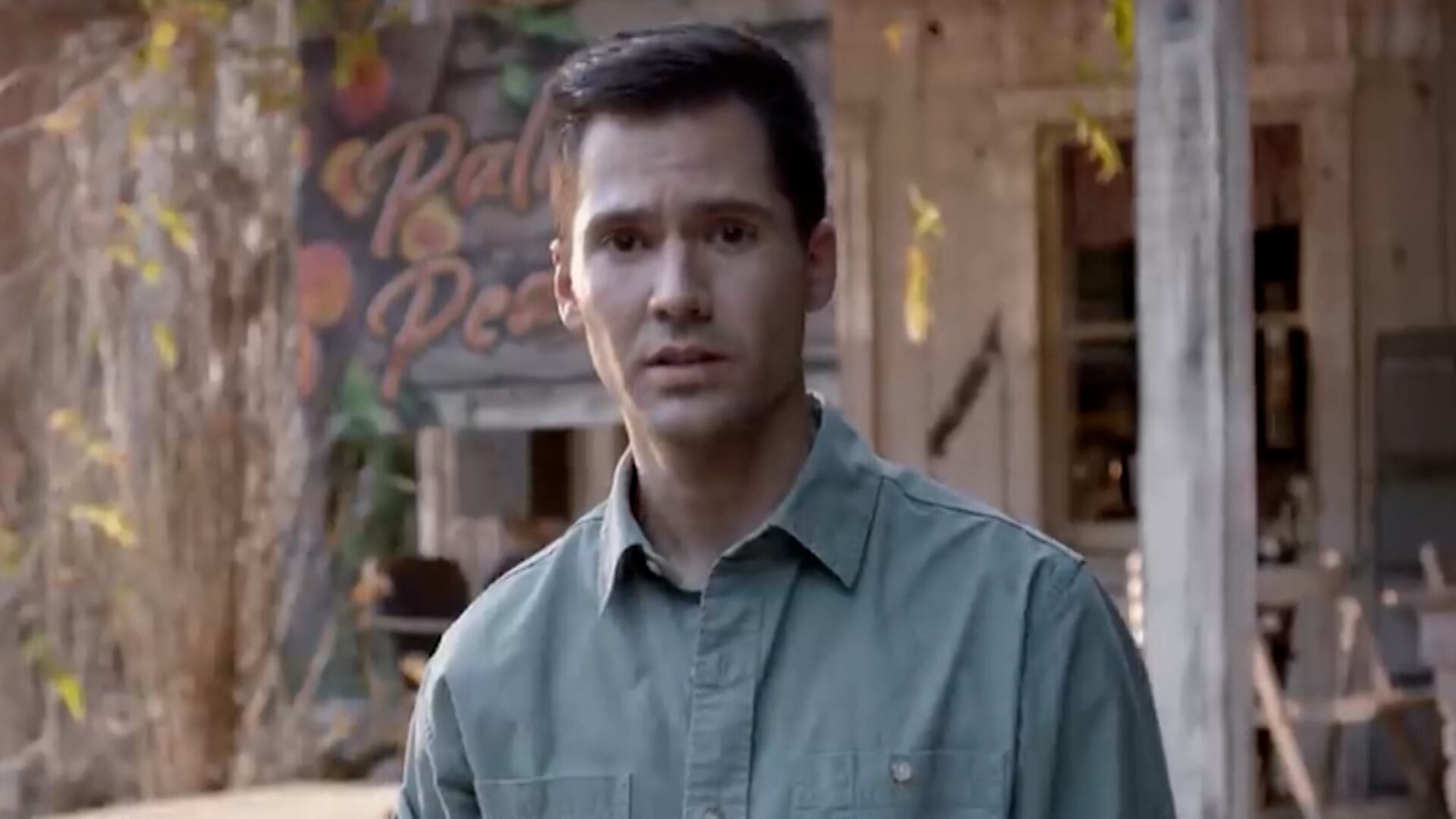
Alex Walker, candidate for Colorado's 3rd Congressional District, joins Cheddar News to discuss why he's running against Lauren Boebert and the inspiration behind his viral campaign ad.
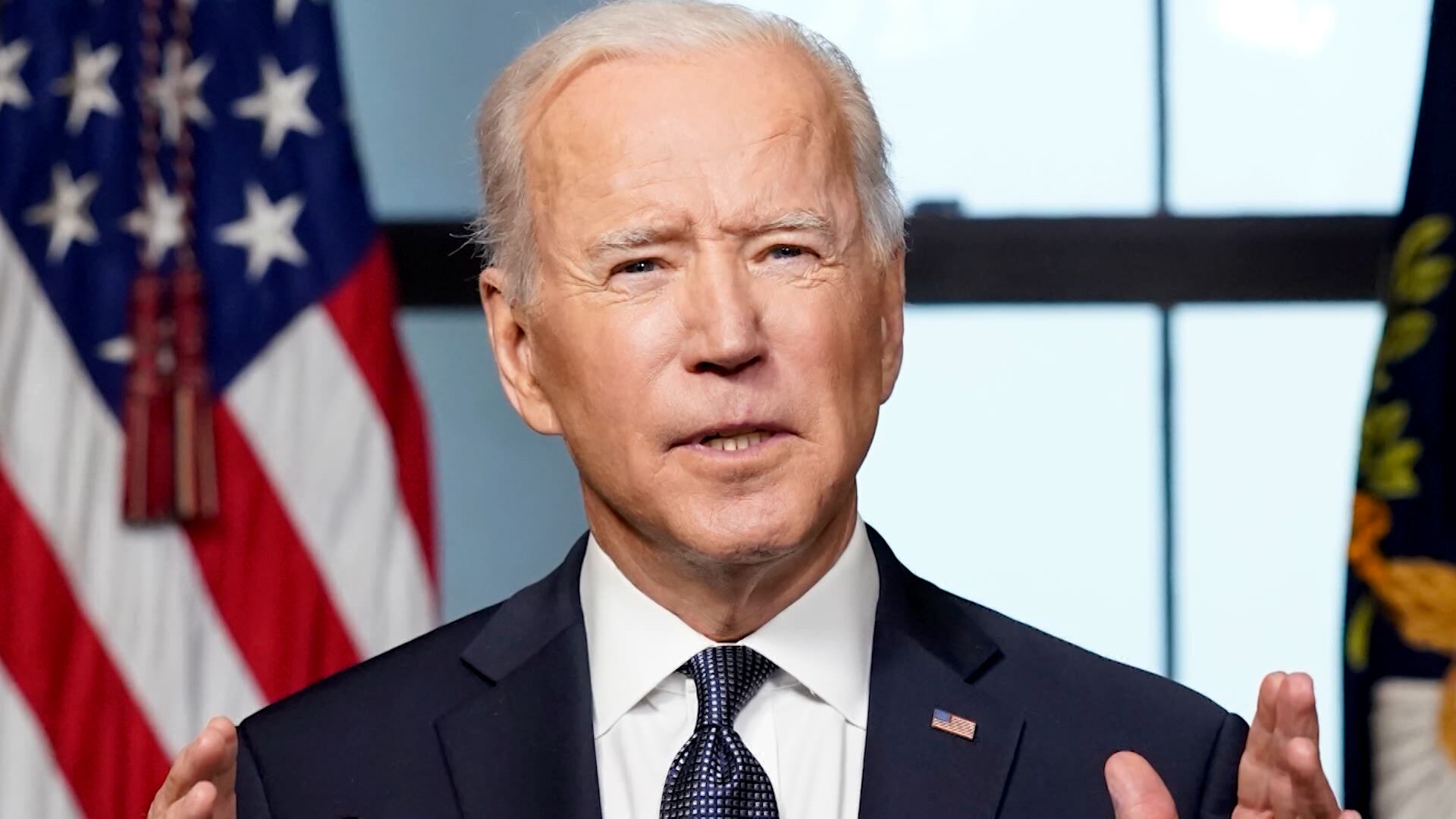
Lisa Hagen, politics reporter for U.S. News and World Report, joins Cheddar News to preview what to expect from President Biden's State of the Union Address on March 1.
Minh-Thu Pham, co-founder of New American Voices, joins Cheddar News to discuss the organization and why new citizens are key to defending U.S. democracy.
Joel Willett, a former CIA operative, joins Cheddar News to discuss Russian President Vladimir Putin officially launching a "special military operation" in Ukraine