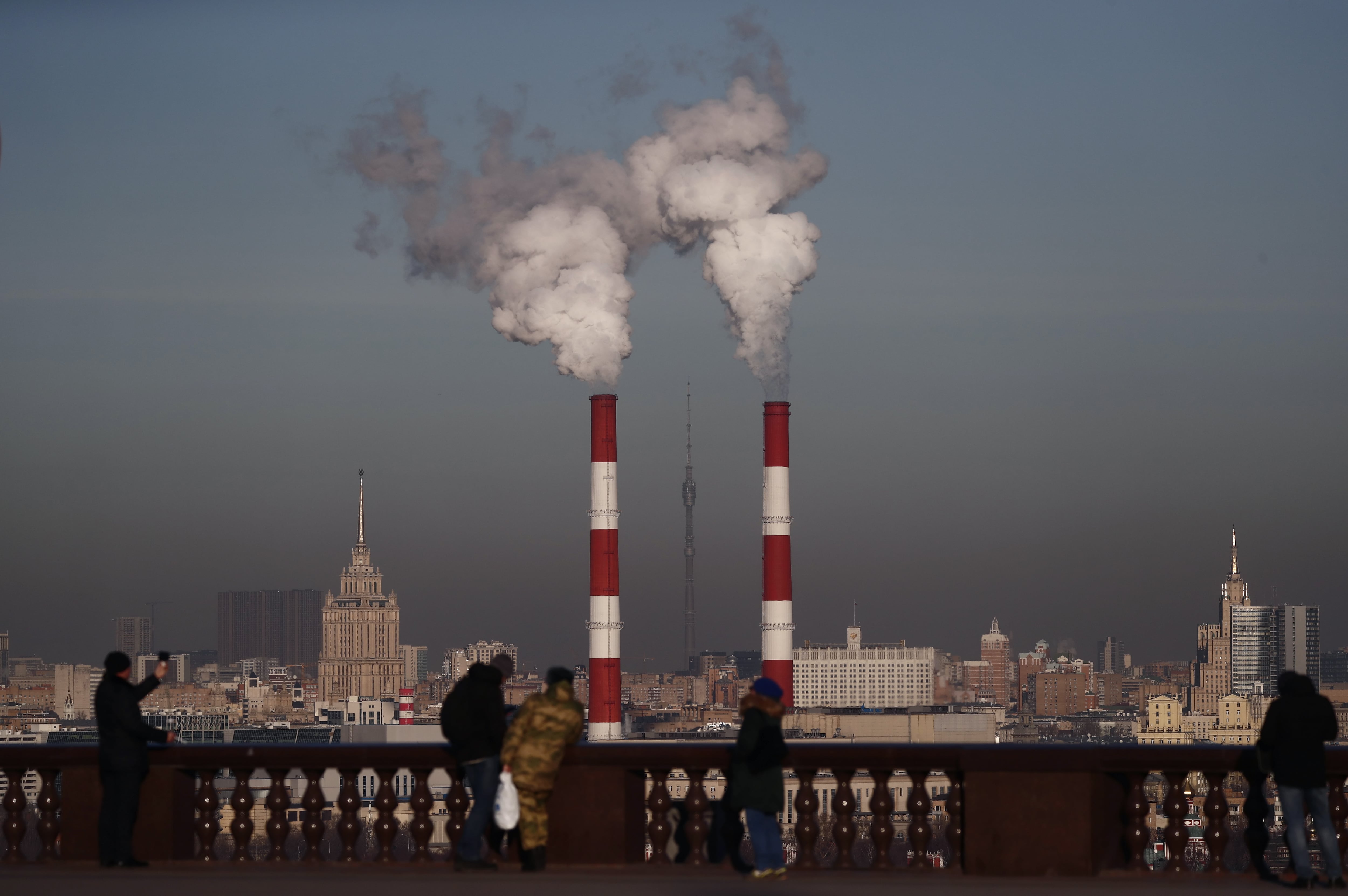
The 2010s amounted to "a decade lost" for slowing climate change, as nations around the world failed to substantially rein-in the heat-trapping emissions generated by power plants, factories, cars and trucks, and other sources that burn fossil fuels, a United Nations report said Tuesday.
The Earth's average temperature is now on track to soar by close to 4 degrees Celsius – or 7.2 degrees Fahrenheit – by the end of the century compared to pre-industrial levels. Scientists have broadly concluded that the planet needs to keep warming to within 2 degrees Celsius, or 3.6 degrees Fahrenheit, to avoid the most catastrophic impacts of climate change.
Rapid rates of warming, meanwhile, are already essentially locked-in: Even ambitious new efforts to slash carbon emissions, as represented in nations' commitments under the 2015 Paris climate accord, will still produce 2.9 to 3.4 degrees of warming.
The report, from the UN's World Meteorological Organization, renewed calls for yet more urgent action to drastically reduce emissions around the world.
"There is no sign of a slowdown, let alone a decline, in greenhouse gases concentration in the atmosphere despite all the commitments under the Paris Agreement on Climate Change," WMO Secretary-General Petteri Taalas said in a statement. "We need to translate the commitments into action and increase the level of ambition for the sake of the future welfare of mankind."
Despite rapid growth in renewable energy sources such as wind and solar, sharp declines in coal-fired power generation in developed nations, and recent high-profile investments in electric vehicles and EV charging infrastructure, global emissions are next expected to peak by the end of the next decade.
"The effects of climate policies have been too small to offset the impact of key drivers of emissions such as economic growth and population growth," the report said, characterizing the finding as a "rather bleak fact."
Already, the amount of carbon dioxide in the atmosphere is comparable to 3-5 million years ago, when temperatures were roughly 2-3 degrees warmer and sea levels were 30-60 feet higher, the WMO said.
"In this critical period, the world must deliver concrete, stepped-up action on emissions," Inger Andersen, executive director of the UN Environment Programme said in a statement. "We face a stark choice: set in motion the radical transformations we need now, or face the consequences of a planet radically altered by climate change."
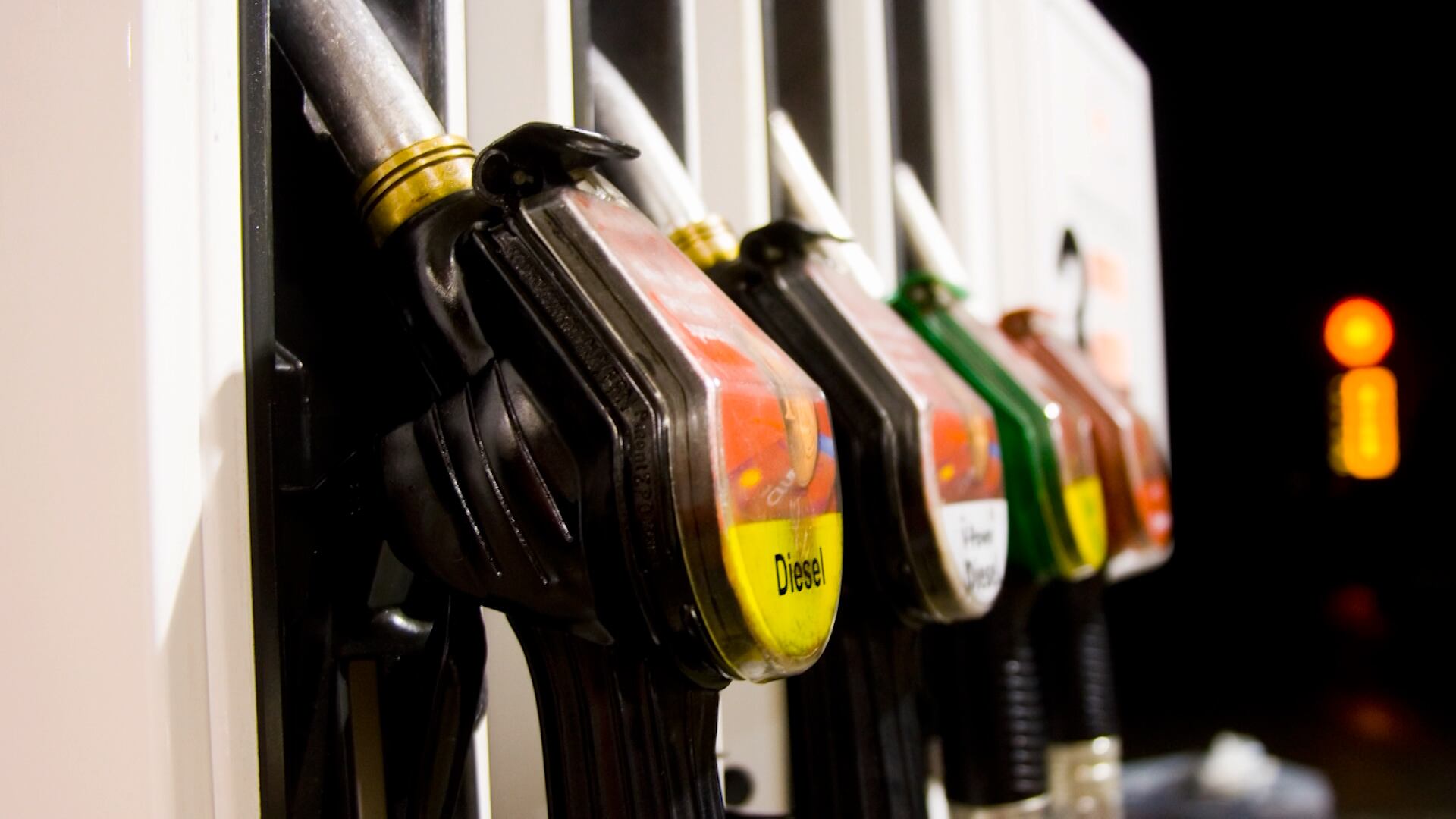
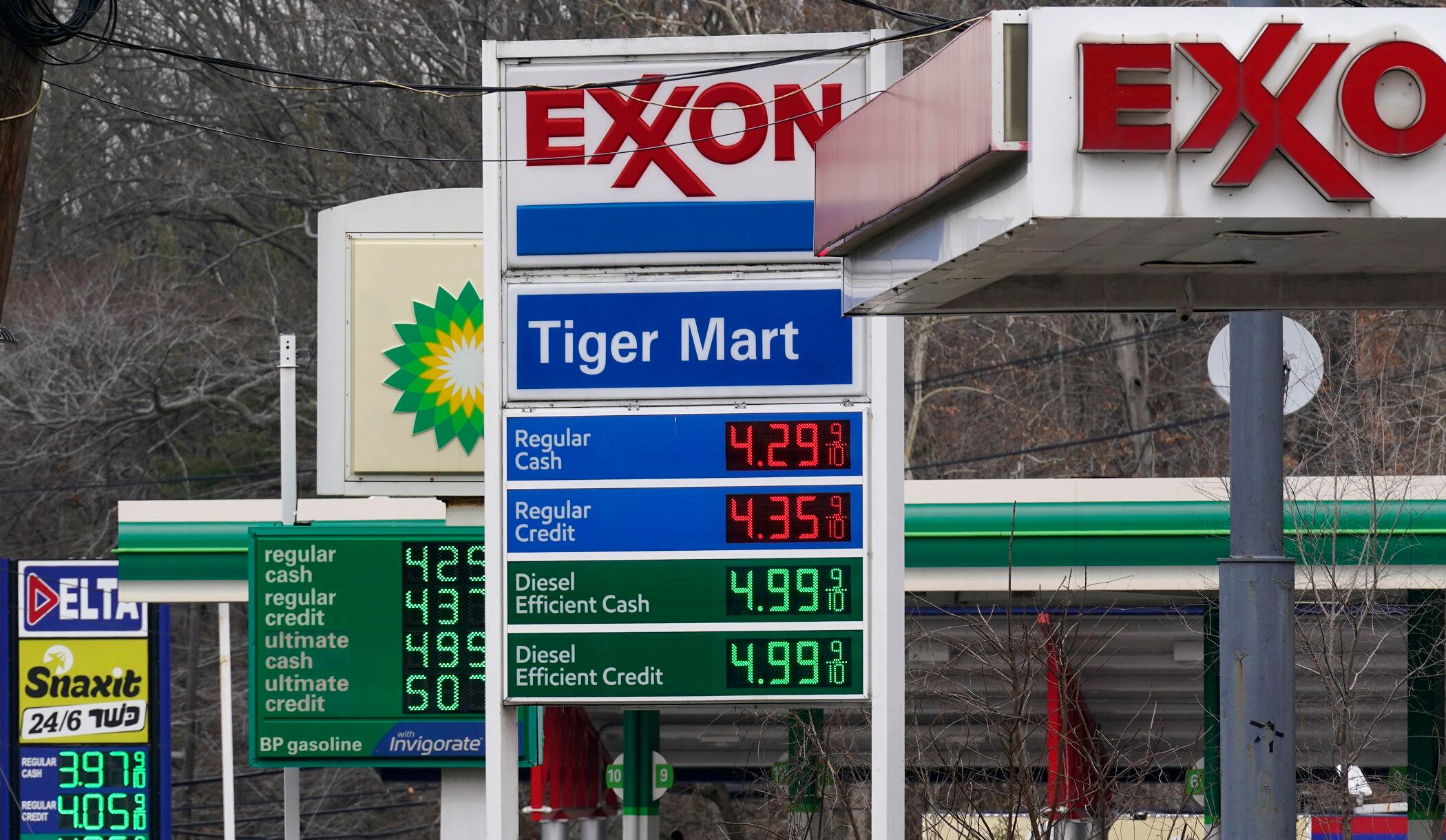
Americans continue to feel the pain at the pump as a result of Russia’s invasion of Ukraine. Patrick DeHaan, head of petroleum analysis at GasBuddy, joined Cheddar News to discuss how prices are being affected by the war and how much worse it could potentially get for drivers. "It's obviously a fluid situation. In one field today, I might feel differently in a half hour. But for now, I think we could see the national average realistically go somewhere into the mid $4 range, maybe $4.40 to $4.65 based on what we're seeing," he said.
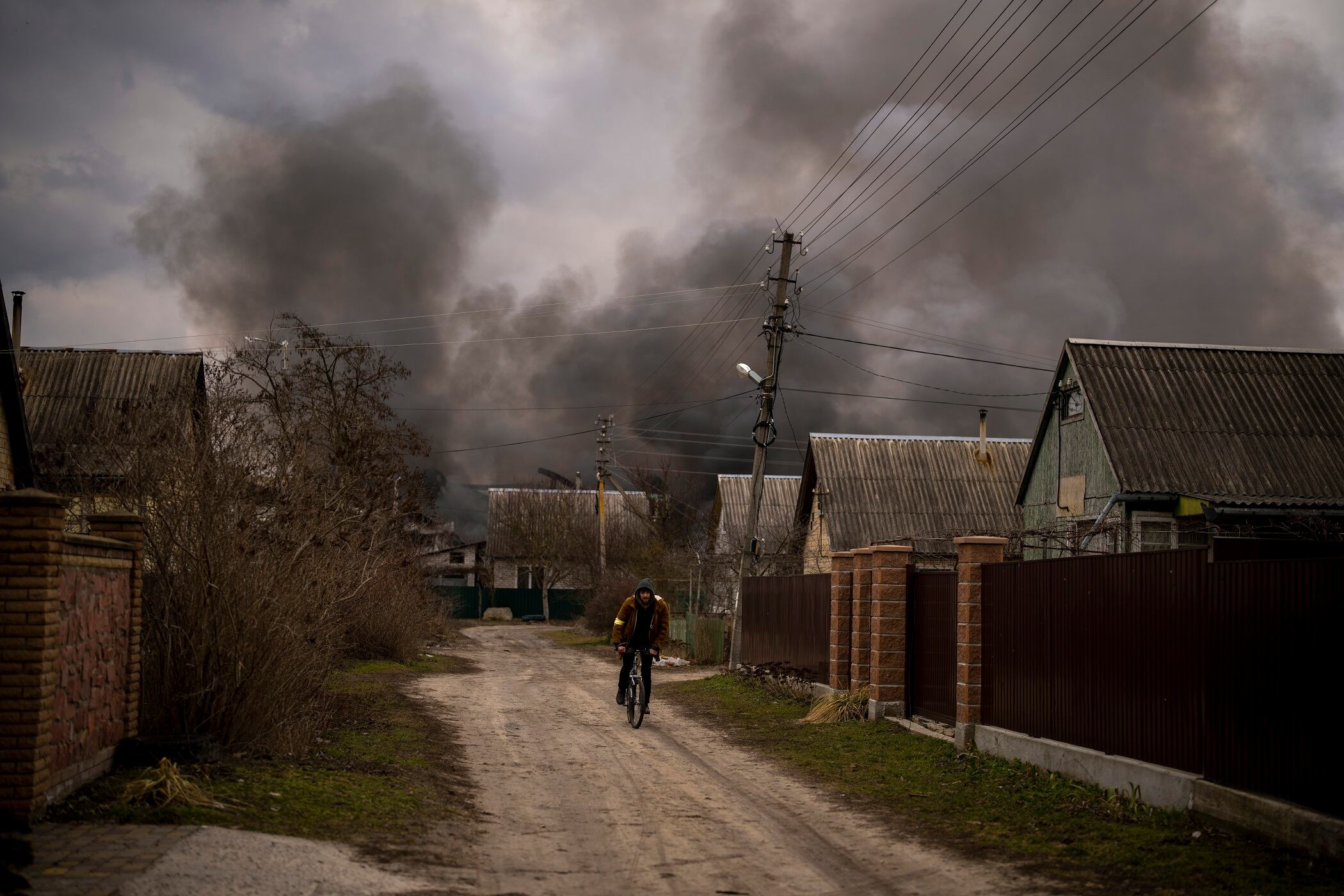
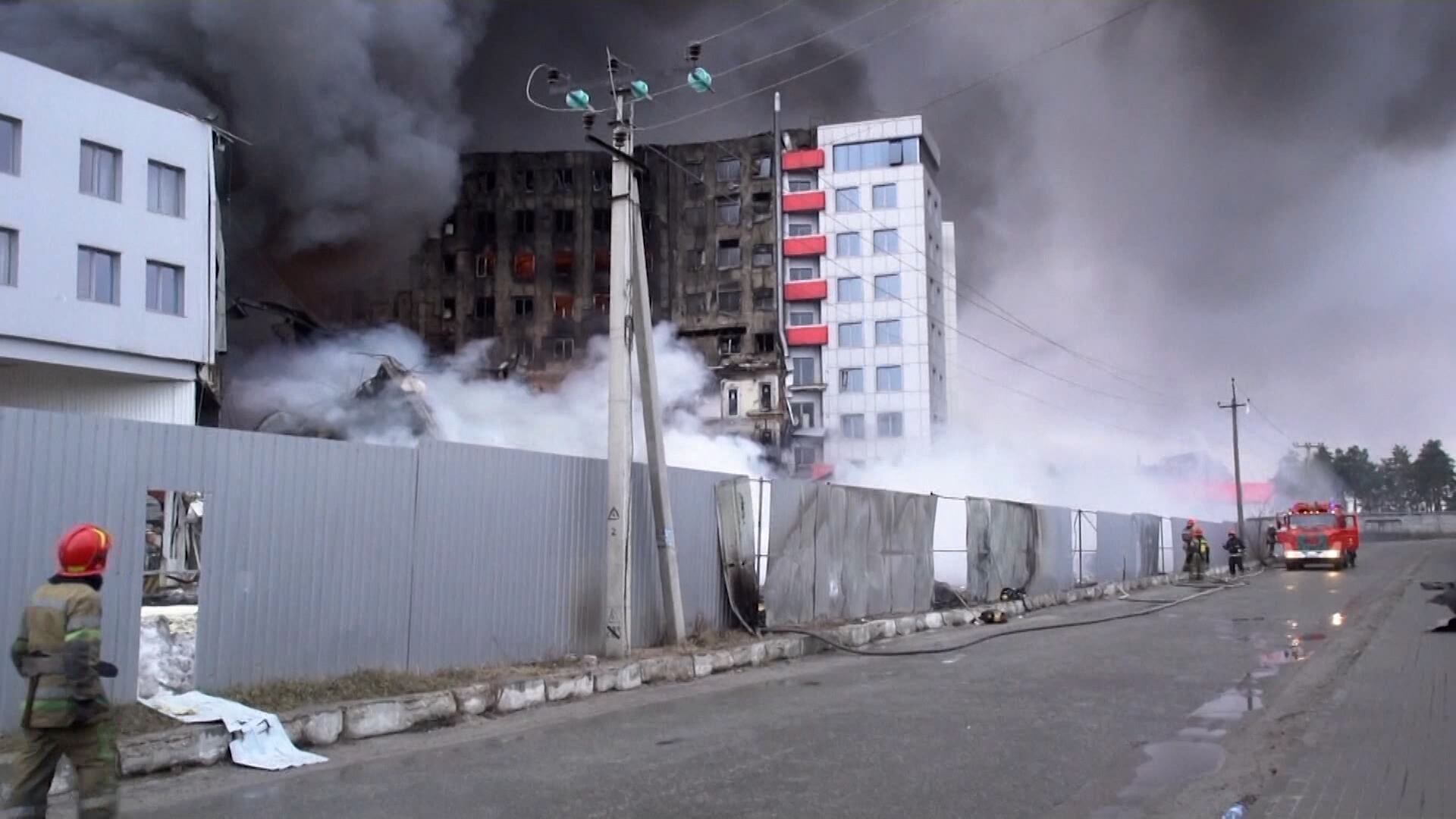
Russia’s invasion of Ukraine has entered its 12th day following what Ukrainian authorities described as increased shelling of encircled cities and another failed attempt to evacuate civilians from the port city of Mariupol.
Gasoline prices are pushing even farther above $4 a gallon, the highest price that American motorists have faced since July 2008, as calls grow to ban imports of Russian oil.
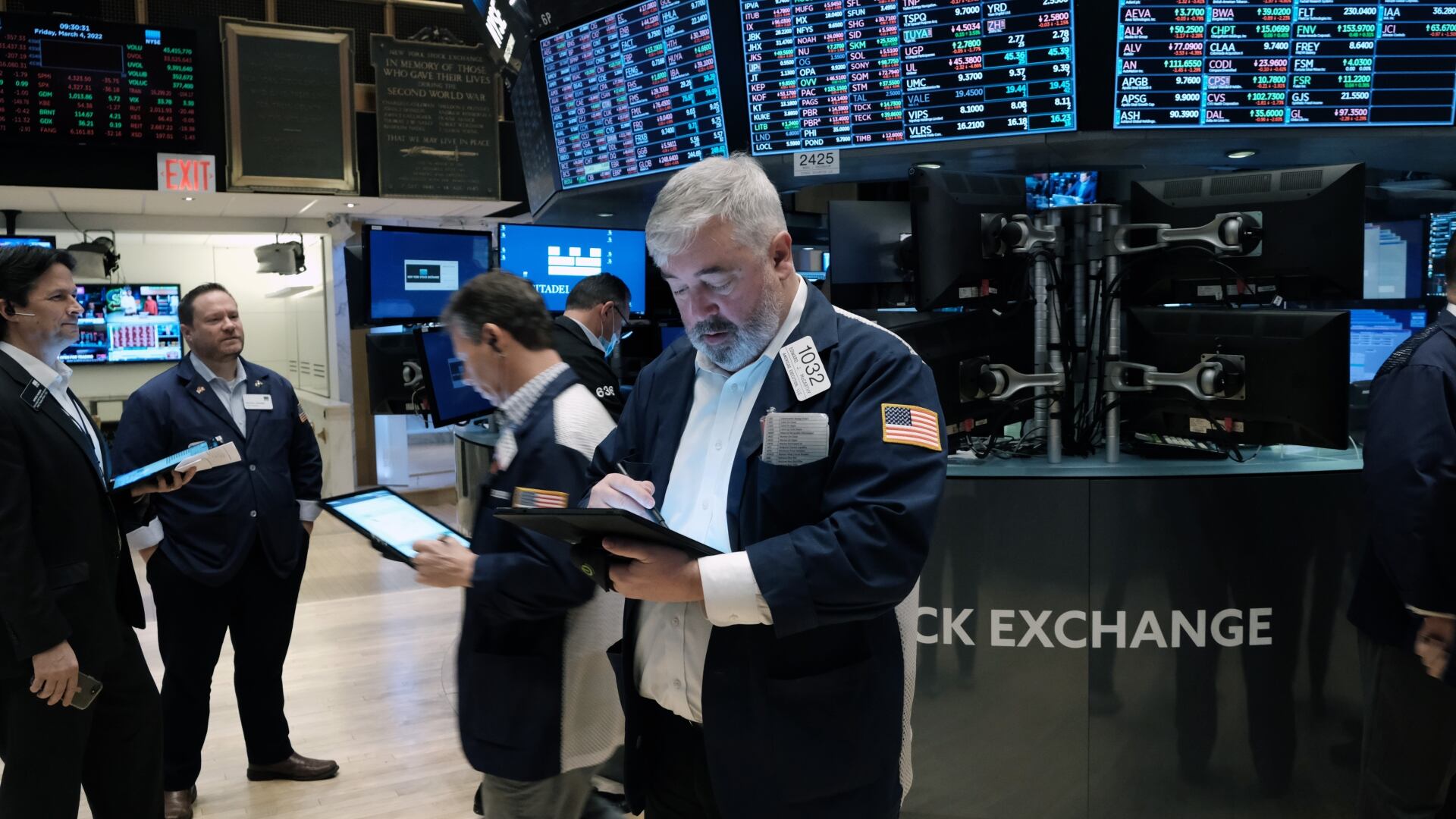
Jay Hatfield, Chief Investment Officer at ICAP, believes a lot of the bad news regarding the fighting in Ukraine and Fed is already priced into the market and looming uncertainty factored into Friday's movement. However, he also believes the upcoming Fed decision will be good news for Wall Street.
News of Russian forces taking control of a Ukrainian after artillery bombardment of a nuclear power plant raised concerns this week. Nuclear policy expert and Quincy Institute Distinguished Fellow Joe Cirincione joined Cheddar News to discuss the implications for a potential disaster. “I’m with the director general of the IAEA, the International Atomic Energy Agency. He says that he is extremely concerned, and that this Russian attack is a severe risk and that Russia clearly violated the fundamental principle of preserving the integrity of nuclear power plants," Cirincione said.
Amid Russia's attack on Ukraine, major businesses from BP to Big Tech like Apple have been pausing their business dealings with the invading nation. Brian Walker, chief strategy officer at commerce software company Bloomreach, joined Cheddar News to discuss how some companies are showing support for Ukraine and what this could mean for consumers. "Whether it be impacts on energy or operational costs, shipping and logistics, or frankly impacts on the financial services industry, these will have long term implications on retail prices," he said.
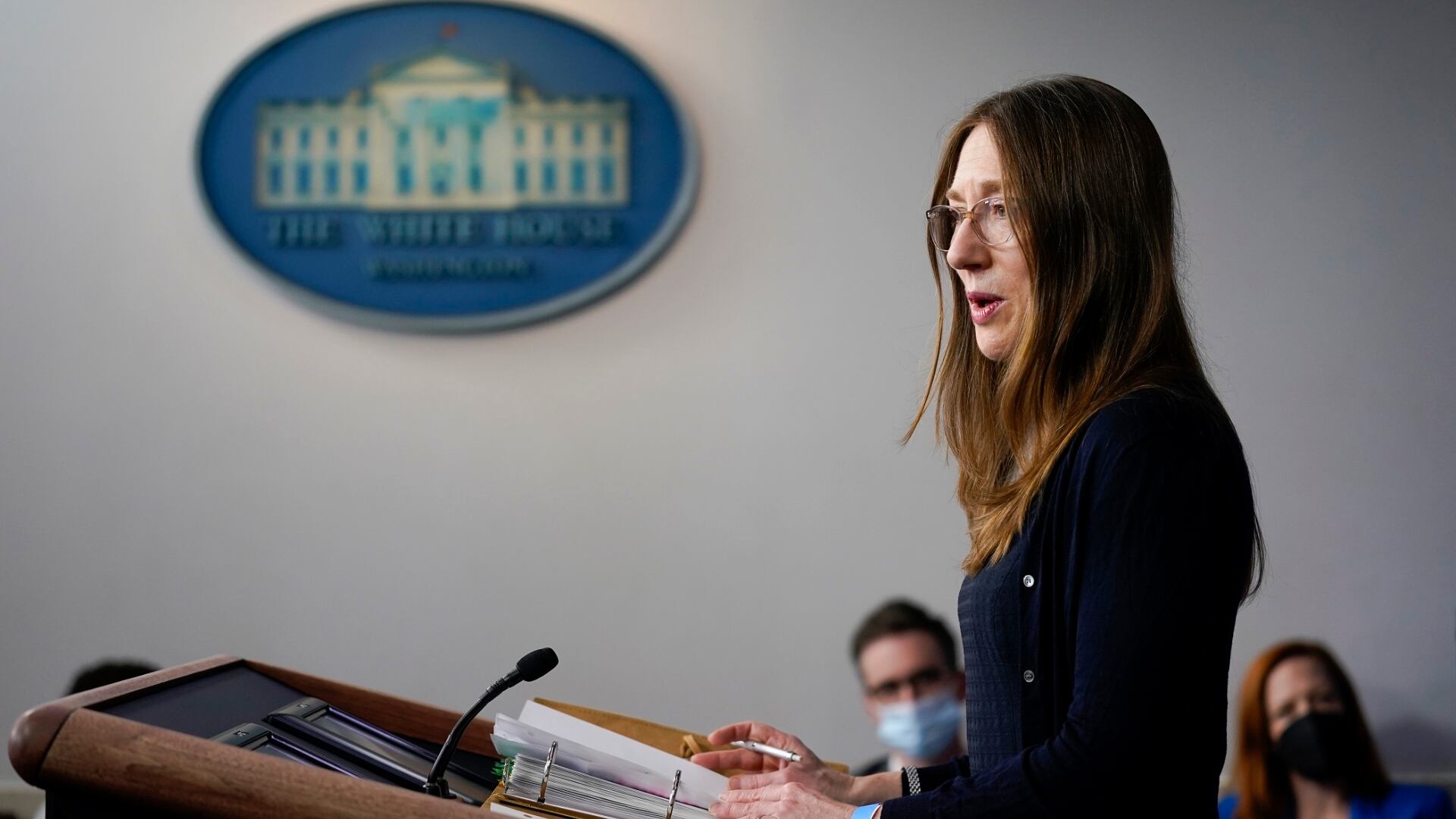
About 678,000 jobs were created in February, hundreds of thousands more than predicted, according to the latest Labor Department report, showing a broad economic recovery despite inflation woes. Heather Boushey, member of the Council of Economic Advisers for President Biden, joined Cheddar News to talk about the employment figures. "This really shows that the economy is now more resilient because of the tools that we have in place," Boushey said. "So I'm optimistic that we'll be able to weather future storms."
Ramit Varma, Independent candidate for Mayor of Los Angeles, joins Cheddar News to discuss the race and how he plans to tackle critical issues in the California city.