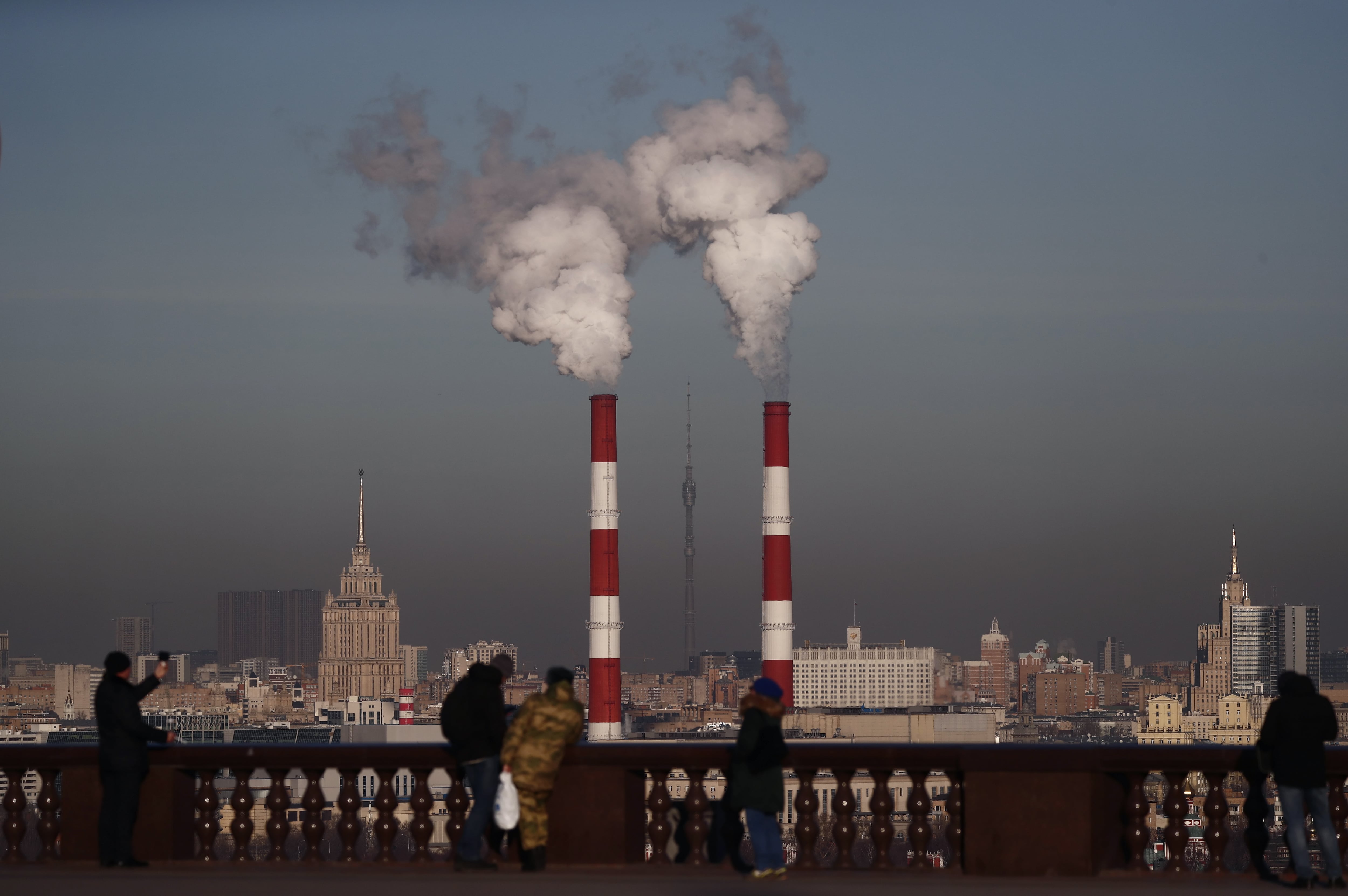
The 2010s amounted to "a decade lost" for slowing climate change, as nations around the world failed to substantially rein-in the heat-trapping emissions generated by power plants, factories, cars and trucks, and other sources that burn fossil fuels, a United Nations report said Tuesday.
The Earth's average temperature is now on track to soar by close to 4 degrees Celsius – or 7.2 degrees Fahrenheit – by the end of the century compared to pre-industrial levels. Scientists have broadly concluded that the planet needs to keep warming to within 2 degrees Celsius, or 3.6 degrees Fahrenheit, to avoid the most catastrophic impacts of climate change.
Rapid rates of warming, meanwhile, are already essentially locked-in: Even ambitious new efforts to slash carbon emissions, as represented in nations' commitments under the 2015 Paris climate accord, will still produce 2.9 to 3.4 degrees of warming.
The report, from the UN's World Meteorological Organization, renewed calls for yet more urgent action to drastically reduce emissions around the world.
"There is no sign of a slowdown, let alone a decline, in greenhouse gases concentration in the atmosphere despite all the commitments under the Paris Agreement on Climate Change," WMO Secretary-General Petteri Taalas said in a statement. "We need to translate the commitments into action and increase the level of ambition for the sake of the future welfare of mankind."
Despite rapid growth in renewable energy sources such as wind and solar, sharp declines in coal-fired power generation in developed nations, and recent high-profile investments in electric vehicles and EV charging infrastructure, global emissions are next expected to peak by the end of the next decade.
"The effects of climate policies have been too small to offset the impact of key drivers of emissions such as economic growth and population growth," the report said, characterizing the finding as a "rather bleak fact."
Already, the amount of carbon dioxide in the atmosphere is comparable to 3-5 million years ago, when temperatures were roughly 2-3 degrees warmer and sea levels were 30-60 feet higher, the WMO said.
"In this critical period, the world must deliver concrete, stepped-up action on emissions," Inger Andersen, executive director of the UN Environment Programme said in a statement. "We face a stark choice: set in motion the radical transformations we need now, or face the consequences of a planet radically altered by climate change."
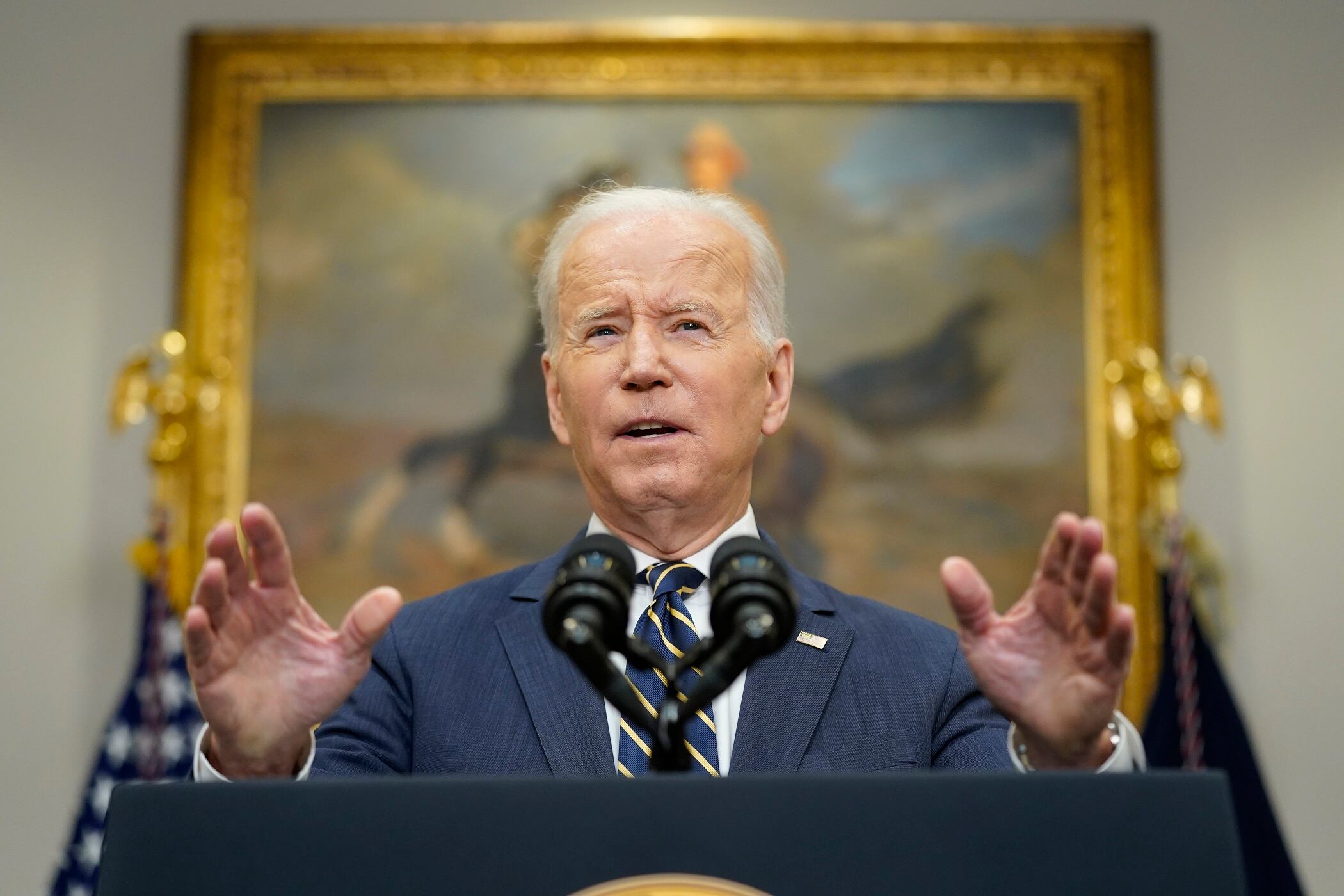
President Joe Biden announced Friday that along with the European Union and the Group of Seven countries, the U.S. will revoke “most favored nation” trade status for Russia over its invasion of Ukraine.
The consumer price index jumped 7.9 percent in February, marking a 40-year high for inflation in the U.S. This report comes less than a week ahead of the Fed's all important meeting. Kayla Bruun, Economic Analyst, Morning Consult, joined Cheddar's Opening Bell to discuss.
Markets opened lower amid hotter-than-expected inflation data, which surged to its highest level in nearly 40 years. Lisa Erickson, Senior Vice President and Co-Head, Public Markets Group, U.S. Bank joined Cheddar's Opening Bell to discuss the significance of this figure ahead of the Federal Reserve's FOMC meeting.
As the Russia-Ukraine war disrupts the global economy, sending markets on a roller coaster ride, gold remains hovering around $2,000 an ounce. Often seen as a safe haven in times of economic crisis, Jason Cozens, founder and CEO of gold-as-currency platform Glint Pay, joined Cheddar’s Opening Bell to discuss the latest gold rush, how the war is impacting prices, and how people can use Glint to trade in the precious metal. “You know the stock markets and cryptocurrencies are risky investments," he stated. "Whereas gold is just reliable money. It's no one else's liability if you own."
As Western sanctions weigh on Russia's economy, the country is at the risk of defaulting on its debt. Fitch ratings agency has downgraded Russia's debt for the second time in a week, warning a "sovereign default is imminent." Jesse Wheeler, Economic Analyst at Morning Consult, explains what that means, and how it could have ripple effects across the global economy.
Uber Lyft and Doordash are all set to spend $1 million dollars on a campaign and efforts to stop lawmakers from classifying their gig workers as employees. The campaign features TV and online ads highlighting Washington area workers who say they prefer the flexibility of being an independent contractor rather than following the model of a company employee. Professor at NYU. Stern School of Business and author of the sharing economy, Arun Sundararajan, joined Cheddar to discuss more.
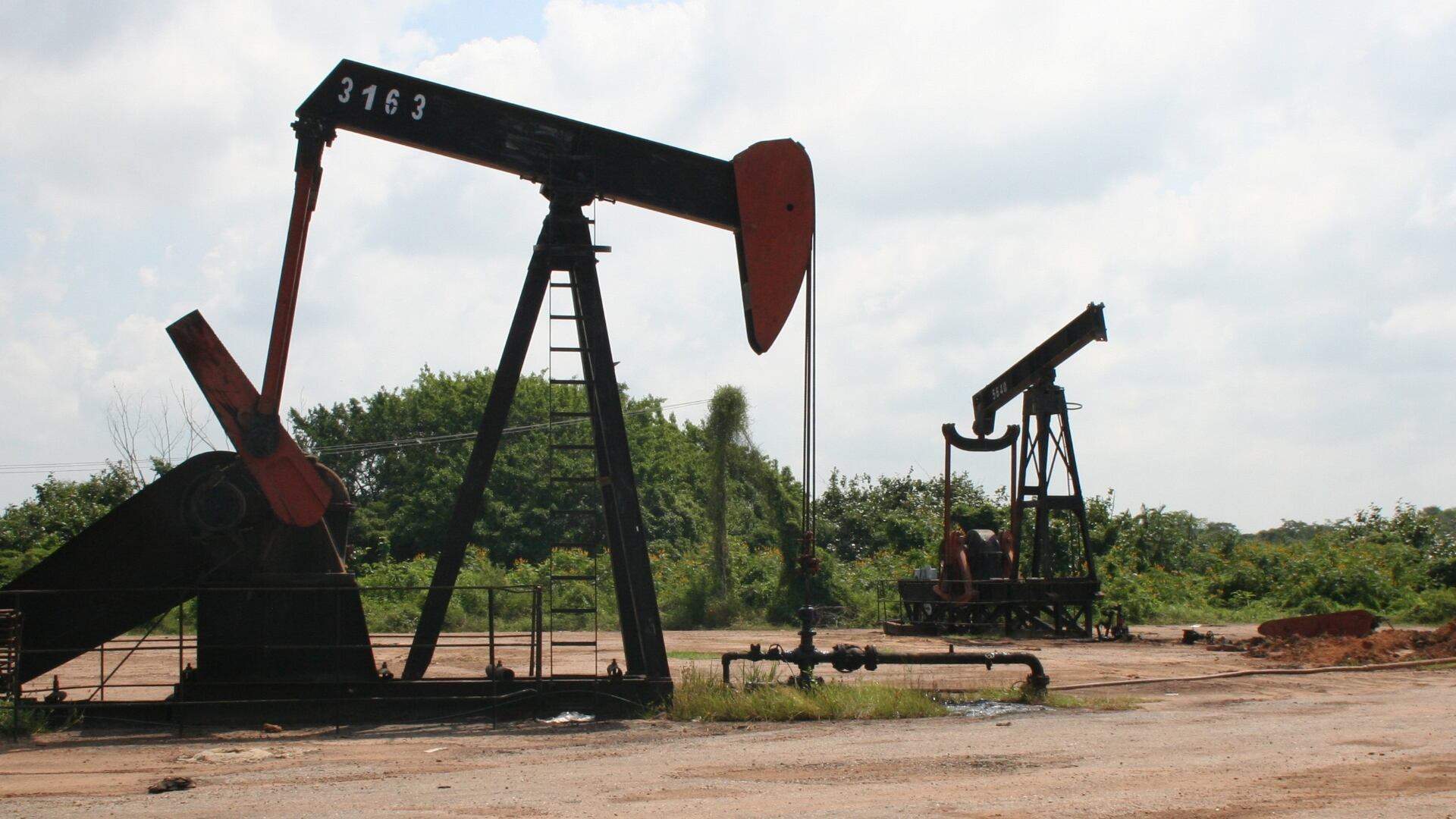
President Biden is looking at unlikely partners to buy oil, after banning all Russian energy imports. Among them is Venezuela, a regime that has been sanctioned by the U.S. since 2019. Ariel Cohen of the Atlantic Council explains to Cheddar News why that might not be a bad choice.