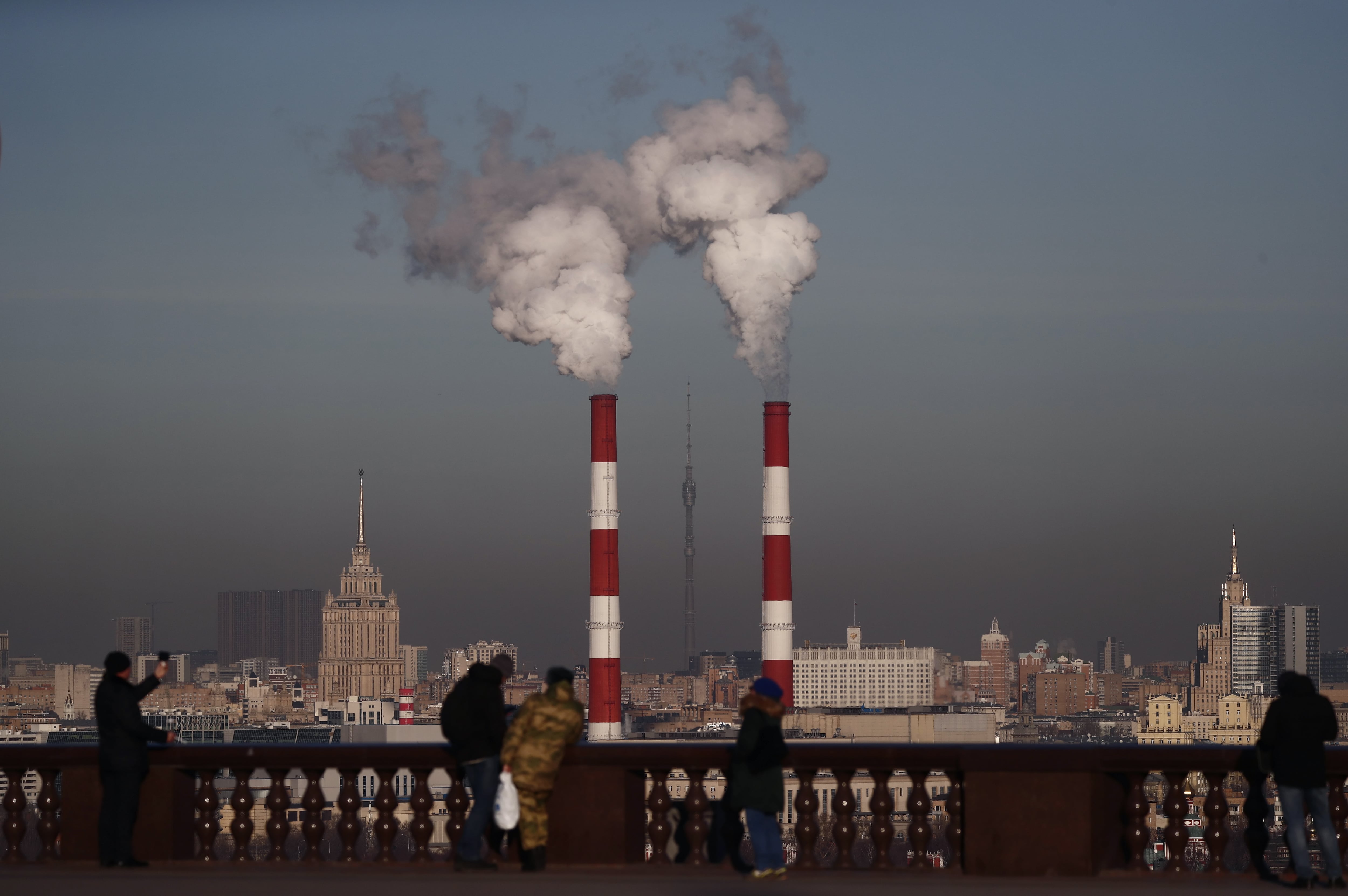
The 2010s amounted to "a decade lost" for slowing climate change, as nations around the world failed to substantially rein-in the heat-trapping emissions generated by power plants, factories, cars and trucks, and other sources that burn fossil fuels, a United Nations report said Tuesday.
The Earth's average temperature is now on track to soar by close to 4 degrees Celsius – or 7.2 degrees Fahrenheit – by the end of the century compared to pre-industrial levels. Scientists have broadly concluded that the planet needs to keep warming to within 2 degrees Celsius, or 3.6 degrees Fahrenheit, to avoid the most catastrophic impacts of climate change.
Rapid rates of warming, meanwhile, are already essentially locked-in: Even ambitious new efforts to slash carbon emissions, as represented in nations' commitments under the 2015 Paris climate accord, will still produce 2.9 to 3.4 degrees of warming.
The report, from the UN's World Meteorological Organization, renewed calls for yet more urgent action to drastically reduce emissions around the world.
"There is no sign of a slowdown, let alone a decline, in greenhouse gases concentration in the atmosphere despite all the commitments under the Paris Agreement on Climate Change," WMO Secretary-General Petteri Taalas said in a statement. "We need to translate the commitments into action and increase the level of ambition for the sake of the future welfare of mankind."
Despite rapid growth in renewable energy sources such as wind and solar, sharp declines in coal-fired power generation in developed nations, and recent high-profile investments in electric vehicles and EV charging infrastructure, global emissions are next expected to peak by the end of the next decade.
"The effects of climate policies have been too small to offset the impact of key drivers of emissions such as economic growth and population growth," the report said, characterizing the finding as a "rather bleak fact."
Already, the amount of carbon dioxide in the atmosphere is comparable to 3-5 million years ago, when temperatures were roughly 2-3 degrees warmer and sea levels were 30-60 feet higher, the WMO said.
"In this critical period, the world must deliver concrete, stepped-up action on emissions," Inger Andersen, executive director of the UN Environment Programme said in a statement. "We face a stark choice: set in motion the radical transformations we need now, or face the consequences of a planet radically altered by climate change."
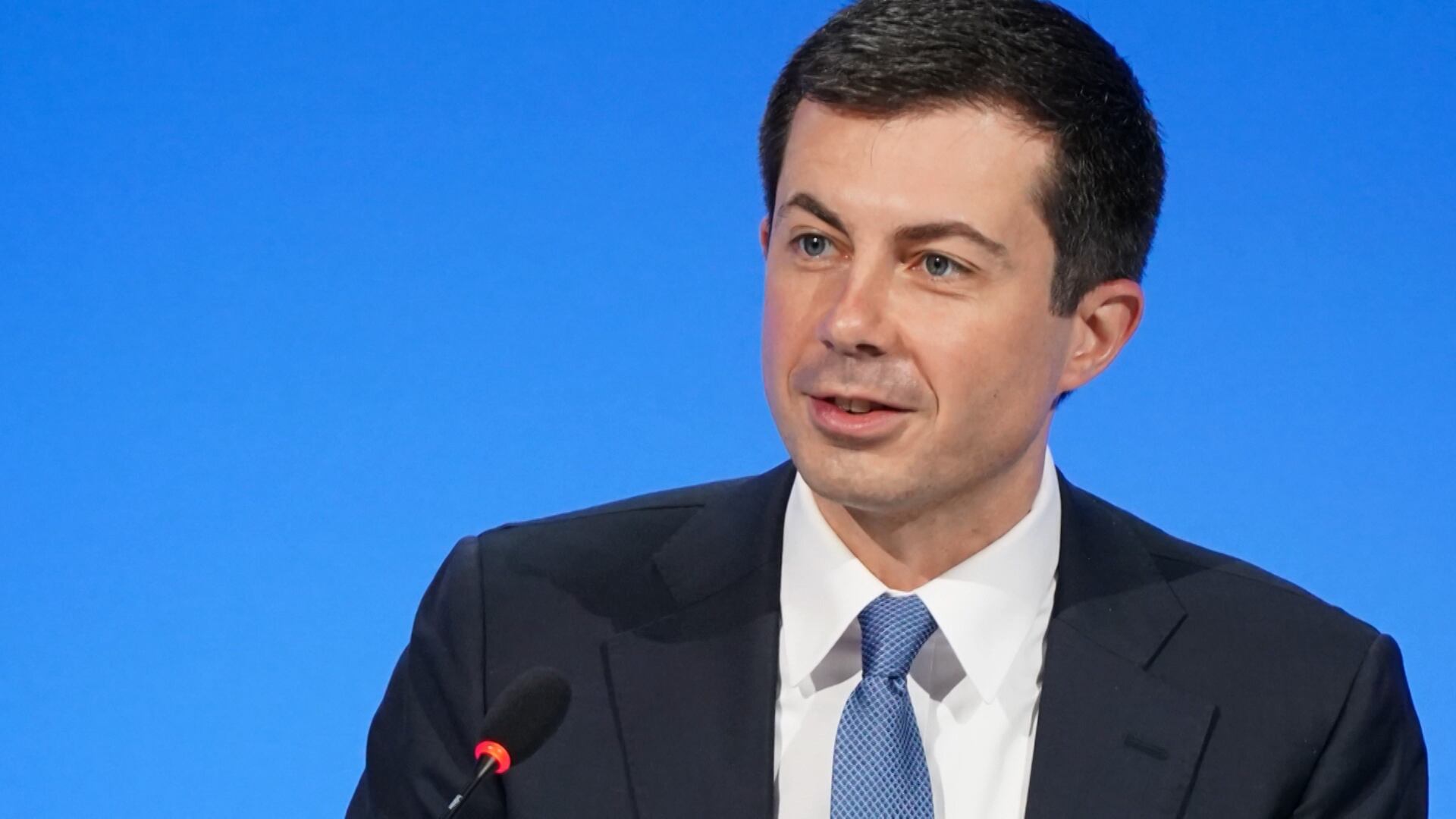
Transportation Secretary Pete Buttigieg joined Cheddar's Michelle Castillo from South By Southwest to boost President Biden's bipartisan infrastructure legislation and talk about the big transportation issues of the day, including electric vehicle charging infrastructure and the future of public transit. "It means we have a huge wind at our back delivering on the kinds of transportation solutions that are going to define the 2020's 2030s, 2040s even," he said. "And that's what makes it exciting to come to South by Southwest and talk with some of the people who are following these technologies and ideas the most closely and talk about where we're headed." Buttigieg also touched on the "Don't Say Gay" legislation in Florida, noting that such legislative pushes were likely coming from politicians deflecting from lacking answers to pressing economic concerns, in his opinion.
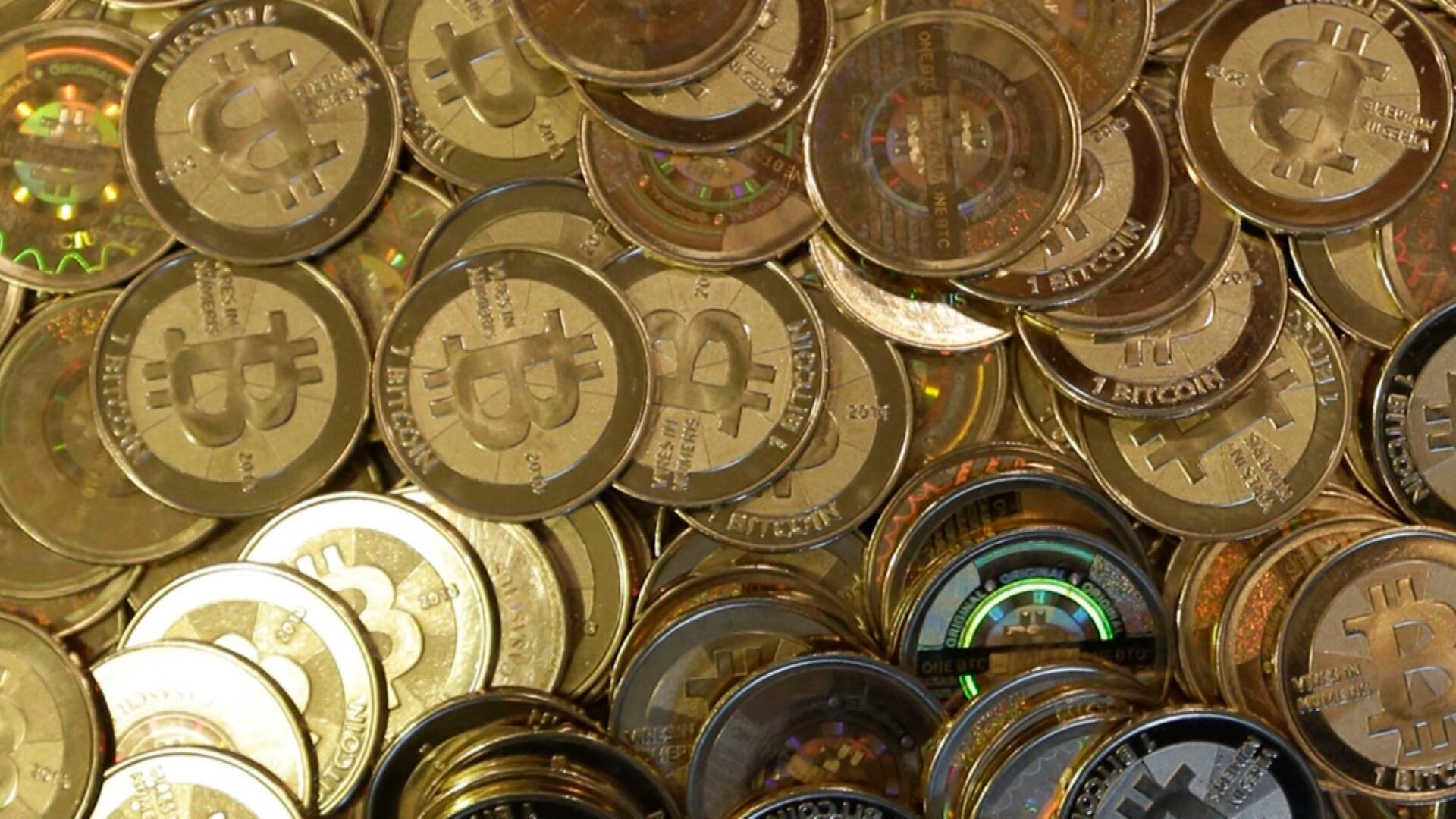
Following President Biden's executive order that could lead toward regulating digital currency in the United States. Representative Josh Gottheimer (D-N.J. 5th District), the congressman responsible for proposing a bill to regulate stablecoins, digital assets backed by fiat currencies, joined Cheddar News to discuss the bill. "I just want to make sure that we're doing everything we can to be helpful to encourage this innovation and growth here in the United States," he said.
European antitrust regulators gave Amazon approval for its MGM acquisition deal. Amazon expects MGM's collection of content will help it compete in the increasingly crowded world of streaming services.
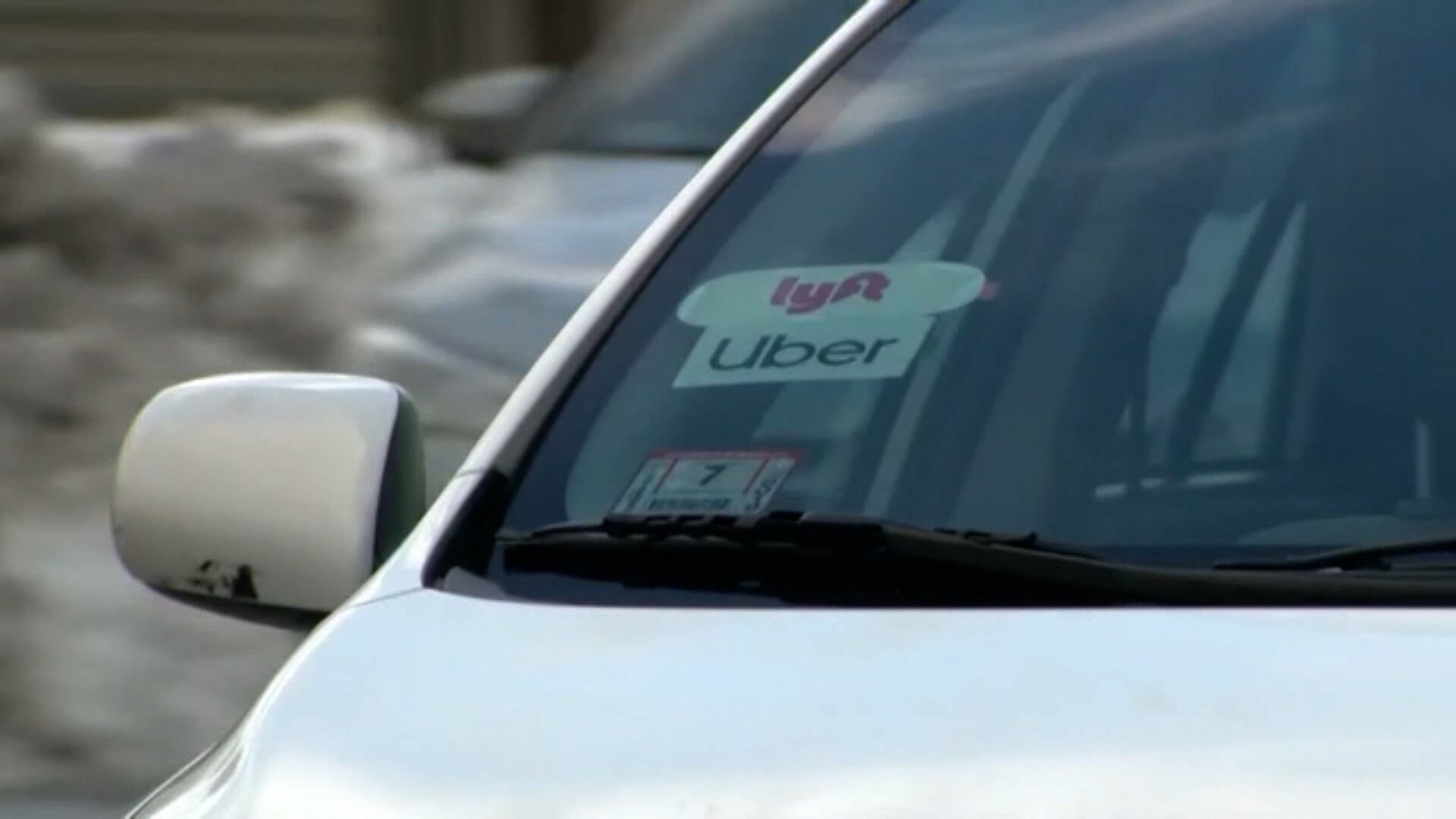
Lisa Whalen, managing director of automotive and mobility analysis at Morning Consult, joins Cheddar News to discuss Uber and Lyft's decision to enact price surcharges on riders.
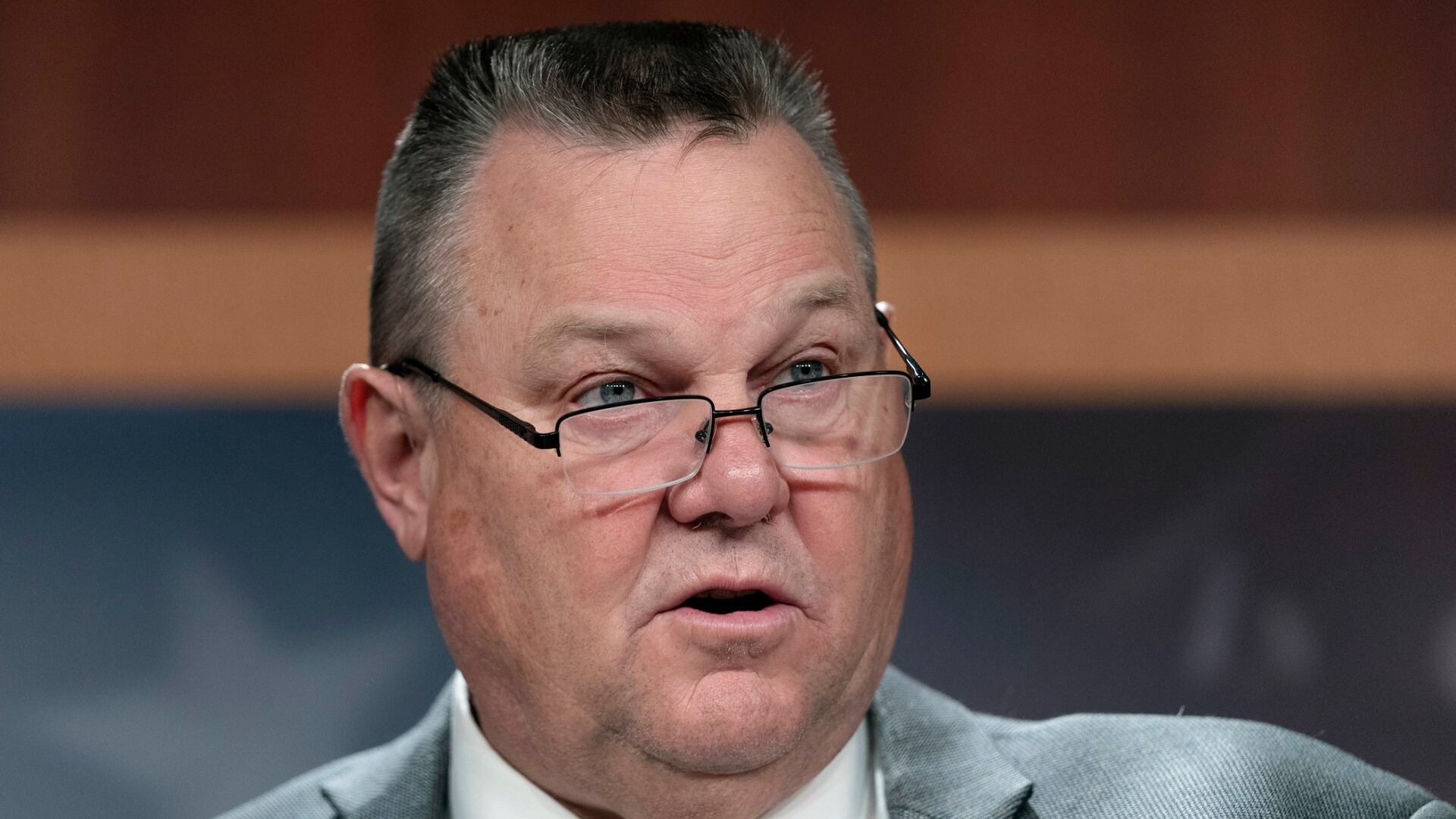
Senator Jon Tester (D-Mont.) joined Cheddar News to talk about a range of topics including Sarah Bloom Raskin's recent withdrawal as a nominee to the Federal Reserve, the impact the Federal Reserve will have on inflation, and the ongoing crisis in Ukraine. "I think it's unfortunate she had to withdraw. I think she was very, very qualified for the position by everything she's done in her past, especially in the area of cyber," he said. "She would have been good to have on the Fed."
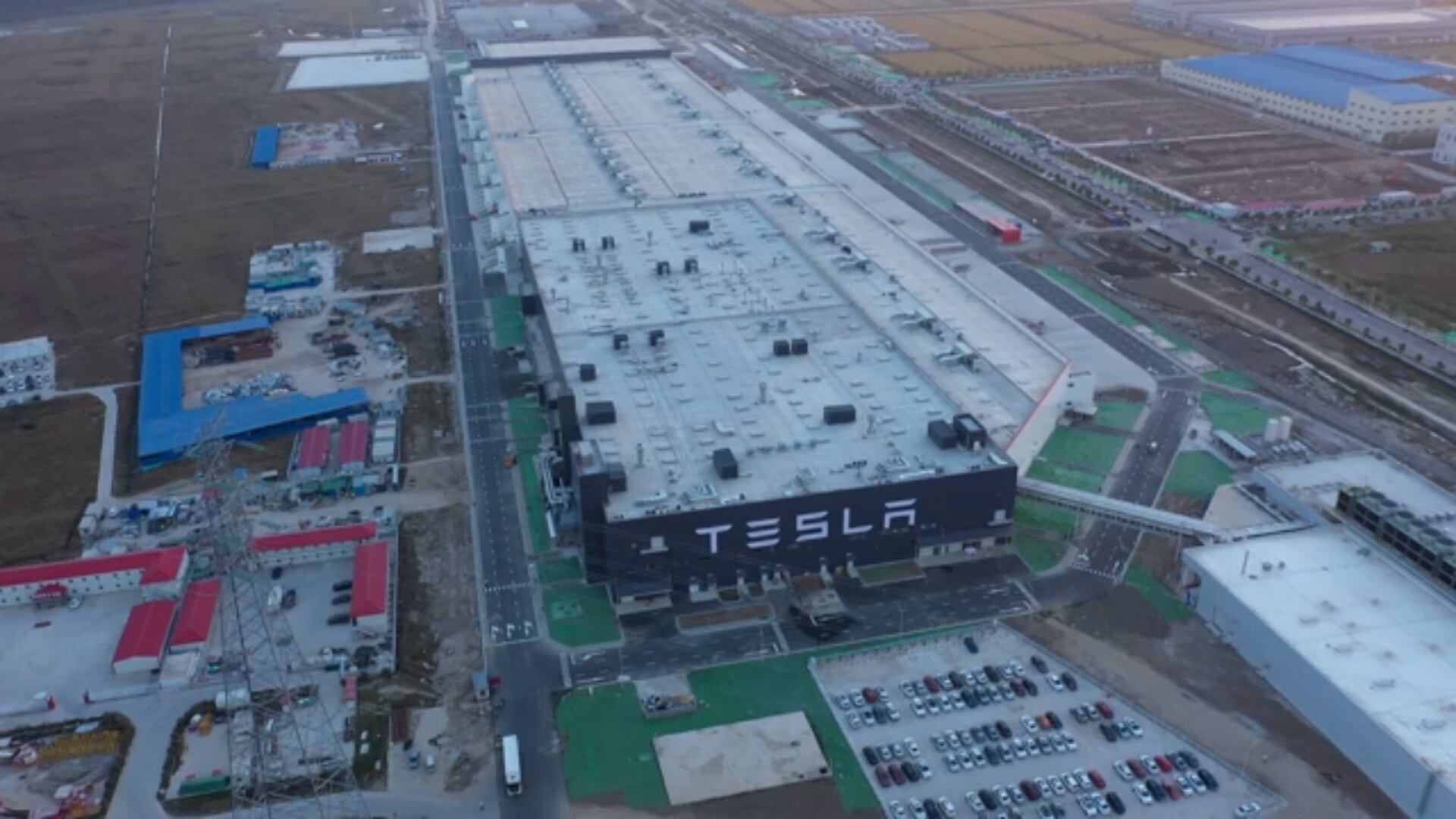
With a zero-covid policy in China, country officials are imposing lockdowns in the region in an attempt to control the spread. With China being home to about one-third of global manufacturing, these lockdowns are wreaking havoc on the already fragile supply chain, causing disruption to production of phones and cars alike. Suketu Gandhi, Supply Chain Partner at Kearney joined Cheddar's Azia Celestino to discuss.
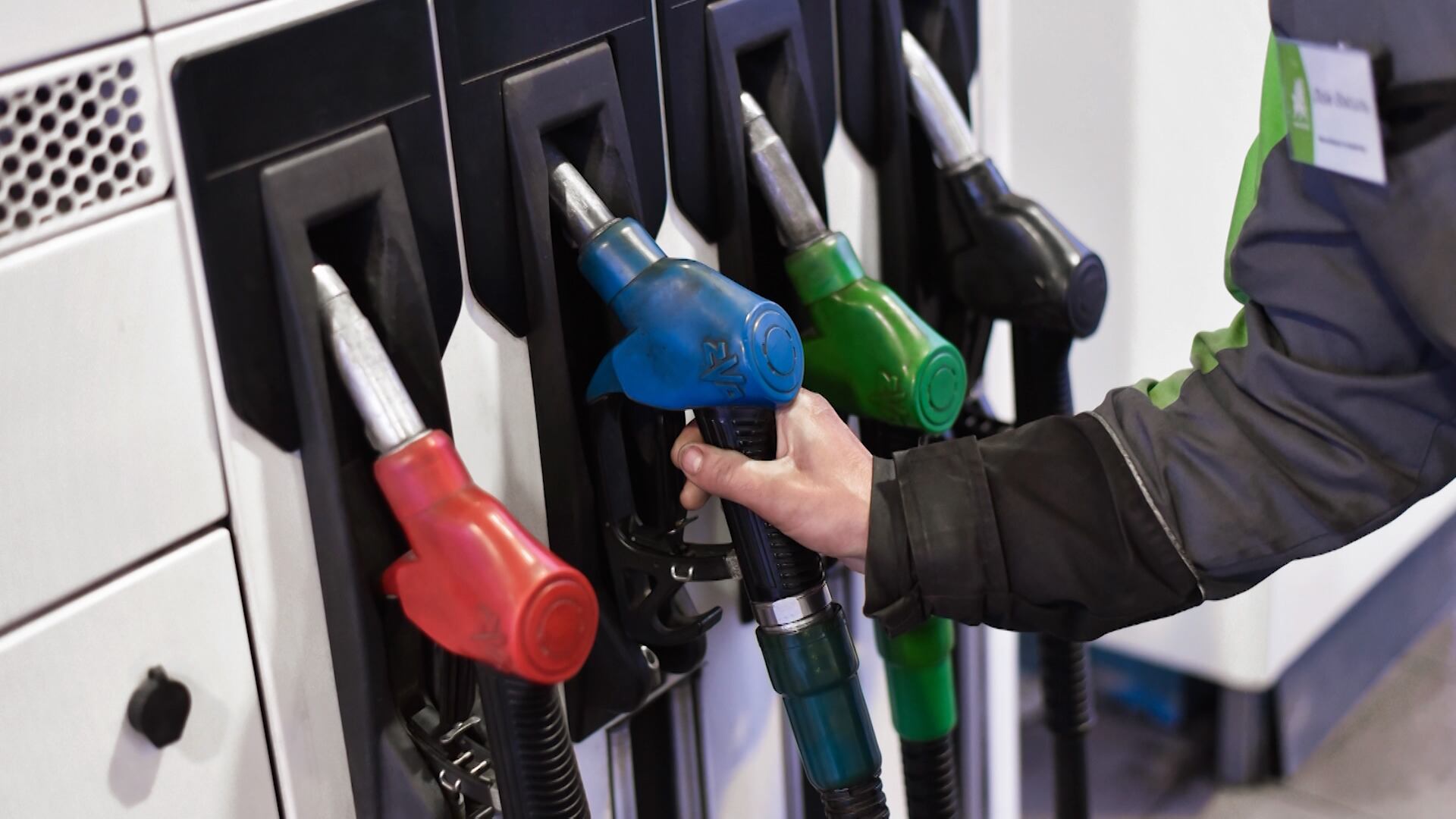
Markets opened higher this morning as oil prices fall and investors await a decision from the Federal Reserve. Keith Fitz-Gerald, Chief Investment Officer, Fitz-Gerald Group joined Cheddar's Opening Bell to discuss.
Catching you up on what you Need to Know on March 16, 2022, with updates on Ukraine and Russia, a container ship gets stuck in the Chesapeake Bay, Disney employees stage a walkout over the "Don't Say Gay" law in Florida, and NASA completes its first spacewalk of 2022.
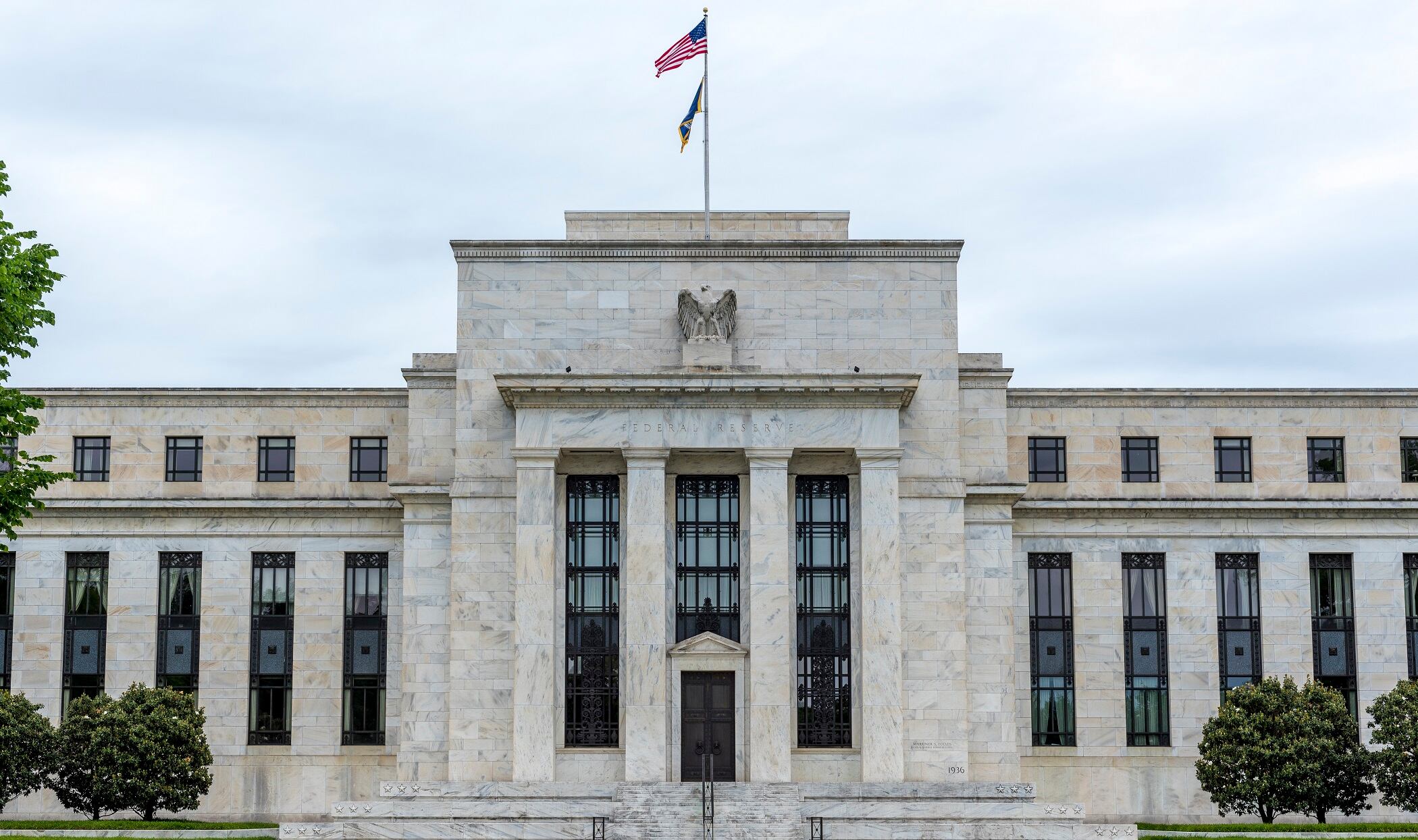
With the Fed about to the announce a 25 basis point interest rate hike on Wednesday, what exactly does this mean for investors, consumers, and businesses?
Ukrainian President Volodymyr Zelenskyy has summoned the memory of Pearl Harbor and the Sept. 11 terror attacks in an impassioned video plea to Congress to send more help for Ukraine’s fight against Russia.