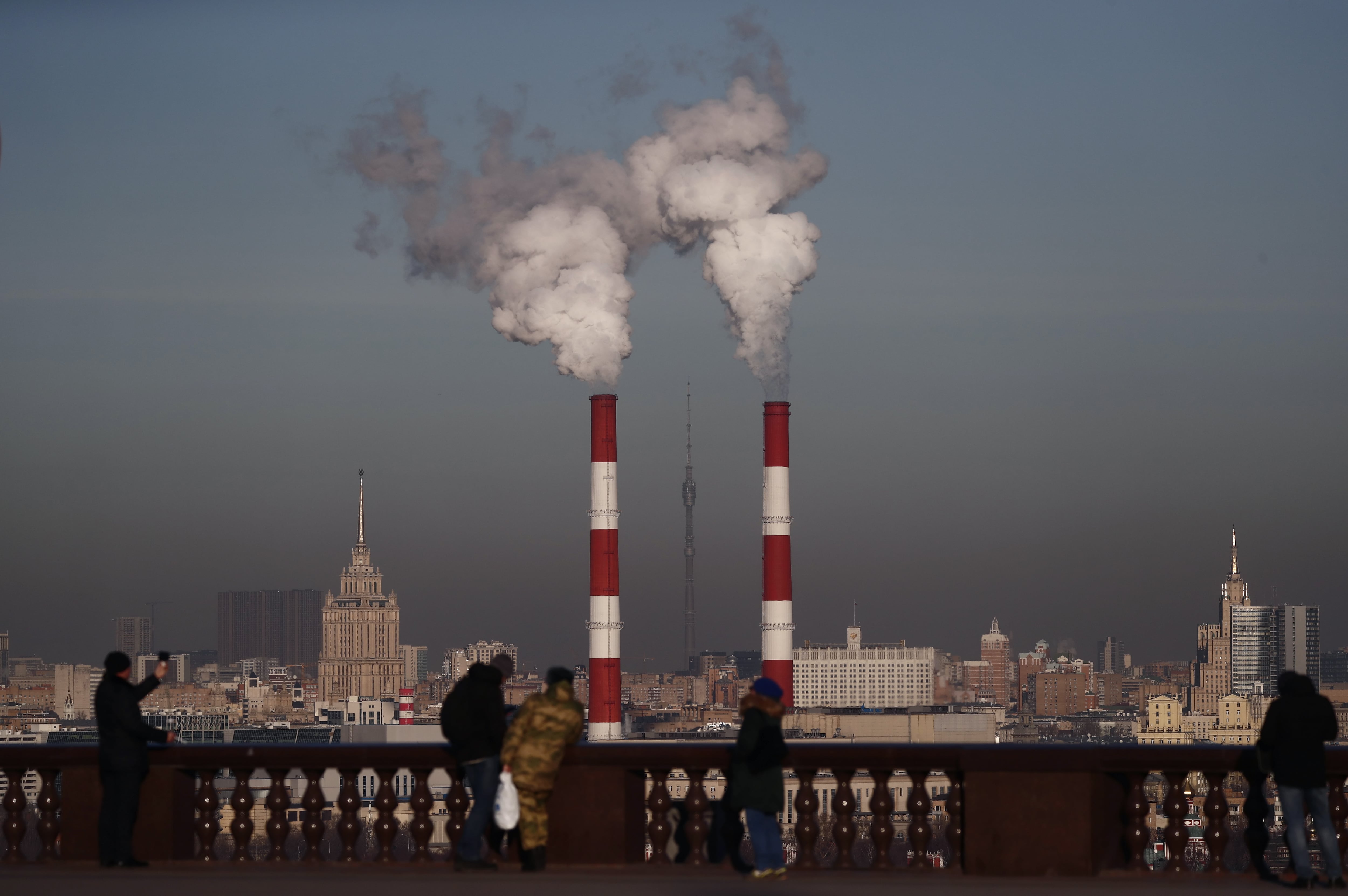
The 2010s amounted to "a decade lost" for slowing climate change, as nations around the world failed to substantially rein-in the heat-trapping emissions generated by power plants, factories, cars and trucks, and other sources that burn fossil fuels, a United Nations report said Tuesday.
The Earth's average temperature is now on track to soar by close to 4 degrees Celsius – or 7.2 degrees Fahrenheit – by the end of the century compared to pre-industrial levels. Scientists have broadly concluded that the planet needs to keep warming to within 2 degrees Celsius, or 3.6 degrees Fahrenheit, to avoid the most catastrophic impacts of climate change.
Rapid rates of warming, meanwhile, are already essentially locked-in: Even ambitious new efforts to slash carbon emissions, as represented in nations' commitments under the 2015 Paris climate accord, will still produce 2.9 to 3.4 degrees of warming.
The report, from the UN's World Meteorological Organization, renewed calls for yet more urgent action to drastically reduce emissions around the world.
"There is no sign of a slowdown, let alone a decline, in greenhouse gases concentration in the atmosphere despite all the commitments under the Paris Agreement on Climate Change," WMO Secretary-General Petteri Taalas said in a statement. "We need to translate the commitments into action and increase the level of ambition for the sake of the future welfare of mankind."
Despite rapid growth in renewable energy sources such as wind and solar, sharp declines in coal-fired power generation in developed nations, and recent high-profile investments in electric vehicles and EV charging infrastructure, global emissions are next expected to peak by the end of the next decade.
"The effects of climate policies have been too small to offset the impact of key drivers of emissions such as economic growth and population growth," the report said, characterizing the finding as a "rather bleak fact."
Already, the amount of carbon dioxide in the atmosphere is comparable to 3-5 million years ago, when temperatures were roughly 2-3 degrees warmer and sea levels were 30-60 feet higher, the WMO said.
"In this critical period, the world must deliver concrete, stepped-up action on emissions," Inger Andersen, executive director of the UN Environment Programme said in a statement. "We face a stark choice: set in motion the radical transformations we need now, or face the consequences of a planet radically altered by climate change."
Meet the new generation running for office in the midterm elections. Maxwell Frost, a 24-year-old Democrat, is the youngest candidate running for Florida’s 10th congressional district. A member of Gen Z (those born after 1996) Frost spoke to Cheddar about objectives that he believes are top of mind for his age bracket, including tackling gun violence, healthcare for all, and LGBTQ+ rights, especially in light of his state's recently enacted, so-called “Don’t Say Gay" law.
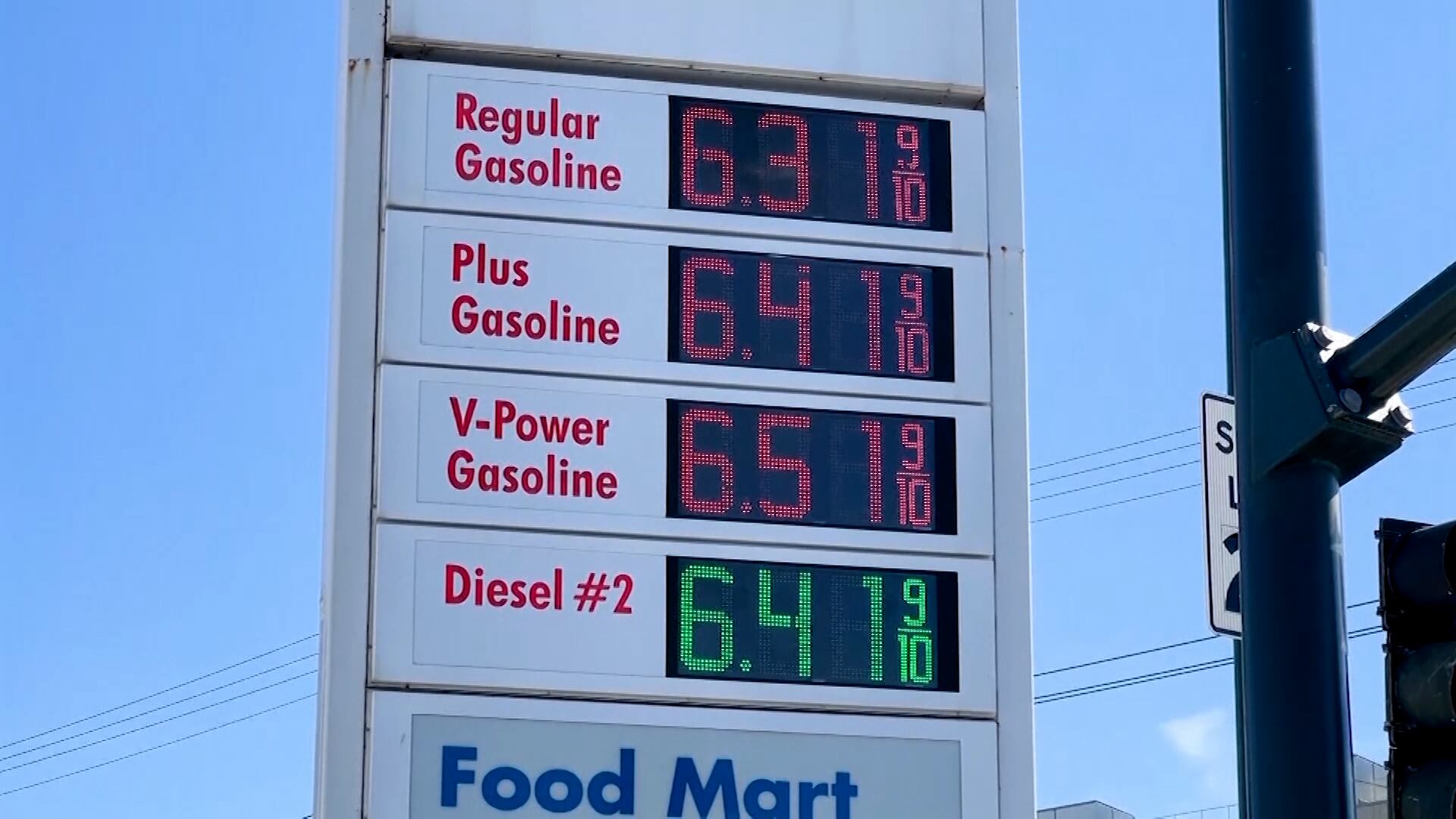
President Biden has announced a historic release of oil from the U.S. reserves in an attempt to cut down surging gas prices across the country. The administration will release 1 million barrels of oil per day for the next six months, marking the largest withdrawal in the nearly 50-year history of the country's emergency supply of oil. Patrick DeHaan, Head of Petroleum Analysis at GasBuddy, breaks down why the Biden administration is making this unprecedented move, and what impact it could have on prices at the pump.
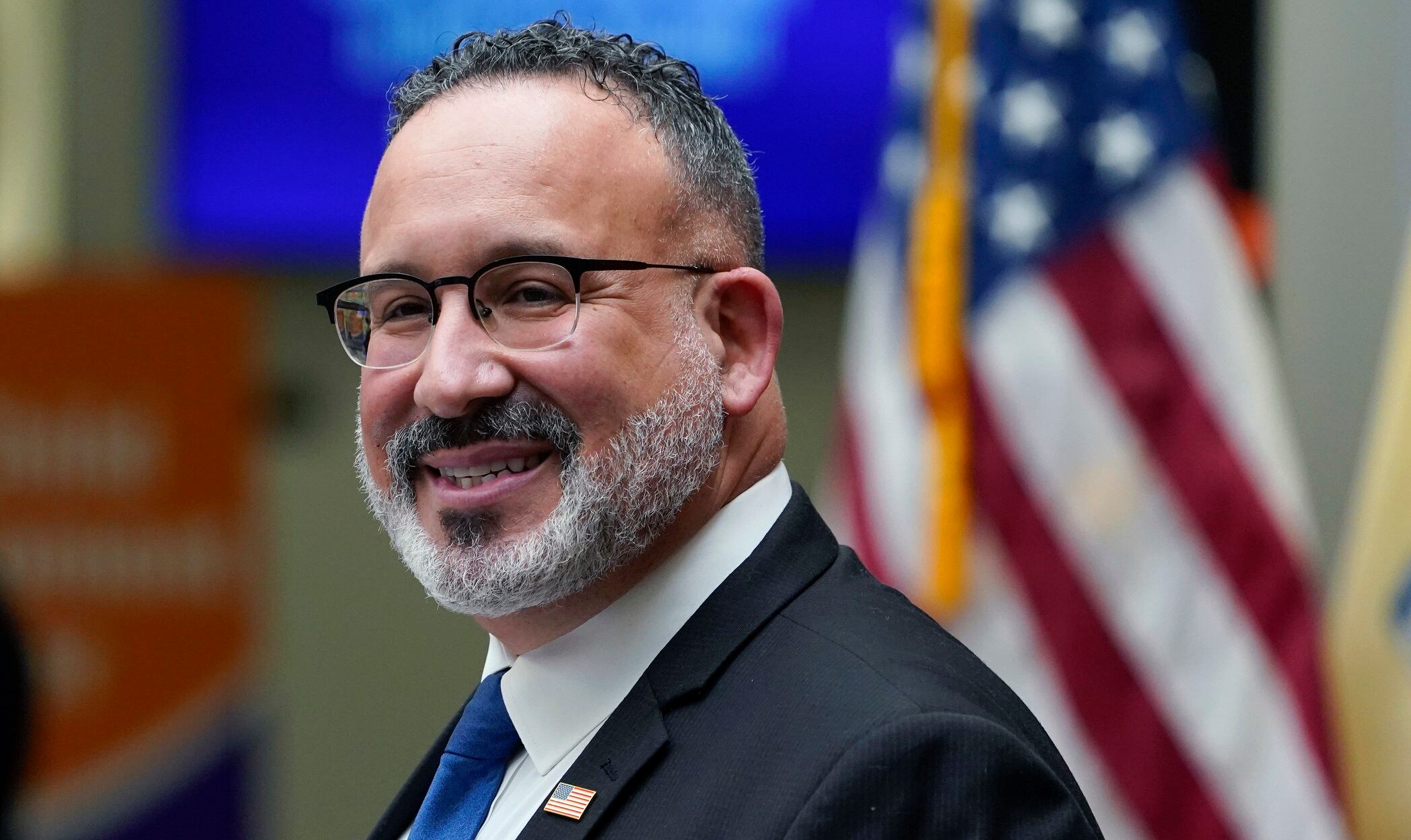
The Biden administration plans to freeze federal student loan payments through Aug. 31, extending a moratorium that has allowed millions of Americans to postpone payments during the coronavirus pandemic.
Catching you up on what you need to know on April 5, 2022, with Biden's call for a war crimes trial for Putin, another arrest made in the Sacramento mass shooting, NYC rolling out a campaign against Florida’s "Don’t Say Gay" bill, an aluminum shortage potentially affecting beer and cat food cans, and more.
After a devastating mass shooting in Sacramento over the weekend that killed six people and wounded a dozen more, arguments about gun reform are also resurfacing. David Pucino, deputy chief counsel at Giffords Law Center to Prevent Gun Violence, joined Cheddar News to talk about efforts to curb gun violence such as community intervention programs — and the more that needs to be done by lawmakers. "One thing that would be really important is at the federal level closing the loopholes that allow for private sales to go forward without a background check," he noted.