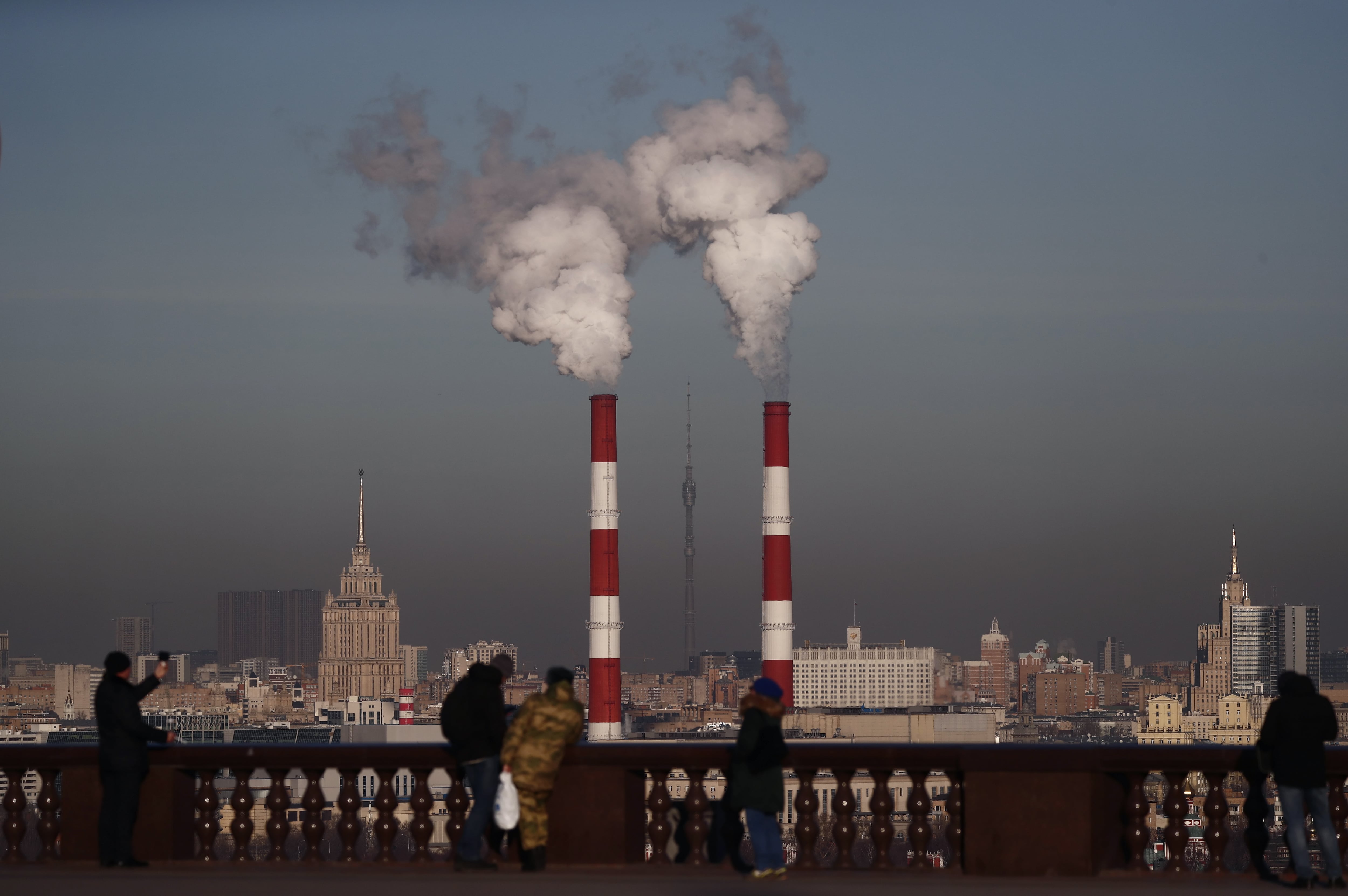
The 2010s amounted to "a decade lost" for slowing climate change, as nations around the world failed to substantially rein-in the heat-trapping emissions generated by power plants, factories, cars and trucks, and other sources that burn fossil fuels, a United Nations report said Tuesday.
The Earth's average temperature is now on track to soar by close to 4 degrees Celsius – or 7.2 degrees Fahrenheit – by the end of the century compared to pre-industrial levels. Scientists have broadly concluded that the planet needs to keep warming to within 2 degrees Celsius, or 3.6 degrees Fahrenheit, to avoid the most catastrophic impacts of climate change.
Rapid rates of warming, meanwhile, are already essentially locked-in: Even ambitious new efforts to slash carbon emissions, as represented in nations' commitments under the 2015 Paris climate accord, will still produce 2.9 to 3.4 degrees of warming.
The report, from the UN's World Meteorological Organization, renewed calls for yet more urgent action to drastically reduce emissions around the world.
"There is no sign of a slowdown, let alone a decline, in greenhouse gases concentration in the atmosphere despite all the commitments under the Paris Agreement on Climate Change," WMO Secretary-General Petteri Taalas said in a statement. "We need to translate the commitments into action and increase the level of ambition for the sake of the future welfare of mankind."
Despite rapid growth in renewable energy sources such as wind and solar, sharp declines in coal-fired power generation in developed nations, and recent high-profile investments in electric vehicles and EV charging infrastructure, global emissions are next expected to peak by the end of the next decade.
"The effects of climate policies have been too small to offset the impact of key drivers of emissions such as economic growth and population growth," the report said, characterizing the finding as a "rather bleak fact."
Already, the amount of carbon dioxide in the atmosphere is comparable to 3-5 million years ago, when temperatures were roughly 2-3 degrees warmer and sea levels were 30-60 feet higher, the WMO said.
"In this critical period, the world must deliver concrete, stepped-up action on emissions," Inger Andersen, executive director of the UN Environment Programme said in a statement. "We face a stark choice: set in motion the radical transformations we need now, or face the consequences of a planet radically altered by climate change."
Catching you up on what you need to know on April 13, 2022, with President Biden referring to the Russian invasion of Ukraine as a genocide, a suspect has been identified in the Brooklyn subway shooting that injured 23 people, New York’s lieutenant governor has resigned due to bribery allegations, and more.
A shooter opened fire inside a busy subway car in New York on Tuesday creating chaos. Cheddar News speaks with Ralph Cilento, Professor of Police Science at John Jay College of Criminal Justice who gives tips on how to proceed in active shooter situations.
David Katz, a former federal agent with the Department of Justice, and currently founder, CEO, and owner of Global Security Group, joined Cheddar News to talk about the Tuesday mass shooting on a subway train in Brooklyn, N.Y. even as local authorities have so far stated it was not being investigated as a potential terrorist attack. "At this point between the commissioner of the NYPD and the governor of New York, they're almost saying, 'well, it's an active shooter incident.' Okay, but active shooter incidents can also be motivated by terrorism, so until we know motive, we can't make that conclusion at all," Katz said.
Catching you up with what you need to know on Apr 12, 2022, with Russia concentrating forces in eastern Ukraine, rising inflation, severe weather from Minnesota to the Gulf Coast, Philadelphia brings back its indoor mask mandate, PG&E pays $55 million for wildfire settlement, and more
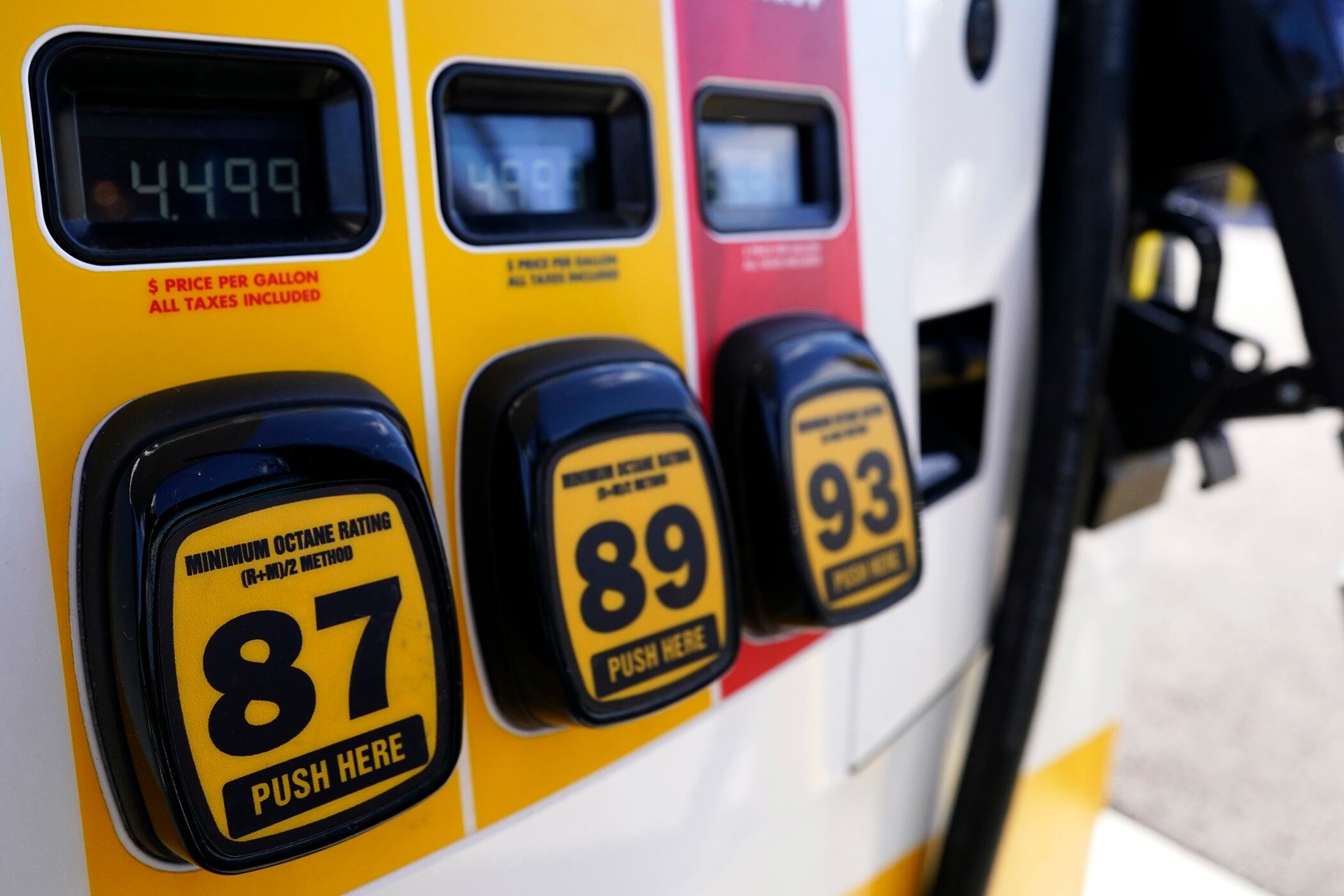
President Joe Biden is visiting corn-rich Iowa to announce he’ll suspend a federal rule preventing the sale of higher ethanol blend gasoline in the summer.
The March consumer price index showed a 1.2 percent month-over-month increase and 8.5 percent increase from a year ago, which was the highest reading since 1981.
U.S. stocks saw a jump in the final hour of Thursday's session, and ultimately closed slightly higher for the day. Tim Pagliara, Chief Investment Officer of CapWealth, joined Cheddar News' Closing Bell to discuss. "The markets have had to digest a lot of action from the federal reserve this quarter and it's affecting everything from mortgage rates to how they value stocks," he said.
Rukmani Bhatia, Senior Federal Affairs Manager at Giffords, joined Cheddar News' Closing Bell to discuss the importance of regulating ghost guns as a way to curb U.S. gun violence, which kills more than 40,000 Americans every year.
Gary Schlossberg, Global Strategist at Wells Fargo Investment Institute, joined Cheddar News' Closing Bell to discuss the dire situation caused by Russia's war on Ukraine, as the region is key for exporting grains and corn, and as the UN Food & Agriculture Organization says food prices rose to the highest levels ever in March.