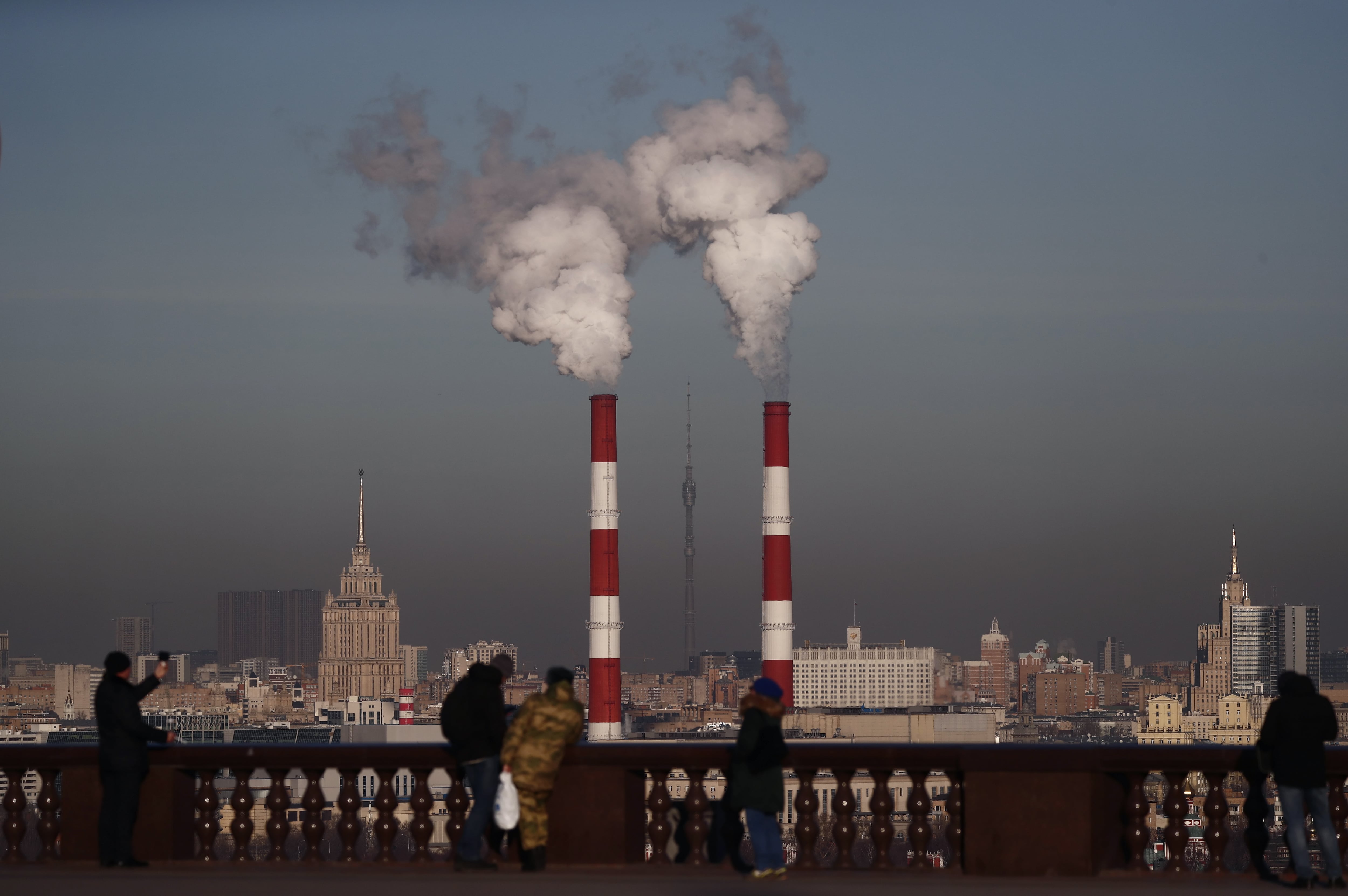
The 2010s amounted to "a decade lost" for slowing climate change, as nations around the world failed to substantially rein-in the heat-trapping emissions generated by power plants, factories, cars and trucks, and other sources that burn fossil fuels, a United Nations report said Tuesday.
The Earth's average temperature is now on track to soar by close to 4 degrees Celsius – or 7.2 degrees Fahrenheit – by the end of the century compared to pre-industrial levels. Scientists have broadly concluded that the planet needs to keep warming to within 2 degrees Celsius, or 3.6 degrees Fahrenheit, to avoid the most catastrophic impacts of climate change.
Rapid rates of warming, meanwhile, are already essentially locked-in: Even ambitious new efforts to slash carbon emissions, as represented in nations' commitments under the 2015 Paris climate accord, will still produce 2.9 to 3.4 degrees of warming.
The report, from the UN's World Meteorological Organization, renewed calls for yet more urgent action to drastically reduce emissions around the world.
"There is no sign of a slowdown, let alone a decline, in greenhouse gases concentration in the atmosphere despite all the commitments under the Paris Agreement on Climate Change," WMO Secretary-General Petteri Taalas said in a statement. "We need to translate the commitments into action and increase the level of ambition for the sake of the future welfare of mankind."
Despite rapid growth in renewable energy sources such as wind and solar, sharp declines in coal-fired power generation in developed nations, and recent high-profile investments in electric vehicles and EV charging infrastructure, global emissions are next expected to peak by the end of the next decade.
"The effects of climate policies have been too small to offset the impact of key drivers of emissions such as economic growth and population growth," the report said, characterizing the finding as a "rather bleak fact."
Already, the amount of carbon dioxide in the atmosphere is comparable to 3-5 million years ago, when temperatures were roughly 2-3 degrees warmer and sea levels were 30-60 feet higher, the WMO said.
"In this critical period, the world must deliver concrete, stepped-up action on emissions," Inger Andersen, executive director of the UN Environment Programme said in a statement. "We face a stark choice: set in motion the radical transformations we need now, or face the consequences of a planet radically altered by climate change."
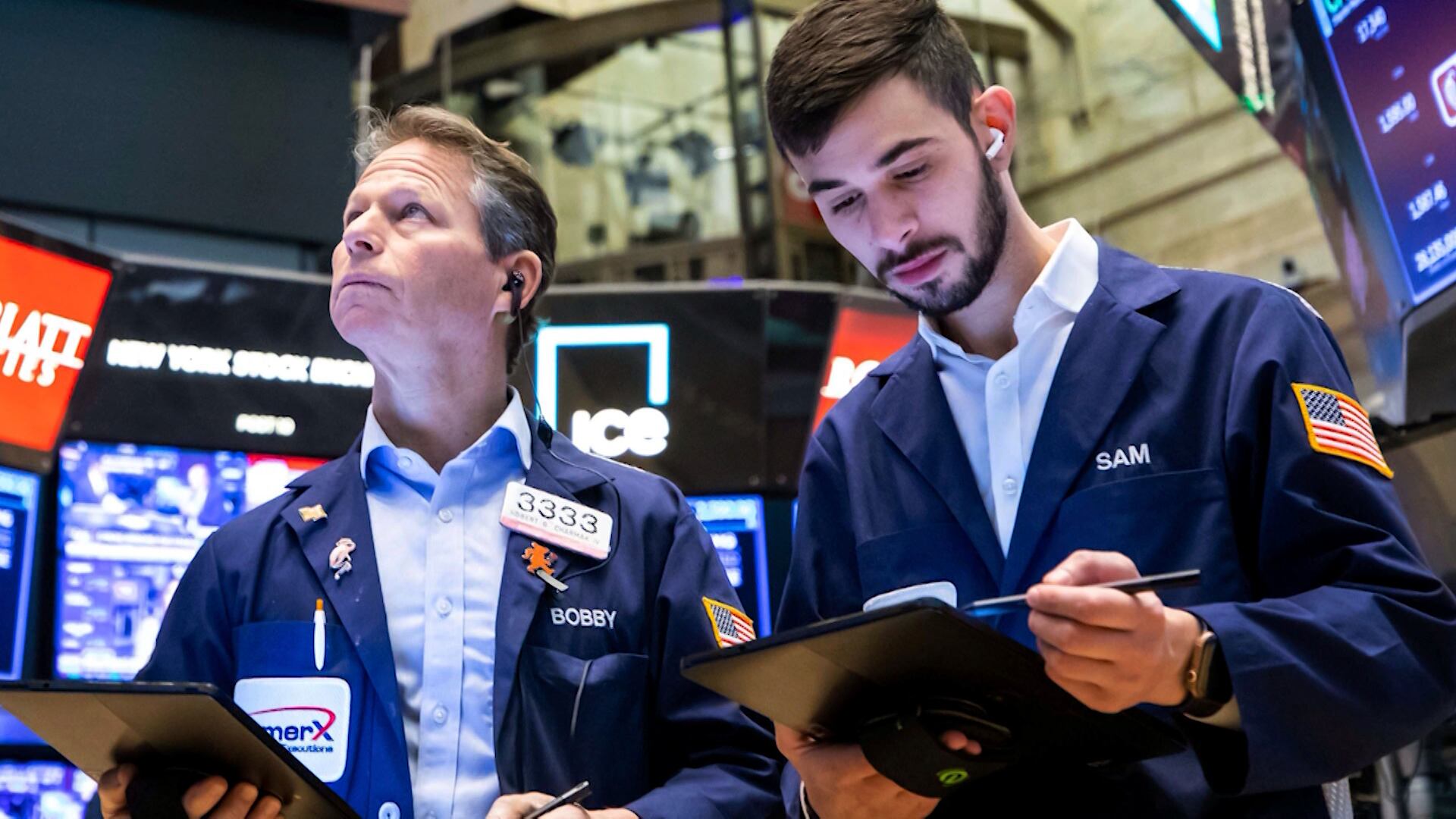
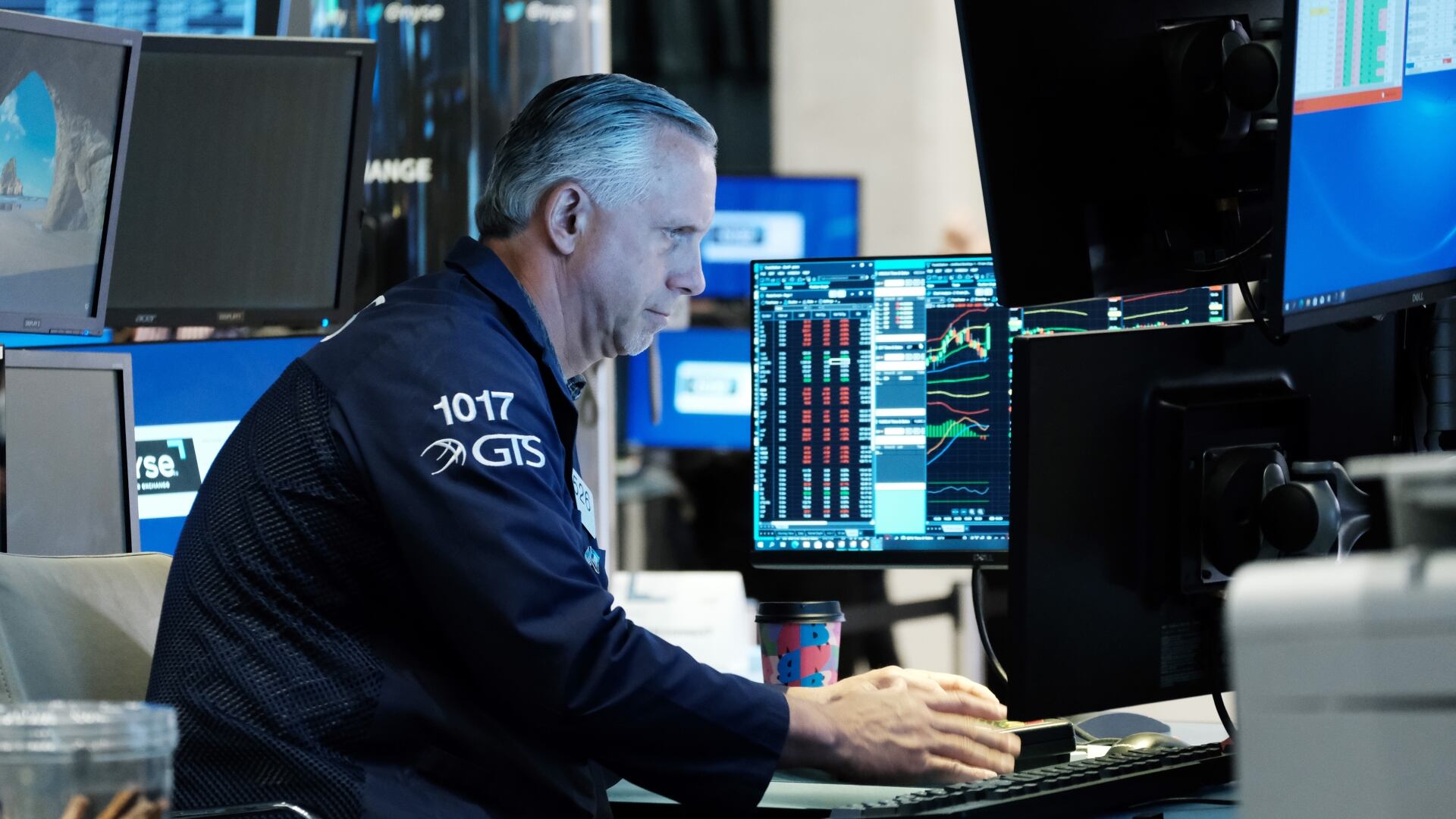
U.S. stocks close Monday's session slight higher Monday as investors continue to monitor whether the economy will successfully avoid a recession. For many, fears over inflation and rising interest rates. Tommy Mancuso, president and co-founder of the Bad Investment Company, joins Cheddar News' Closing Bell to discuss.
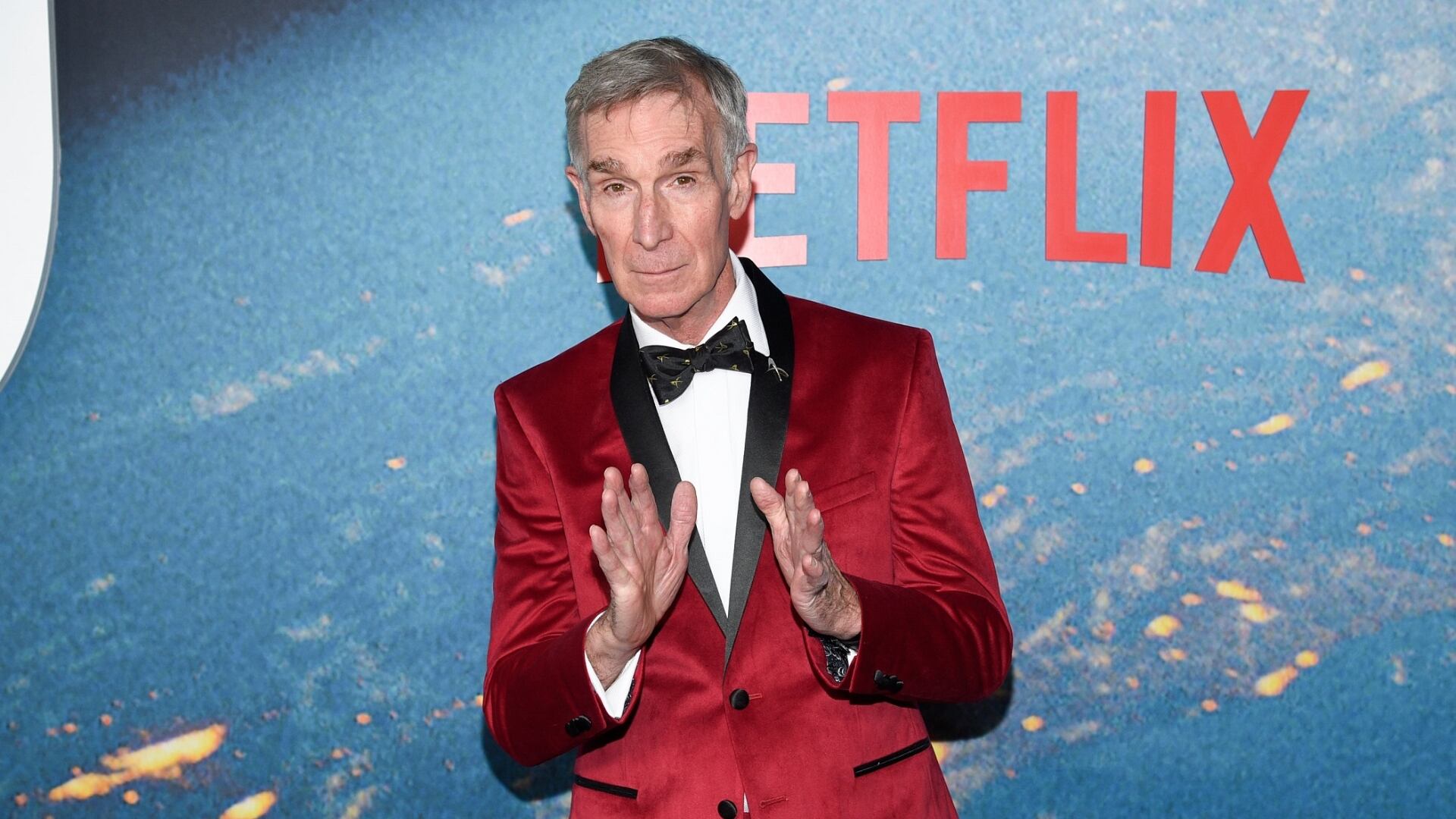
Bill Nye the Science Guy is back but on an even smaller screen. America’s favorite science teacher has racked up more than eight million followers on TikTok, and he joined Cheddar News to talk about his success on the platform, having fun but also being serious about scientific topics like tackling climate change, and his newest hosting project "The End is Nye," a streaming show on Peacock that examines disasters — both natural and manmade. "There are six episodes. We have big disasters. Things go terribly wrong, and then we show you how things could have gone right," he explained.
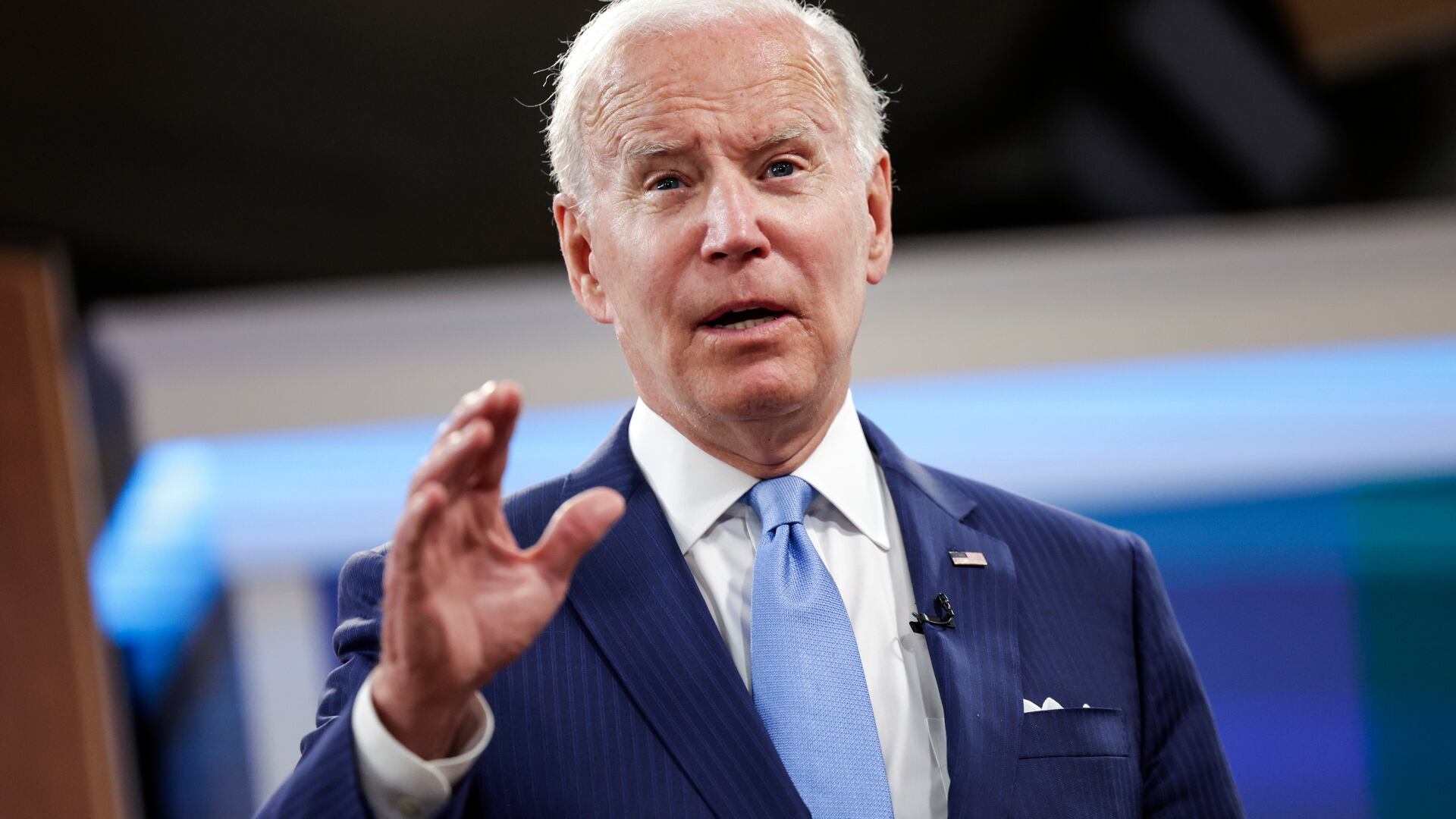
Cheddar Politics takes a look at the Biden Administration's effort to center inflation concerns in the White House's economic policies. Reuters White House reporter Jeff Mason joins Cheddar News to discuss what the White House is doing and what more it can do to help fix economic issues.
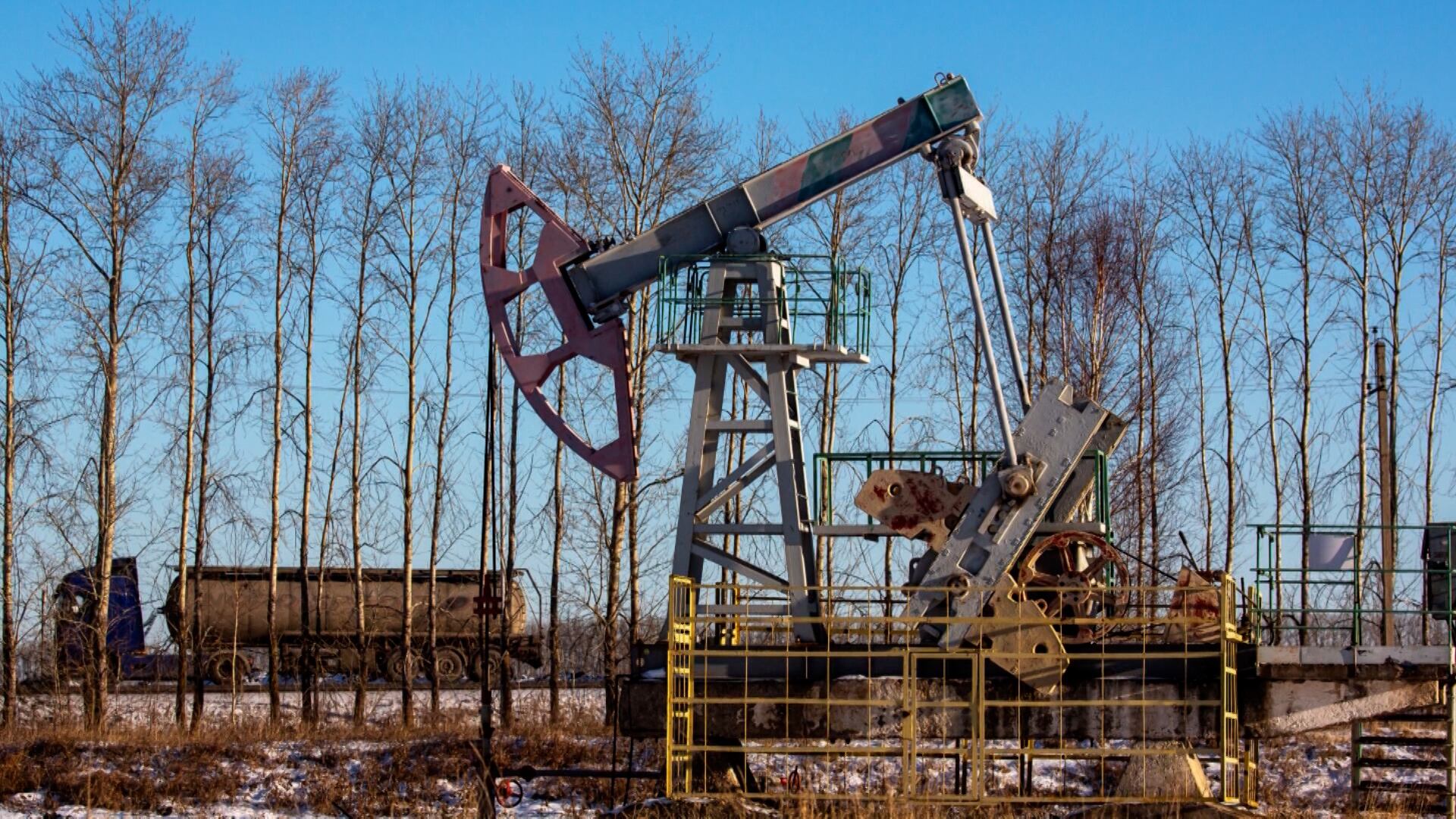
In another round of sweeping sanctions against Russia for its war on Ukraine, European Union leaders have agreed to ban the vast majority of Russian oil by the end of the year. But, the embargo covers only Russian oil brought in by sea, allowing an exemption for fuel imported via pipeline. Christine McDaniel, a senior fellow with the Mercatus Center, discusses just how significant this deal is, and what impact it might have on the global energy sector.
Catching you up on what you need to know on Monday, June 6, 2022, a string of mass shootings across the country this weekend, UK Prime Minister Boris Johnson faces a no-confidence vote this morning, and Tropical Storm Alex floods Miami.
U.S. stocks closed Friday's session near session to cap off the week in the red. The disappointing end to the day and week follows a lukewarm May jobs report from the Labor Department and comes as investors continue to eye future rate hikes from the Federal Reserve. Callie Cox, U.S. Investment Analyst for eToro, joins Cheddar News' Closing Bell to discuss.
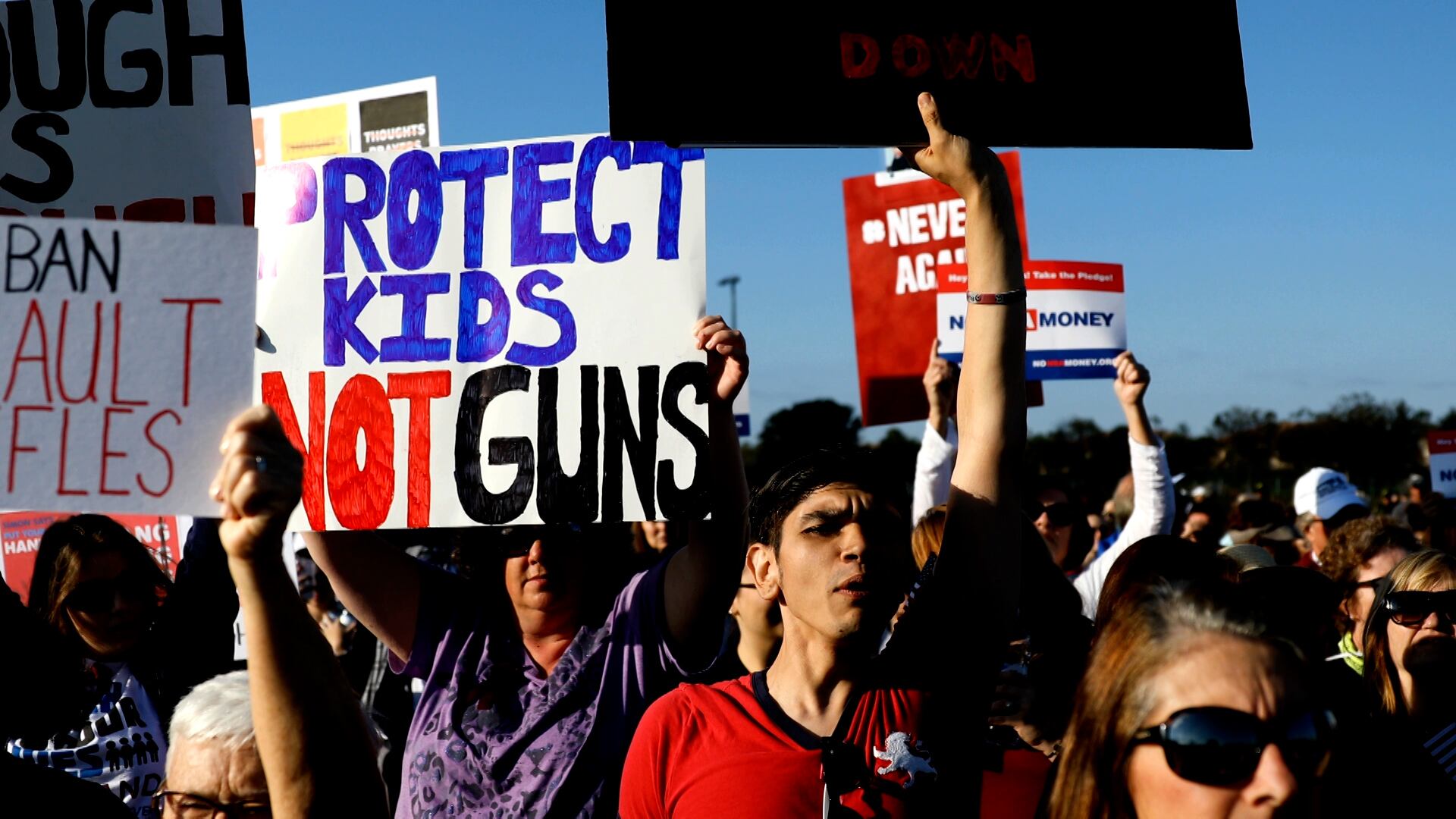
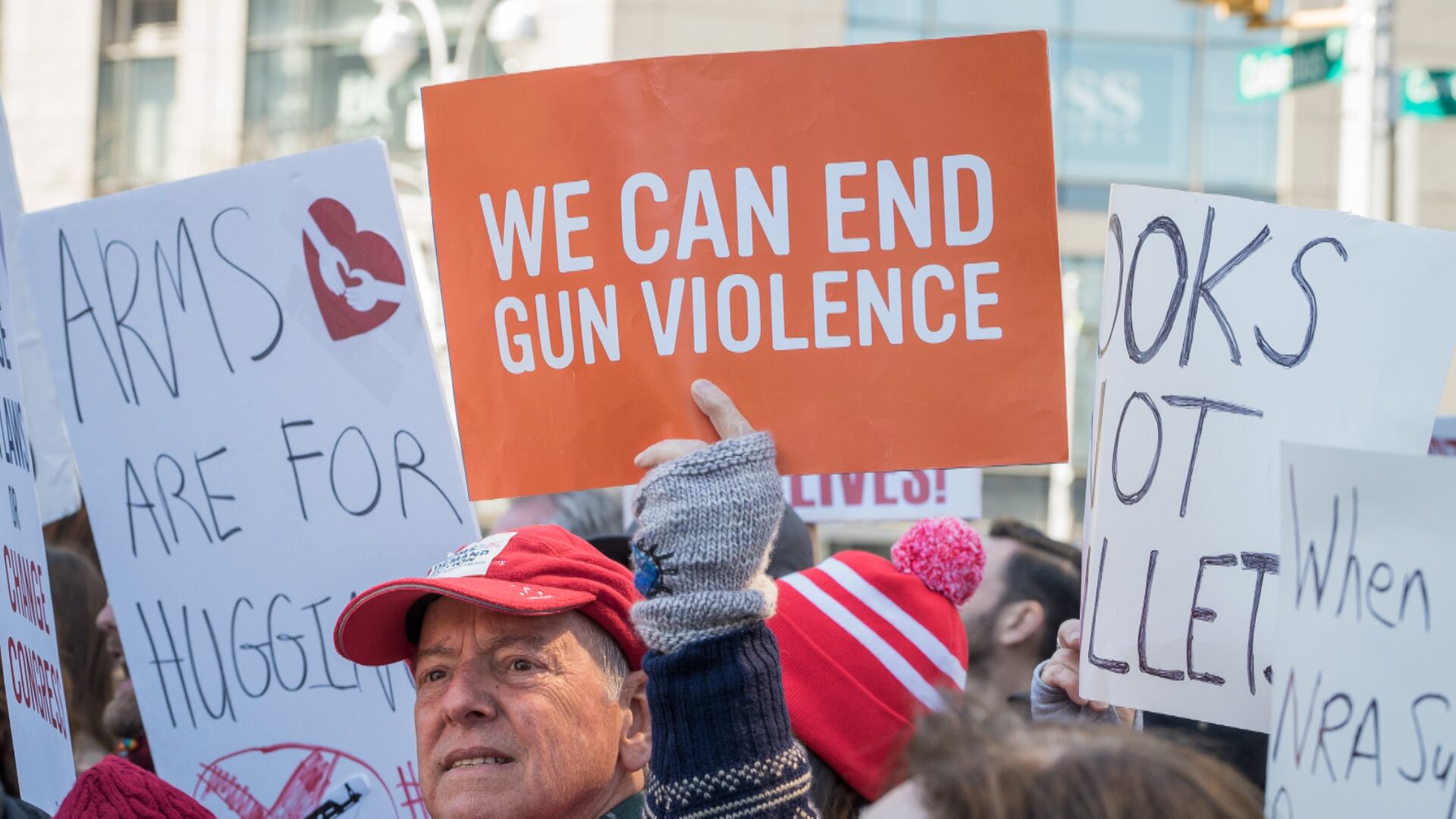
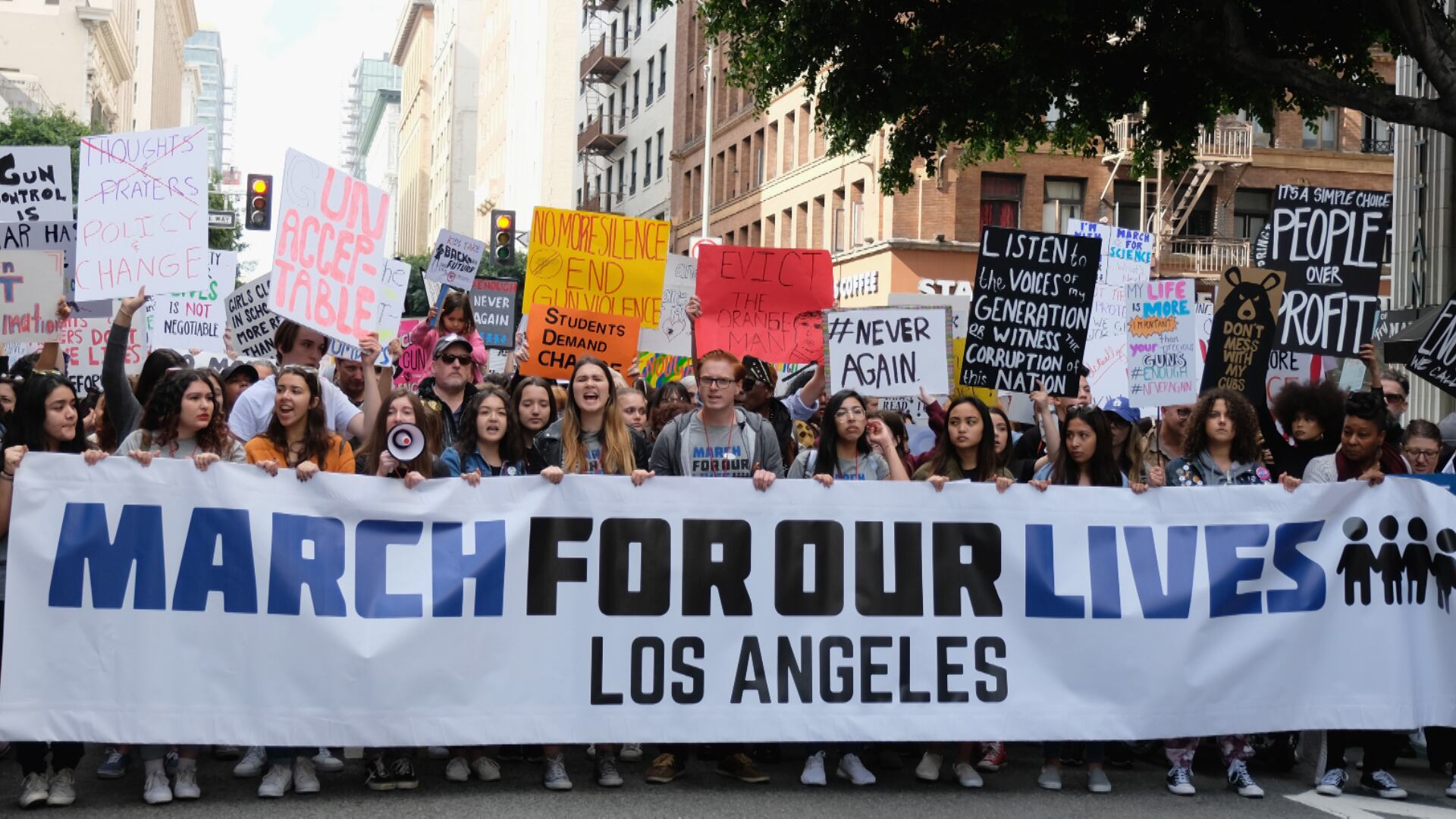
While the United States struggles with mass shootings, other countries have had success with gun regulations - often after their own mass shootings. On this Gun Awareness Day, Cheddar's Shannon LaNier reports on steps some other countries have taken to stop gun violence.
Join Cheddar News as we break down the Need 2 Know headlines this morning including Gun Violence Awareness Day, how to prevent mass shootings, and the president's comments on gun control.