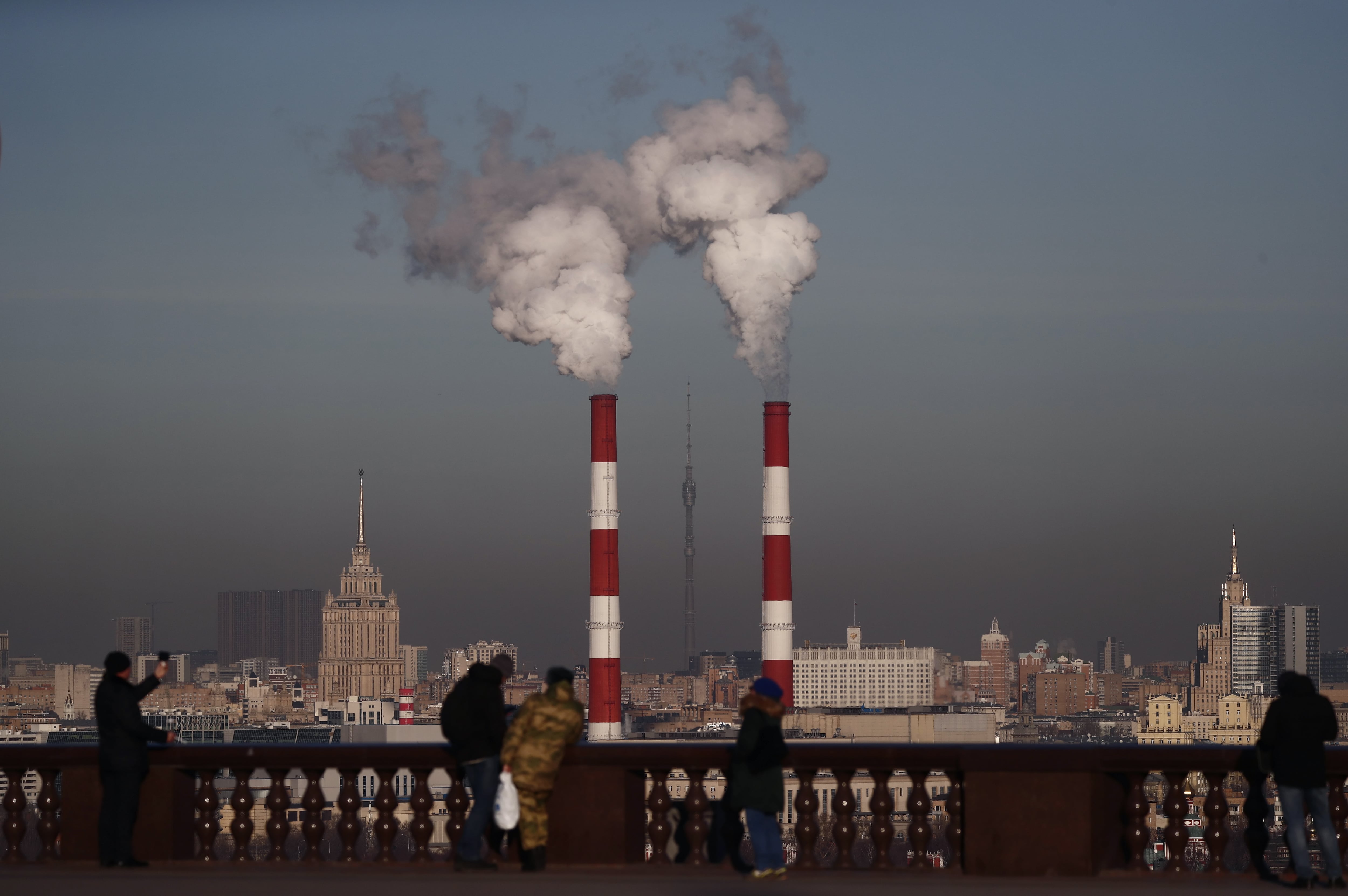
The 2010s amounted to "a decade lost" for slowing climate change, as nations around the world failed to substantially rein-in the heat-trapping emissions generated by power plants, factories, cars and trucks, and other sources that burn fossil fuels, a United Nations report said Tuesday.
The Earth's average temperature is now on track to soar by close to 4 degrees Celsius – or 7.2 degrees Fahrenheit – by the end of the century compared to pre-industrial levels. Scientists have broadly concluded that the planet needs to keep warming to within 2 degrees Celsius, or 3.6 degrees Fahrenheit, to avoid the most catastrophic impacts of climate change.
Rapid rates of warming, meanwhile, are already essentially locked-in: Even ambitious new efforts to slash carbon emissions, as represented in nations' commitments under the 2015 Paris climate accord, will still produce 2.9 to 3.4 degrees of warming.
The report, from the UN's World Meteorological Organization, renewed calls for yet more urgent action to drastically reduce emissions around the world.
"There is no sign of a slowdown, let alone a decline, in greenhouse gases concentration in the atmosphere despite all the commitments under the Paris Agreement on Climate Change," WMO Secretary-General Petteri Taalas said in a statement. "We need to translate the commitments into action and increase the level of ambition for the sake of the future welfare of mankind."
Despite rapid growth in renewable energy sources such as wind and solar, sharp declines in coal-fired power generation in developed nations, and recent high-profile investments in electric vehicles and EV charging infrastructure, global emissions are next expected to peak by the end of the next decade.
"The effects of climate policies have been too small to offset the impact of key drivers of emissions such as economic growth and population growth," the report said, characterizing the finding as a "rather bleak fact."
Already, the amount of carbon dioxide in the atmosphere is comparable to 3-5 million years ago, when temperatures were roughly 2-3 degrees warmer and sea levels were 30-60 feet higher, the WMO said.
"In this critical period, the world must deliver concrete, stepped-up action on emissions," Inger Andersen, executive director of the UN Environment Programme said in a statement. "We face a stark choice: set in motion the radical transformations we need now, or face the consequences of a planet radically altered by climate change."
As negotiations drag on in Washington, DC over President Biden's social spending bills, Senate Democrats have introduced a new idea to fund Biden's plans: taxing the unrealized capital gains held by billionaires. Barron's reporter Sabrina Escobar joins Cheddar News' Closing Bell, where she explains what's in the billionaire tax proposal, who it will impact, and why it's on the table.
Hunter Walker joins Cheddar News to talk about his report in Rolling Stone that revealed how members of Congress and the White House helped plan the protest that turned violent on January 6.
Jill and Carlo discuss the pending approval for Pfizer's vaccine for kids, the state of anti-Semitism three years after Tree of Life, potential criminal charges in the 'Rust' prop gun shooting and more.
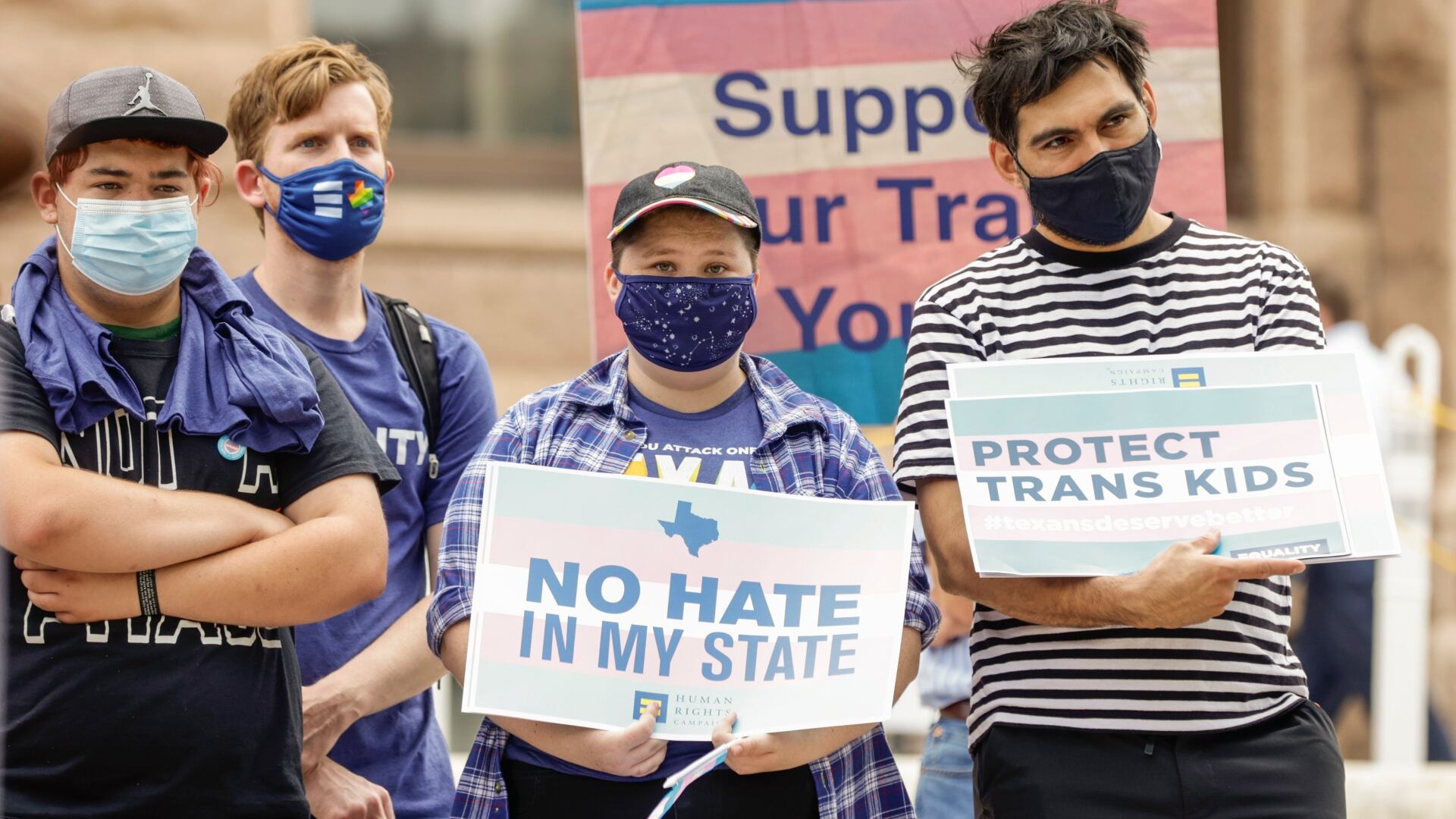
Texas Governor Greg Abbott, a Republican, signed a bill into law on Tuesday that restricts transgender students from playing on sports teams that correspond with their gender identity. Democratic State Representative Mary E. Gonzalez joined Cheddar to discuss the ramifications for transgender youth the new law represents. She also disputed the bill's proponents who argue that the measure is a matter of fairness for girls in sports, noting that various medical groups have affirmed that transgender athletes do not inherently hold an advantage over cisgender ones.
COP26 been dealt a blow as Chinese President Xi Jinping and Russian President Vladimir Putin, whose countries are responsible for a third of the world's annual greenhouse gas emissions, will not be in attendance. Bertrand Piccard, Chairman and Founder of the Solar Impulse Foundation, joins Cheddar Climate, where he discusses what he expects to see when the summit commences in Glasgow.
Social media platforms TikTok, Snapchat, and YouTube are facing questions in DC about consumer protections, data security, and product safety for young users. Emily Birnbaum, tech lobbying and influence reporter at Politico, joined Cheddar to provide some background into what led to the congressional hearing and the potential outcome. Birnbaum noted that social media platforms have been attempting to distance themselves from Facebook and the ongoing bad press it garnered in recent months.