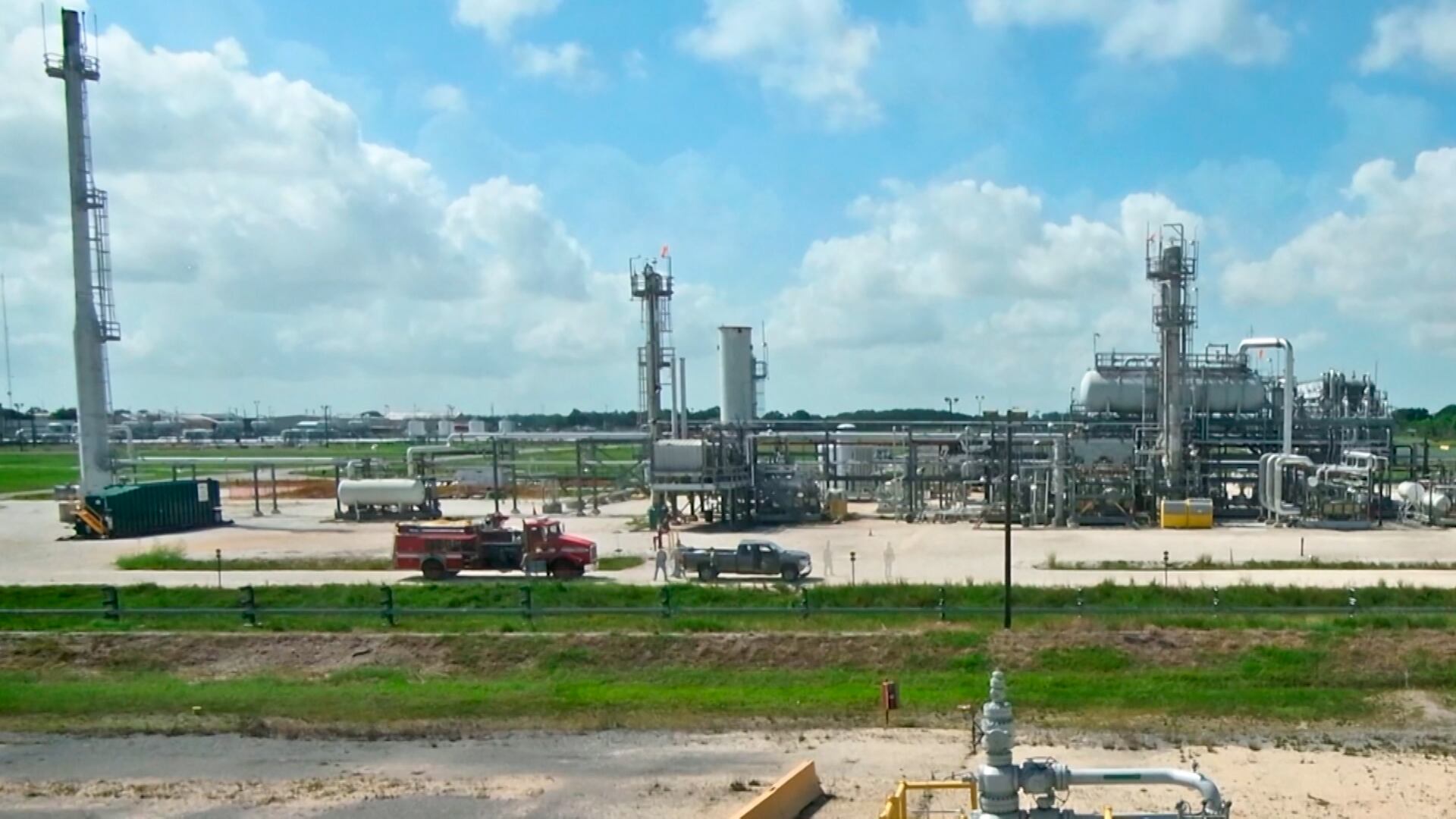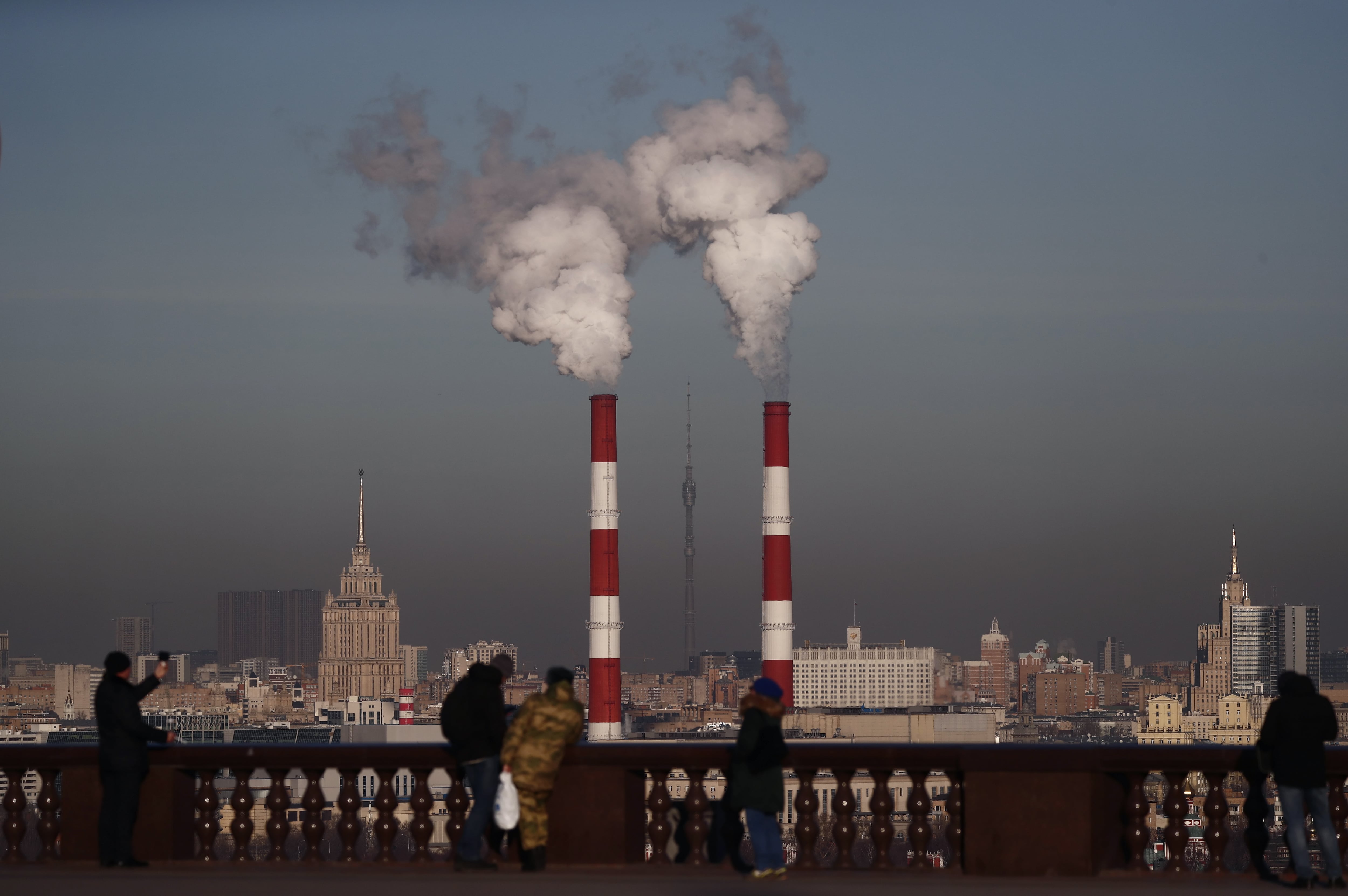
The 2010s amounted to "a decade lost" for slowing climate change, as nations around the world failed to substantially rein-in the heat-trapping emissions generated by power plants, factories, cars and trucks, and other sources that burn fossil fuels, a United Nations report said Tuesday.

The Earth's average temperature is now on track to soar by close to 4 degrees Celsius – or 7.2 degrees Fahrenheit – by the end of the century compared to pre-industrial levels. Scientists have broadly concluded that the planet needs to keep warming to within 2 degrees Celsius, or 3.6 degrees Fahrenheit, to avoid the most catastrophic impacts of climate change.

Rapid rates of warming, meanwhile, are already essentially locked-in: Even ambitious new efforts to slash carbon emissions, as represented in nations' commitments under the 2015 Paris climate accord, will still produce 2.9 to 3.4 degrees of warming.

The report, from the UN's World Meteorological Organization, renewed calls for yet more urgent action to drastically reduce emissions around the world.

"There is no sign of a slowdown, let alone a decline, in greenhouse gases concentration in the atmosphere despite all the commitments under the Paris Agreement on Climate Change," WMO Secretary-General Petteri Taalas said in a statement. "We need to translate the commitments into action and increase the level of ambition for the sake of the future welfare of mankind."

Despite rapid growth in renewable energy sources such as wind and solar, sharp declines in coal-fired power generation in developed nations, and recent high-profile investments in electric vehicles and EV charging infrastructure, global emissions are next expected to peak by the end of the next decade.

"The effects of climate policies have been too small to offset the impact of key drivers of emissions such as economic growth and population growth," the report said, characterizing the finding as a "rather bleak fact."

Already, the amount of carbon dioxide in the atmosphere is comparable to 3-5 million years ago, when temperatures were roughly 2-3 degrees warmer and sea levels were 30-60 feet higher, the WMO said.

"In this critical period, the world must deliver concrete, stepped-up action on emissions," Inger Andersen, executive director of the UN Environment Programme said in a statement. "We face a stark choice: set in motion the radical transformations we need now, or face the consequences of a planet radically altered by climate change."
Share:
More In Politics
SCOTUS Mississippi Abortion Rights Case 'Direct Challenge' to Roe v. Wade
The Supreme Court will be hearing arguments in Dobbs v. Jackson Women's Health on Wednesday over a Mississippi law banning abortions after 15 weeks. Jimmy Hoover, the Supreme Court editor-at-large for Law360, joined Cheddar to break down the momentous legal fight. "This is the biggest abortion case at the Supreme Court in 30 years," he said. "It is a … a direct challenge to Roe v. Wade."
Stocks Plummet Following Fed Chair Powell's Comments on Tapering
Matt Peron, Director of Research at Janus Henderson Investors, joins Cheddar News' Closing Bell, where he breaks down the factors leading to today's market slide and says there's more to it than Fed Chair Jerome Powell's comments about speeding up tapering efforts.
Walmart CEO Praises Biden Efforts to Ease Supply Chain Bottlenecks
Walmart CEO Dough McMillon praised the Biden administration's efforts to ease supply chain constraints after the company saw a 26 percent jump in shipments over the last month. President Joe Biden had announced back in October that California ports would operate on a 24/7 basis.
Omicron Risk, Barbados Drops Queen & Jack Logs Off
Jill and Carlo cover the latest developments with the Omicron variant that are spooking markets once again. Twitter's @Jack is leaving, SCOTUS takes up abortion rights and the world has a brand new republic.
U.S. to Buy 10 Million Courses of Pfizer Covid Pill
The Biden Administration is set to buy 10 million courses of Pfizer's Covid pill if it gains emergency use authorization from the FDA. With this purchase, the U.S. will receive more than 13 million courses of antiviral pills aimed at treating Covid and reducing severe illness and death. Pfizer's pill has been shown to reduce risk of hospitalization and death by 89 percent, proving it could be a key tool in the fight against the pandemic. Dr. Soumi Eachempati, Co-Founder, CEO & CMO of Cleared4, joined Cheddar News to discuss.
Breaking Down the Build Back Better Act's Impact on Affordable Housing
The Build Back Better Act has been at the center of endless negotiations and debate, ultimately landing as a nearly $1.8 trillion plan. One of the highlights is $170 billion dollars for affordable housing, making history as the largest investment in the sector to date. Eliza Collins, politics reporter for The Wall Street Journal, joins Cheddar News to break down the bill.
U.S. to Tap into Oil Reserves to Lower Prices at the Pump
The Biden Administration is releasing 50 million barrels of oil from the U.S. oil reserves in hopes of easing soaring gas prices. Vijay Vaitheeswaran, Global Energy and Climate Innovation Editor at the Economist, joined Cheddar to discuss.
Load More