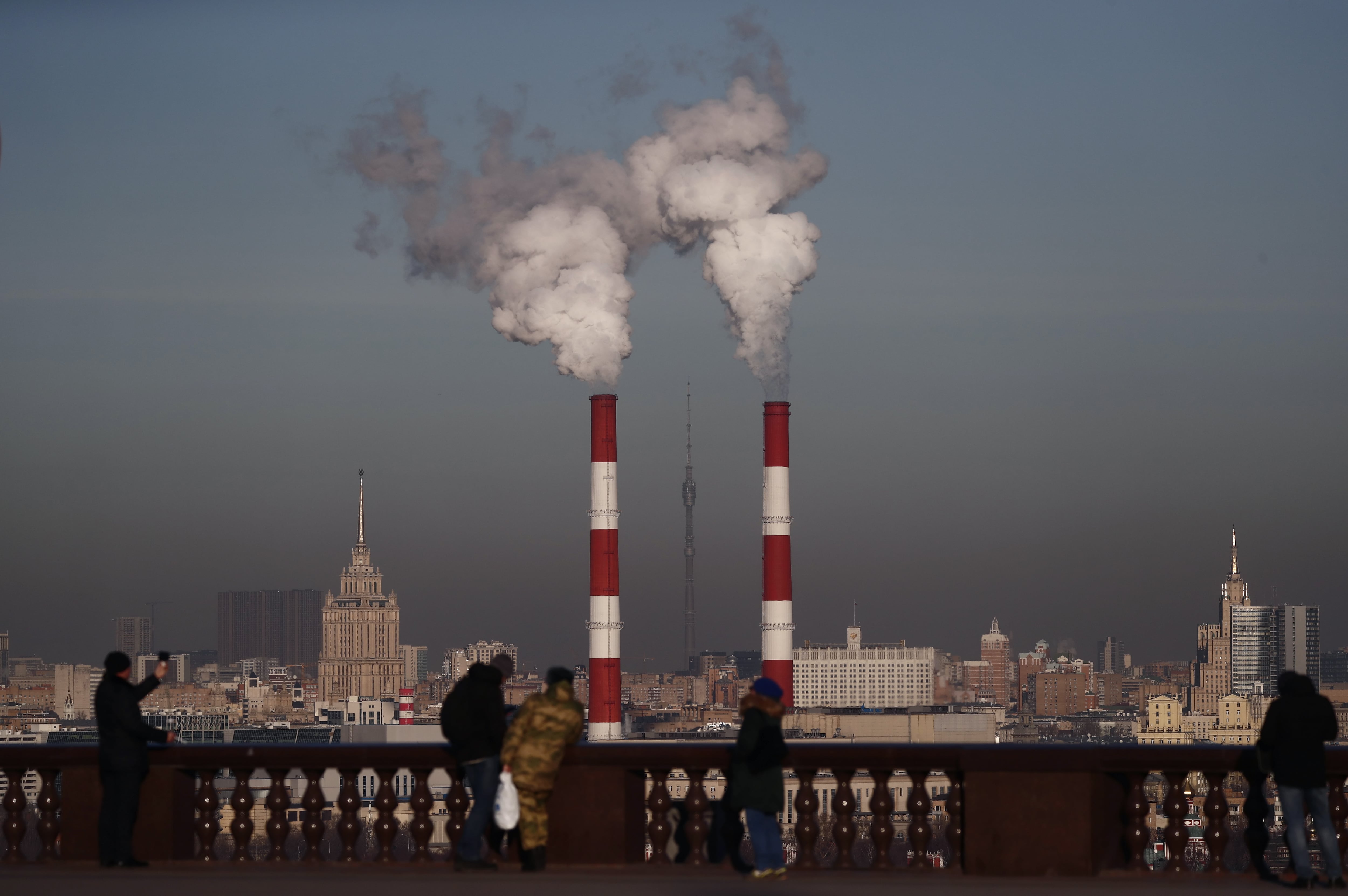
The 2010s amounted to "a decade lost" for slowing climate change, as nations around the world failed to substantially rein-in the heat-trapping emissions generated by power plants, factories, cars and trucks, and other sources that burn fossil fuels, a United Nations report said Tuesday.
The Earth's average temperature is now on track to soar by close to 4 degrees Celsius – or 7.2 degrees Fahrenheit – by the end of the century compared to pre-industrial levels. Scientists have broadly concluded that the planet needs to keep warming to within 2 degrees Celsius, or 3.6 degrees Fahrenheit, to avoid the most catastrophic impacts of climate change.
Rapid rates of warming, meanwhile, are already essentially locked-in: Even ambitious new efforts to slash carbon emissions, as represented in nations' commitments under the 2015 Paris climate accord, will still produce 2.9 to 3.4 degrees of warming.
The report, from the UN's World Meteorological Organization, renewed calls for yet more urgent action to drastically reduce emissions around the world.
"There is no sign of a slowdown, let alone a decline, in greenhouse gases concentration in the atmosphere despite all the commitments under the Paris Agreement on Climate Change," WMO Secretary-General Petteri Taalas said in a statement. "We need to translate the commitments into action and increase the level of ambition for the sake of the future welfare of mankind."
Despite rapid growth in renewable energy sources such as wind and solar, sharp declines in coal-fired power generation in developed nations, and recent high-profile investments in electric vehicles and EV charging infrastructure, global emissions are next expected to peak by the end of the next decade.
"The effects of climate policies have been too small to offset the impact of key drivers of emissions such as economic growth and population growth," the report said, characterizing the finding as a "rather bleak fact."
Already, the amount of carbon dioxide in the atmosphere is comparable to 3-5 million years ago, when temperatures were roughly 2-3 degrees warmer and sea levels were 30-60 feet higher, the WMO said.
"In this critical period, the world must deliver concrete, stepped-up action on emissions," Inger Andersen, executive director of the UN Environment Programme said in a statement. "We face a stark choice: set in motion the radical transformations we need now, or face the consequences of a planet radically altered by climate change."
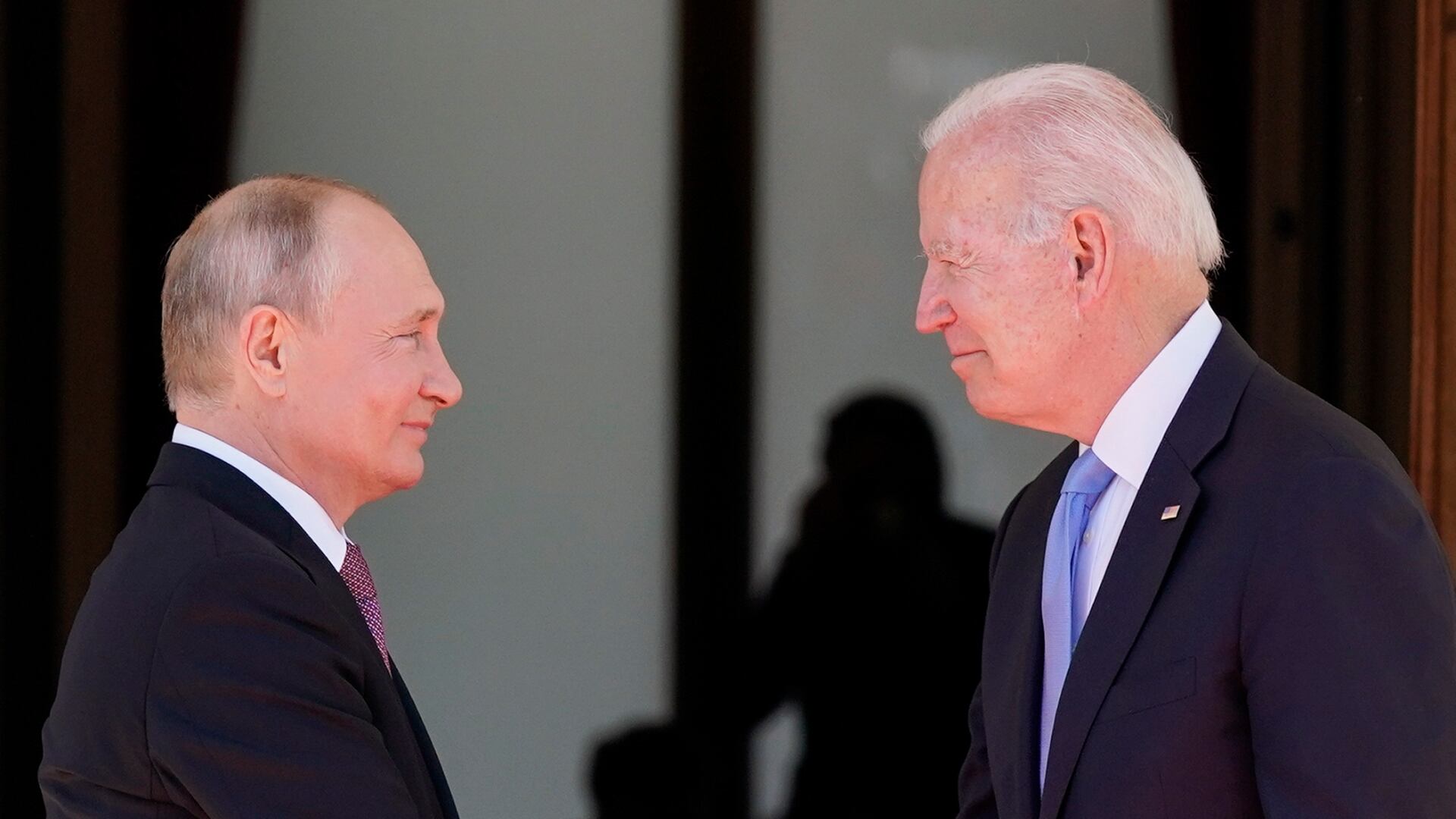
Face to face for just over two hours, President Joe Biden and Russia’s Vladimir Putin squared off in a secure video call Tuesday as the U.S. president put Moscow on notice that an invasion of Ukraine would bring enormous harm to the Russian economy.
Ahead of Instagram head Adam Mosseri's congressional hearing on the mental impact of the social platform on teens, the company announced a number of updates aimed at teen safety.
Troubled Chinese real estate giant Evergrande is once again nearing the brink of collapse. Shares of Evergrande sunk to a new record low on Monday, closing down 20 percent, as debt default fears resurfaced. Drew Bernstein, co-chairman at consultancy MarcumBP, joined Cheddar's Opening Bell to discuss. He said U.S. investors have to understand that "there is no company in China that's too big to fail, that's for sure," and that the Chinese government will be prioritizing the social welfare of the populace. Bernstein did note that it would be a managed collapse in some form.
Joan Greve, a politics reporter at The Guardian US, joined Wake Up With Cheddar to break down the implications of the Biden administration announcing a diplomatic boycott of the 2022 Beijing games in response to allegations of human rights abuses against Uyghur Muslims. She noted the significance of the move, assessing the already frayed relationship between the U.S. and China. "The Chinese have said that a boycott would be politically manipulative, and now they are actually threatening countermeasures," she said. "And that will certainly have an impact on the spirit of the games at the very least."
The Biden administration has reached an agreement with the Mexican government to resume the "Remain-in-Mexico" policy under court order. By reinstating a Trump-era border policy, asylum-seekers will be forced to stay in Mexico until their U.S. immigration court date. The program is set to resume on Monday. Ryan Devereaux, a reporter for The Intercept, joins Cheddar News to discuss.
The U.S. announced it will not send any official representation to the upcoming Beijing winter Olympics. Cheddar's Hena Doba speaks with East Asia expert Michael Swaine about the reasons behind the diplomatic move.
COVID-19 is still battering the nation's criminal justice system, causing a massive backlog in cases and delaying verdicts for months on end. This, combined with the fear of crowded prisons during a pandemic, has prompted many defendants to plead guilty in exchange for time served or probation. Tina Luongo, attorney-in-charge of the Criminal Defense Practice, joined Cheddar to discuss the court backlog, the rise in plea bargains, and why this was an issue long before the pandemic.
With so many high-profile court cases taking over the media, from the trial over the murder of Ahmaud Arbery to the trial of Kyle Rittenhouse to the ongoing Elizabeth Holmes trial, Cheddar took a look at these cases and why there is such a big interest in them. Rachel Fiset, a white collar criminal defense lawyer and partner with Zeiback, Fiset, and Coleman, and Bryan Hance, attorney-at-law, professor, and academic program director of the pre-law and paralegal studies program at National University, joined Cheddar for a roundtable discussion on why there is so much public interest in so-called courtroom drama.
Carlo and Baker discuss the sweeping new vaccine mandate in NYC that will target all private businesses. Plus, Trump's media venture gets its CEO and more.