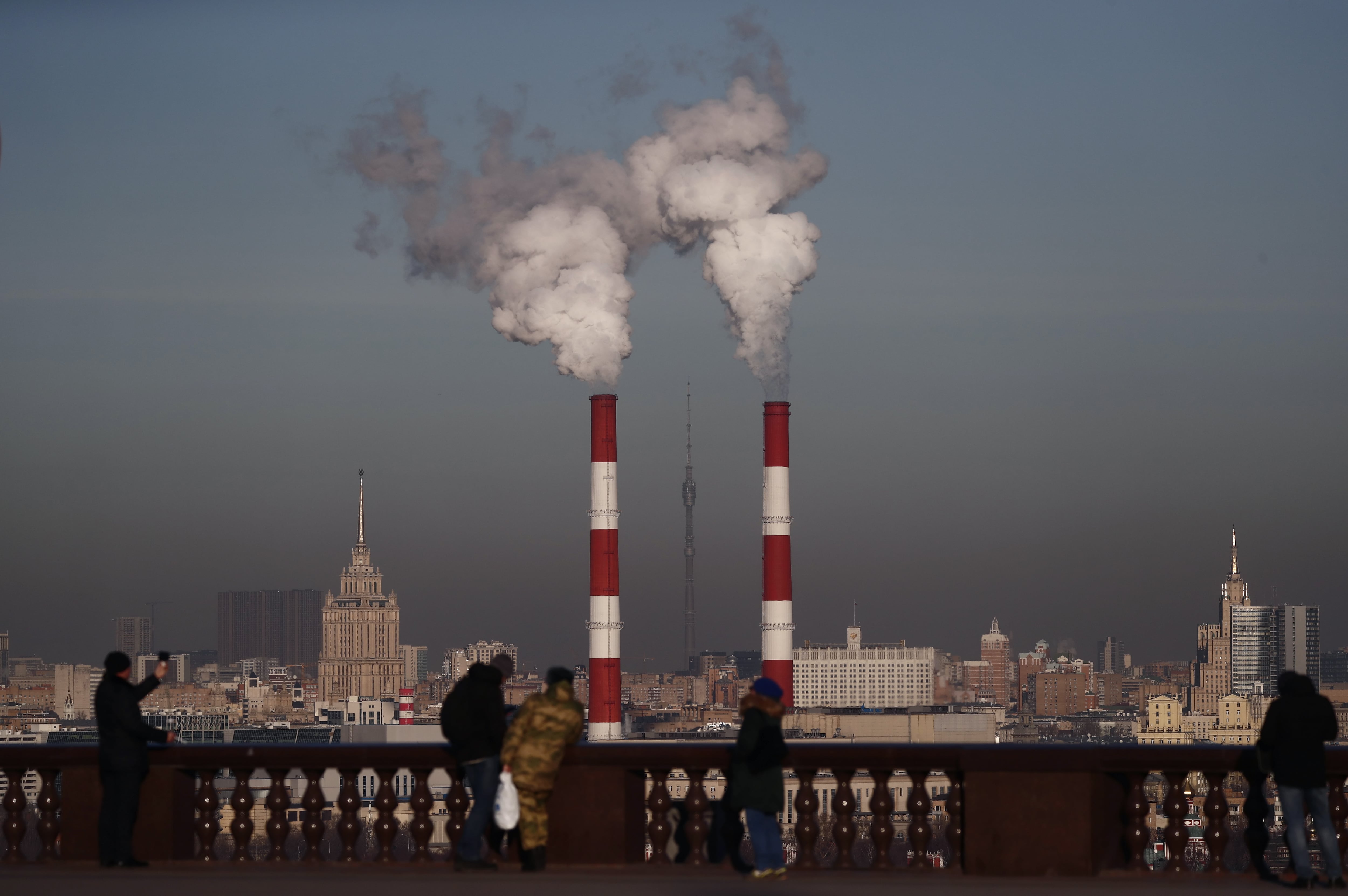
The 2010s amounted to "a decade lost" for slowing climate change, as nations around the world failed to substantially rein-in the heat-trapping emissions generated by power plants, factories, cars and trucks, and other sources that burn fossil fuels, a United Nations report said Tuesday.
The Earth's average temperature is now on track to soar by close to 4 degrees Celsius – or 7.2 degrees Fahrenheit – by the end of the century compared to pre-industrial levels. Scientists have broadly concluded that the planet needs to keep warming to within 2 degrees Celsius, or 3.6 degrees Fahrenheit, to avoid the most catastrophic impacts of climate change.
Rapid rates of warming, meanwhile, are already essentially locked-in: Even ambitious new efforts to slash carbon emissions, as represented in nations' commitments under the 2015 Paris climate accord, will still produce 2.9 to 3.4 degrees of warming.
The report, from the UN's World Meteorological Organization, renewed calls for yet more urgent action to drastically reduce emissions around the world.
"There is no sign of a slowdown, let alone a decline, in greenhouse gases concentration in the atmosphere despite all the commitments under the Paris Agreement on Climate Change," WMO Secretary-General Petteri Taalas said in a statement. "We need to translate the commitments into action and increase the level of ambition for the sake of the future welfare of mankind."
Despite rapid growth in renewable energy sources such as wind and solar, sharp declines in coal-fired power generation in developed nations, and recent high-profile investments in electric vehicles and EV charging infrastructure, global emissions are next expected to peak by the end of the next decade.
"The effects of climate policies have been too small to offset the impact of key drivers of emissions such as economic growth and population growth," the report said, characterizing the finding as a "rather bleak fact."
Already, the amount of carbon dioxide in the atmosphere is comparable to 3-5 million years ago, when temperatures were roughly 2-3 degrees warmer and sea levels were 30-60 feet higher, the WMO said.
"In this critical period, the world must deliver concrete, stepped-up action on emissions," Inger Andersen, executive director of the UN Environment Programme said in a statement. "We face a stark choice: set in motion the radical transformations we need now, or face the consequences of a planet radically altered by climate change."
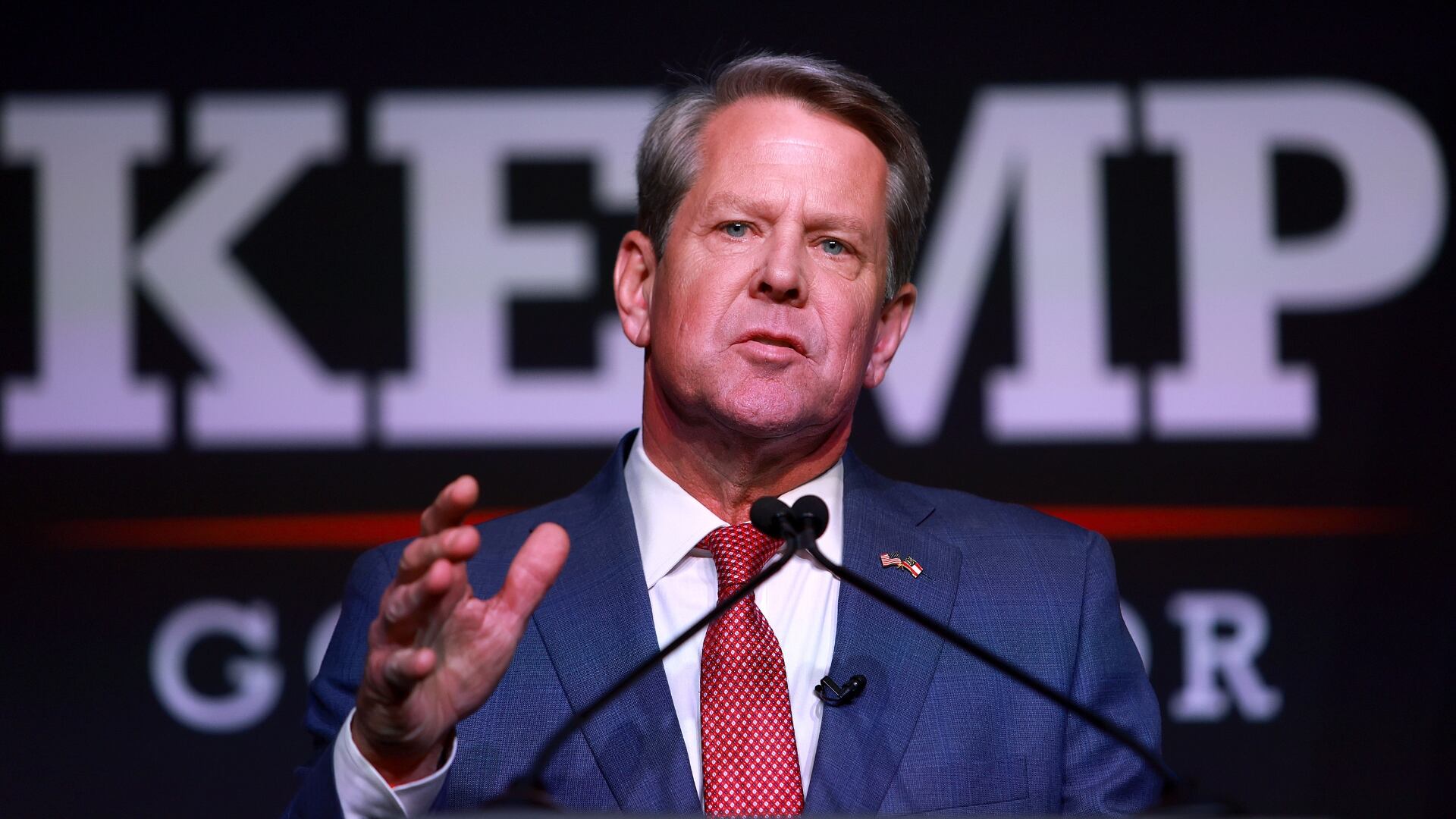
Cheddar Politics takes a deeper look at the takeaways from the Georgia primary elections on Tuesday. Georgia Public Broadcasting's local and state politics reporter, Stephen Fowler, joins us to discuss the limits of Trump endorsements and break down what the outcome in each race means.
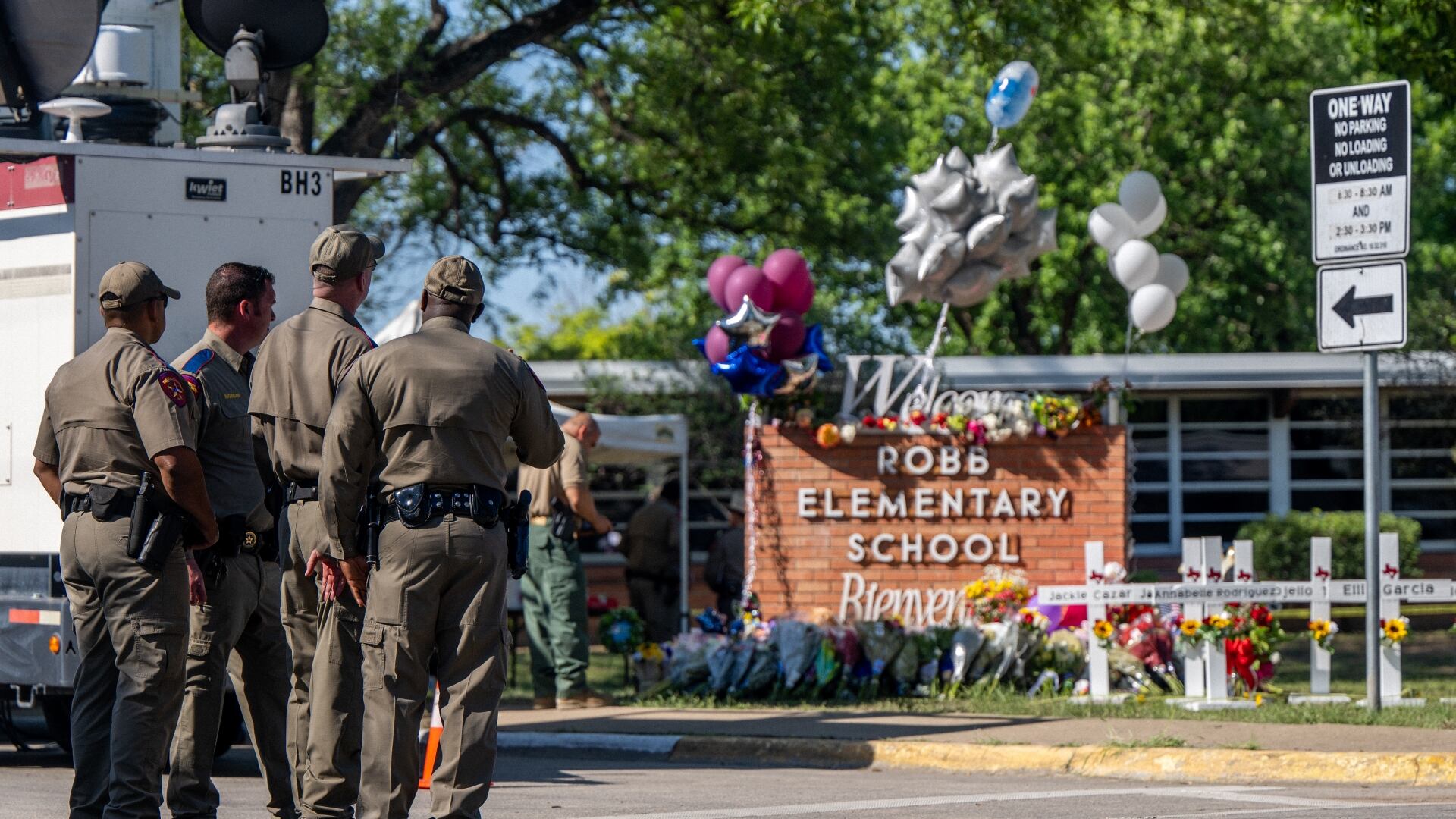
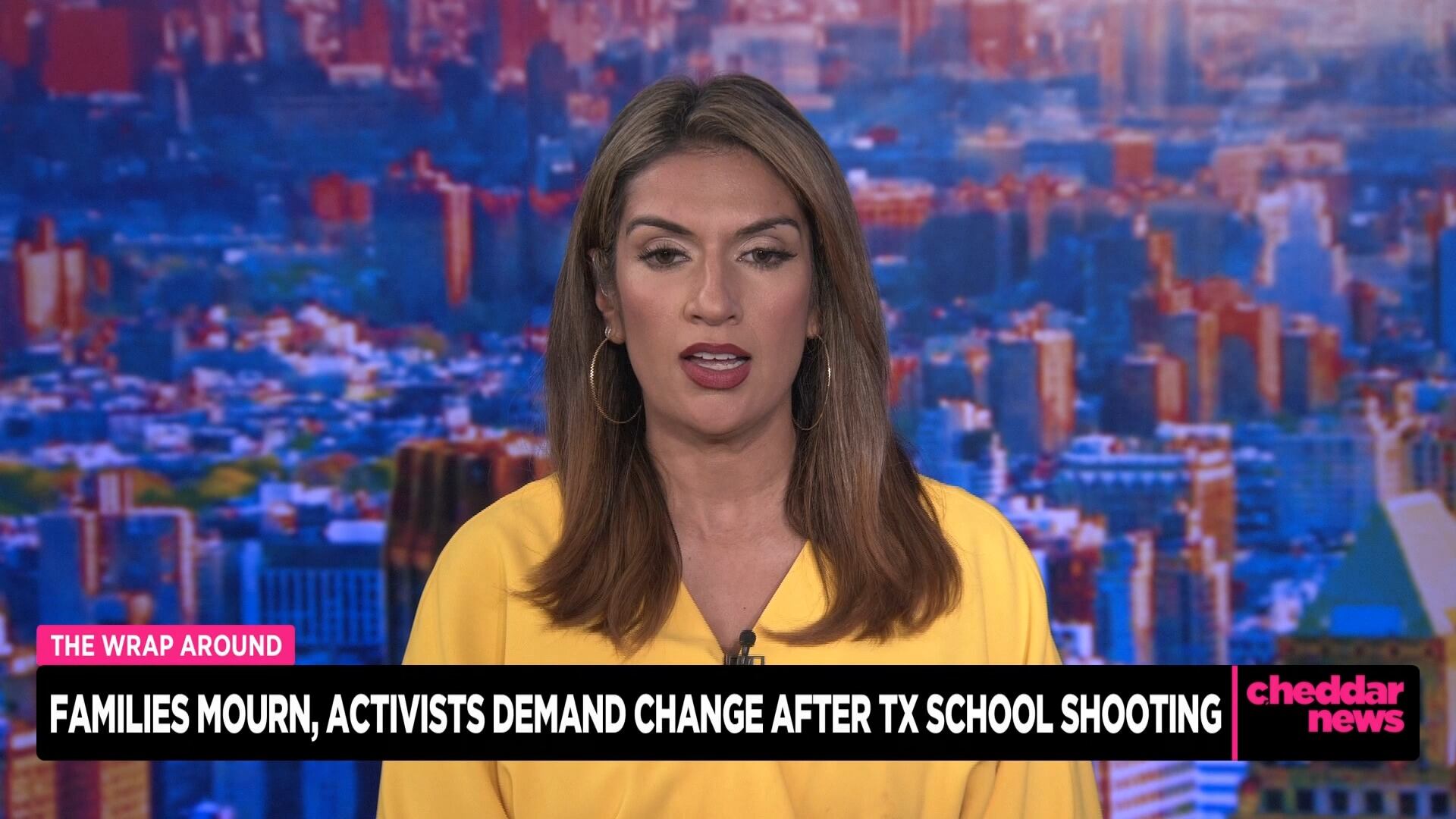
After learning that the suspect in the Uvalde school shooting posted about his intentions on Facebook, activists are urging social networks to make changes. Lena Derhally, a licensed psychotherapist and author of "The Facebook Narcissist," joined Cheddar News to discuss the role social media plays in school shootings. "They're not really invested in taking down hateful content," she said about social platforms."In regards to the shooting, it was 15 minutes before that actual threat. It would be pretty hard for a social media company to trace that threat that quickly. But what they can do better is take down threats and hateful content much faster and more than they're doing now."
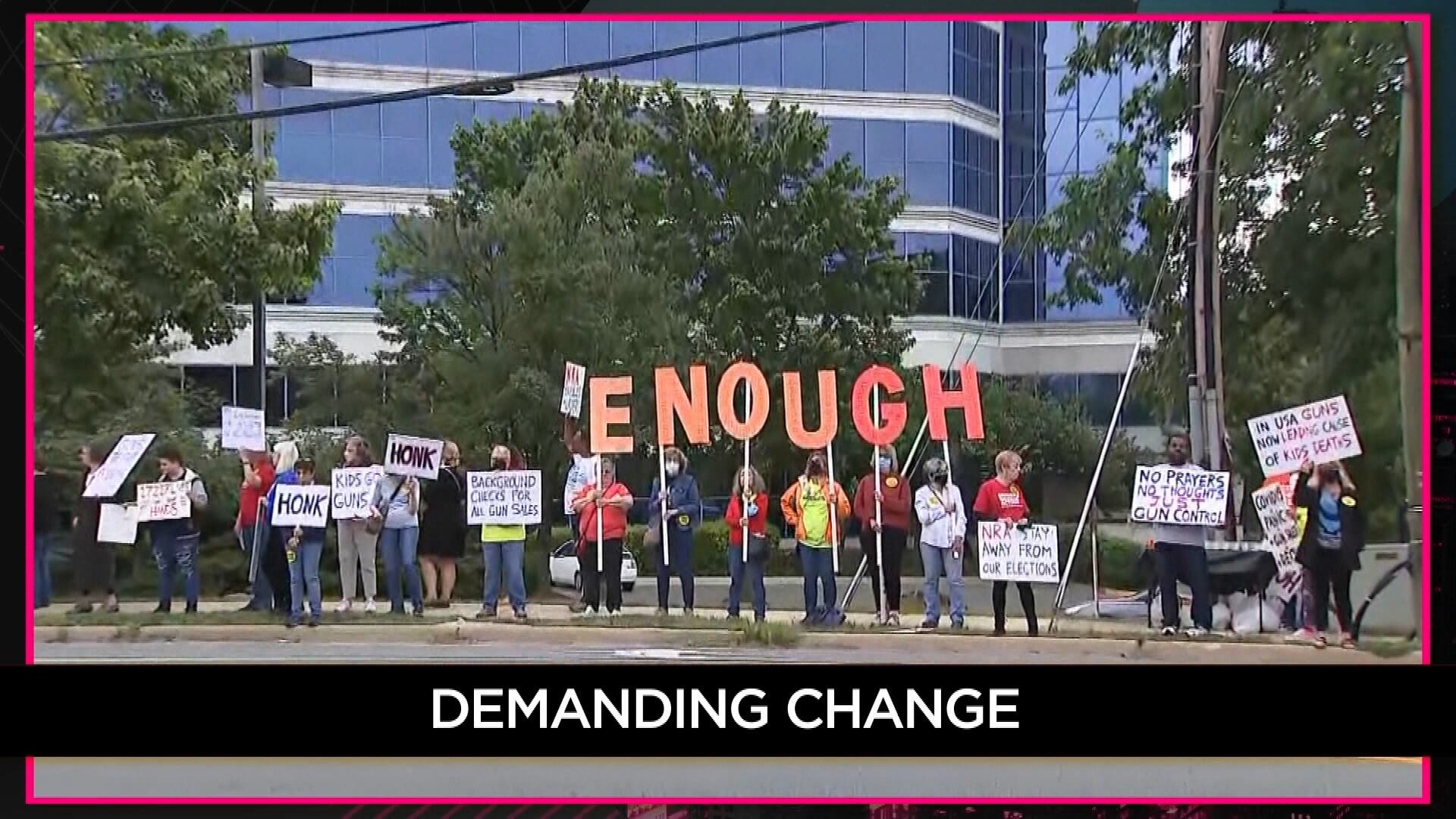
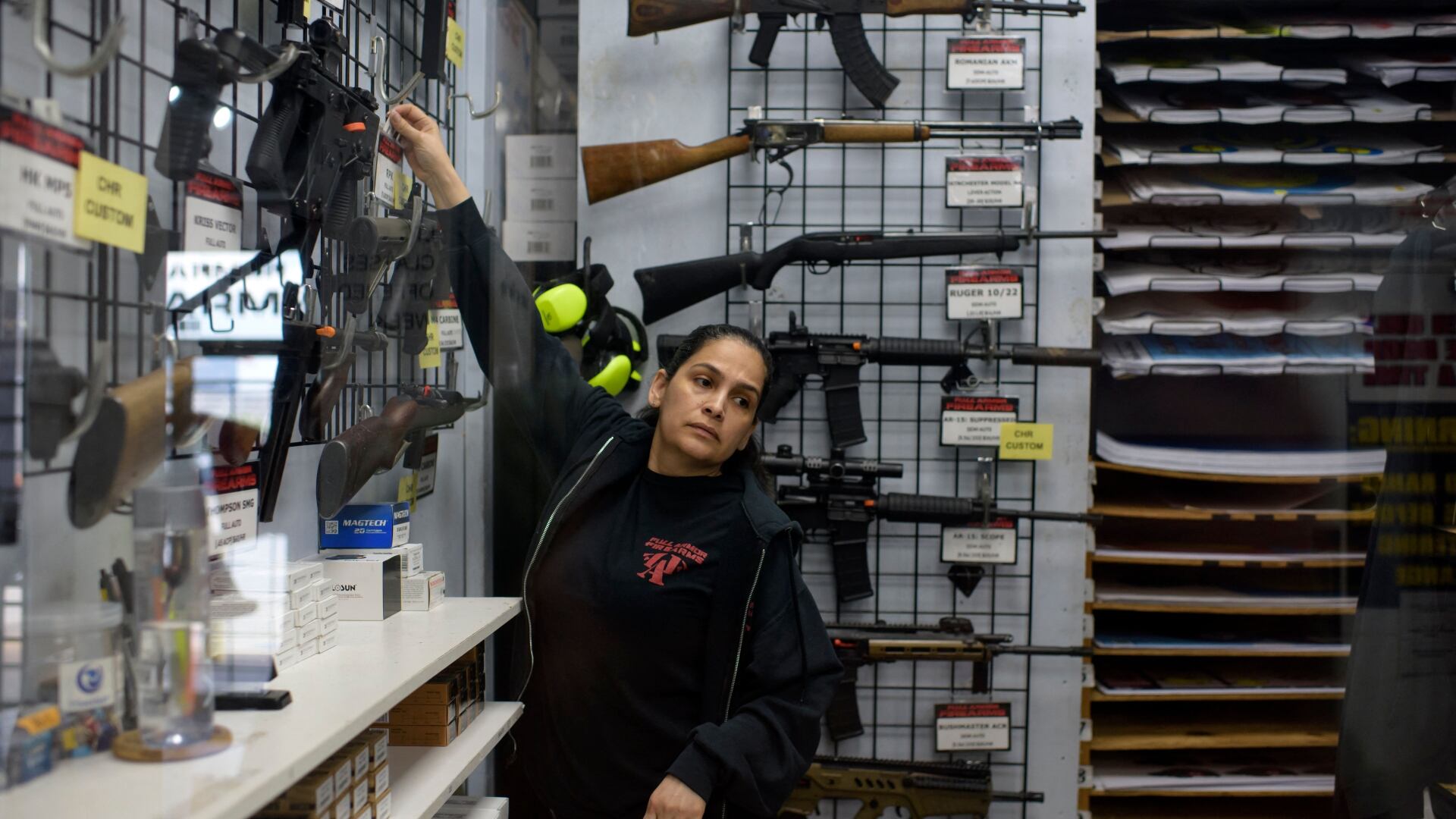
Following the mass shooting at the Robb Elementary School in Uvalde, Texas, that left 19 children and two adults dead, the debate over gun control has been reignited. While studies have shows most Americans agree on some additional regulations, there hasn't been much legislative traction even as gun violence worsens in the country. Brian Lemek, the executive director of Defend The Vote and the former executive director at Brady PAC for gun control, joined Cheddar to discuss reform efforts. "The lawmakers that we have aren't passing these at the federal level," he said. "That's the problem. We have the wrong people in charge."
The crypto industry is still reeling from Terra's recent crash. The company's blockchain was temporarily halted earlier this month after the collapse of its cryptocurrency Luna (LUNA) and its stablecoin TerraUSD (UST), which led to almost $45 billion being wiped from the tokens' market caps within a week. Now, many are left wondering what Terra's struggles mean for the broader crypto market. Reeve Collins, CEO of the NFT platform BLOCKv, joins Cheddar News' Closing Bell from Davos 2022 to discuss.
The average city in California has a 38% higher cost of living than the average American city, according to a cost of living index. For many, the general minimum wage of $15/hour just doesn't cut it. Anti-poverty activist Joe Sanberg wants to get the minimum wage changed to $18/hour. He joins Cheddar News to discuss the Living Wage Act of 2022.