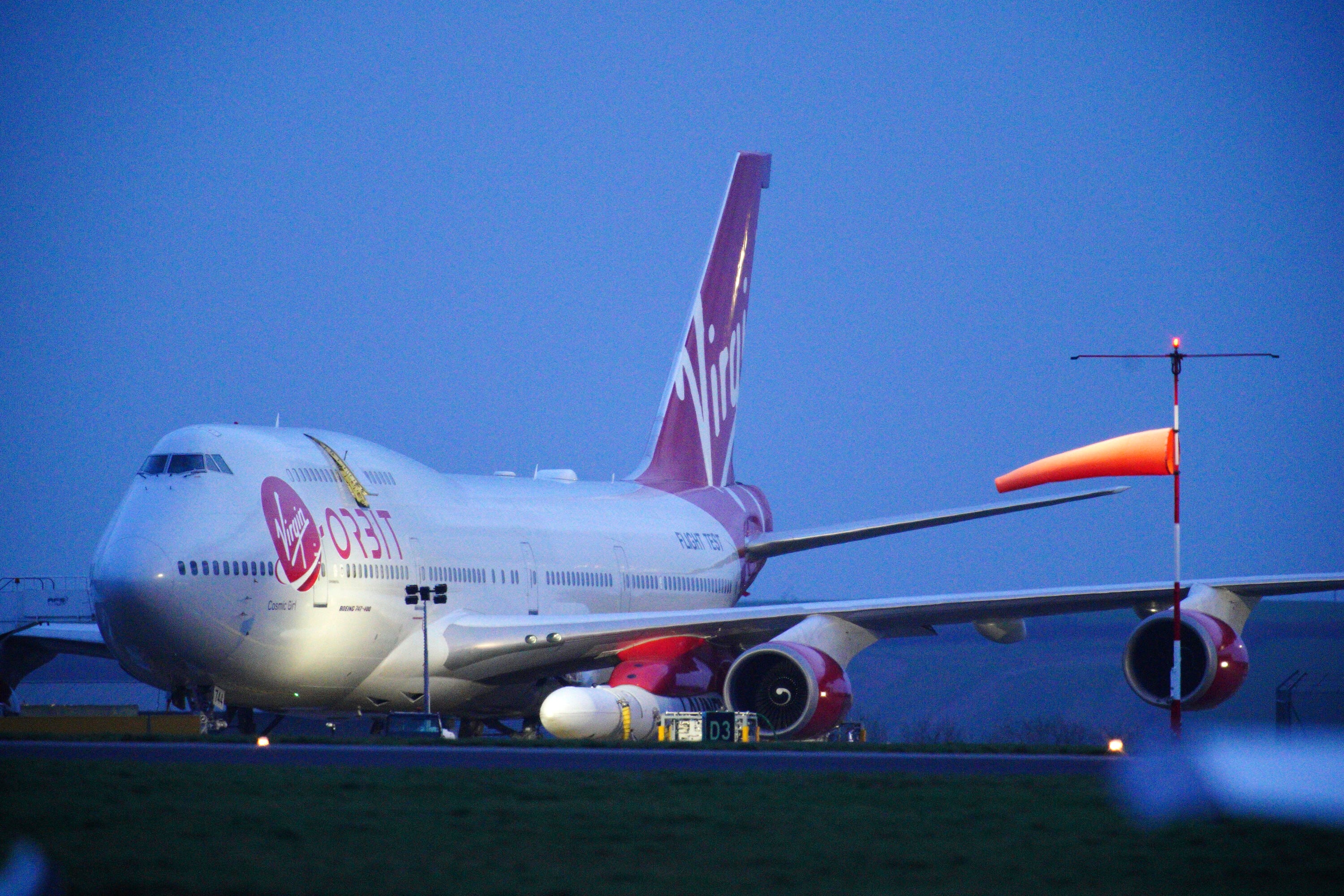
Virgin Atlantic Cosmic Girl, a repurposed Virgin Atlantic Boeing 747 aircraft carrying a rocket, is parked at Spaceport Cornwall, at Cornwall Airport in Newquay, England, Monday, Jan. 9, 2023. (Ben Birchall/PA via AP)
LONDON (AP) — British officials and space scientists said Tuesday they were disappointed but not deterred after the first attempt to launch satellites into orbit from the U.K. ended in failure.
U.S.-based Virgin Orbit attempted its first international launch late Monday, using a modified jumbo jet to carry one if its rockets from Cornwall in southwestern England over the Atlantic Ocean.
The plane released the rocket, carrying nine small satellites for a mix of civilian and domestic uses. But about two hours after the plane took off, the company reported “an anomaly that has prevented us from reaching orbit.”
The plane, piloted by a Royal Air Force pilot, returned to Cornwall. The rocket and satellites were destroyed.
“We’re feeling awful, to be honest – I’m not going to lie,” Melissa Thorpe, head of Spaceport Cornwall. said.
“This isn’t the first time we’ve been knocked, this is the biggest definitely, but I feel OK and we’ll get up and we’ll go again,” she said.
Virgin Orbit, which was founded by British transport and telecommunications tycoon Richard Branson, previously completed four similar launches from California.
Hundreds of people gathered for the Cornwall launch had cheered when a repurposed Virgin Atlantic Boeing 747 aircraft, named Cosmic Girl, took off late Monday. Around an hour into the flight, the plane released the rocket at around 35,000 feet (around 10,000 meters) over the Atlantic Ocean to the south of Ireland.
Virgin Orbit chief executive Dan Hart said “a technical failure appears to have prevented us from delivering the final orbit.”
“While we are very proud of the many things that we have successfully achieved as part of this mission, we are mindful that we failed to provide our customers with the launch service they deserve,” he said.
The mission was a collaboration between the U.K. Space Agency, the Royal Air Force, Virgin Orbit and Cornwall Council.
Britain hopes to become a major player in making and launching satellites, and is building a spaceport in the Shetland Islands north of Scotland as well as the one in Cornwall.
U.K. Business Secretary Grant Shapps said Monday’s launch was “a big moment” despite its failure.
“Space is difficult,” Shapps told Sky News.
“It didn’t work. I’ve no doubt that they’ll pick themselves up, dust themselves off and they’ll go again once they find out what exactly went wrong with it,” he said.
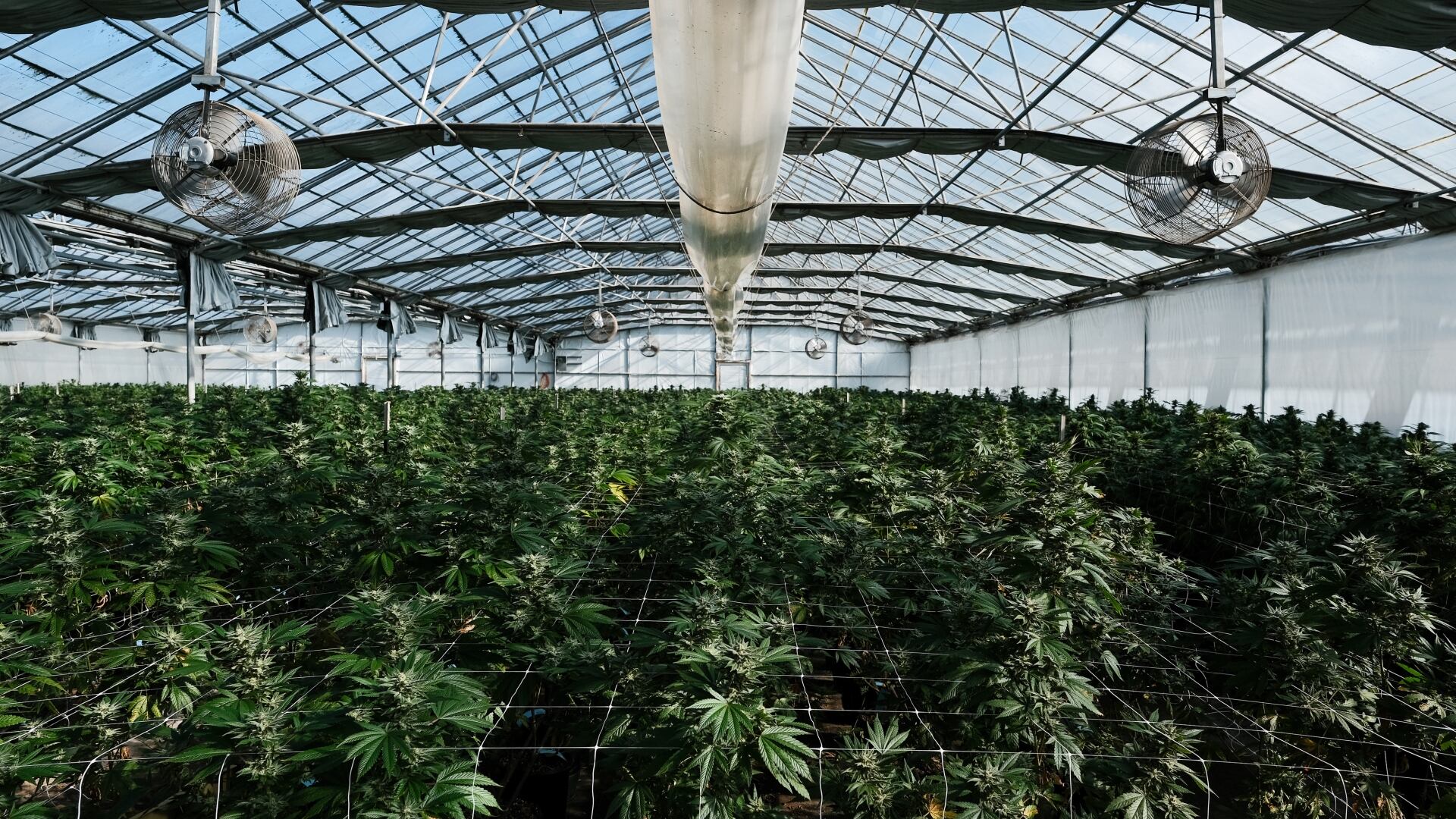
Medical cannabis company Akanda went public this week in what was the first traditional IPO of the month. Shares jumped about 163% in the stock's first day of trading. The London-based company says it hopes to supply medical cannabis products to wholesalers in international markets. Tej Virk, CEO of Akanda, joins Cheddar News' Closing Bell to discuss.
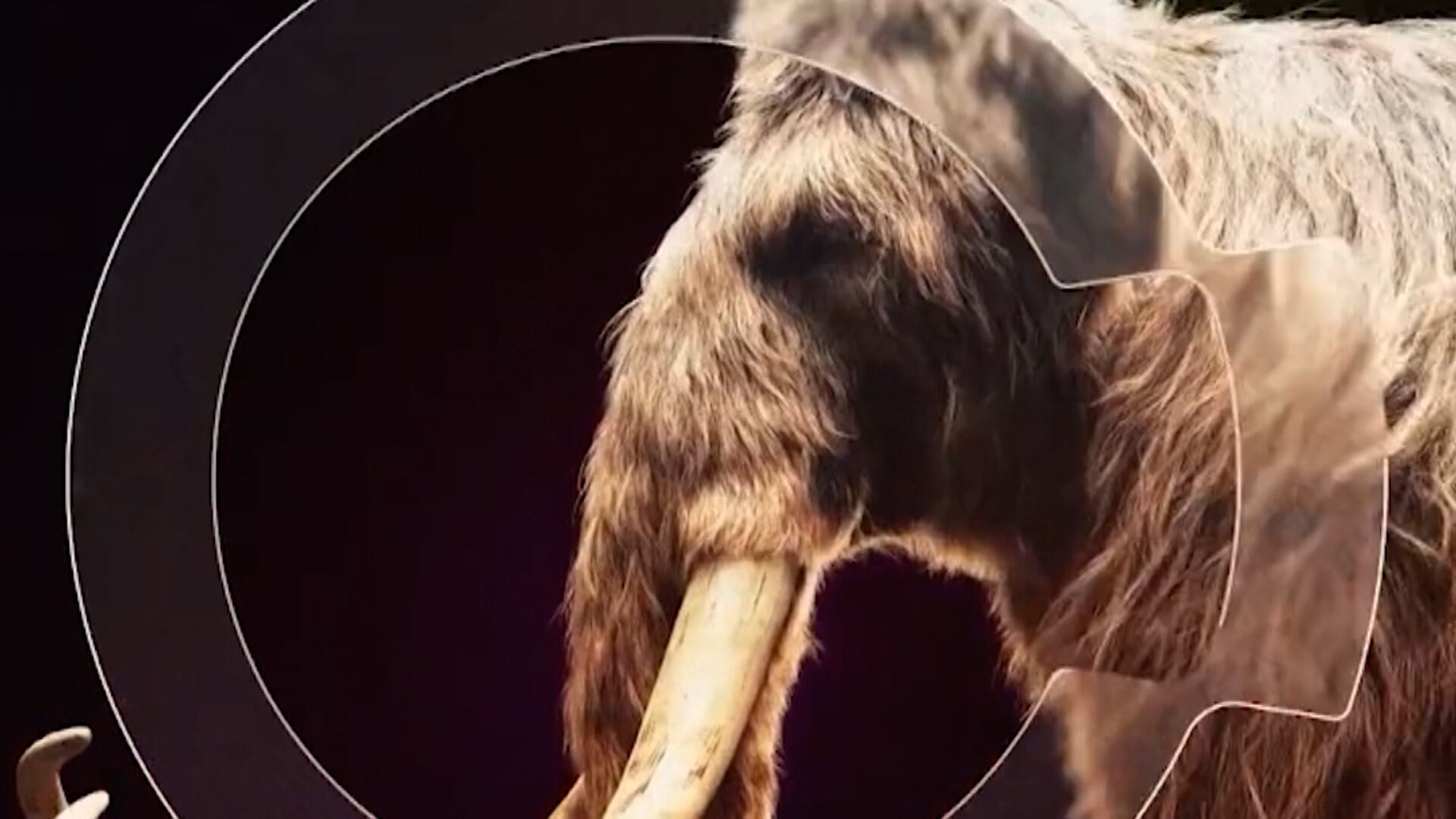
Bioscience and genetic engineering company, Colossal, raised $60 million in a Series A funding round. Colossal is focused on developing new technologies and genetic tools to restore extinct species, and protect critically endangered species. One of the startup's long-term goals is to resurrect the woolly mammoth, and return it back to the arctic. Colossal also says it is developing technology that expands beyond animals, and has the potential to advance human health. Ben Lamm, co-founder and CEO of Colossal, joins Cheddar News' Closing Bell to discuss.
Residents were cleaning their homes Thursday after a 7.4-magnitude earthquake struck off the coast of Fukushima in northern Japan, smashing furniture, knocking out power and killing four people.
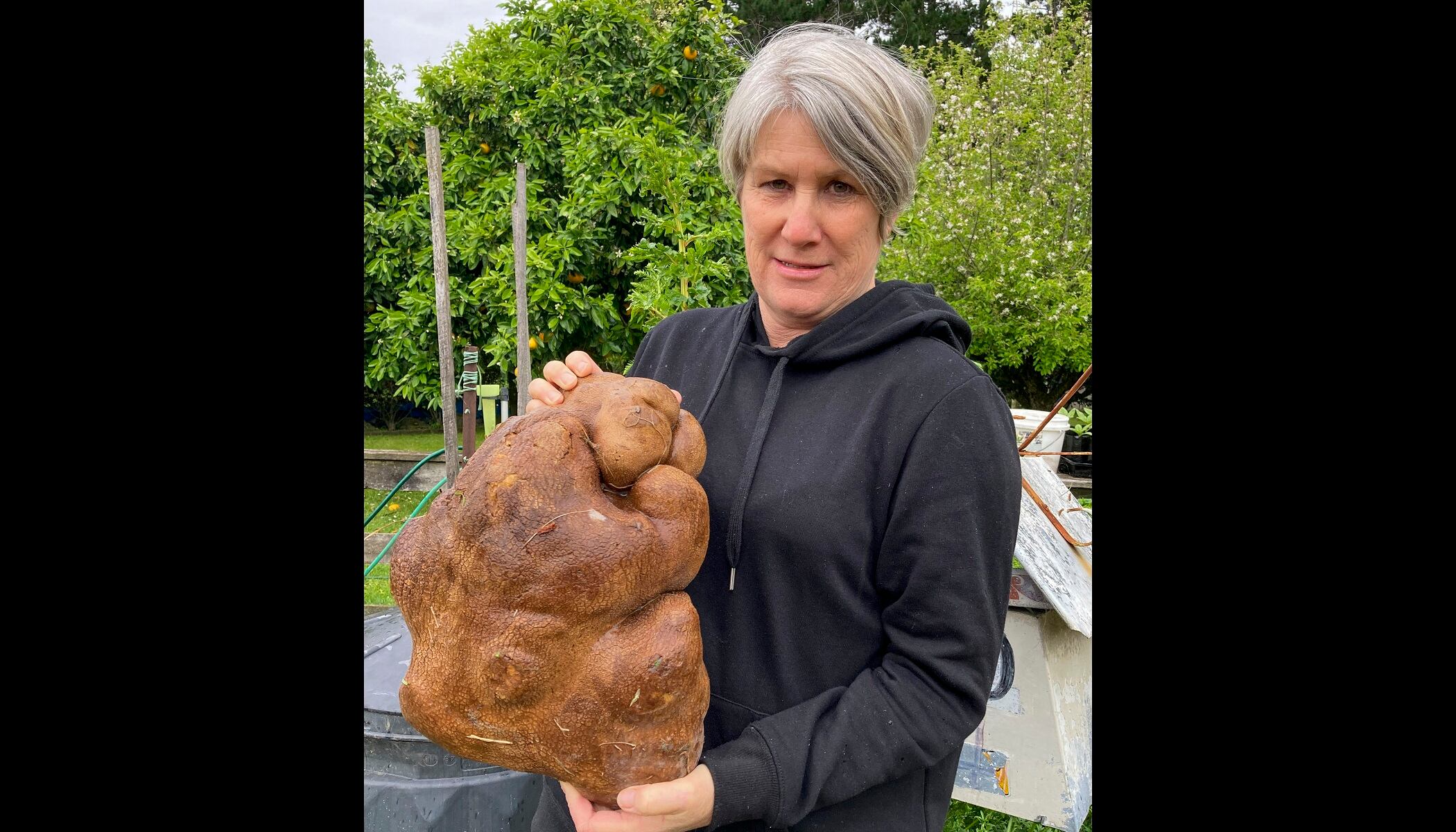
A New Zealand couple who believed they had dug up the world’s largest potato had their dreams turned to mash after Guinness World Records wrote to say that scientific testing had found it wasn’t, in fact, a potato after all.
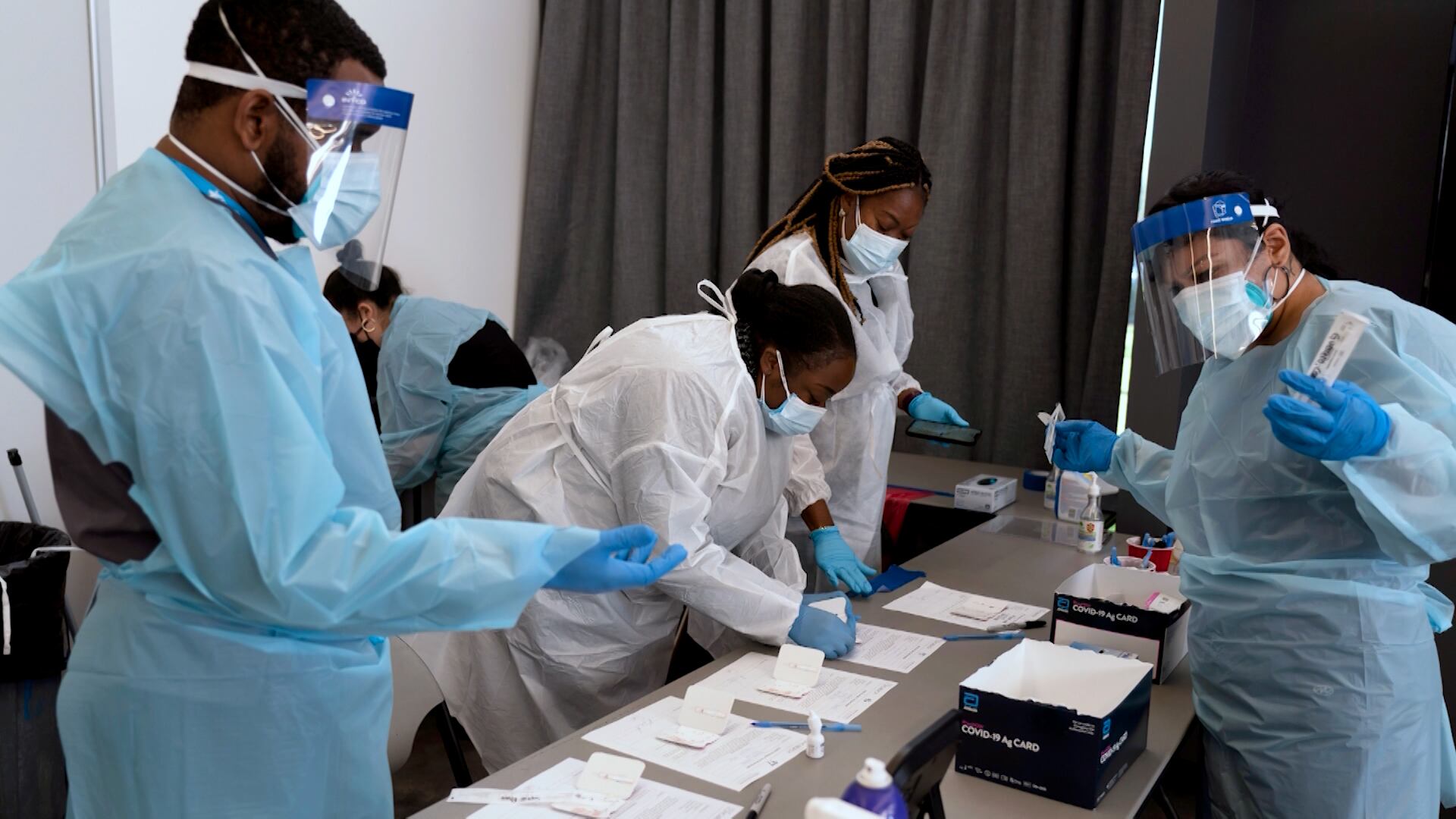
Two years into the pandemic, many of us have regained a sense of normalcy. However, those in the healthcare industry are still confronting the virus every day, dealing with the physical, mental and psychological stress of the ongoing pandemic. Ben Mirtes, CFO of Ingenovis Health and Lydia Mobley, a travel nurse with Faststaff, who has spent the last two years going from hotspot to hotspot, joined Cheddar’s Opening Bell to reflect on their experiences in healthcare, and discuss why they are optimistic about a path forward.
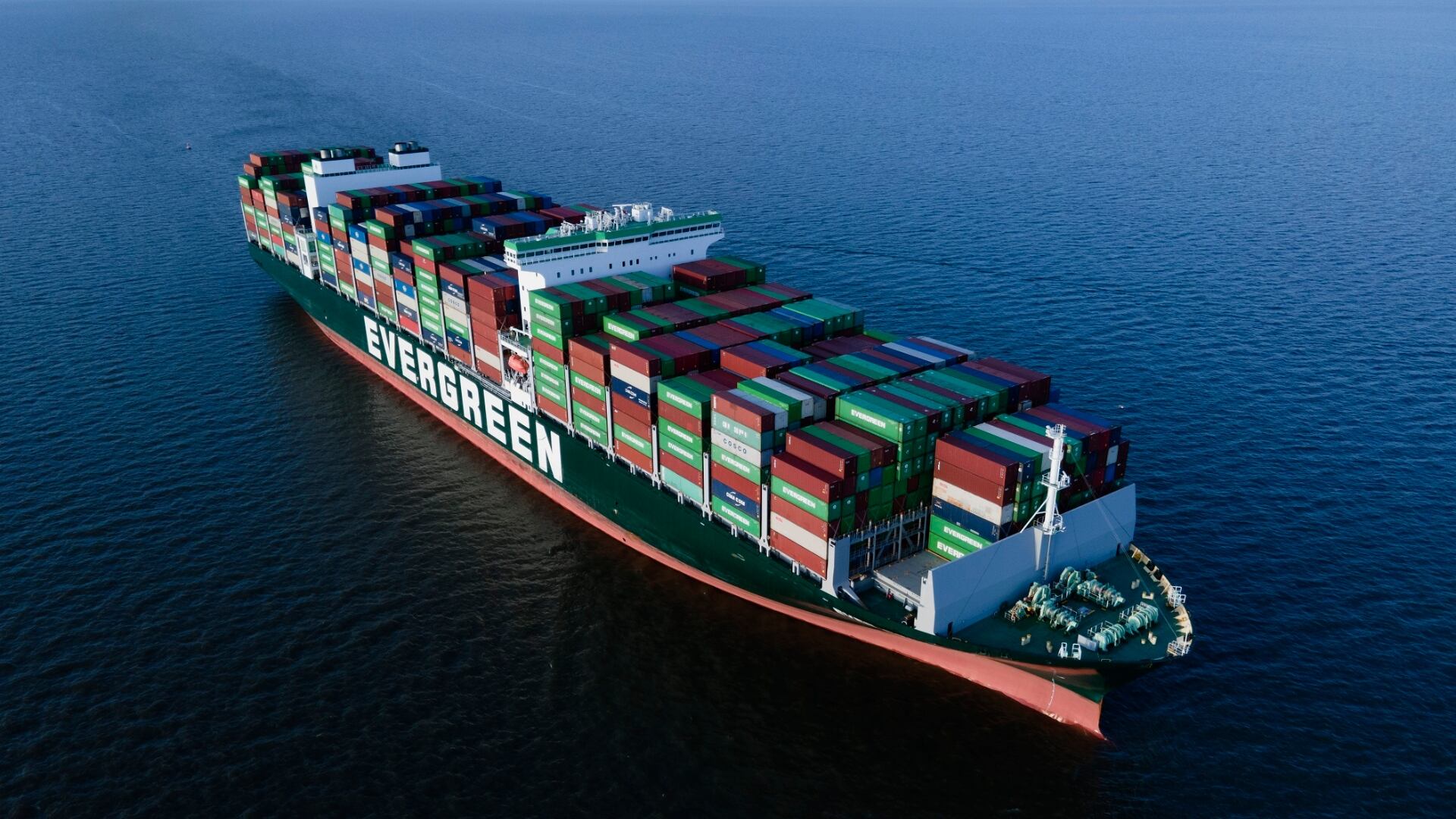
Catching you up on what you Need to Know on March 16, 2022, with updates on Ukraine and Russia, a container ship gets stuck in the Chesapeake Bay, Disney employees stage a walkout over the "Don't Say Gay" law in Florida, and NASA completes its first spacewalk of 2022.
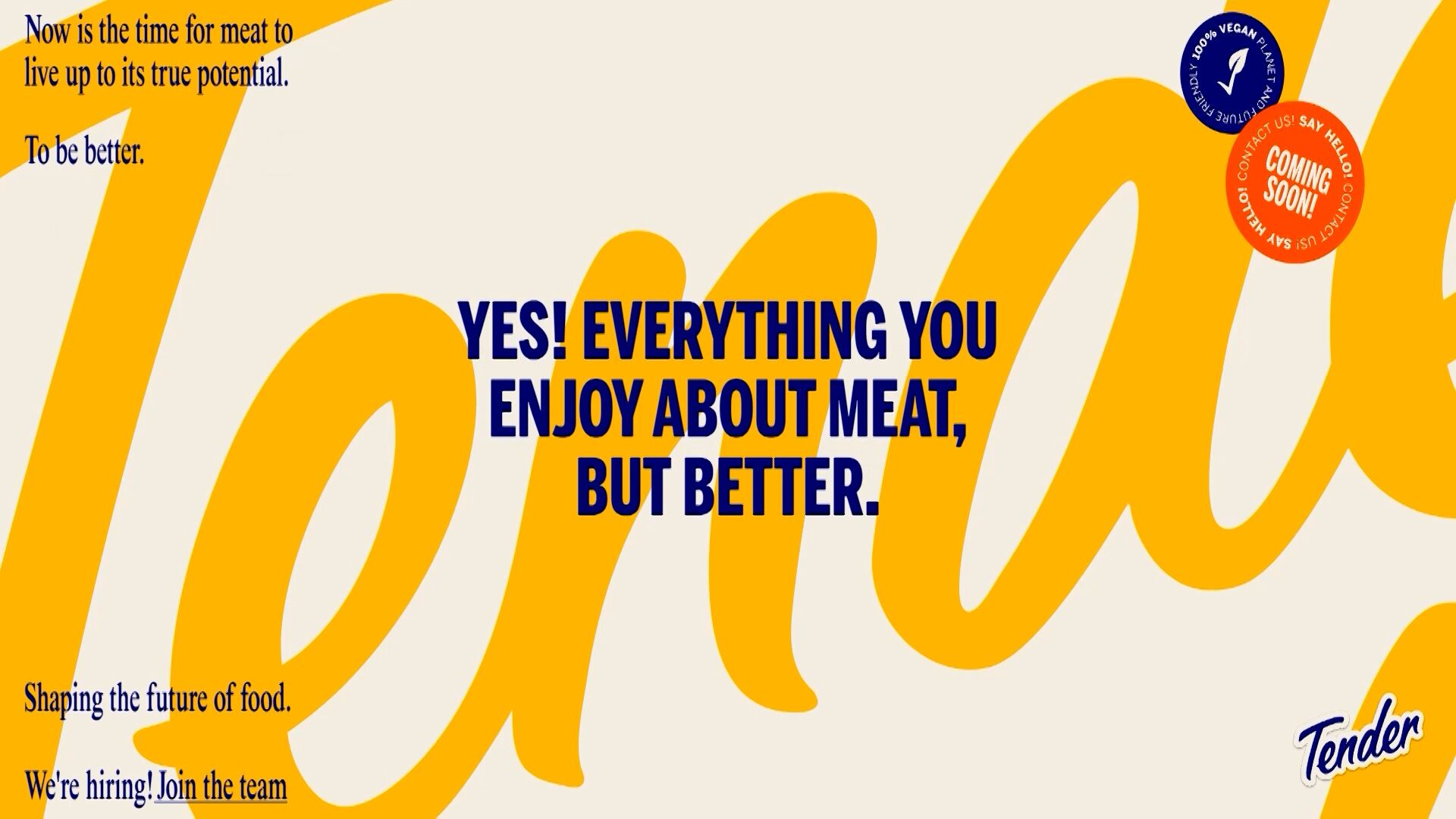
Food technology startup Tender Food raised $12 million in a seed round led by Chris Sacca's Lowercarbon Capital. Tender says it specializes in creating alternative meats with an authentic texture and is on a mission to make alternative meats so delicious, nutritious, and affordable, that eating meat from animals will no longer make sense. Christophe Chantre, co-founder & CEO of Tender Food, joins Cheddar News' Closing Bell to discuss.
Ryan Shearman, chief alchemist and co-founder at Aether, and Henry Elkus, founder of Helena, join Cheddar News to talk about the completion of an $18 million Series A funding round led by Helena.